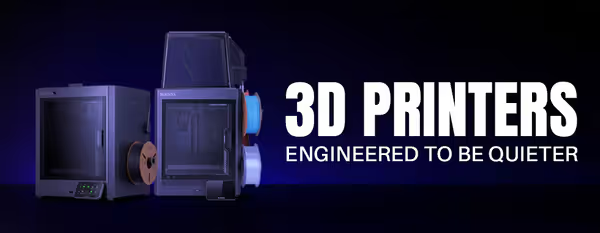
3D Printers — FDM & Resin Printing 🖨️
A 3D printer builds physical objects layer by layer from a digital model — letting you make parts, prototypes, miniatures, cosplay props, repair pieces and custom accessories at home or in a workshop. The two main types are FDM, which melts plastic filament, and resin, which cures liquid with UV light. FDM suits general-purpose and tougher parts; resin captures the finest detail.
Beginners usually start with an FDM printer running PLA filament — it's forgiving, low-odour and cheap to feed. Choose by build volume (how big a print fits), the materials you want to run (PLA, PETG, ABS and more), and how much setup you're happy with. Resin printers reward you with crisp detail for miniatures and jewellery, but need ventilation and careful handling of the resin.
Evetech stocks 3D printers from entry-level to workshop machines, plus filament and accessories, all with local warranty and nationwide delivery. Compare build volume and print technology below, and factor in consumables — filament or resin — as part of the running cost.


