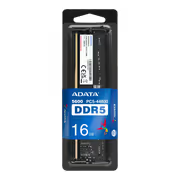
adata-premier-16gb-ddr5-5600-ad5u560016g-b
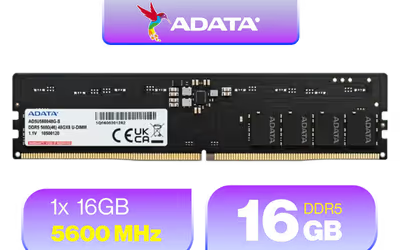
ADATA Premier 16GB (16GB x 1) 5600MHz DDR5 Desktop Memory / Higher Frequencies / Built-In Power Management IC / Higher Memory Capacities / On-Die Error Correcting Code / AMD And Intel Platform Support / AD5U560016G-B / AD5U560016G-B + FREE DELIVERY !
Limited Lifetime Warranty
Model No : ADATA AD5U560016G-B
Price Inc. Vat
R 4,099
Save R 400
ListR 4,499
4099Free Delivery
Qty:
In Stock with Evetech
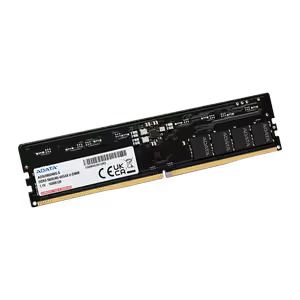
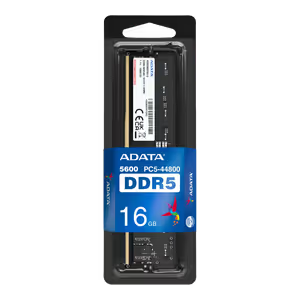
ADATA Premier AD5U560016G-B 16GB DDR5 5600 Desktop RAM
ADATA Premier 16GB DDR5 Running At 5600MHz
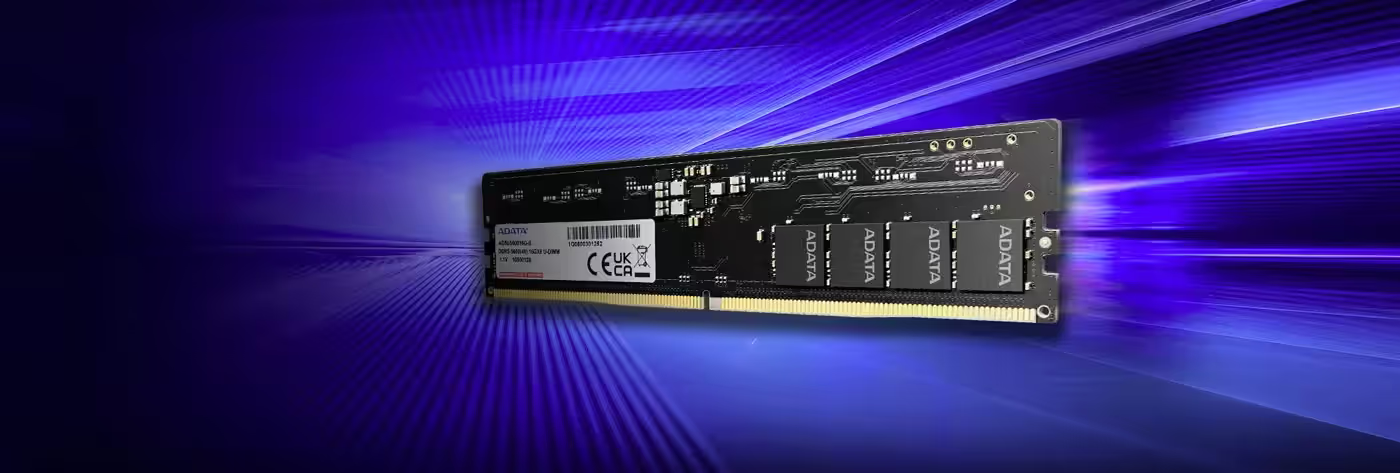
The ADATA Premier 16GB DDR5 desktop memory is a single 16GB module running at 5600MHz, built for multitasking and demanding workloads while drawing less power than DDR4. The 5600MHz frequency lifts system responsiveness for gaming, video editing and heavy multitasking, and a built-in Power Management IC keeps power delivery to the module stable. It supports both AMD and Intel platforms under part number AD5U560016G-B.
ADATA Premier 16GB DDR5 Running At 5600MHz
The ADATA Premier 16GB DDR5 desktop memory is a single 16GB module running at 5600MHz, built for multitasking and demanding workloads while drawing less power than DDR4. The 5600MHz frequency lifts system responsiveness for gaming, video editing and heavy multitasking, and a built-in Power Management IC keeps power delivery to the module stable. It supports both AMD and Intel platforms under part number AD5U560016G-B.
DDR5-5600 U-DIMM For Desktop Systems
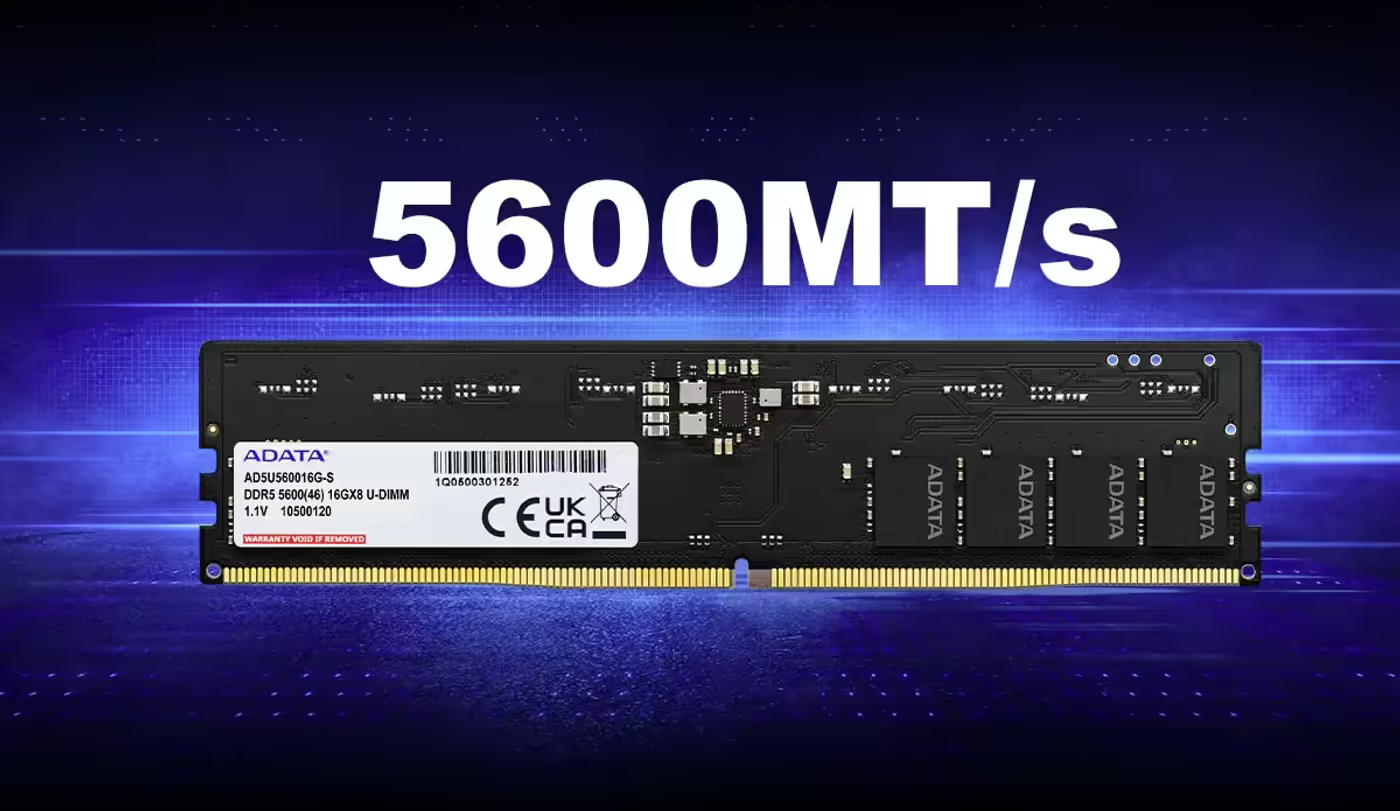
This is a DDR5-5600 U-DIMM module, delivering data transfer speeds of up to 5600MHz. That frequency is a substantial step above DDR4 and shows up directly in system speed and response times. It is the class of memory aimed at gaming, content creation and professional multitasking rather than basic office work.
DDR5-5600 U-DIMM For Desktop Systems
This is a DDR5-5600 U-DIMM module, delivering data transfer speeds of up to 5600MHz. That frequency is a substantial step above DDR4 and shows up directly in system speed and response times. It is the class of memory aimed at gaming, content creation and professional multitasking rather than basic office work.
Runs At 1.1V, 8% More Power Efficient Than DDR4
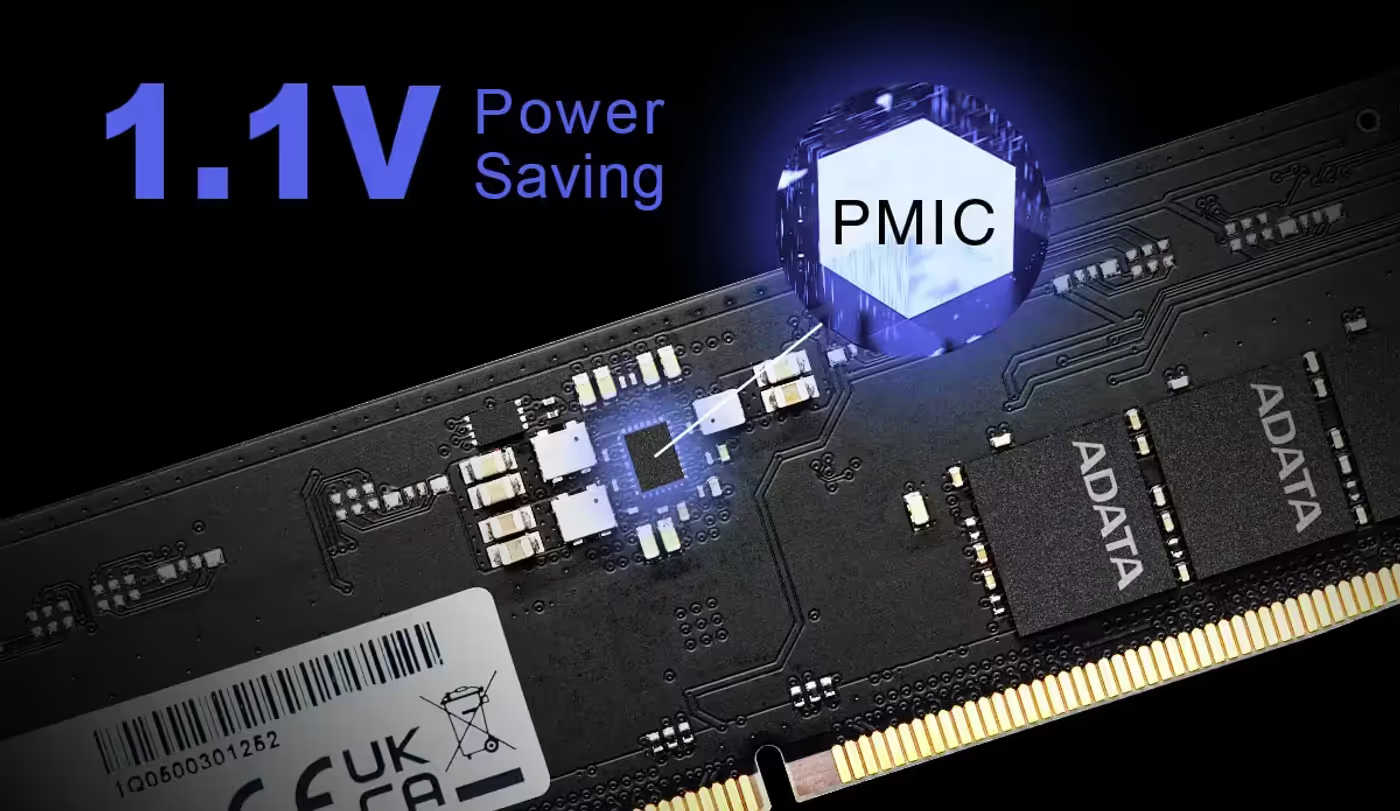
The module operates at only 1.1V, making it 8% more power-efficient than DDR4 memory. A built-in Power Management IC sits on the module itself, regulating supply on-board for a stable feed and better reliability under high-demand applications. Moving power regulation onto the DIMM is one of the structural changes DDR5 introduced.
Runs At 1.1V, 8% More Power Efficient Than DDR4
The module operates at only 1.1V, making it 8% more power-efficient than DDR4 memory. A built-in Power Management IC sits on the module itself, regulating supply on-board for a stable feed and better reliability under high-demand applications. Moving power regulation onto the DIMM is one of the structural changes DDR5 introduced.
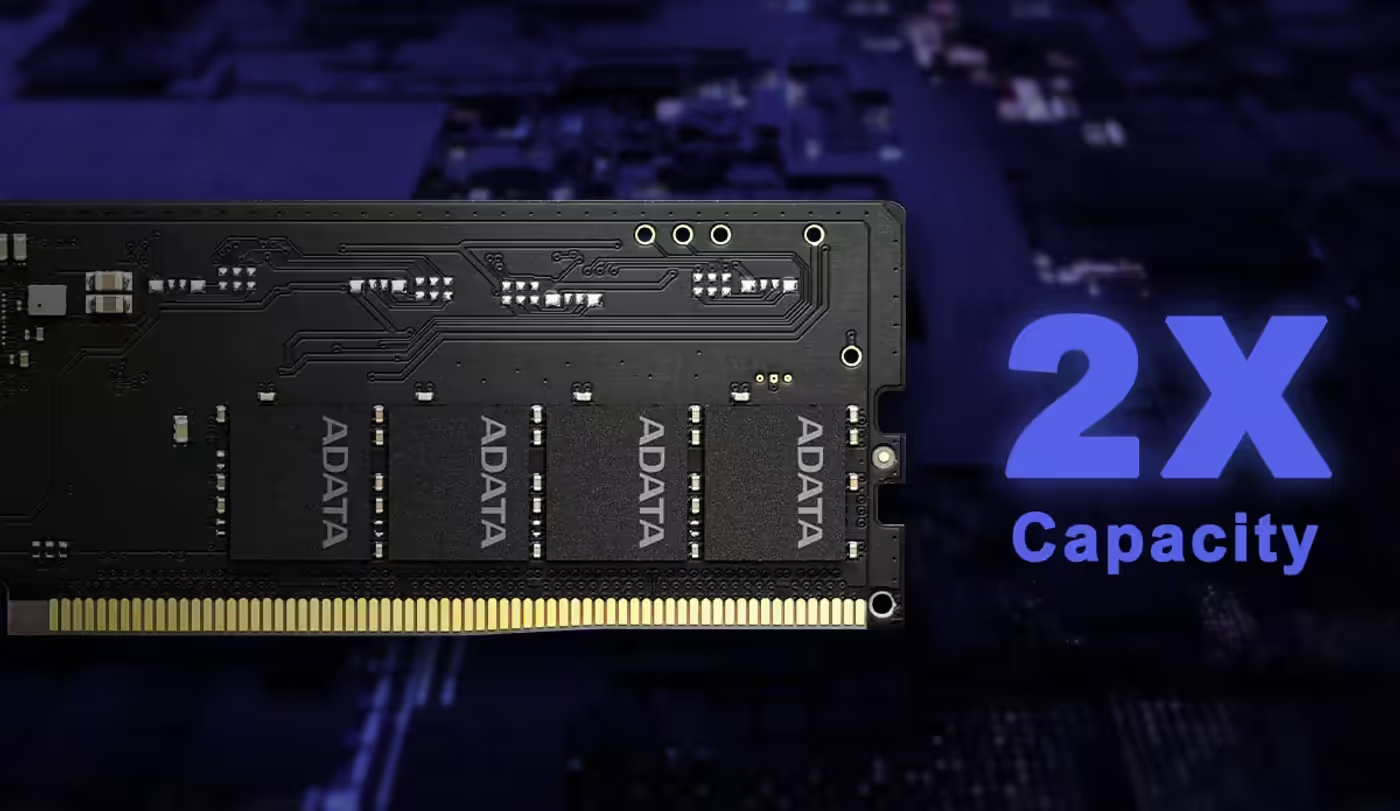
More Banks And Bank Groups Per Module
DDR5 architecture increases the number of banks and bank groups on the module, which is what allows it to effectively double capacity compared with DDR4. Larger datasets stay resident in memory rather than spilling to storage, which is where the gain shows up in heavy applications.
More Banks And Bank Groups Per Module
DDR5 architecture increases the number of banks and bank groups on the module, which is what allows it to effectively double capacity compared with DDR4. Larger datasets stay resident in memory rather than spilling to storage, which is where the gain shows up in heavy applications.
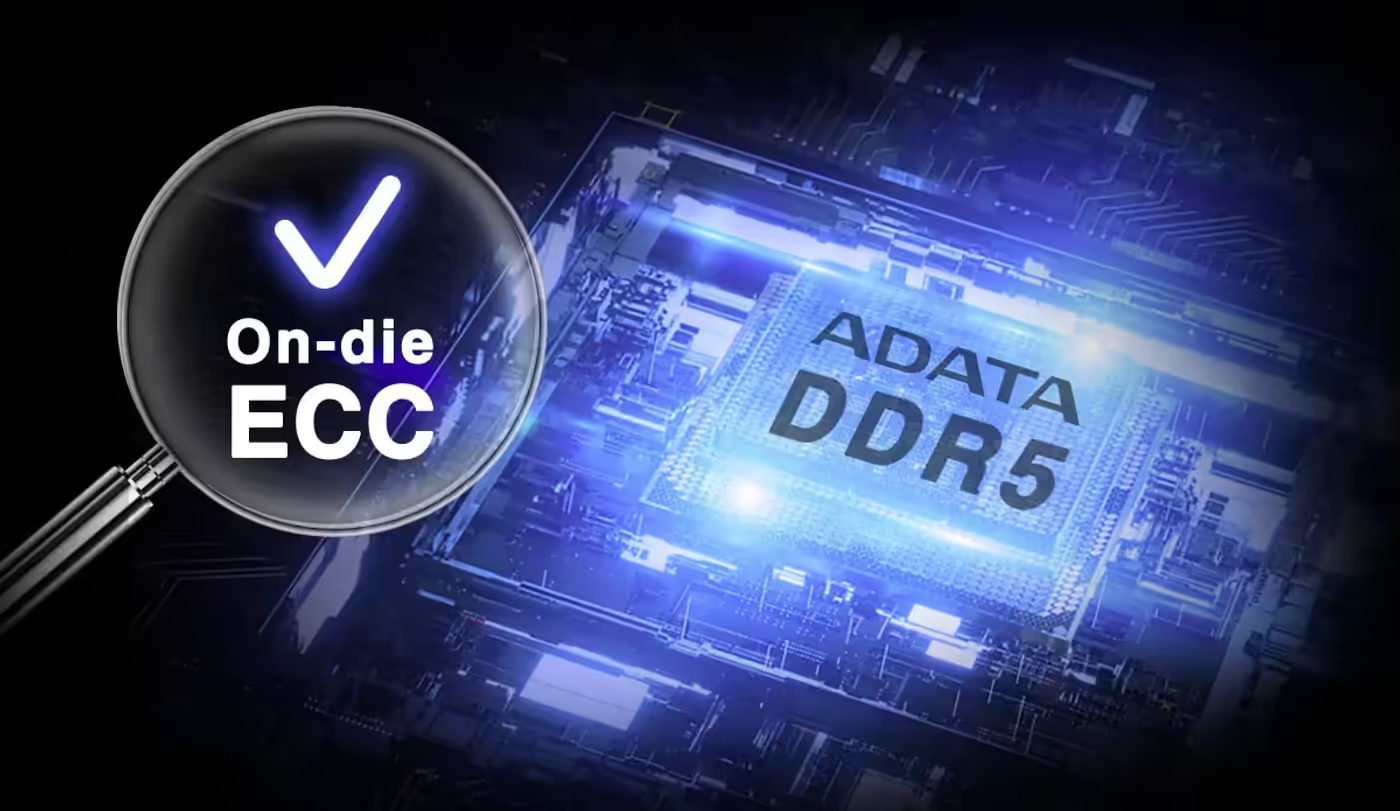
On-Die ECC Corrects Errors In Real Time
Error correcting code on the module detects and corrects memory errors as they happen, without the CPU having to intervene. That improves system stability, reduces CPU workload and protects data integrity, which is why on-die ECC matters for high-performance desktops and enterprise servers that need uptime.
On-Die ECC Corrects Errors In Real Time
Error correcting code on the module detects and corrects memory errors as they happen, without the CPU having to intervene. That improves system stability, reduces CPU workload and protects data integrity, which is why on-die ECC matters for high-performance desktops and enterprise servers that need uptime.
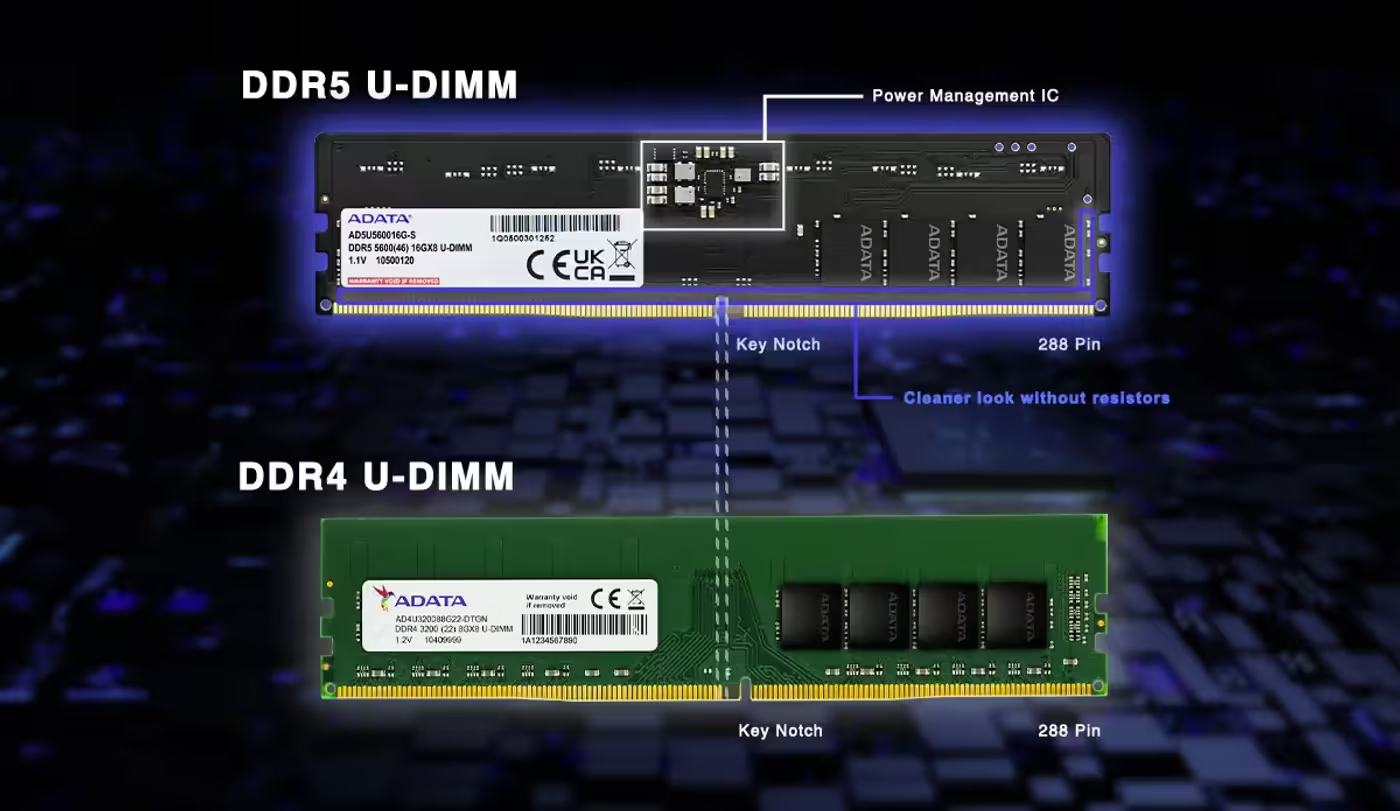
How A DDR5 Module Looks Next To DDR4
DDR5 and DDR4 modules share the same footprint and pin count, but the notch sits in a different position and the Power Management IC is visible in the centre of a DDR5 stick. Those two markers are the quickest way to tell the generations apart before fitting one, since the notch position also prevents a DDR5 module going into a DDR4 slot.
How A DDR5 Module Looks Next To DDR4
DDR5 and DDR4 modules share the same footprint and pin count, but the notch sits in a different position and the Power Management IC is visible in the centre of a DDR5 stick. Those two markers are the quickest way to tell the generations apart before fitting one, since the notch position also prevents a DDR5 module going into a DDR4 slot.
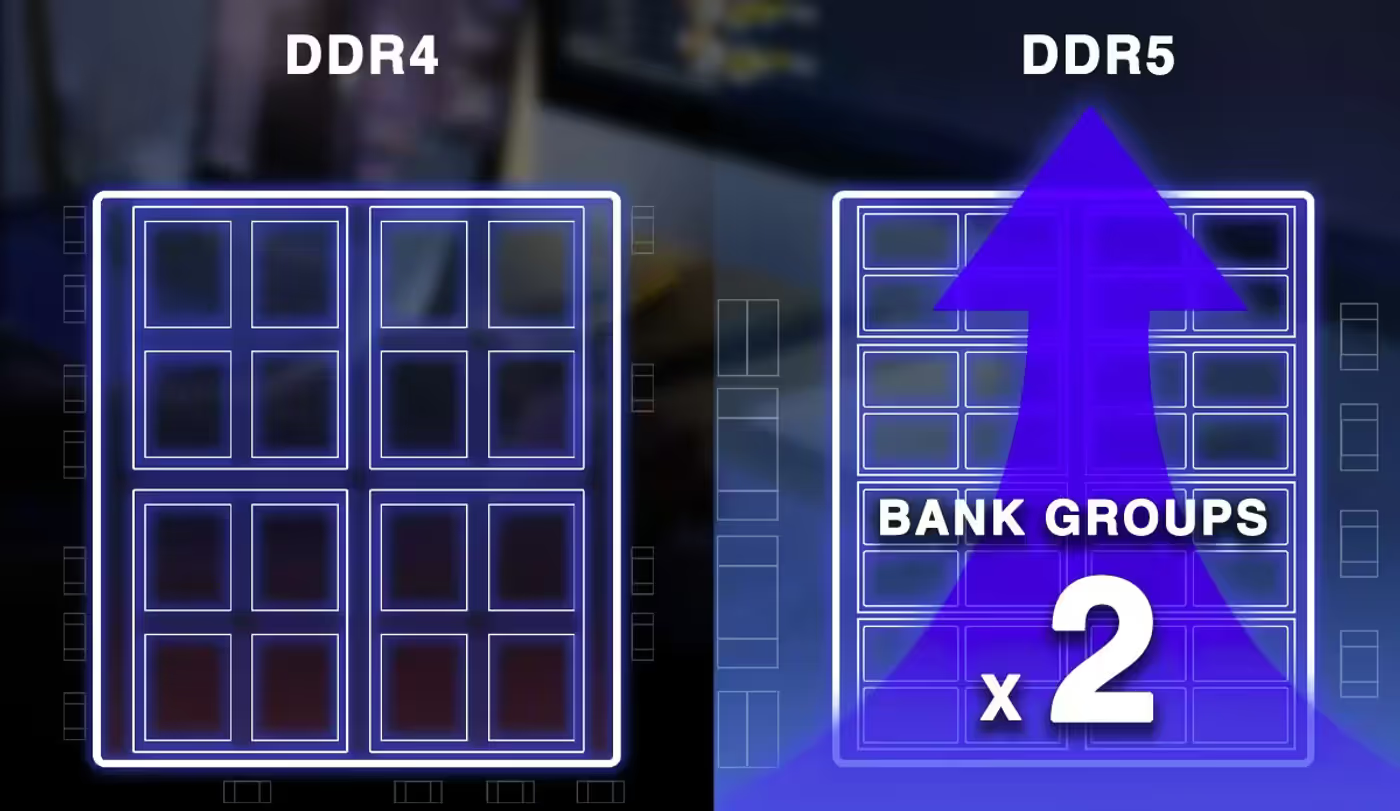
Prefetch Buffers And Burst Lengths Improved
Beyond the extra banks and bank groups, DDR5 upgrades prefetch buffers and burst lengths to move data more efficiently per cycle. Combined with ECC for data integrity, that is what makes the generation suited to performance-driven and enterprise applications rather than only faster on paper.
Prefetch Buffers And Burst Lengths Improved
Beyond the extra banks and bank groups, DDR5 upgrades prefetch buffers and burst lengths to move data more efficiently per cycle. Combined with ECC for data integrity, that is what makes the generation suited to performance-driven and enterprise applications rather than only faster on paper.
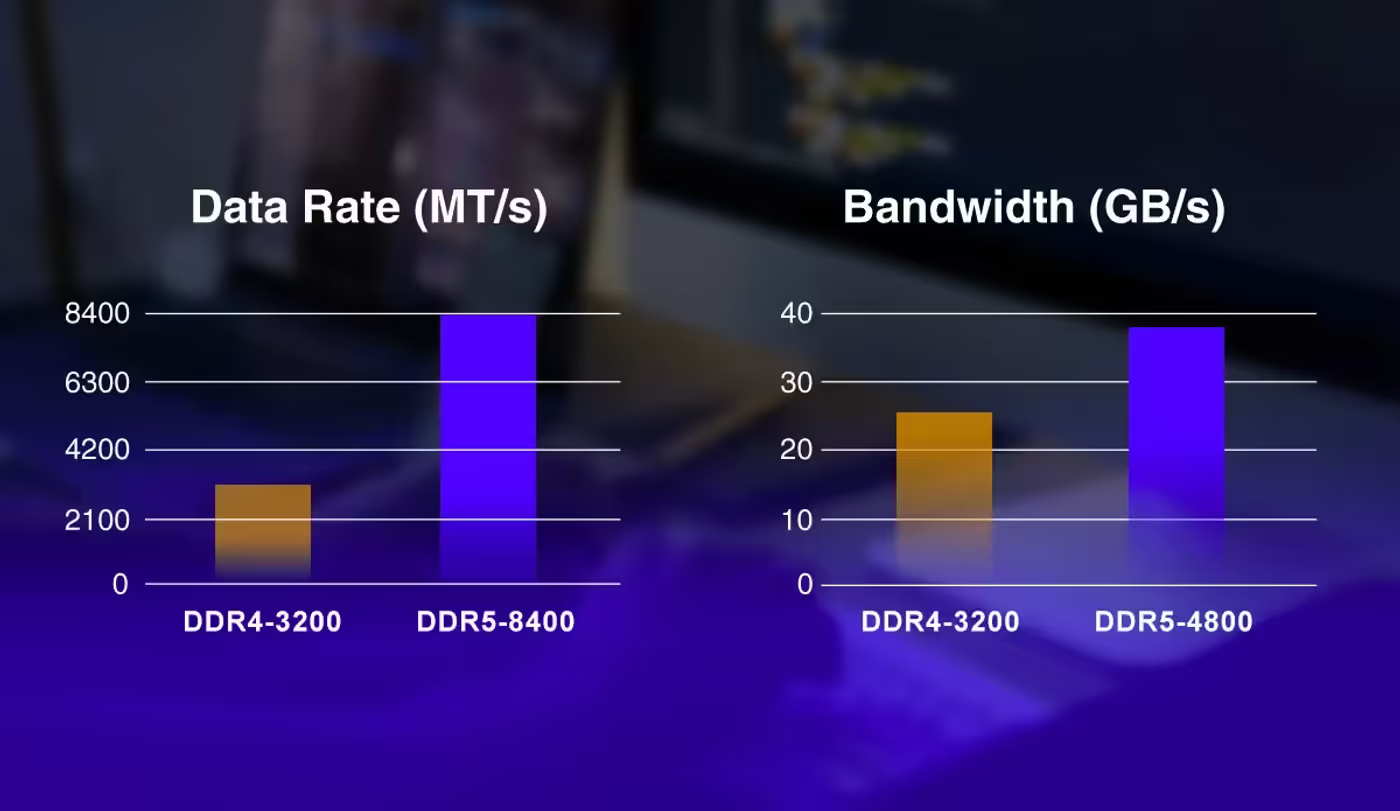
About 50% Faster Than DDR4-3200
In ADATA's generation comparison, DDR5 reaches 4800MHz with bandwidth of 38.4GB/s, roughly 50% faster than DDR4-3200. This Premier module is specified above that comparison point at 5600MHz, so the bandwidth advantage over a DDR4-3200 system is larger again in gaming, content creation and server work.
About 50% Faster Than DDR4-3200
In ADATA's generation comparison, DDR5 reaches 4800MHz with bandwidth of 38.4GB/s, roughly 50% faster than DDR4-3200. This Premier module is specified above that comparison point at 5600MHz, so the bandwidth advantage over a DDR4-3200 system is larger again in gaming, content creation and server work.
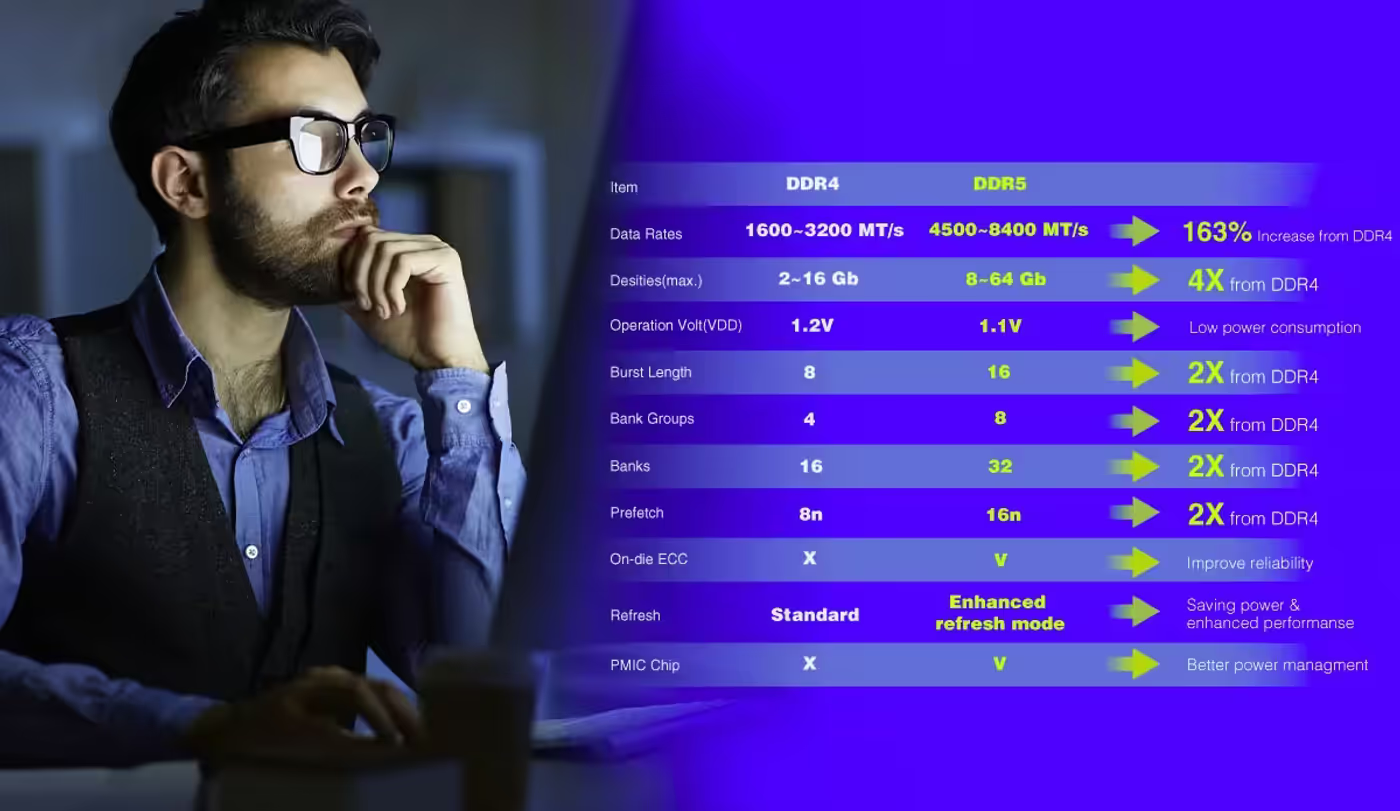
DDR5 Advantages Summarised Against DDR4
Across the specification set, DDR5 brings larger capacities, faster speeds and improved data integrity compared with DDR4. Taken together those are the reasons to fit DDR5 in a modern high-performance system, and they apply to this ADATA Premier module on both AMD and Intel platforms.
DDR5 Advantages Summarised Against DDR4
Across the specification set, DDR5 brings larger capacities, faster speeds and improved data integrity compared with DDR4. Taken together those are the reasons to fit DDR5 in a modern high-performance system, and they apply to this ADATA Premier module on both AMD and Intel platforms.
FAQ
Frequently Asked Questions
Everything you need to know about this product
It operates at 5600MHz as a DDR5-5600 U-DIMM module.
It is a single 16GB module, supplied as 16GB x 1.
It runs at 1.1V, which makes it 8% more power-efficient than DDR4 memory.
Yes, the ADATA Premier DDR5 module supports both AMD and Intel platforms.
The built-in PMIC regulates power on the module itself for a stable supply and better reliability.
It features on-die error correcting code, which detects and corrects memory errors in real time.
No. DDR5 and DDR4 share a footprint and pin count but the notch sits in a different position, so the module only fits a DDR5 slot.
ADATA's comparison puts DDR5 at 4800MHz and 38.4GB/s, about 50% faster than DDR4-3200, with this module specified higher at 5600MHz.
The part number for this module is AD5U560016G-B.
DDR5 adds bank groups and banks, which effectively doubles the capacity available compared with DDR4.
It is aimed at gaming, video editing, content creation and heavy multitasking on modern desktop systems.

AI-Generated Content:These FAQs are generated by an automated AI system and may contain inaccuracies or omissions. Evetech makes no warranties, express or implied, regarding their completeness or reliability. For definitive information, please refer to the manufacturer's official specifications.
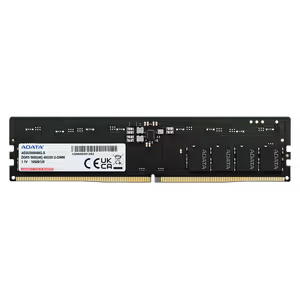
Please Note: Product images are for illustrative purposes only and may differ from the actual product.
Choose your
own PC
Hand-pick every part with live stock, compatibility, and instant pricing.
Try the new builderPrice Inc. Vat
R 4,099
Save R 400
ListR 4,499
4099Free Delivery
Qty:
In Stock with Evetech
Choose your
own PC
Hand-pick every part with live stock, compatibility, and instant pricing.
Try the new builderADATA Premier 16GB (16GB x 1) 5600MHz DDR5 Desktop Memory