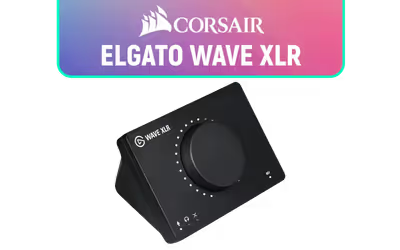
Corsair Elgato Wave XLR
Corsair Elgato Wave XLR / Gives your Mic Superpowers / Anti-distortion Technology / Compact USB Interface / Conventional Audio Interfaces / Anti-distortion Technology / 10MAG9901 / 10MAG9901
2 Years Local Warranty
Model No : CORSAIR 10MAG9901
Price Inc. Vat
R 1,999
Save R 2,000.00
ListR 3,999
1999Change Quantity:
In Stock with Evetech
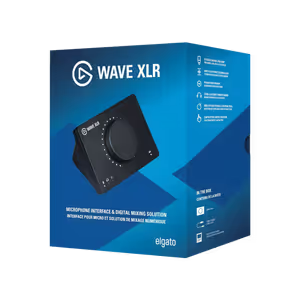
Corsair Elgato Wave XLR USB XLR Interface with Anti-distortion
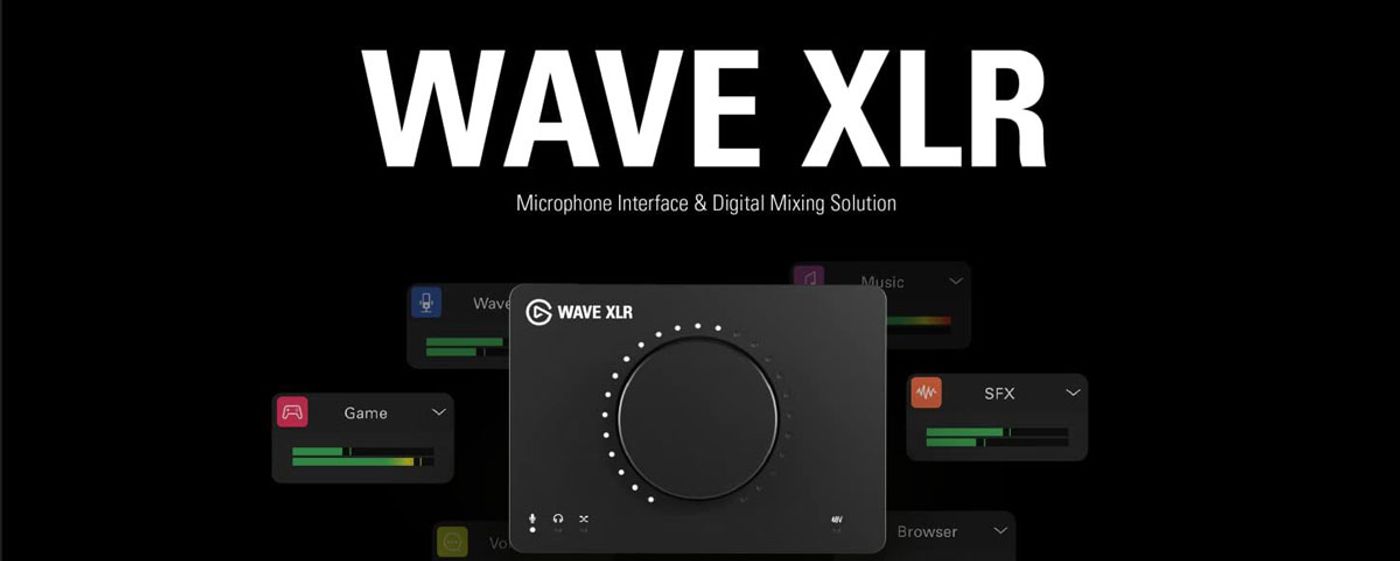
Compact USB Interface That Connects An XLR Mic
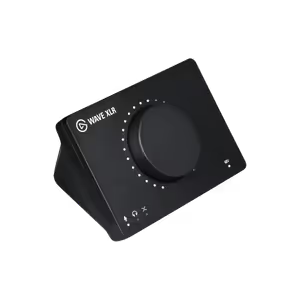
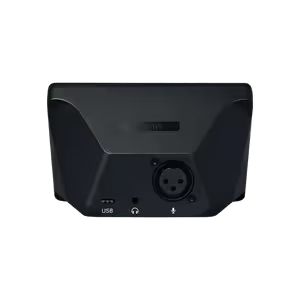
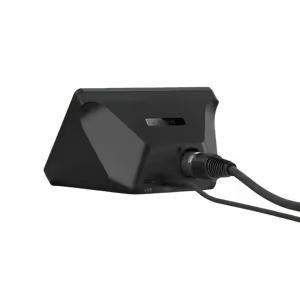
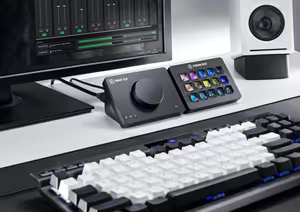
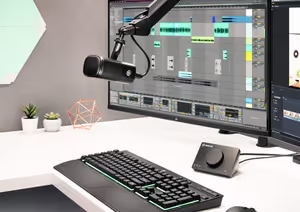
The Corsair Elgato Wave XLR is an audio interface that connects an XLR microphone to your computer over USB, with anti-distortion technology keeping your voice clean when a stream or recording gets loud. It sits on the desk rather than in a rack, needs no complex configuration, and you plug the microphone in and start working straight away.
Compact USB Interface That Connects An XLR Mic
The Corsair Elgato Wave XLR is an audio interface that connects an XLR microphone to your computer over USB, with anti-distortion technology keeping your voice clean when a stream or recording gets loud. It sits on the desk rather than in a rack, needs no complex configuration, and you plug the microphone in and start working straight away.
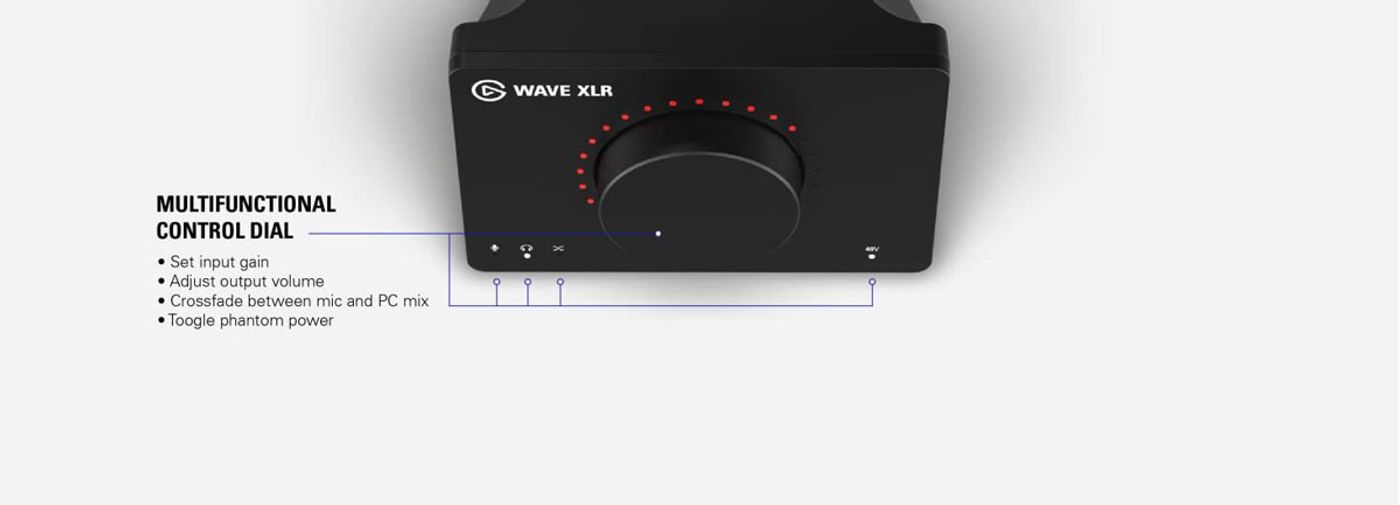
Replaces Several Devices In One Enclosure
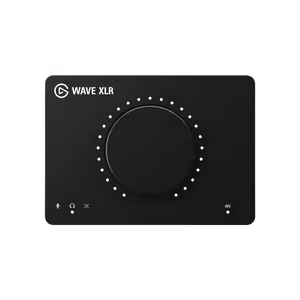
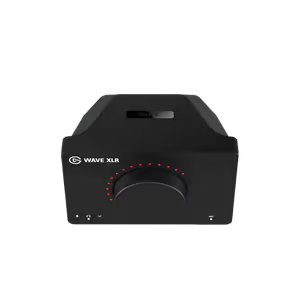
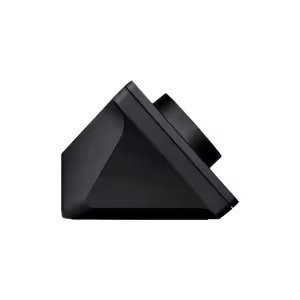
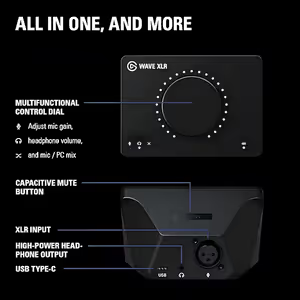
The Wave XLR takes on jobs that would usually need separate boxes: proprietary anti-distortion technology, a capacitive mute button you tap on the top plate, integration with the custom Wave Link mixing software, and an interchangeable faceplate so the unit matches the rest of your desk. One device does the work of the stack it replaces.
Replaces Several Devices In One Enclosure
The Wave XLR takes on jobs that would usually need separate boxes: proprietary anti-distortion technology, a capacitive mute button you tap on the top plate, integration with the custom Wave Link mixing software, and an interchangeable faceplate so the unit matches the rest of your desk. One device does the work of the stack it replaces.
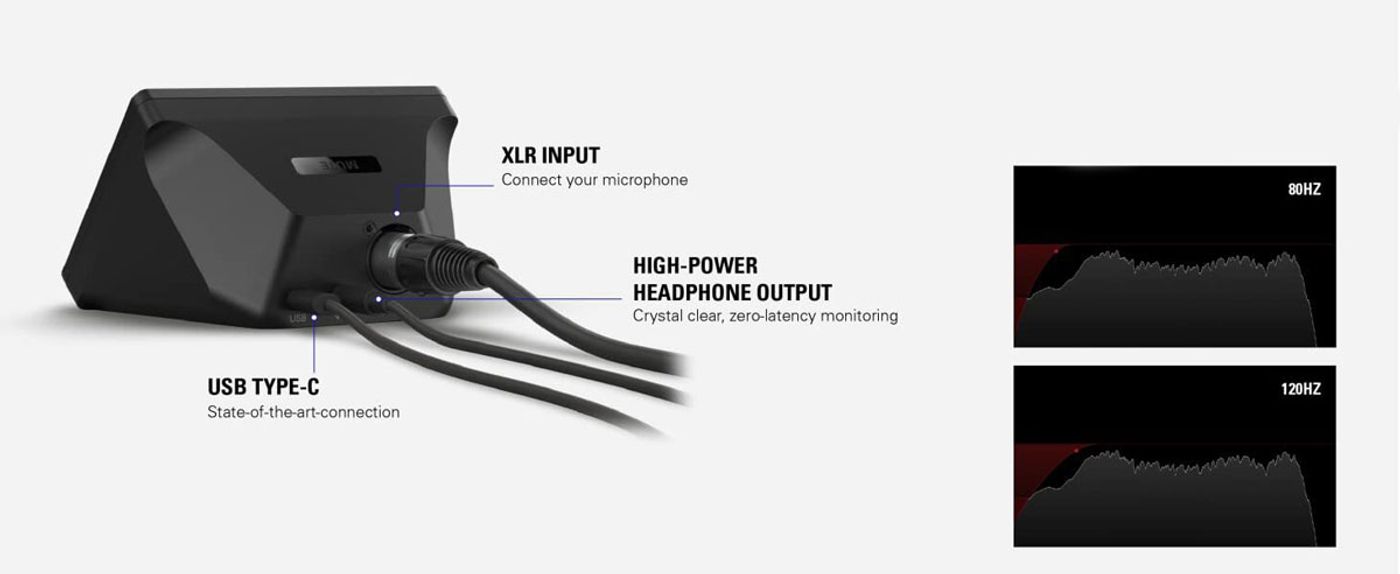
Dual Selectable Low-Cut Filters On Board
Two selectable low-cut filters are built into the Wave XLR to strip out low frequencies before they reach the recording. Having a choice of two matters because the amount of low-end rumble a microphone picks up changes with distance, so one filter suits close placement and the other suits a microphone set further back.
Dual Selectable Low-Cut Filters On Board
Two selectable low-cut filters are built into the Wave XLR to strip out low frequencies before they reach the recording. Having a choice of two matters because the amount of low-end rumble a microphone picks up changes with distance, so one filter suits close placement and the other suits a microphone set further back.
75dB Of Gain And 48V Phantom Power
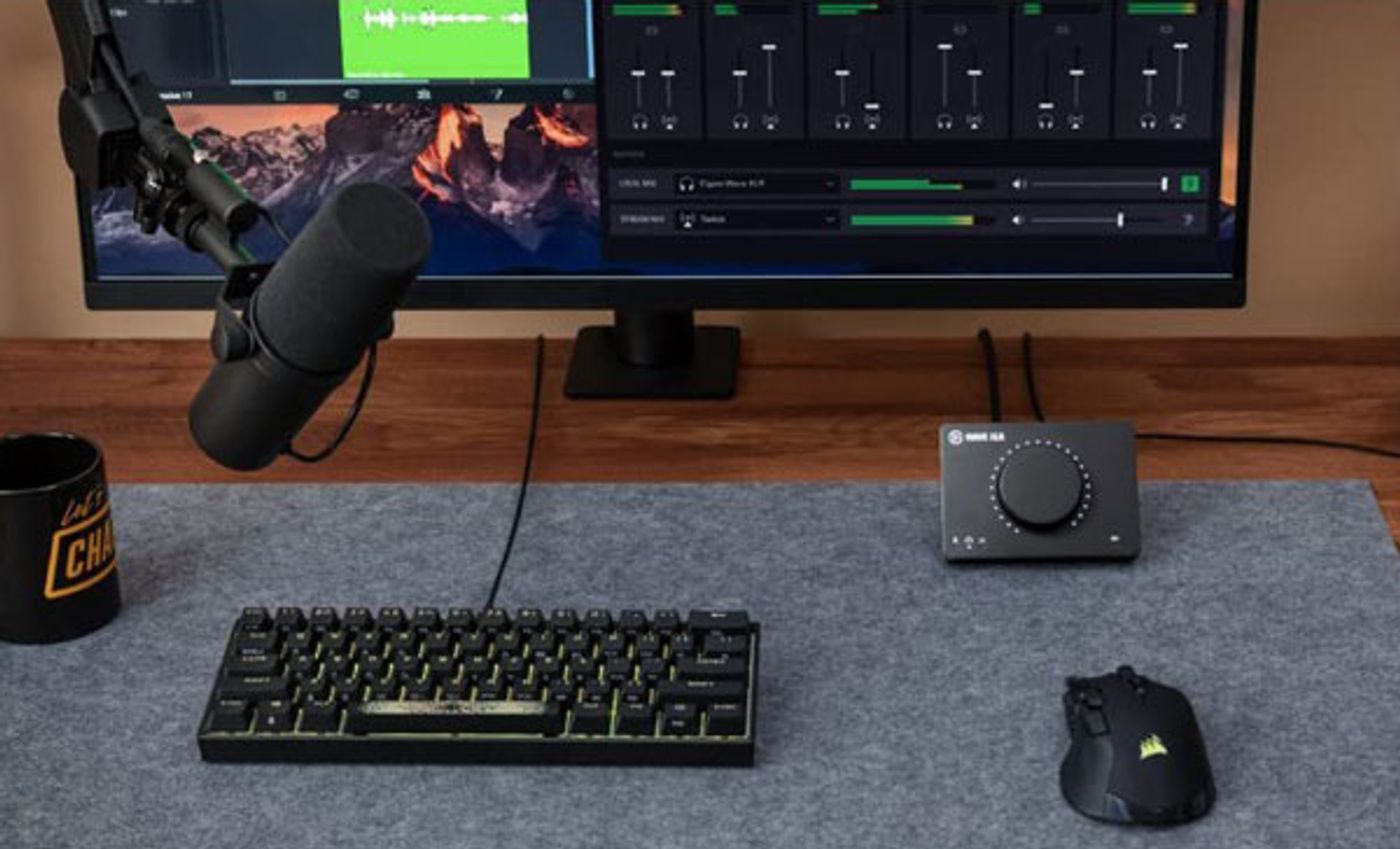
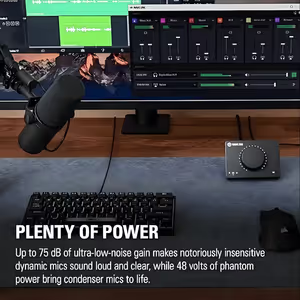
The Wave XLR supplies up to 75dB of ultra-low-noise gain, which is enough to drive even demanding dynamic microphones without an external preamp in the chain. It also delivers 48 volts of phantom power, so condenser microphones that need their own supply run directly from the interface with nothing else on the desk.
75dB Of Gain And 48V Phantom Power
The Wave XLR supplies up to 75dB of ultra-low-noise gain, which is enough to drive even demanding dynamic microphones without an external preamp in the chain. It also delivers 48 volts of phantom power, so condenser microphones that need their own supply run directly from the interface with nothing else on the desk.
Clipguard Reroutes Peaks Through A Second Path
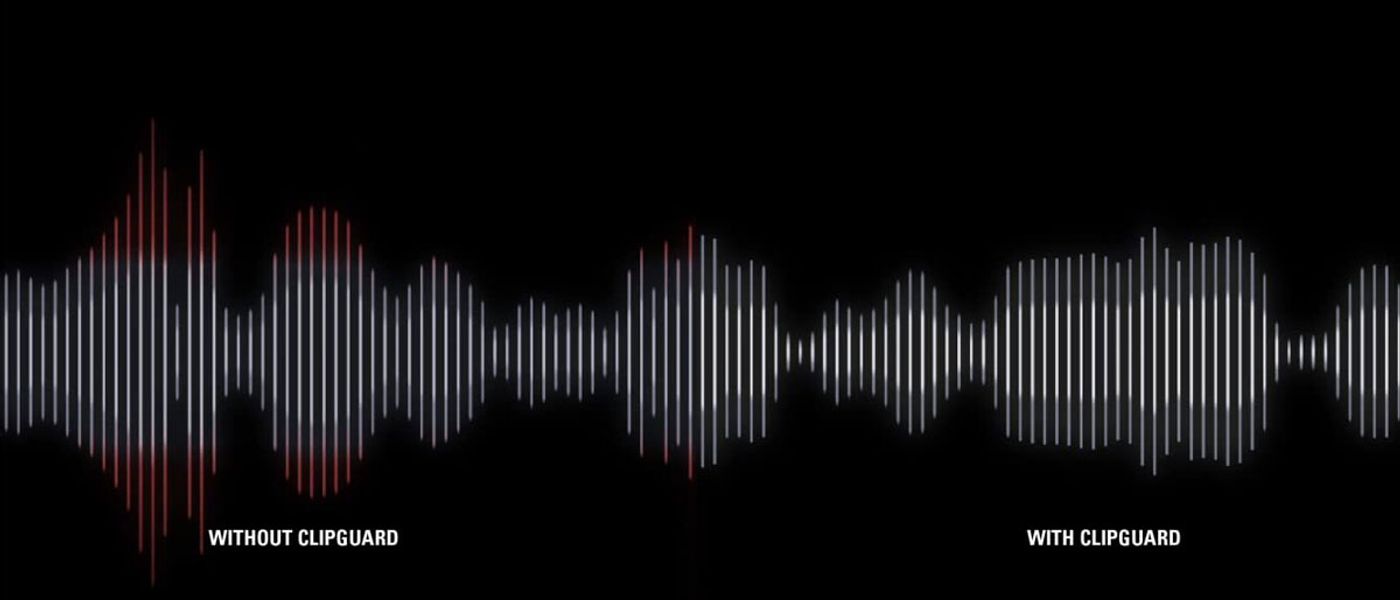
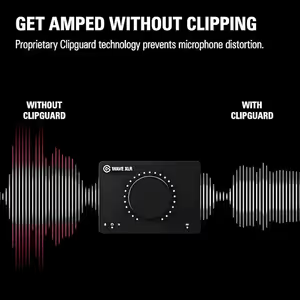
When your input level peaks, Clipguard technology sends the signal down a secondary pathway held at a lower volume instead of letting it clip. The audio stays clear no matter how loud the moment gets, which is the difference between a shout landing as a shout and landing as an unusable distorted spike.
Clipguard Reroutes Peaks Through A Second Path
When your input level peaks, Clipguard technology sends the signal down a secondary pathway held at a lower volume instead of letting it clip. The audio stays clear no matter how loud the moment gets, which is the difference between a shout landing as a shout and landing as an unusable distorted spike.
Wave Link Builds Two Independent Output Mixes
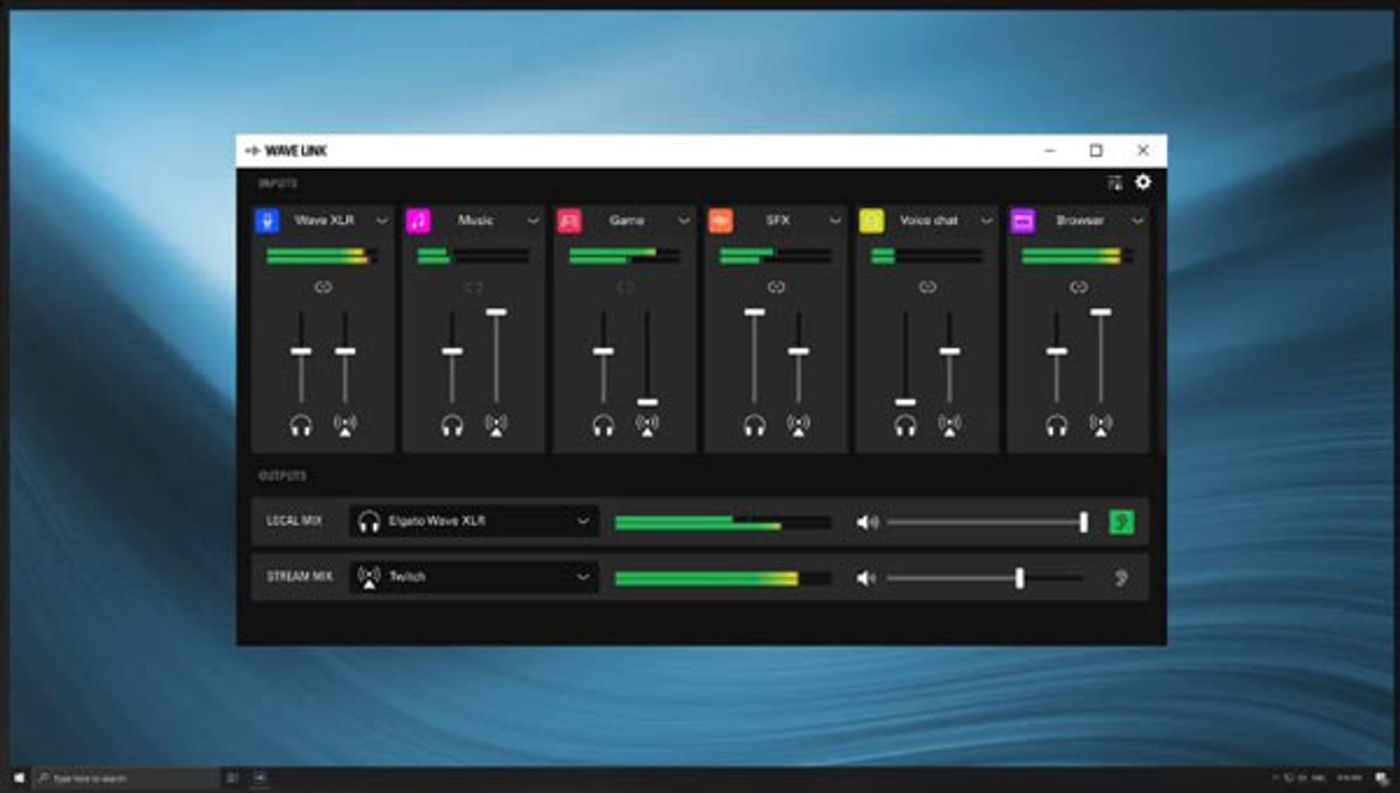
Wave Link software gives each source its own input channel, so game audio, voice chat, music, alerts and microphones mix in real time. You can build two completely independent output mixes, one for you and one for your audience, and monitor both at once. Stream Deck integrates with Wave Link for hardware control. Multiple Wave microphones are currently unsupported.
Wave Link Builds Two Independent Output Mixes
Wave Link software gives each source its own input channel, so game audio, voice chat, music, alerts and microphones mix in real time. You can build two completely independent output mixes, one for you and one for your audience, and monitor both at once. Stream Deck integrates with Wave Link for hardware control. Multiple Wave microphones are currently unsupported.
FAQ
Frequently Asked Questions
Everything you need to know about this product
It provides up to 75dB of ultra-low-noise gain without needing an external preamp.
Yes. It delivers 48 volts of phantom power for condenser microphones.
Yes. The 75dB of gain is enough to drive even the most sensitive dynamic microphones.
Clipguard technology reroutes peaking audio through a secondary signal pathway held at a lower volume.
Yes. The Wave XLR has a capacitive mute button built into the unit.
Yes. Dual selectable low-cut filters remove low frequencies for both close and distant microphone placements.
It integrates with Wave Link, Elgato's custom mixing software built for content creators.
Yes. Wave Link creates two completely independent output mixes and lets you monitor both at the same time.
Yes. Stream Deck integrates with Wave Link to give you hardware control over your studio.
No. Multiple Wave microphones are currently unsupported.
It is a compact USB interface that connects your microphone to your computer.
Yes. The Wave XLR has an interchangeable faceplate.

AI-Generated Content:These FAQs are generated by an automated AI system and may contain inaccuracies or omissions. Evetech makes no warranties, express or implied, regarding their completeness or reliability. For definitive information, please refer to the manufacturer's official specifications.

Please Note: Product images are for illustrative purposes only and may differ from the actual product.
Choose your
own PC
Hand-pick every part with live stock, compatibility, and instant pricing.
Try the new builderPrice Inc. Vat
R 1,999
Save R 2,000.00
ListR 3,999
1999Change Quantity:
In Stock with Evetech
Choose your
own PC
Hand-pick every part with live stock, compatibility, and instant pricing.
Try the new builderCorsair Elgato Wave XLR