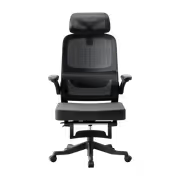
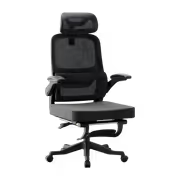
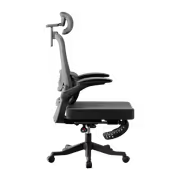
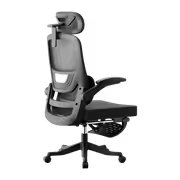
open-box-hbada-p1-pro-office-recliner-chair-145-recline
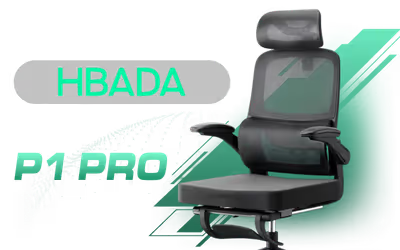
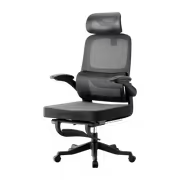
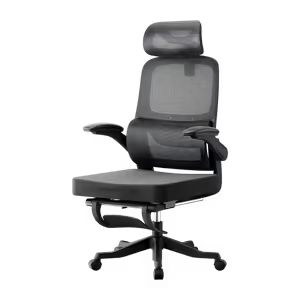
[OPEN BOX] HBADA P1 PRO / Class 4 Gas Lift / 145° Angle Recline / 3D Wide Large Neck Pillow / Upgraded Spinal Support Large Double Back / 8xm Sponge Seat Cushion / Adjustable Headrest / OB-P102BVA
2 Years Local Warranty
Model No : HBADA OB-P102BVA
AVAILABLE ONLY IN STORE
Price Inc. Vat
R 1,799
Save R 1,200
ListR 2,999
1799Limit 1 per customer
Out of Stock
[OPEN BOX] HBADA P1 Pro Office Recliner Chair, 145°
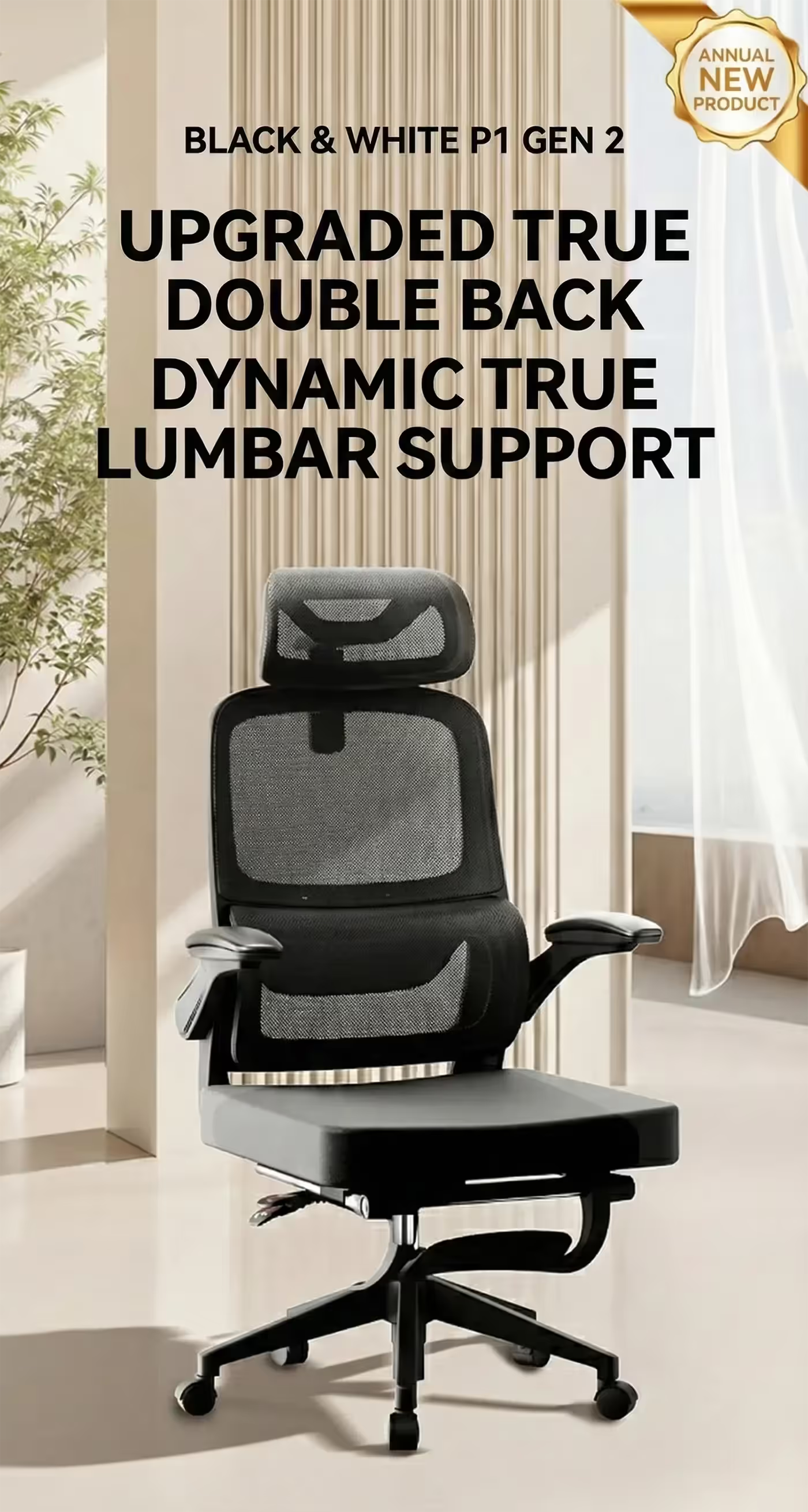
Double-Back Office Chair With Adaptive Lumbar Support
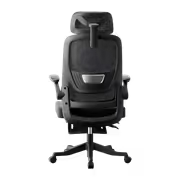
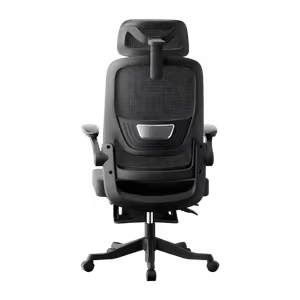
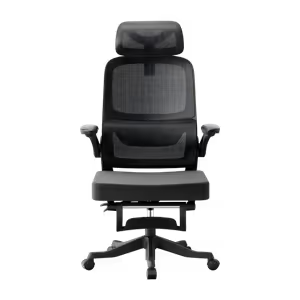
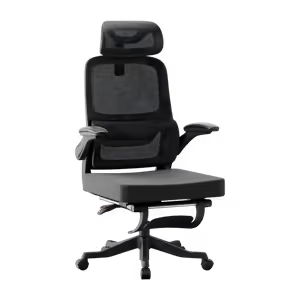
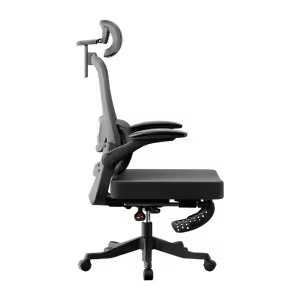
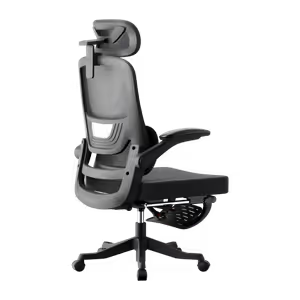
The HBADA P1 Gen 2 is a mesh office chair built around a two-piece backrest that separates upper-back and lumbar support so each moves on its own. The lumbar section tracks through 40 degrees as you shift position. It carries a 3D adjustable headrest, linked flip-up armrests and a 145-degree recline.
Double-Back Office Chair With Adaptive Lumbar Support
The HBADA P1 Gen 2 is a mesh office chair built around a two-piece backrest that separates upper-back and lumbar support so each moves on its own. The lumbar section tracks through 40 degrees as you shift position. It carries a 3D adjustable headrest, linked flip-up armrests and a 145-degree recline.
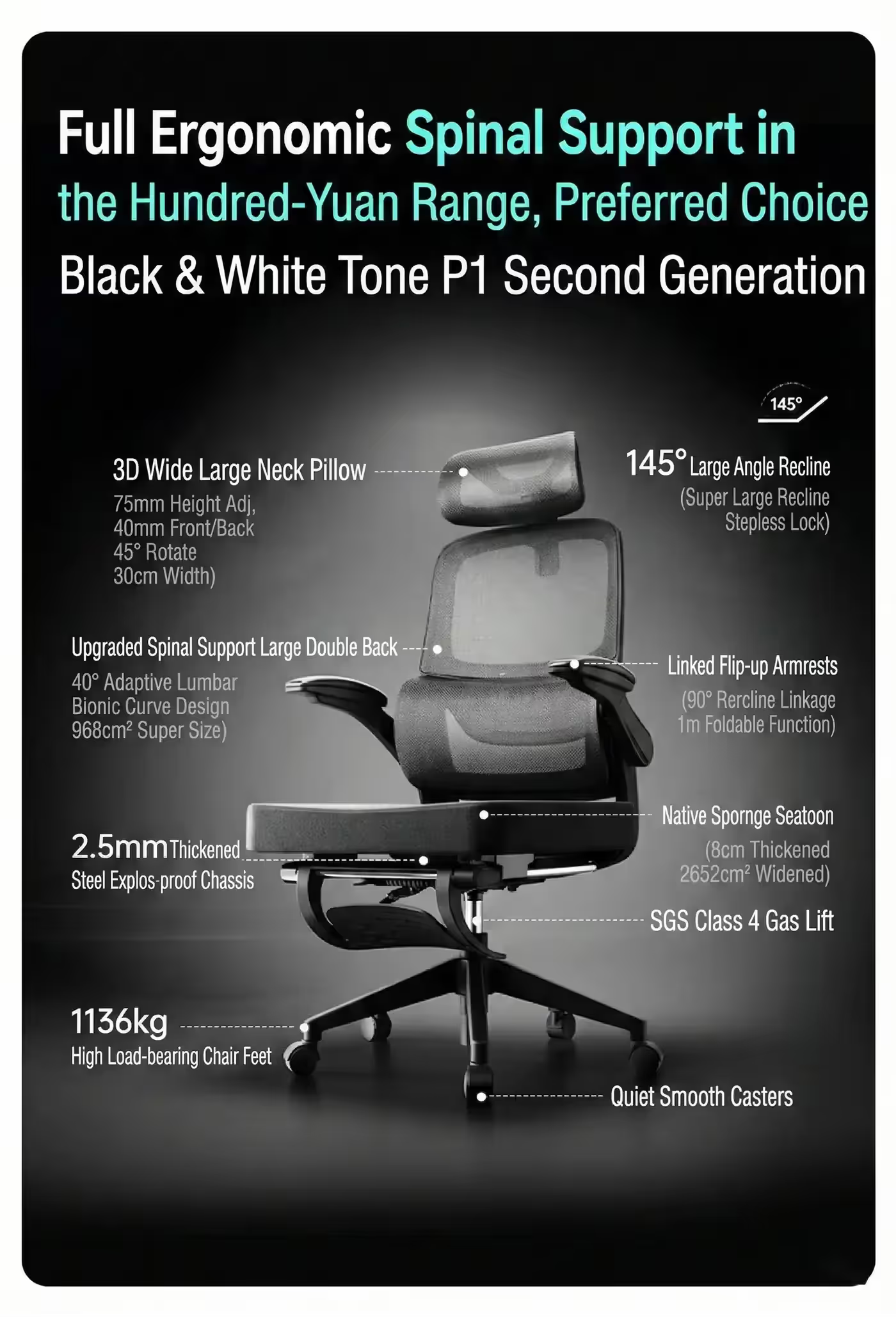
The Full Specification At A Glance
The Gen 2 specification covers a 3D wide neck pillow, a 145-degree recline, the upgraded double back, linked flip-up armrests, a native sponge seat and a 2.5mm thickened steel chassis. It sits on an SGS Class 4 gas lift and a nylon five-star base. Quiet casters finish it.
The Full Specification At A Glance
The Gen 2 specification covers a 3D wide neck pillow, a 145-degree recline, the upgraded double back, linked flip-up armrests, a native sponge seat and a 2.5mm thickened steel chassis. It sits on an SGS Class 4 gas lift and a nylon five-star base. Quiet casters finish it.
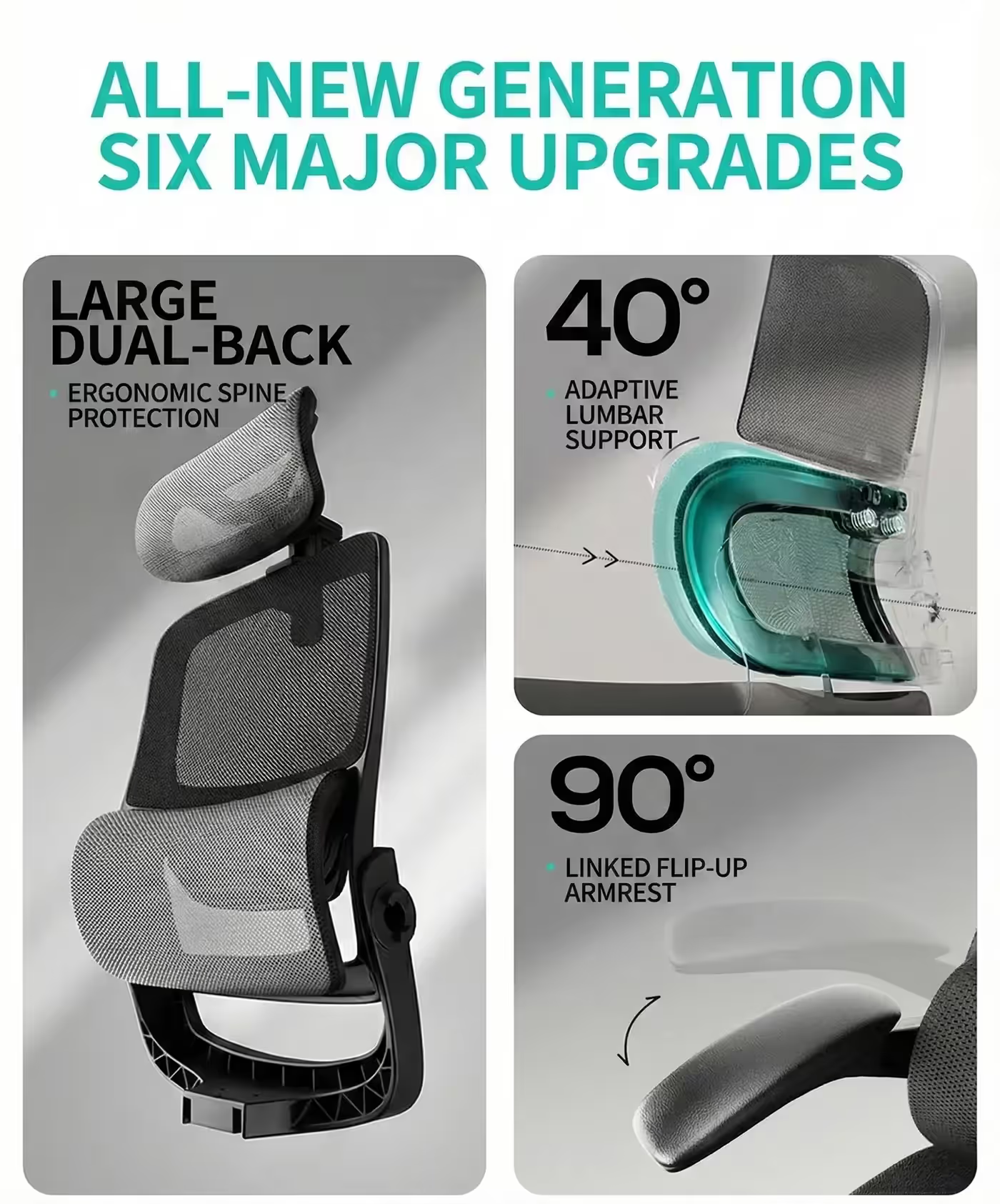
Six Changes Over The First Generation
HBADA lists six upgrades for this generation, among them the large dual-back for spine protection, 40-degree adaptive lumbar support and the 90-degree linked flip-up armrest. The dual-back is the headline change, splitting one panel into two that move separately. The rest refine parts that already existed.
Six Changes Over The First Generation
HBADA lists six upgrades for this generation, among them the large dual-back for spine protection, 40-degree adaptive lumbar support and the 90-degree linked flip-up armrest. The dual-back is the headline change, splitting one panel into two that move separately. The rest refine parts that already existed.
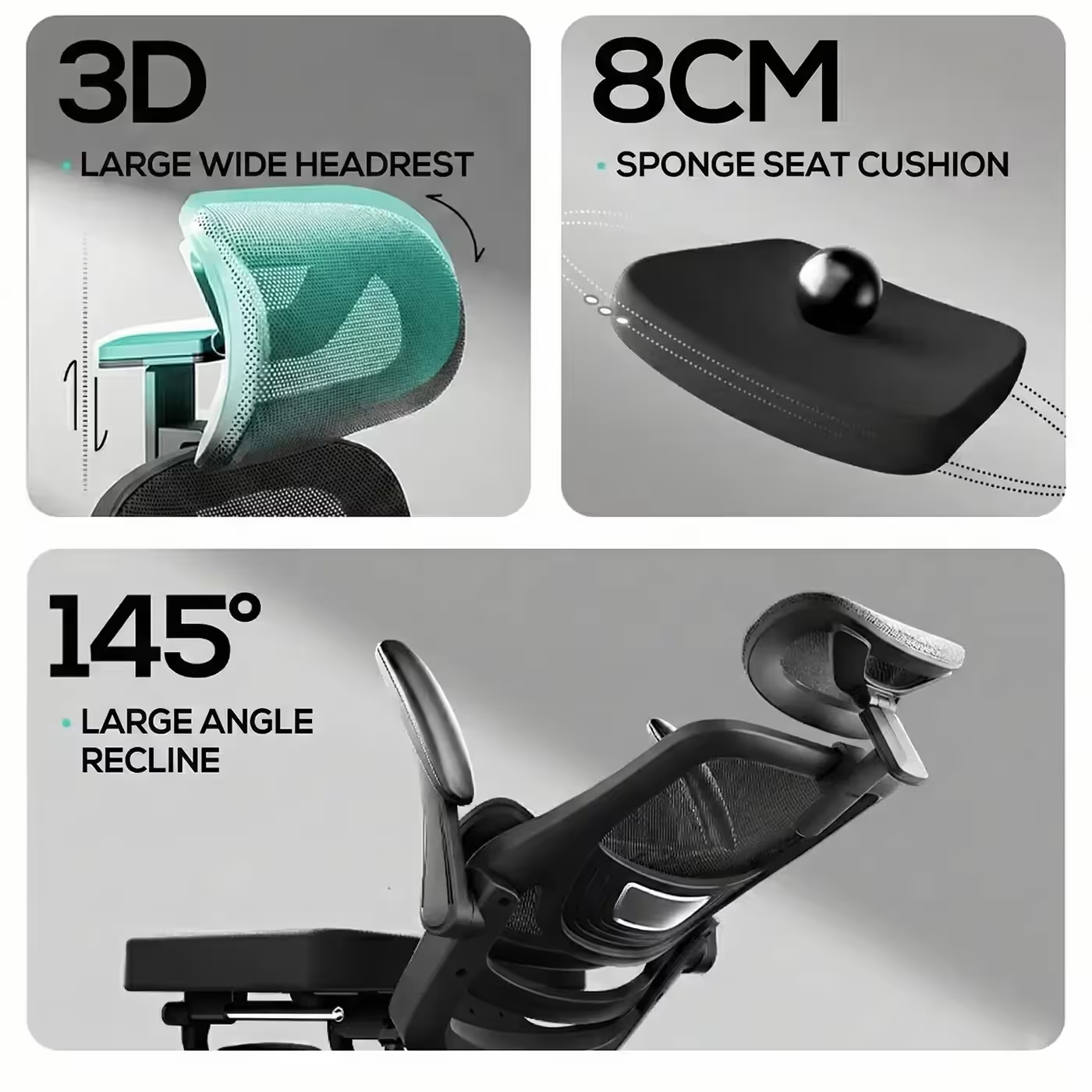
Headrest, Seat And Recline In Three Numbers
Three figures describe most of this chair: a 3D wide headrest, an 8cm sponge seat cushion and a 145-degree recline. The headrest moves in three axes rather than up and down only. The recline range is what separates a chair you work in from one you can rest back in.
Headrest, Seat And Recline In Three Numbers
Three figures describe most of this chair: a 3D wide headrest, an 8cm sponge seat cushion and a 145-degree recline. The headrest moves in three axes rather than up and down only. The recline range is what separates a chair you work in from one you can rest back in.
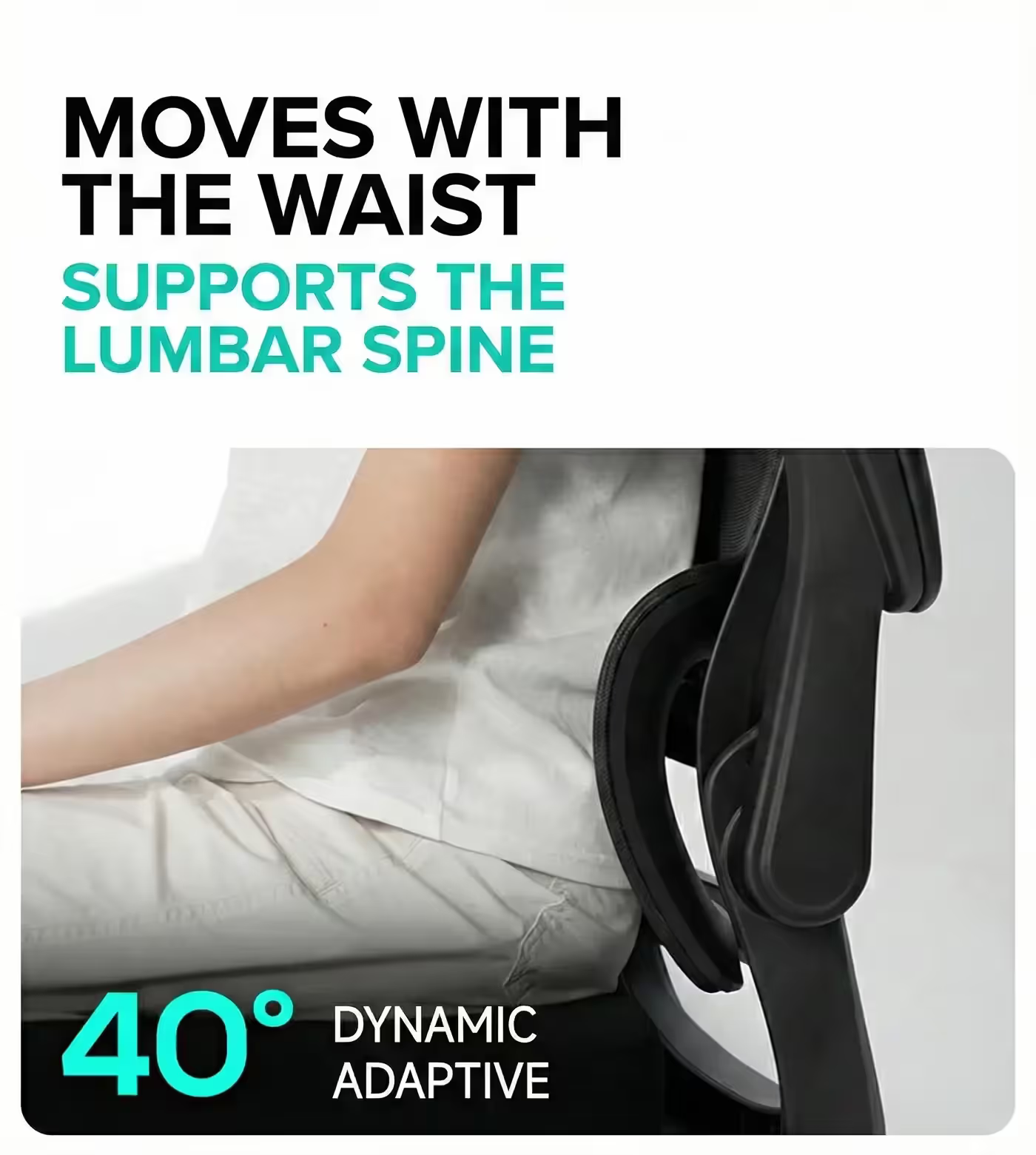
Lumbar Panel Tracks Through 40 Degrees
The lumbar section is mounted to move with the lower back rather than sitting fixed behind it, travelling through 40 degrees. Lean forward to type or back to read and contact is kept rather than lost. This is the dynamic half of the double-back design.
Lumbar Panel Tracks Through 40 Degrees
The lumbar section is mounted to move with the lower back rather than sitting fixed behind it, travelling through 40 degrees. Lean forward to type or back to read and contact is kept rather than lost. This is the dynamic half of the double-back design.
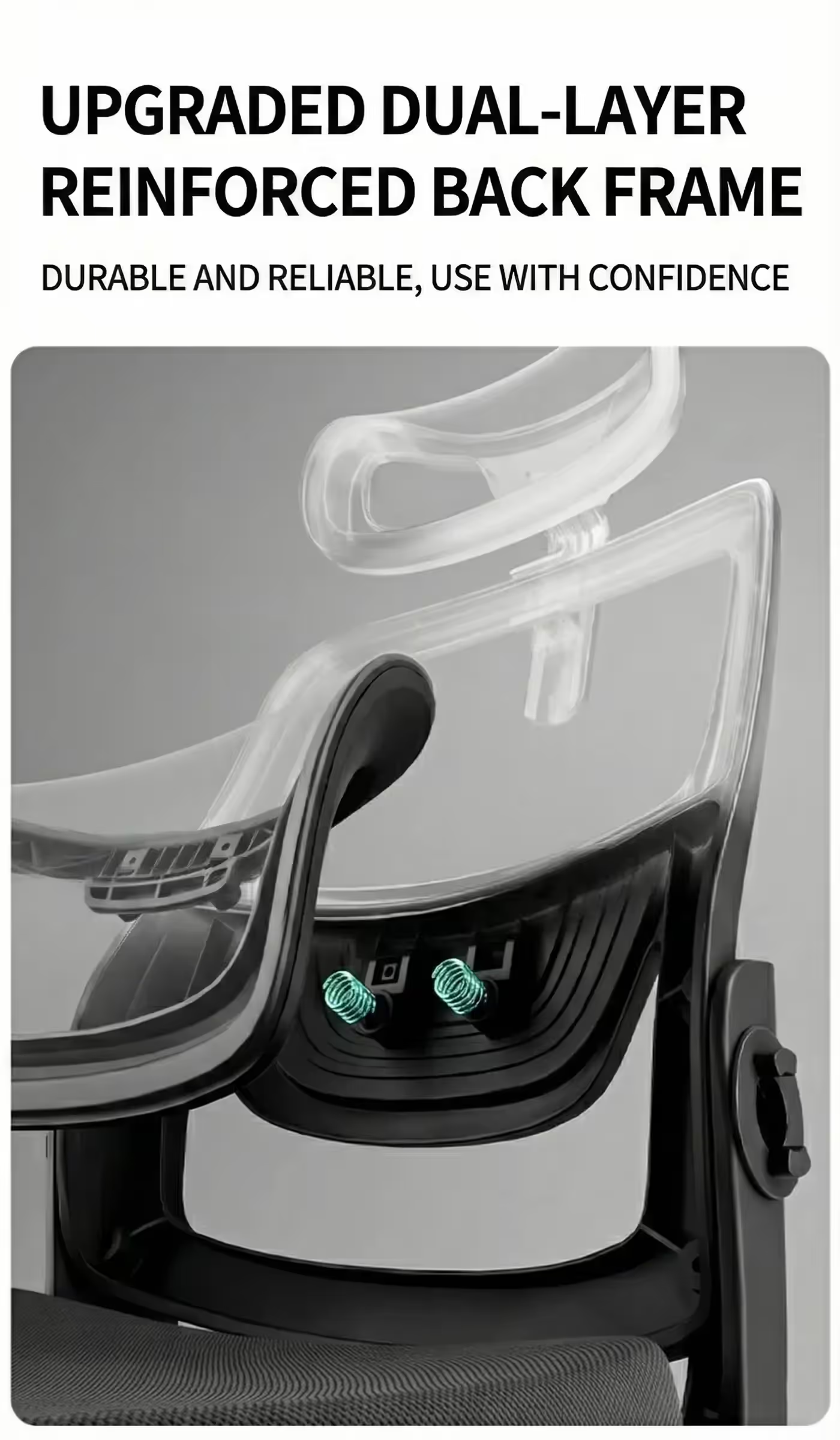
Dual-Layer Reinforced Back Frame
Behind the mesh sits a two-layer frame carrying the load of the backrest and the recline mechanism. Reinforcing it in two layers is what allows a 145-degree recline without flex through the panel. It is the structural part you never see once the chair is built.
Dual-Layer Reinforced Back Frame
Behind the mesh sits a two-layer frame carrying the load of the backrest and the recline mechanism. Reinforcing it in two layers is what allows a 145-degree recline without flex through the panel. It is the structural part you never see once the chair is built.
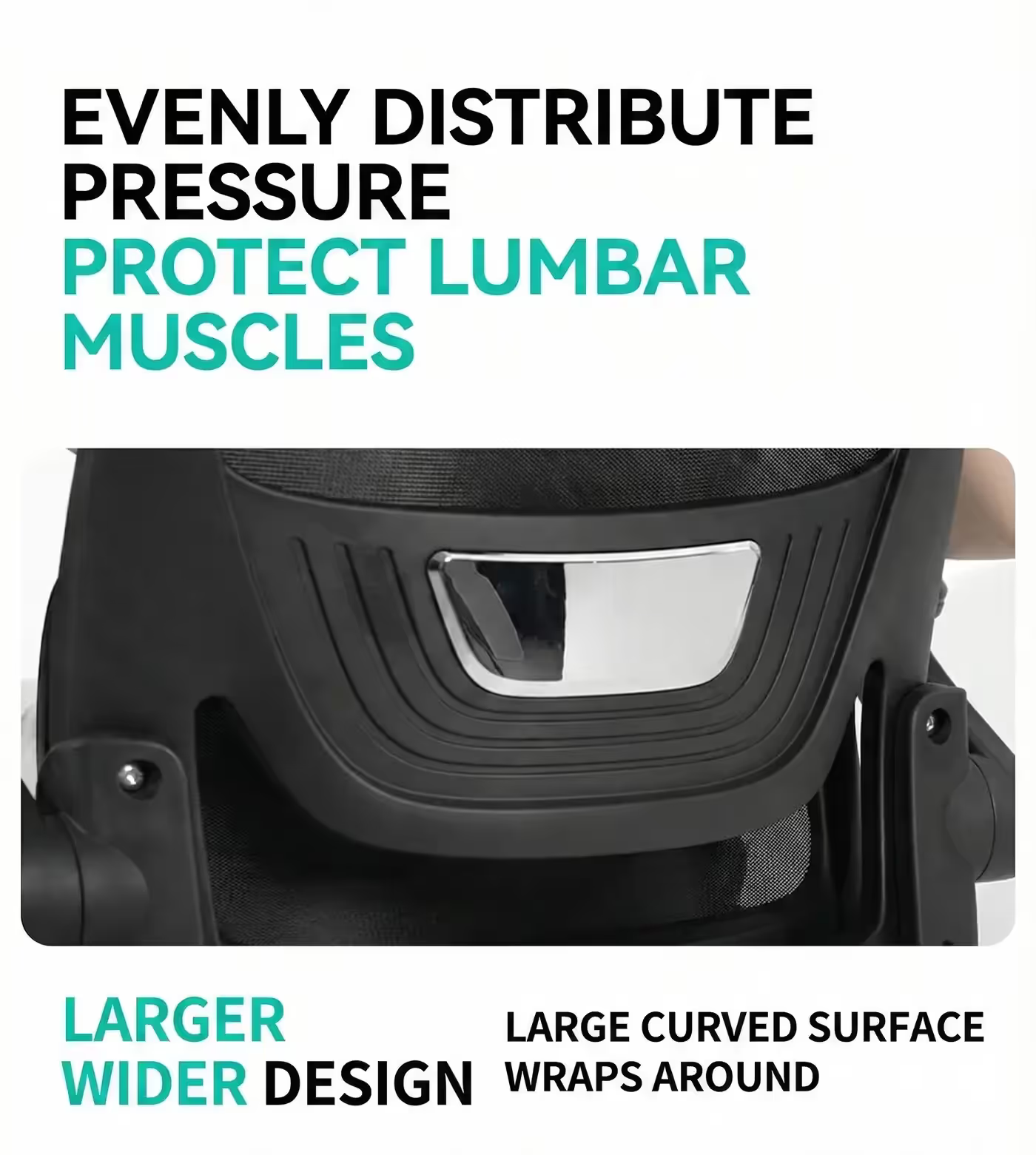
A Wider Back Panel Spreads The Load
The backrest is both larger and more curved than the previous generation, wrapping around the sides rather than meeting the back flat. Spreading contact over a bigger area lowers the pressure at any single point. HBADA gives the back panel an area of 968 square centimetres.
A Wider Back Panel Spreads The Load
The backrest is both larger and more curved than the previous generation, wrapping around the sides rather than meeting the back flat. Spreading contact over a bigger area lowers the pressure at any single point. HBADA gives the back panel an area of 968 square centimetres.
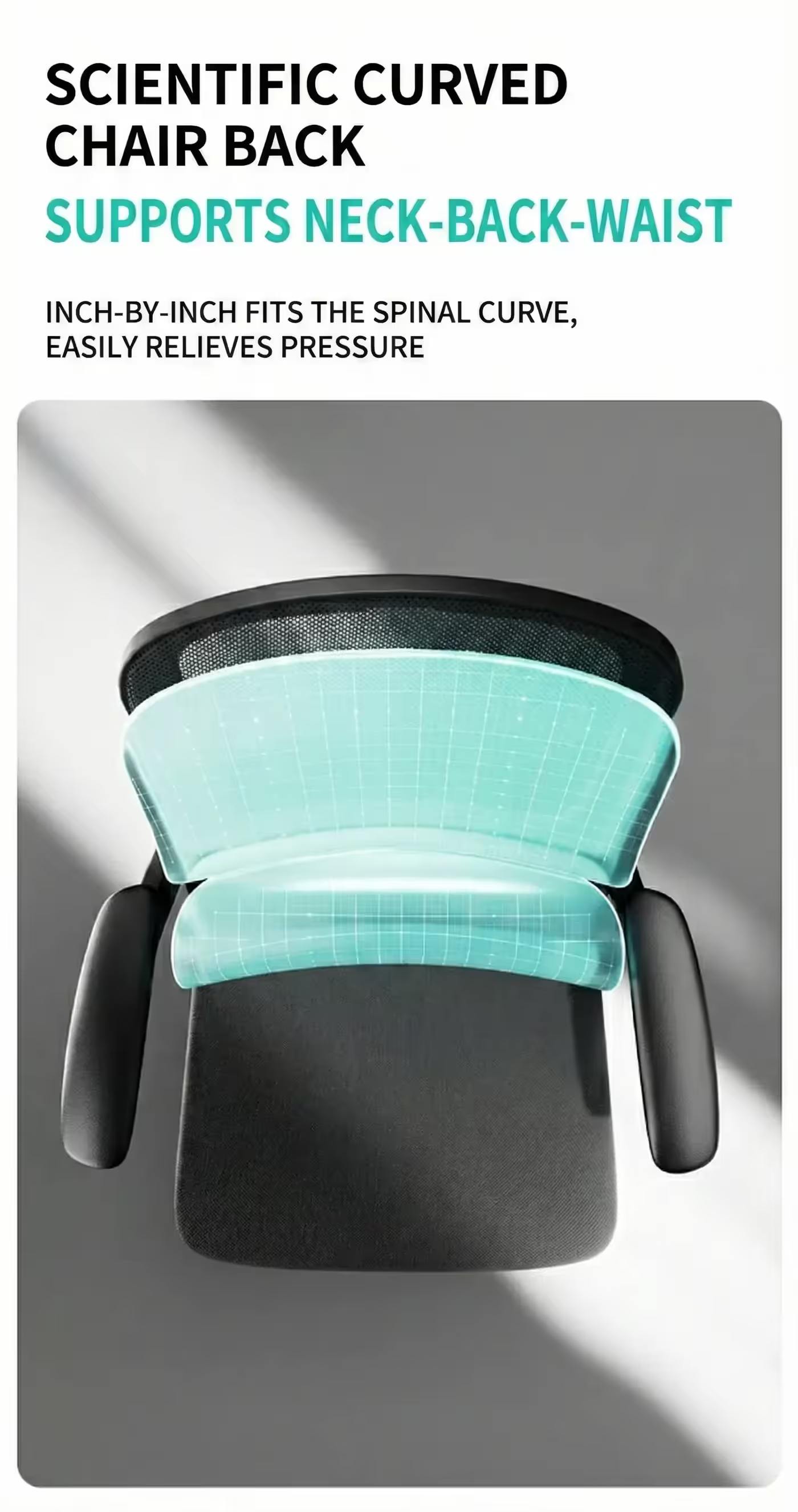
The Curve Follows Neck, Back And Waist
The backrest is shaped to meet three regions in sequence rather than as one flat plane, following the line of the spine. The intent is continuous contact from the neck down to the waist. It is why the panel is curved in two directions instead of one.
The Curve Follows Neck, Back And Waist
The backrest is shaped to meet three regions in sequence rather than as one flat plane, following the line of the spine. The intent is continuous contact from the neck down to the waist. It is why the panel is curved in two directions instead of one.
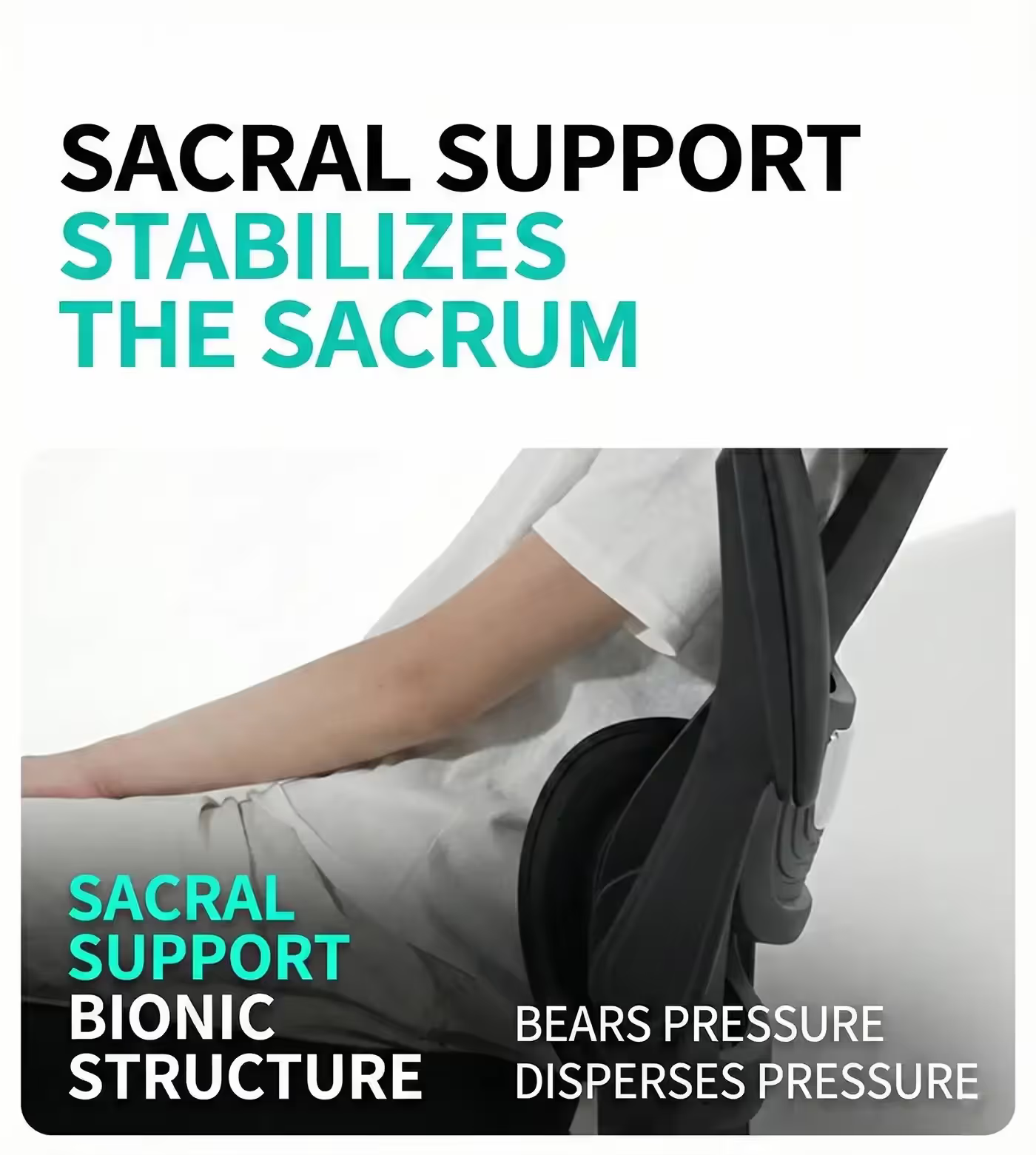
Bionic Structure Supports The Sacrum
The lowest part of the backrest is shaped to meet the sacrum, the wedge of bone at the base of the spine. HBADA calls this a bionic structure, and its job is to spread pressure across that area rather than concentrate it. It is the point most office chairs leave unsupported.
Bionic Structure Supports The Sacrum
The lowest part of the backrest is shaped to meet the sacrum, the wedge of bone at the base of the spine. HBADA calls this a bionic structure, and its job is to spread pressure across that area rather than concentrate it. It is the point most office chairs leave unsupported.
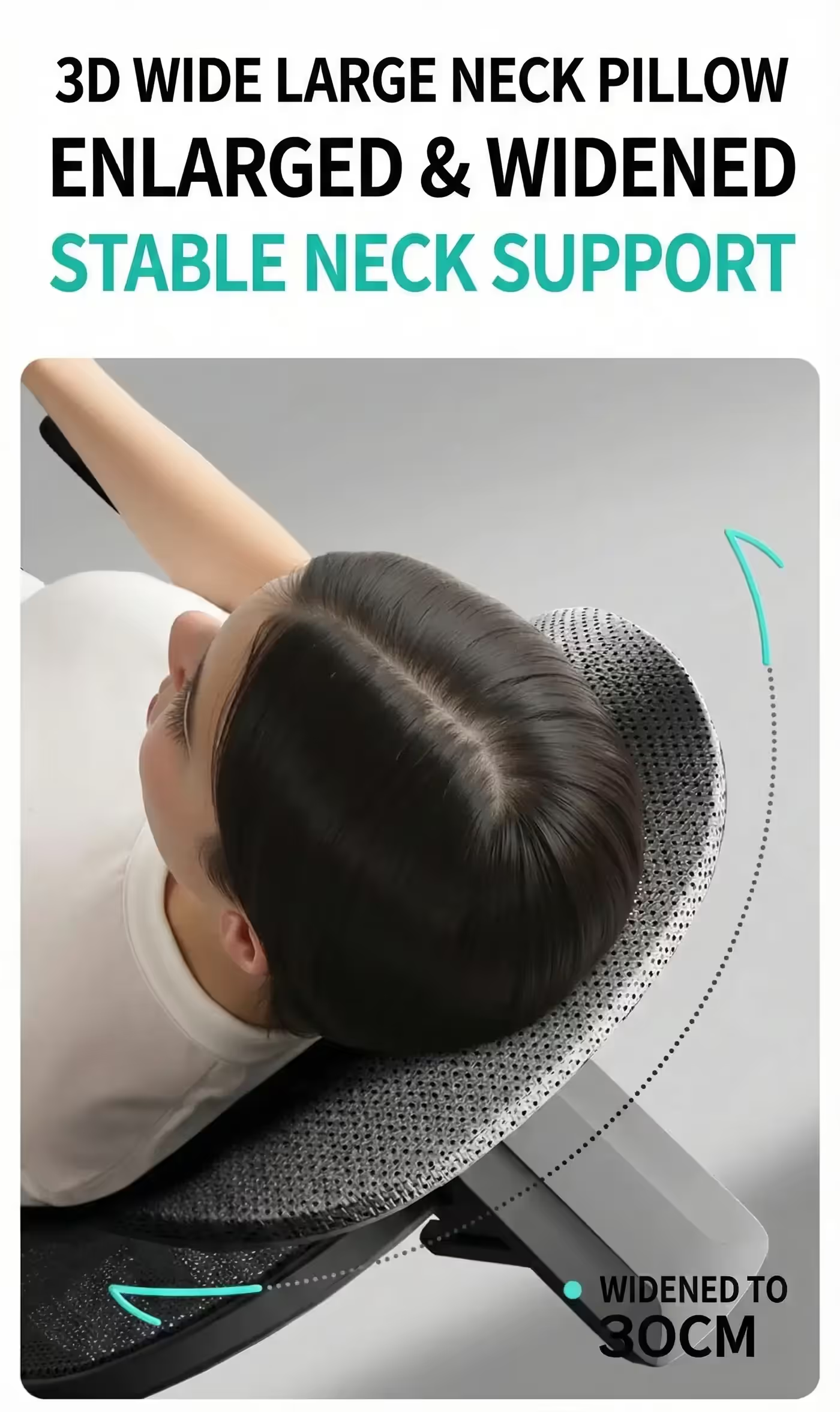
Neck Pillow Widened To 30 Centimetres
The headrest pillow measures 30cm across, wide enough to stay in contact when you turn your head rather than only when facing straight ahead. It is the part of the chair most used during a deep recline. Gen 2 enlarged it over the previous version.
Neck Pillow Widened To 30 Centimetres
The headrest pillow measures 30cm across, wide enough to stay in contact when you turn your head rather than only when facing straight ahead. It is the part of the chair most used during a deep recline. Gen 2 enlarged it over the previous version.
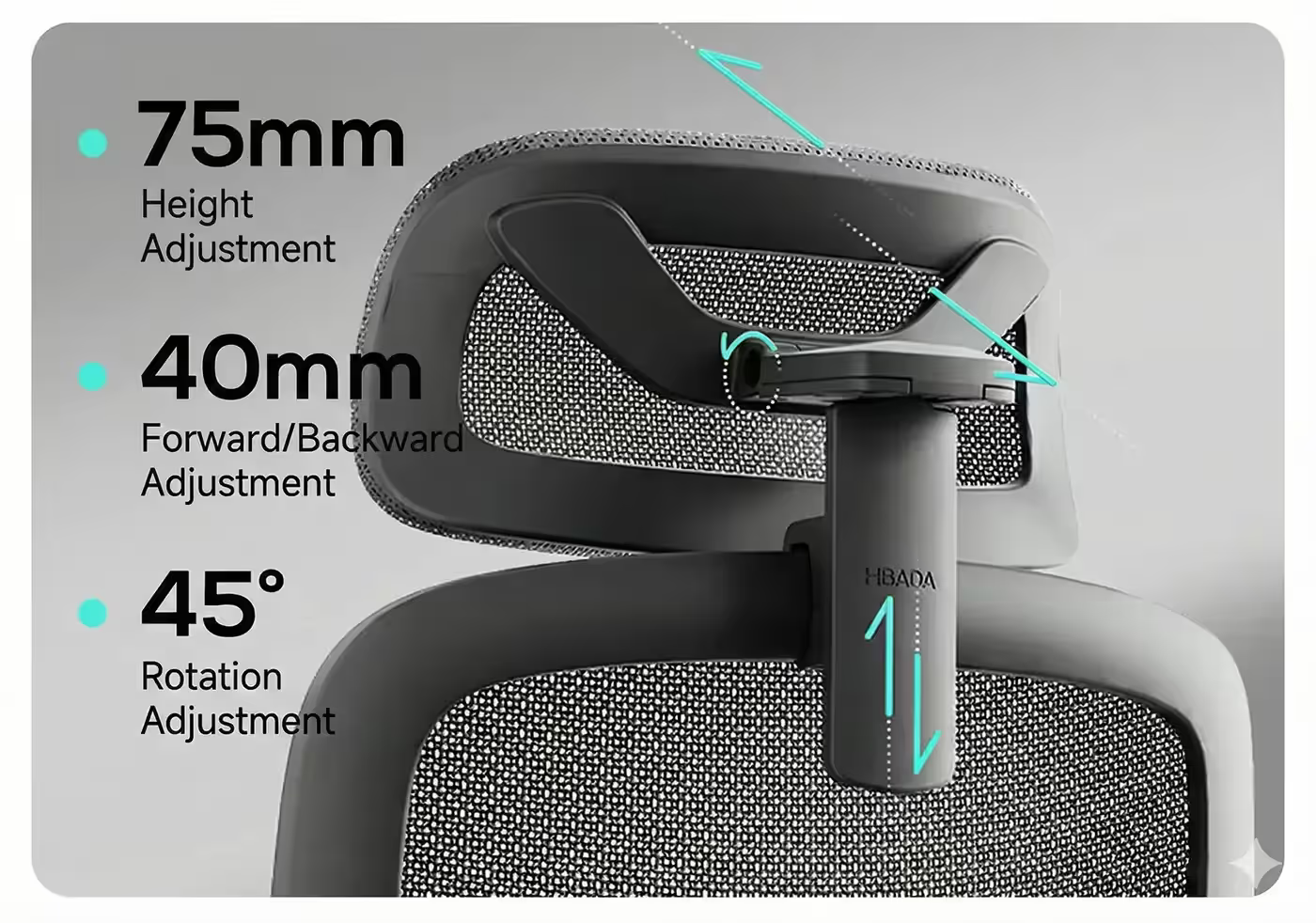
Headrest Adjusts 75mm Up, 40mm Forward, 45 Degrees
The headrest travels 75mm through its height range, 40mm forward and backward, and rotates through 45 degrees. Three axes rather than one is what lets it meet different neck lengths and seated postures. Each adjustment holds where you set it.
Headrest Adjusts 75mm Up, 40mm Forward, 45 Degrees
The headrest travels 75mm through its height range, 40mm forward and backward, and rotates through 45 degrees. Three axes rather than one is what lets it meet different neck lengths and seated postures. Each adjustment holds where you set it.
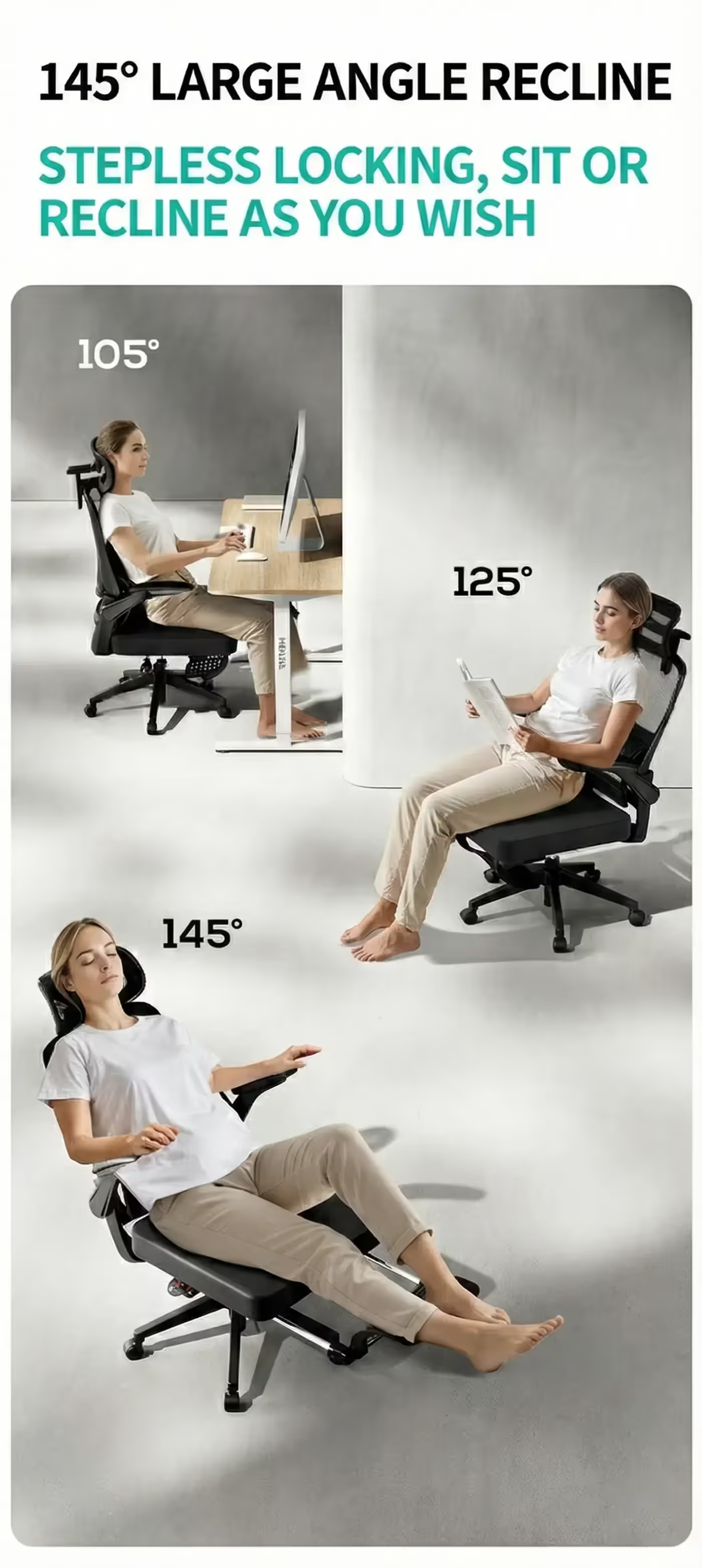
Recline Locks Steplessly Between 105 And 145 Degrees
The backrest tilts from an upright 105 degrees through 125 to a full 145 degrees, and the lock is stepless rather than notched. It holds wherever you stop instead of snapping to a preset. At 145 degrees the chair is far enough back to rest in properly.
Recline Locks Steplessly Between 105 And 145 Degrees
The backrest tilts from an upright 105 degrees through 125 to a full 145 degrees, and the lock is stepless rather than notched. It holds wherever you stop instead of snapping to a preset. At 145 degrees the chair is far enough back to rest in properly.
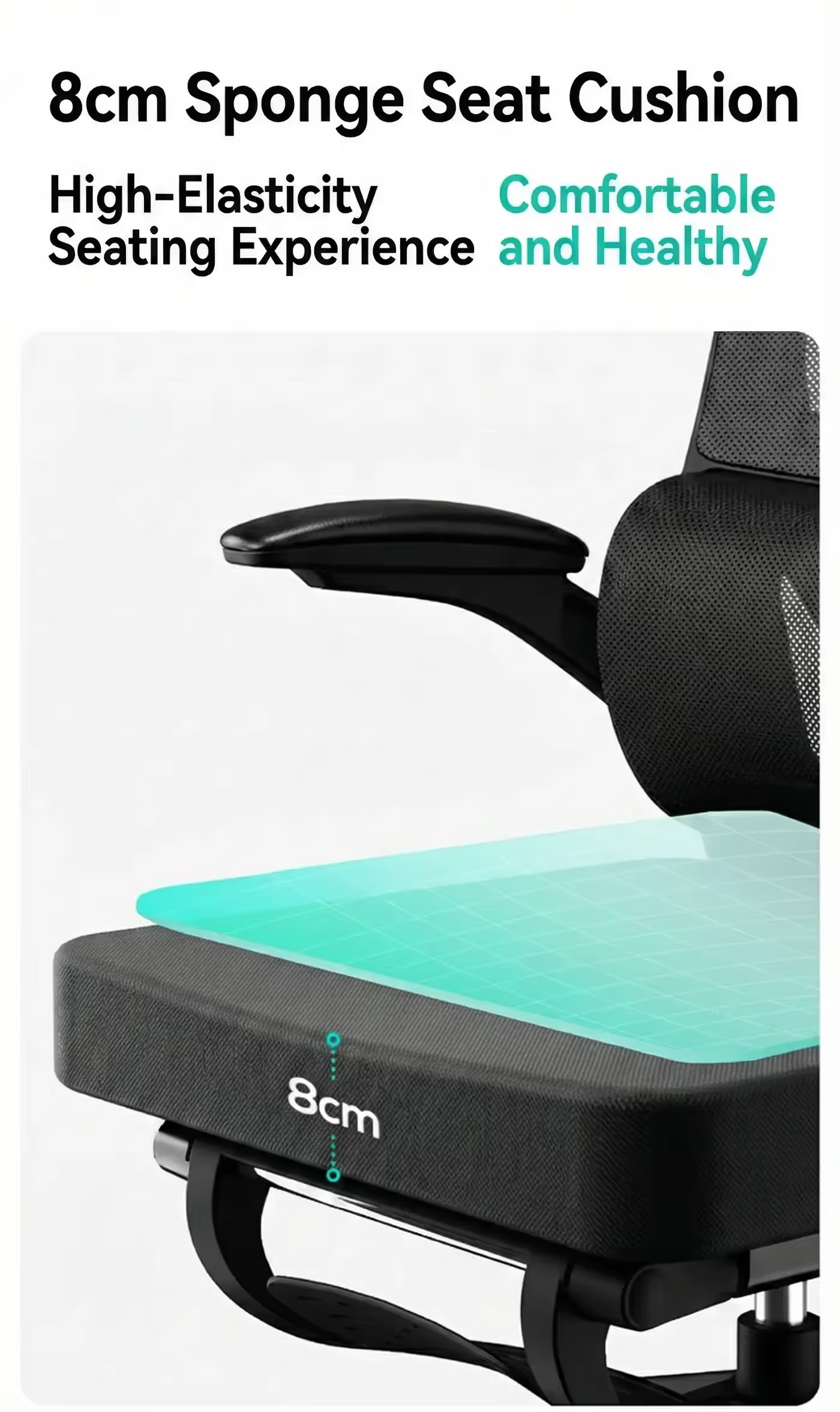
8cm High-Elasticity Sponge Seat Cushion
The seat pad is 8cm of high-elasticity sponge rather than a thin foam layer over a board. Depth is what stops a seat bottoming out over a long session. HBADA cuts the pad from a single piece rather than bonding offcuts together.
8cm High-Elasticity Sponge Seat Cushion
The seat pad is 8cm of high-elasticity sponge rather than a thin foam layer over a board. Depth is what stops a seat bottoming out over a long session. HBADA cuts the pad from a single piece rather than bonding offcuts together.
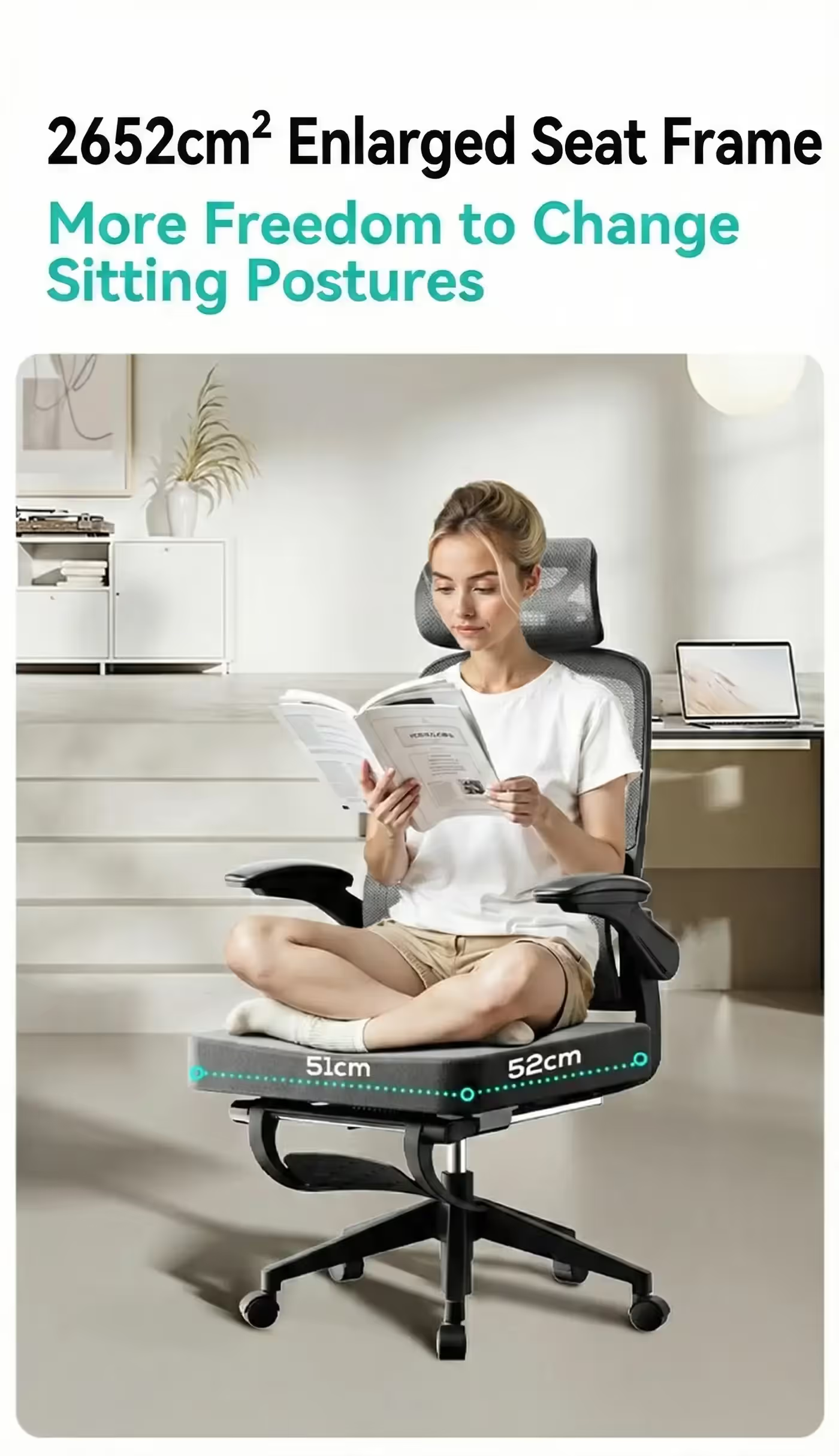
2652 Square Centimetre Seat Frame
The seat frame measures 2652 square centimetres, which leaves room to change position rather than sitting locked into one posture. A wider frame matters most for cross-legged and side-on sitting. The figure is measured across the frame, not the cushion alone.
2652 Square Centimetre Seat Frame
The seat frame measures 2652 square centimetres, which leaves room to change position rather than sitting locked into one posture. A wider frame matters most for cross-legged and side-on sitting. The figure is measured across the frame, not the cushion alone.
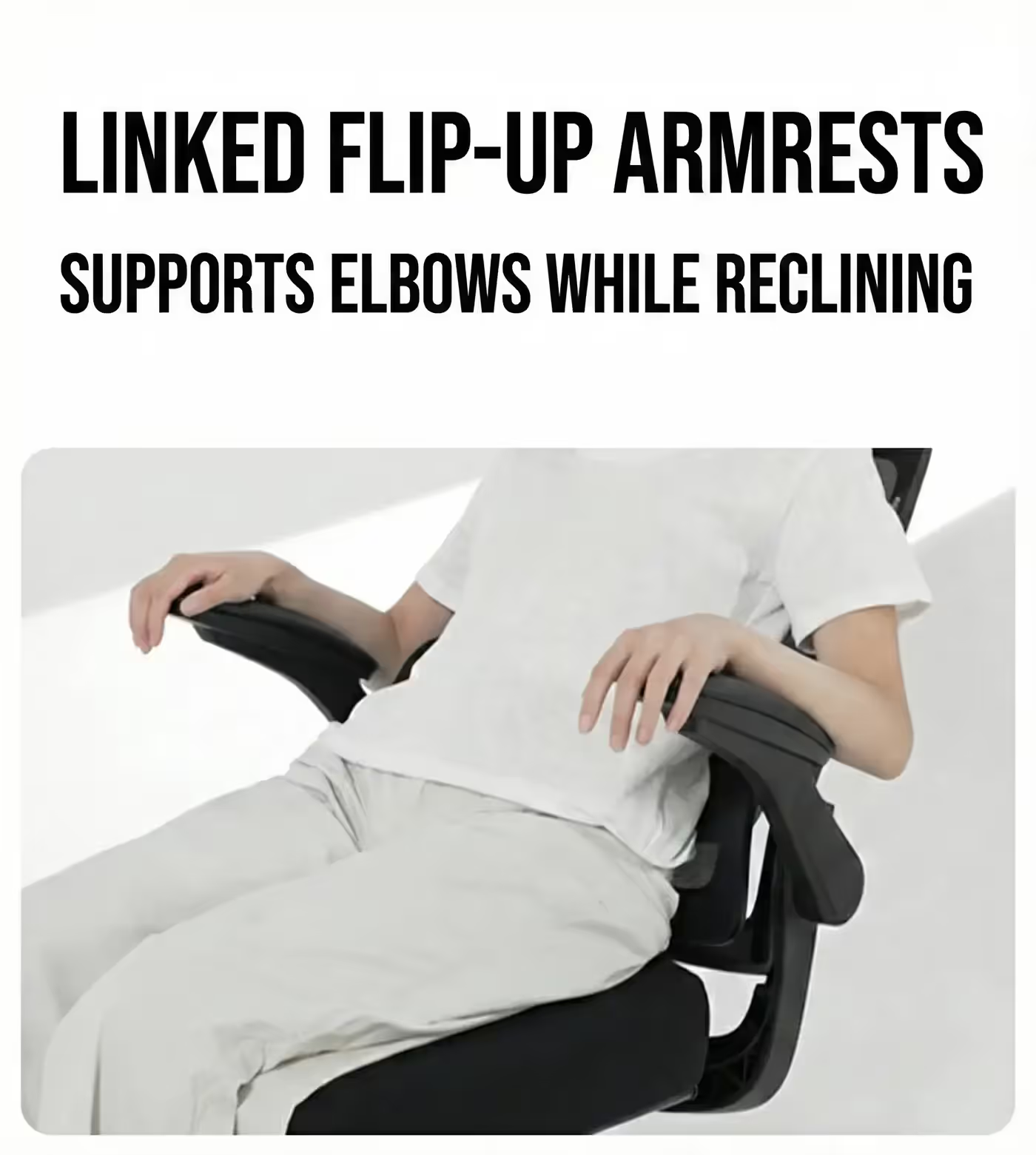
Armrests Stay Under Your Elbows While Reclining
The armrests are linked to the backrest, so they follow it through the recline instead of dropping away as you lean back. Elbow support is kept at every angle. They also flip up through 90 degrees when you want them out of the way entirely.
Armrests Stay Under Your Elbows While Reclining
The armrests are linked to the backrest, so they follow it through the recline instead of dropping away as you lean back. Elbow support is kept at every angle. They also flip up through 90 degrees when you want them out of the way entirely.
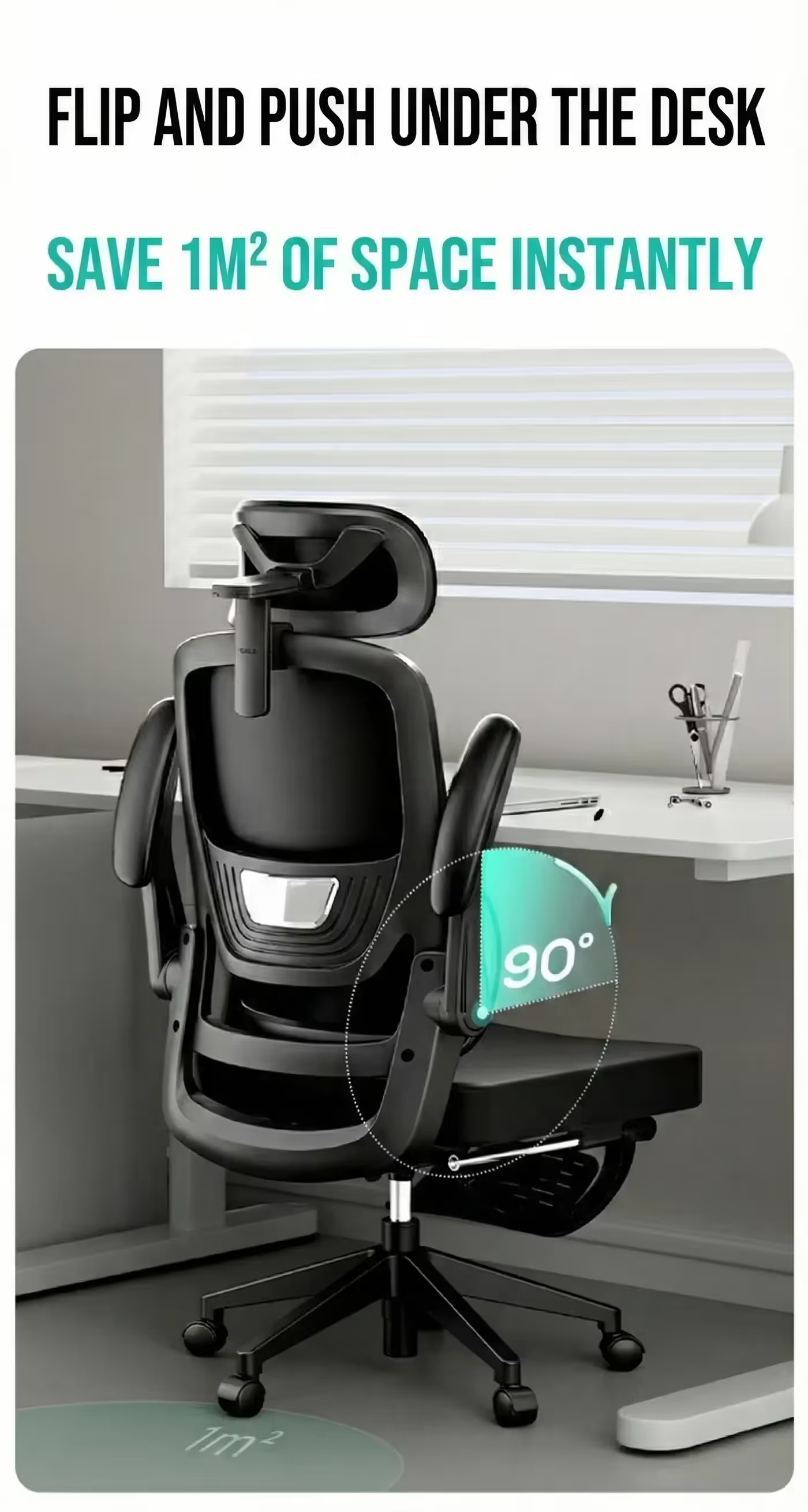
Flips Up And Pushes Under The Desk
With the armrests folded through 90 degrees the chair slides fully under a desk. HBADA puts the floor space recovered at roughly one square metre. In a small room that is the difference between a clear walkway and an obstacle.
Flips Up And Pushes Under The Desk
With the armrests folded through 90 degrees the chair slides fully under a desk. HBADA puts the floor space recovered at roughly one square metre. In a small room that is the difference between a clear walkway and an obstacle.
Seat Sponge Is Cut From One Piece
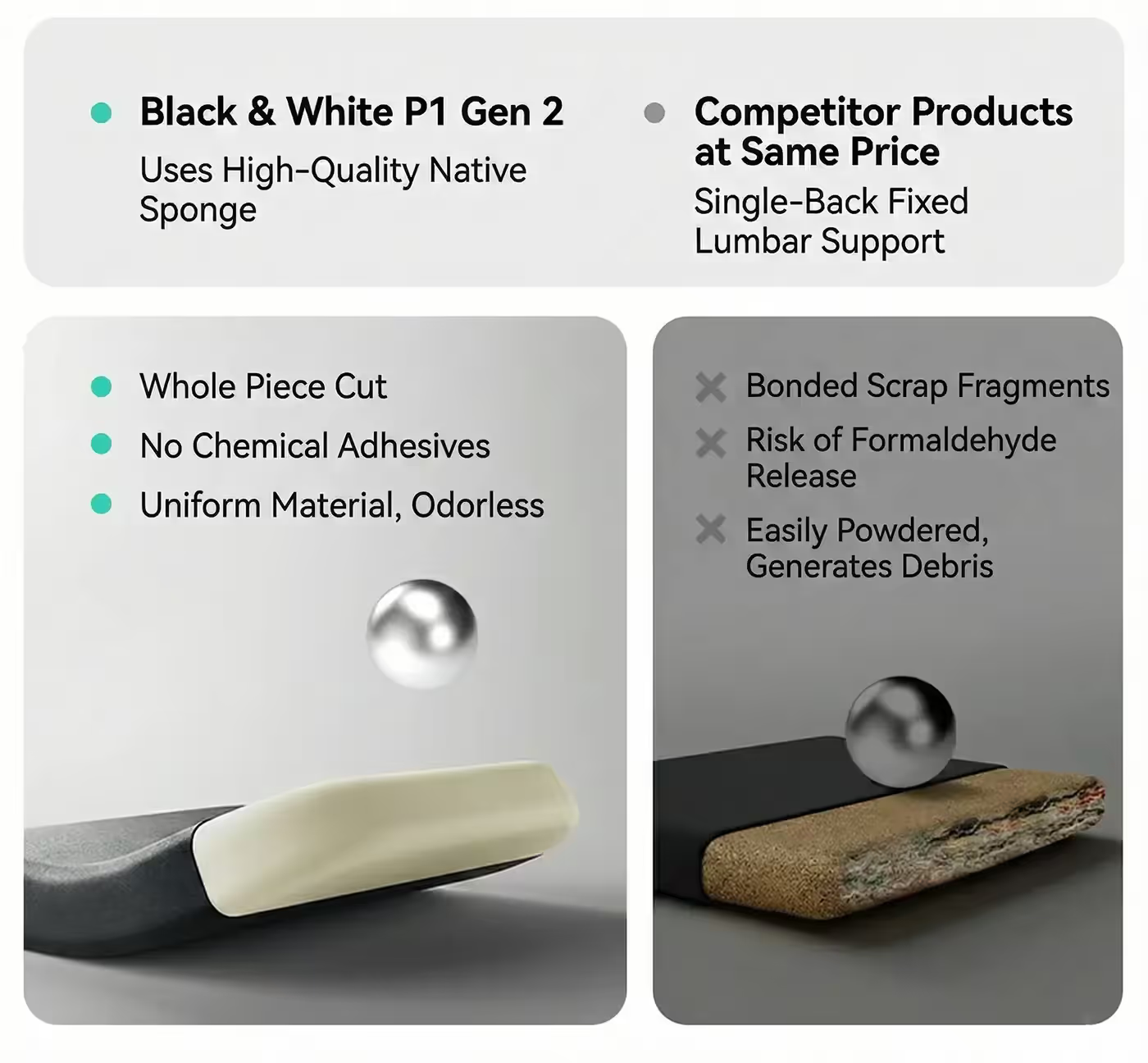
The seat sponge is a whole-piece native cut rather than bonded fragments, with no chemical adhesives holding it together. HBADA describes the material as uniform and odourless. Cutting from one piece is what stops a cushion powdering and forming hollows over time.
Seat Sponge Is Cut From One Piece
The seat sponge is a whole-piece native cut rather than bonded fragments, with no chemical adhesives holding it together. HBADA describes the material as uniform and odourless. Cutting from one piece is what stops a cushion powdering and forming hollows over time.
SGS Class 4 Gas Lift And A 2.5mm Steel Chassis
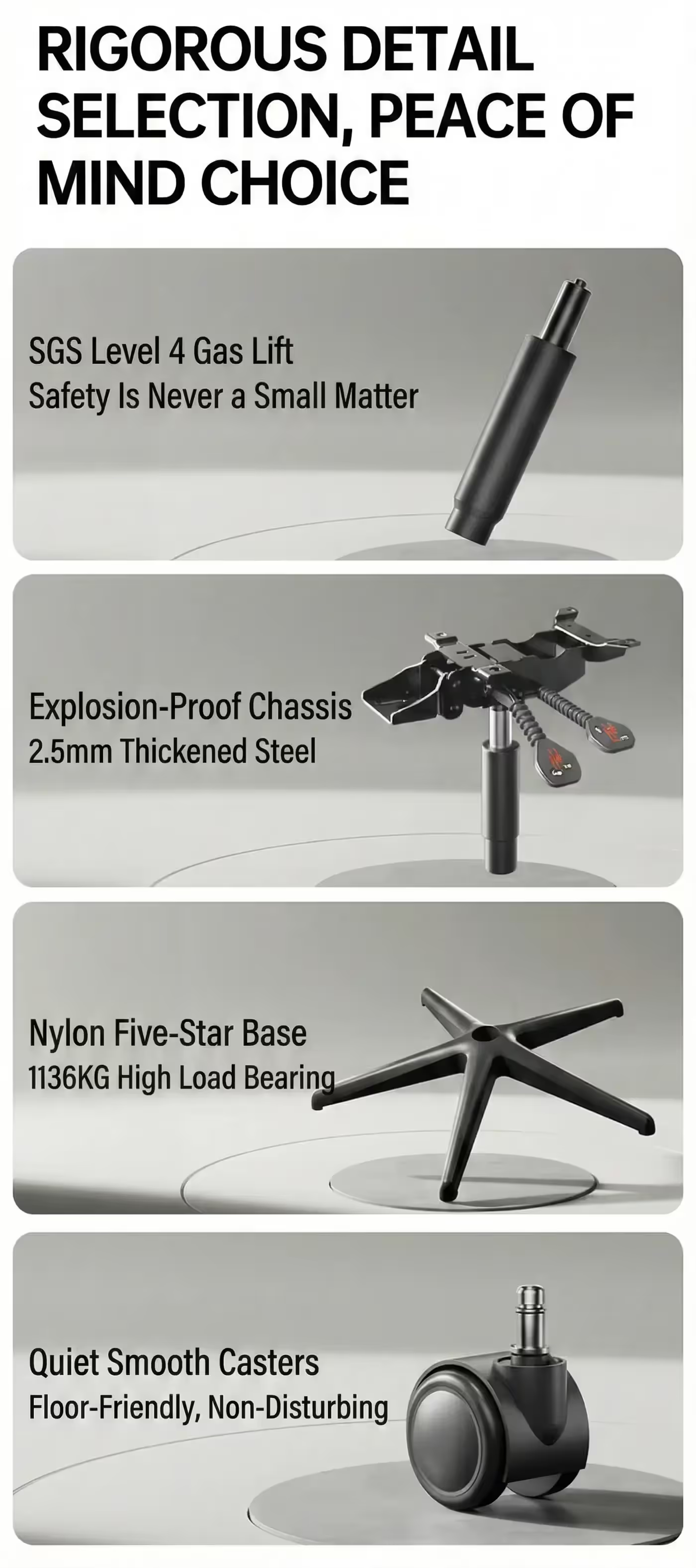
The height cylinder is an SGS Class 4 gas lift and the chassis is 2.5mm thickened steel, which HBADA describes as explosion-proof. Underneath sits a nylon five-star base rated at 1136kg load bearing. The casters are the quiet, floor-friendly type.
SGS Class 4 Gas Lift And A 2.5mm Steel Chassis
The height cylinder is an SGS Class 4 gas lift and the chassis is 2.5mm thickened steel, which HBADA describes as explosion-proof. Underneath sits a nylon five-star base rated at 1136kg load bearing. The casters are the quiet, floor-friendly type.
Tested To The BIFMA X5.1 Standard
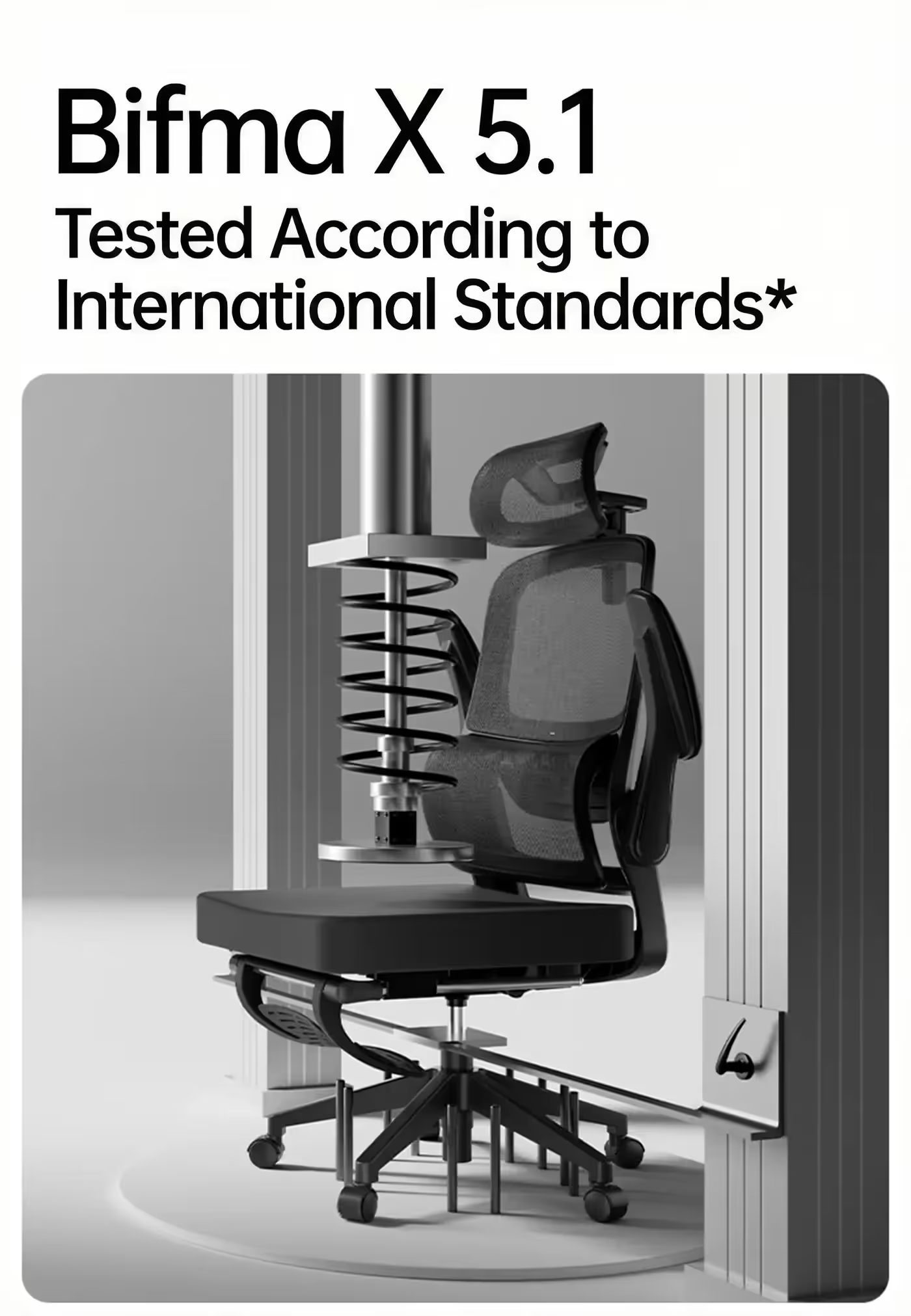
HBADA states the chair is tested according to BIFMA X5.1, the international standard covering general-purpose office chairs. That programme puts the seat, back and base through repeated load cycles. It is the usual benchmark quoted for office seating.
Tested To The BIFMA X5.1 Standard
HBADA states the chair is tested according to BIFMA X5.1, the international standard covering general-purpose office chairs. That programme puts the seat, back and base through repeated load cycles. It is the usual benchmark quoted for office seating.
FAQ
Frequently Asked Questions
Everything you need to know about this product
From an upright 105 degrees through to 145 degrees. The lock is stepless, so the backrest holds wherever you stop rather than snapping to a preset position.
The lumbar section is dynamic rather than fixed. It is mounted to travel through 40 degrees so it keeps contact with the lower back as you change position.
8cm of high-elasticity sponge, cut from a single piece rather than bonded from offcuts.
Yes. They flip up through 90 degrees, which lets the chair slide fully under a desk and recovers roughly a square metre of floor space.
It moves 75mm through its height range, 40mm forward and backward, and rotates through 45 degrees. The pillow itself is 30cm wide.
The chair uses an SGS Class 4 gas lift on a nylon five-star base rated at 1136kg load bearing, with a 2.5mm thickened steel chassis.
HBADA states it is tested according to BIFMA X5.1, the international standard covering general-purpose office chairs.
Two. It is a double-back design in which the upper back section and the lumbar section move independently of each other.
The seat frame measures 2652 square centimetres, which leaves room to shift position or sit cross-legged.
HBADA fits quiet smooth casters and describes them as floor-friendly and non-disturbing.

AI-Generated Content:These FAQs are generated by an automated AI system and may contain inaccuracies or omissions. Evetech makes no warranties, express or implied, regarding their completeness or reliability. For definitive information, please refer to the manufacturer's official specifications.
Please Note: Product images are for illustrative purposes only and may differ from the actual product.
Choose your
own PC
Hand-pick every part with live stock, compatibility, and instant pricing.
Try the new builderAVAILABLE ONLY IN STORE
Price Inc. Vat
R 1,799
Save R 1,200
ListR 2,999
1799Limit 1 per customer
Out of Stock
Choose your
own PC
Hand-pick every part with live stock, compatibility, and instant pricing.
Try the new builder[OPEN BOX] HBADA P1 PRO