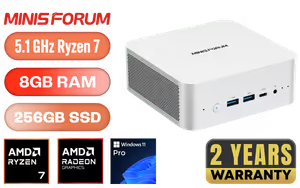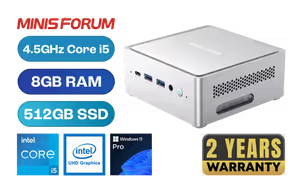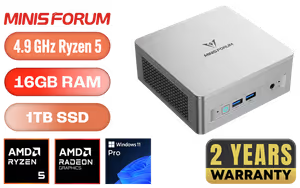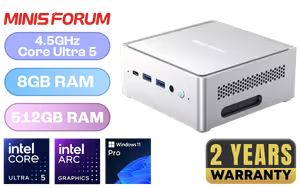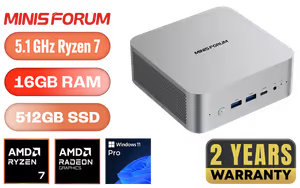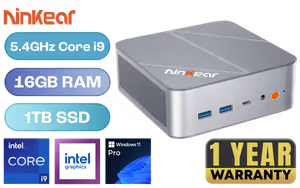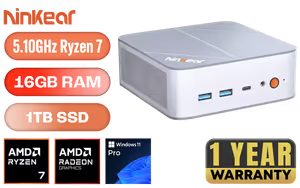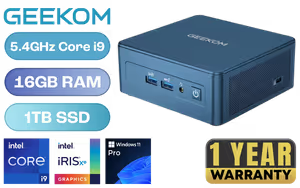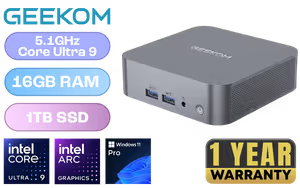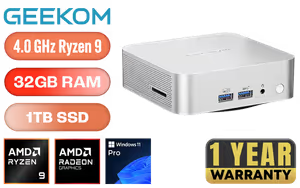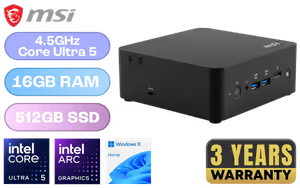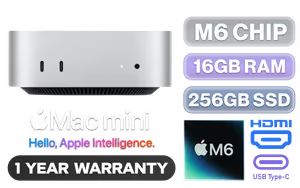
Small Enough to Disappear, Quick Enough for the Work
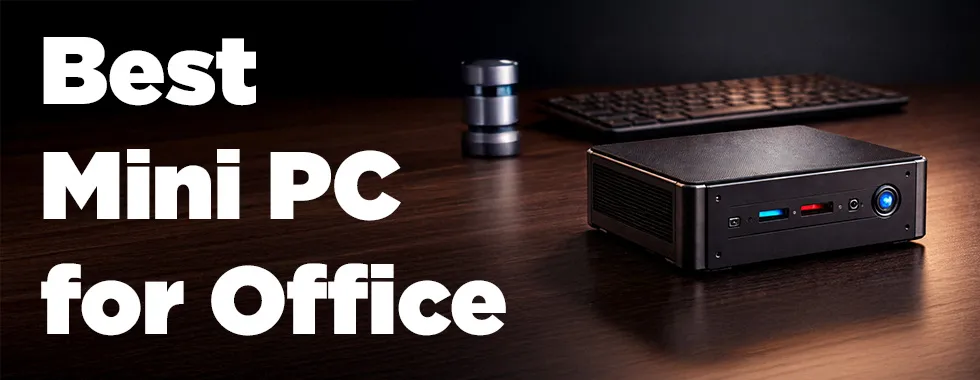
Office work is bounded by memory, storage speed and screen space far more than by raw processing power. A browser with thirty tabs, a mail client, a spreadsheet pulling live figures and a video call running alongside all of it fit comfortably inside a machine of one or two litres, because none of that needs a graphics card or a cooler the size of a fist. What the small box changes is everything around the work: how much desk it occupies, how much electricity it draws across an eight-hour day, and whether anyone in the room notices it is running.
Two decisions do most of the damage when they go wrong. The first is memory, because a growing share of compact machines solder it to the board and fix your capacity for the life of the unit. The second is the display arrangement, since the number and version of the video outputs decides whether a second or third screen is possible at the resolution you actually want. Settle both before comparing processor names, then check the machine can be mounted, cabled and reached where it will really live.