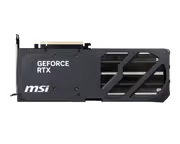
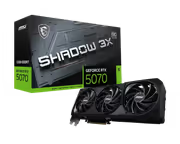
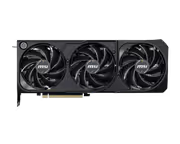
msi-geforce-rtx-5070-12gb-shadow-3x-oc-gpu
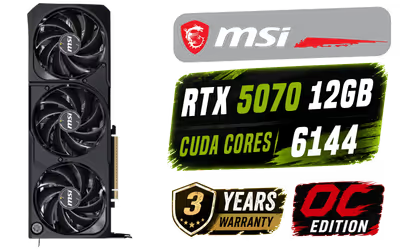
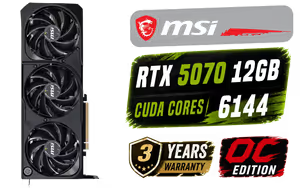
MSI GeForce RTX 5070 12GB SHADOW 3X OC / PCI Express Gen 5 / 6144 Cuda Cores / 12GB GDDR7 / DirectX 12 Ultimate / 912-V532-008 / 912-V532-008 / [+] Get CONTROL Resonant with select GeForce RTX 50 Series + FREE DELIVERY !
3 Years Local Warranty
Model No : MSI 912-V532-008
Price Inc. Vat
R 14,999
Save R 3,000
ListR 17,999
14999Free Delivery
Qty:
In Stock with Evetech
MSI GeForce RTX 5070 SHADOW 3X OC 12GB GDDR7 GPU
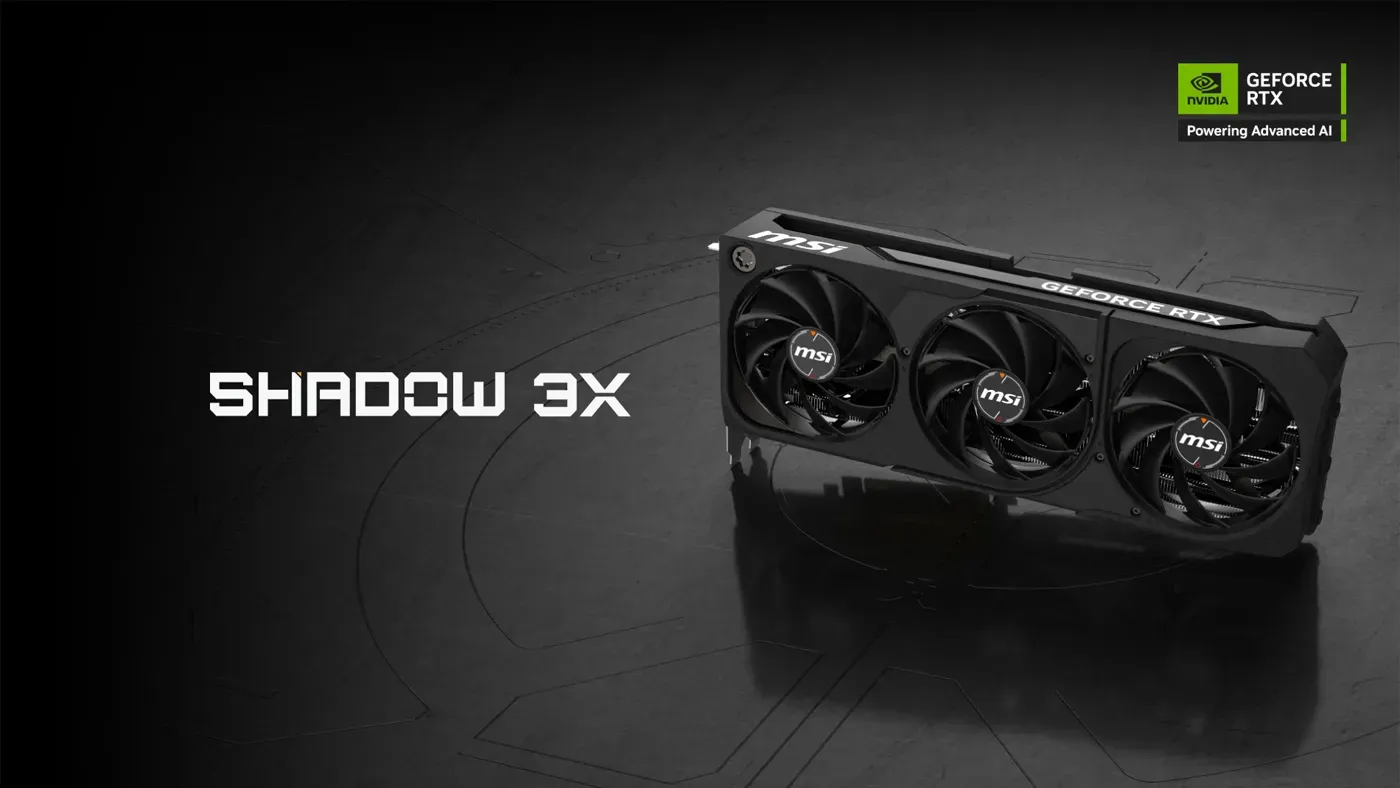
MSI GeForce RTX 5070 12GB Shadow 3X OC Graphics Card
The MSI GeForce RTX 5070 pairs 12GB of GDDR7 VRAM with 6,144 CUDA cores, which is what carries high-resolution gaming at smooth frame rates without dropping detail. Ray tracing produces lifelike lighting, shadows and reflections, PCI Express Gen 5 keeps data moving between card and system, and the SHADOW 3X cooling system holds temperatures through long sessions of fast-paced or cinematic play.
MSI GeForce RTX 5070 12GB Shadow 3X OC Graphics Card
The MSI GeForce RTX 5070 pairs 12GB of GDDR7 VRAM with 6,144 CUDA cores, which is what carries high-resolution gaming at smooth frame rates without dropping detail. Ray tracing produces lifelike lighting, shadows and reflections, PCI Express Gen 5 keeps data moving between card and system, and the SHADOW 3X cooling system holds temperatures through long sessions of fast-paced or cinematic play.
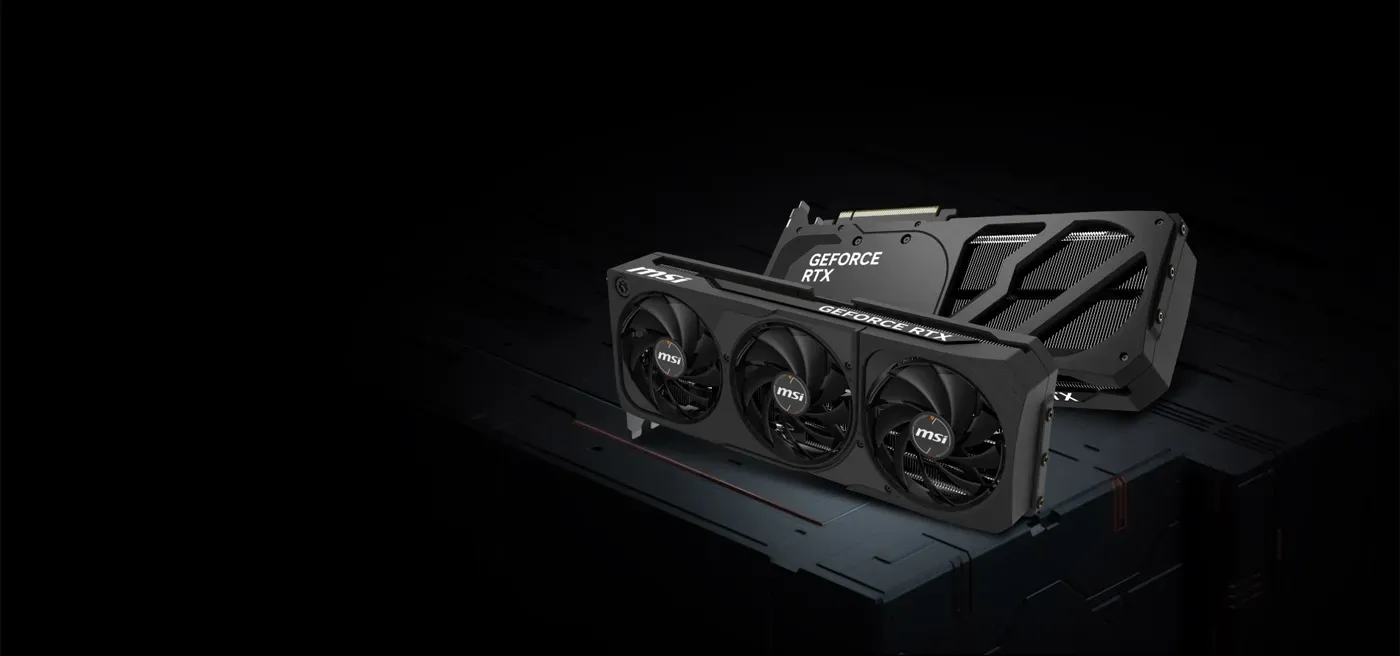
MSI Shadow Series Performance-Driven Design
The MSI Shadow series is built around a performance-driven design rather than a showcase one, which makes it a sensible pick for upgrading an existing gaming rig or specifying a new high-performance build. The RTX 5070 sits in that range as the card for players who want current-generation features without over-buying at the top of the stack.
MSI Shadow Series Performance-Driven Design
The MSI Shadow series is built around a performance-driven design rather than a showcase one, which makes it a sensible pick for upgrading an existing gaming rig or specifying a new high-performance build. The RTX 5070 sits in that range as the card for players who want current-generation features without over-buying at the top of the stack.
Built On The NVIDIA Blackwell Architecture
The RTX 5070 is built on NVIDIA's Blackwell architecture, the platform NVIDIA positions as its leading option for gamers and content creators alike. Blackwell supplies the card's fifth-generation Tensor Cores, next-generation streaming multiprocessors and fourth-generation ray tracing cores, and it is the reason DLSS 4 and Reflex 2 run here rather than being reserved for a later generation.
Built On The NVIDIA Blackwell Architecture
The RTX 5070 is built on NVIDIA's Blackwell architecture, the platform NVIDIA positions as its leading option for gamers and content creators alike. Blackwell supplies the card's fifth-generation Tensor Cores, next-generation streaming multiprocessors and fourth-generation ray tracing cores, and it is the reason DLSS 4 and Reflex 2 run here rather than being reserved for a later generation.
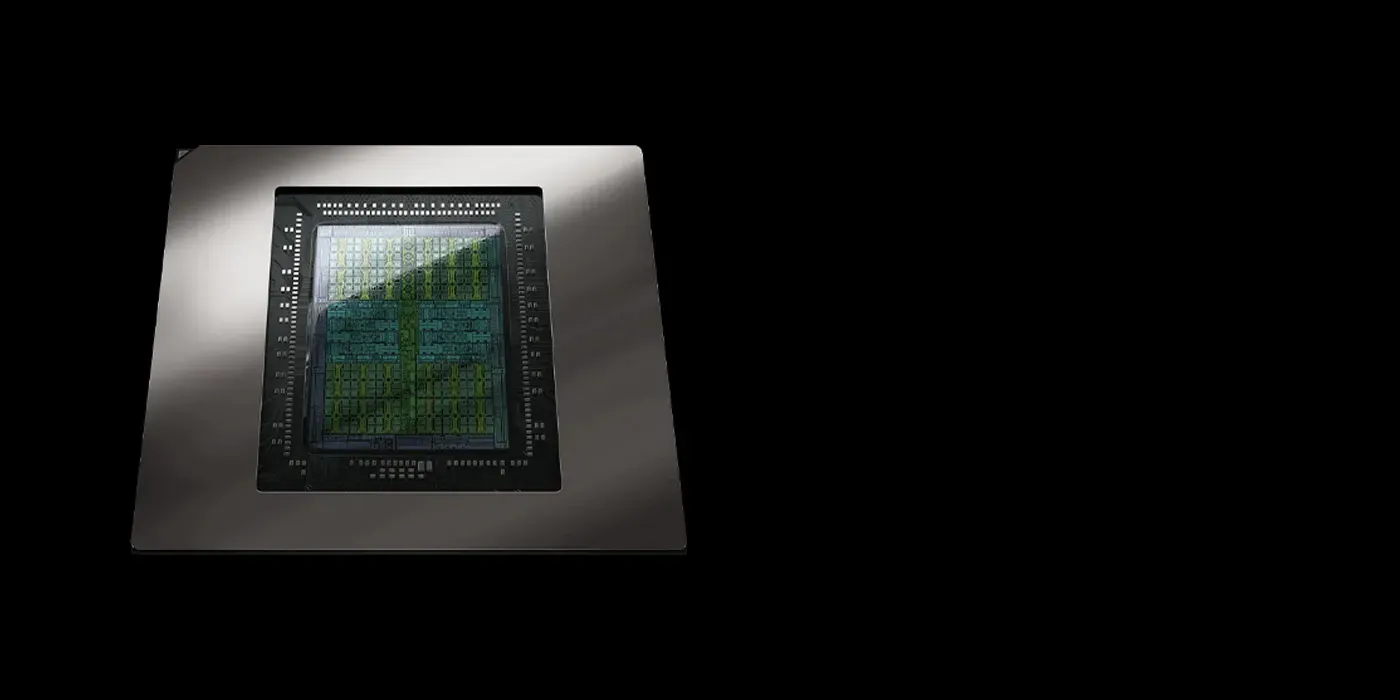
Fifth-Gen Tensor Cores, Neural Shaders And RT Cores
Fifth-generation Tensor Cores deliver maximum AI performance using FP4 precision and DLSS 4 technology. Next-generation streaming multiprocessors are optimised for neural shaders and enhanced parallel processing, while fourth-generation ray tracing cores are built to handle complex geometry and realistic lighting effects. Those three core types are what separate a Blackwell card from raw shader count alone.
Fifth-Gen Tensor Cores, Neural Shaders And RT Cores
Fifth-generation Tensor Cores deliver maximum AI performance using FP4 precision and DLSS 4 technology. Next-generation streaming multiprocessors are optimised for neural shaders and enhanced parallel processing, while fourth-generation ray tracing cores are built to handle complex geometry and realistic lighting effects. Those three core types are what separate a Blackwell card from raw shader count alone.

NVIDIA DLSS 4 With Multi Frame Generation
The card supports NVIDIA DLSS 4 with Multi Frame Generation, which raises frame rates while holding visual quality rather than trading one for the other. Generating additional frames on the Tensor Cores is how a mid-stack card reaches high-refresh numbers at demanding settings that raw rasterisation alone would not sustain.
NVIDIA DLSS 4 With Multi Frame Generation
The card supports NVIDIA DLSS 4 with Multi Frame Generation, which raises frame rates while holding visual quality rather than trading one for the other. Generating additional frames on the Tensor Cores is how a mid-stack card reaches high-refresh numbers at demanding settings that raw rasterisation alone would not sustain.

NVIDIA Reflex 2 With Frame Warp Responsiveness
NVIDIA Reflex 2 with Frame Warp shortens the path between your input and the frame that appears on screen, giving ultra-responsive gameplay. Responsiveness is a separate axis from frame rate, and Reflex is the part of the stack that addresses it directly rather than as a side effect of running faster.
NVIDIA Reflex 2 With Frame Warp Responsiveness
NVIDIA Reflex 2 with Frame Warp shortens the path between your input and the frame that appears on screen, giving ultra-responsive gameplay. Responsiveness is a separate axis from frame rate, and Reflex is the part of the stack that addresses it directly rather than as a side effect of running faster.

Full Ray Tracing With Neural Rendering Techniques
The RTX 5070 supports full ray tracing combined with neural rendering techniques for hyper-realistic visuals. Full ray tracing traces the whole lighting path rather than layering selected effects onto a rasterised frame, and neural rendering is what makes that cost affordable at playable frame rates on this class of card.
Full Ray Tracing With Neural Rendering Techniques
The RTX 5070 supports full ray tracing combined with neural rendering techniques for hyper-realistic visuals. Full ray tracing traces the whole lighting path rather than layering selected effects onto a rasterised frame, and neural rendering is what makes that cost affordable at playable frame rates on this class of card.

NVIDIA ACE Powers Digital Humans And AI Assistants
NVIDIA ACE runs on the card to produce realistic digital humans and AI-driven virtual assistants in supported titles. Handling that work on the GPU is what allows in-game characters to respond conversationally without a round trip to a server, which changes what a non-player character can do inside a scene.
NVIDIA ACE Powers Digital Humans And AI Assistants
NVIDIA ACE runs on the card to produce realistic digital humans and AI-driven virtual assistants in supported titles. Handling that work on the GPU is what allows in-game characters to respond conversationally without a round trip to a server, which changes what a non-player character can do inside a scene.

Optimised With NVIDIA Studio Creator Tools
The card is optimised with NVIDIA Studio creator tools and technology for professional content creation. Studio is the certification and tooling track aimed at production work rather than gaming, so the same GPU that runs a match at high refresh is also the one signed off for deadline-bound creative projects.
Optimised With NVIDIA Studio Creator Tools
The card is optimised with NVIDIA Studio creator tools and technology for professional content creation. Studio is the certification and tooling track aimed at production work rather than gaming, so the same GPU that runs a match at high refresh is also the one signed off for deadline-bound creative projects.

NVIDIA Broadcast And Ninth-Gen NVIDIA Encoder
NVIDIA Broadcast and the ninth-generation NVIDIA Encoder handle video quality and streaming from the card itself. Encoding on dedicated silicon takes the load off the CPU, which is what lets a single machine run a demanding game and a clean stream at the same time instead of needing a second capture PC.
NVIDIA Broadcast And Ninth-Gen NVIDIA Encoder
NVIDIA Broadcast and the ninth-generation NVIDIA Encoder handle video quality and streaming from the card itself. Encoding on dedicated silicon takes the load off the CPU, which is what lets a single machine run a demanding game and a clean stream at the same time instead of needing a second capture PC.

NVIDIA Game Ready And Studio Drivers Included
The card comes with NVIDIA Game Ready and Studio Drivers, two separate release tracks for two different priorities. Game Ready targets day-one support and performance in new titles, while Studio prioritises stability across creative applications, so you pick the track that matches how the machine is actually used.
NVIDIA Game Ready And Studio Drivers Included
The card comes with NVIDIA Game Ready and Studio Drivers, two separate release tracks for two different priorities. Game Ready targets day-one support and performance in new titles, while Studio prioritises stability across creative applications, so you pick the track that matches how the machine is actually used.

NVIDIA G-SYNC For Tear-Free High Refresh Gaming
NVIDIA G-SYNC support synchronises the display to the GPU's output for smooth, tear-free gameplay at high refresh rates. Without it, frames delivered out of step with the panel produce visible tearing exactly when the action is fastest, which is the moment the artefact matters most to a competitive player.
NVIDIA G-SYNC For Tear-Free High Refresh Gaming
NVIDIA G-SYNC support synchronises the display to the GPU's output for smooth, tear-free gameplay at high refresh rates. Without it, frames delivered out of step with the panel produce visible tearing exactly when the action is fastest, which is the moment the artefact matters most to a competitive player.
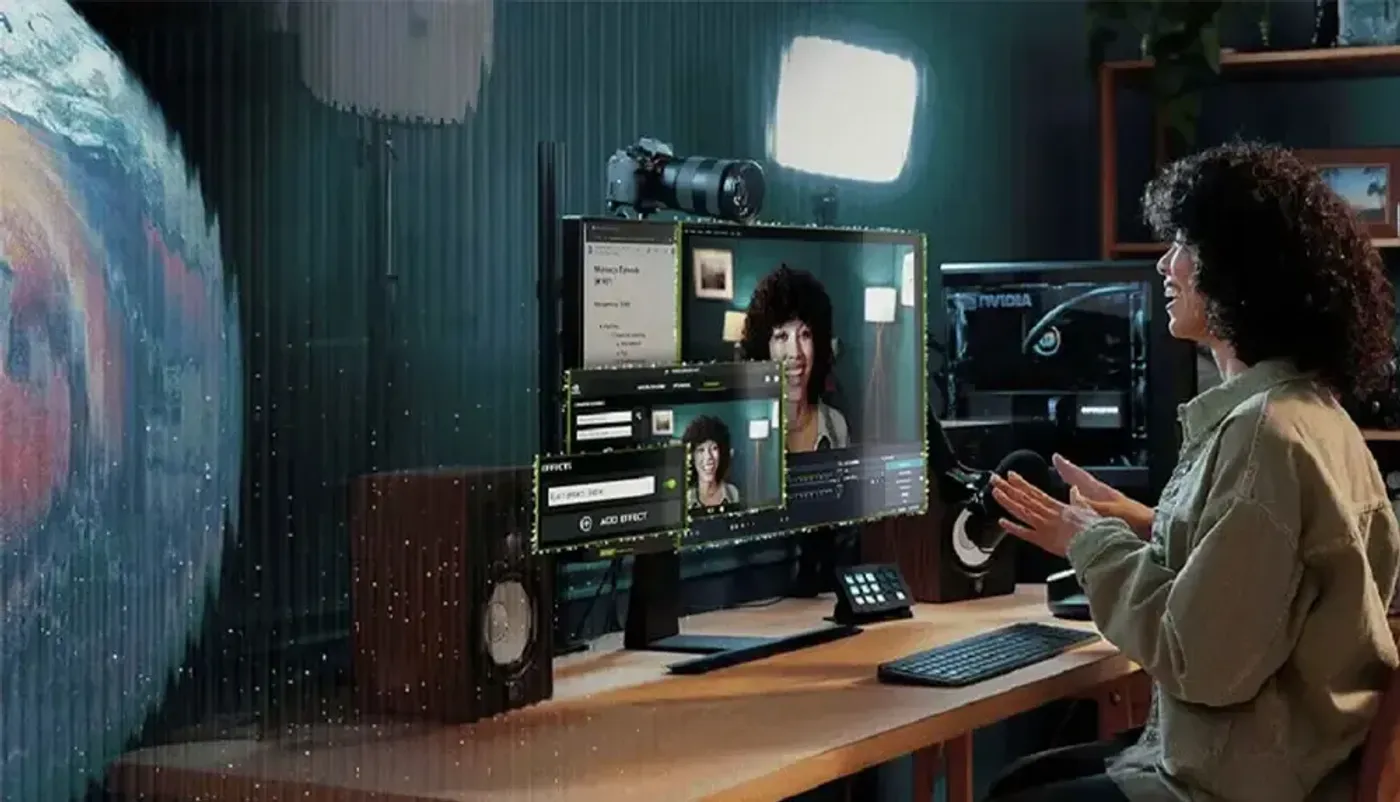
AI Acceleration Integrated With Windows
GeForce RTX GPUs boost gaming, content creation and productivity through AI acceleration integrated with Windows operating systems. Having that acceleration exposed at the operating-system level means AI features in everyday applications reach the GPU without each developer wiring up their own path to the hardware.
AI Acceleration Integrated With Windows
GeForce RTX GPUs boost gaming, content creation and productivity through AI acceleration integrated with Windows operating systems. Having that acceleration exposed at the operating-system level means AI features in everyday applications reach the GPU without each developer wiring up their own path to the hardware.
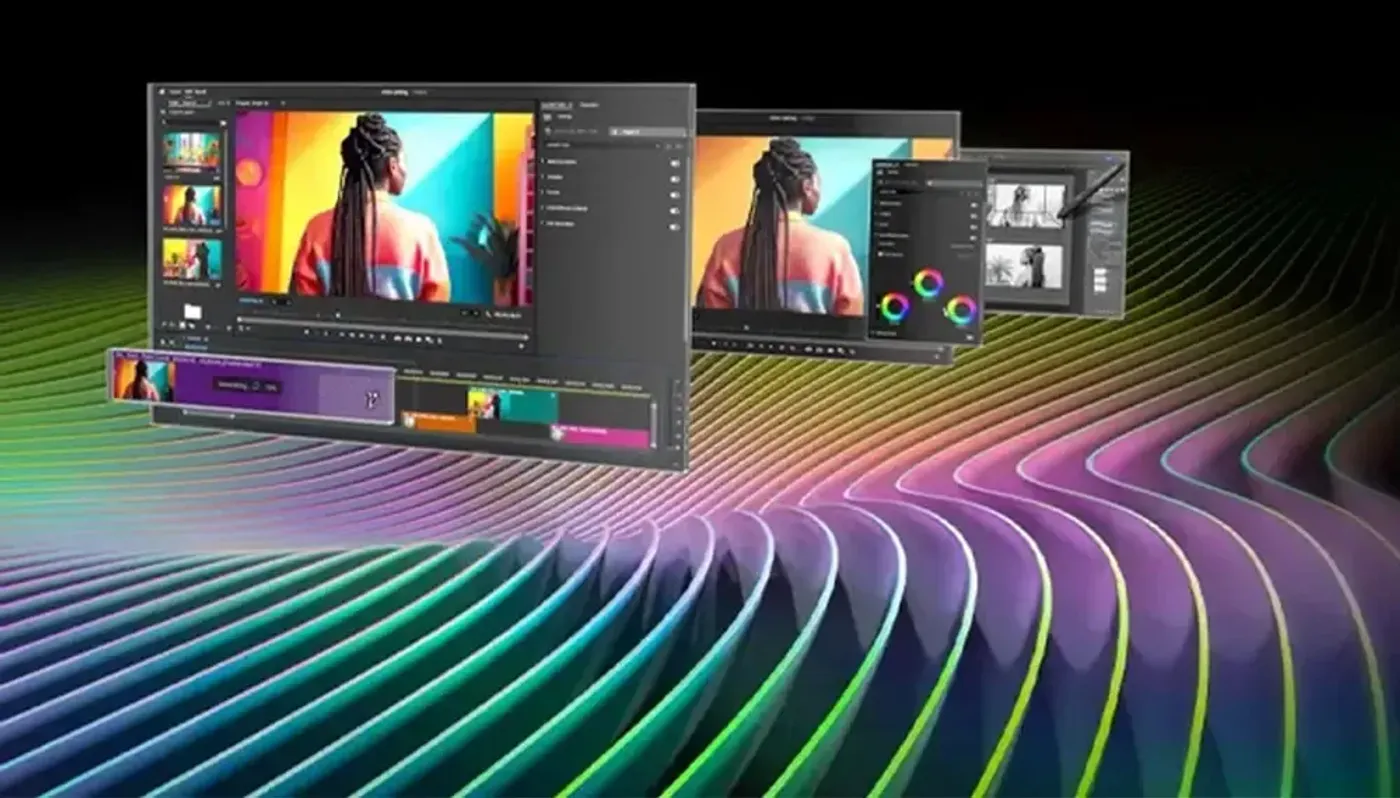
RTX Acceleration For Video Editing And 3D Rendering
NVIDIA Studio enhances video editing, 3D rendering and design workflows through optimised drivers and RTX acceleration on GeForce RTX 50 Series GPUs. Those three workloads are the ones that turn a working day into a waiting day, so moving them onto the GPU is where a creative user actually recovers time.
RTX Acceleration For Video Editing And 3D Rendering
NVIDIA Studio enhances video editing, 3D rendering and design workflows through optimised drivers and RTX acceleration on GeForce RTX 50 Series GPUs. Those three workloads are the ones that turn a working day into a waiting day, so moving them onto the GPU is where a creative user actually recovers time.
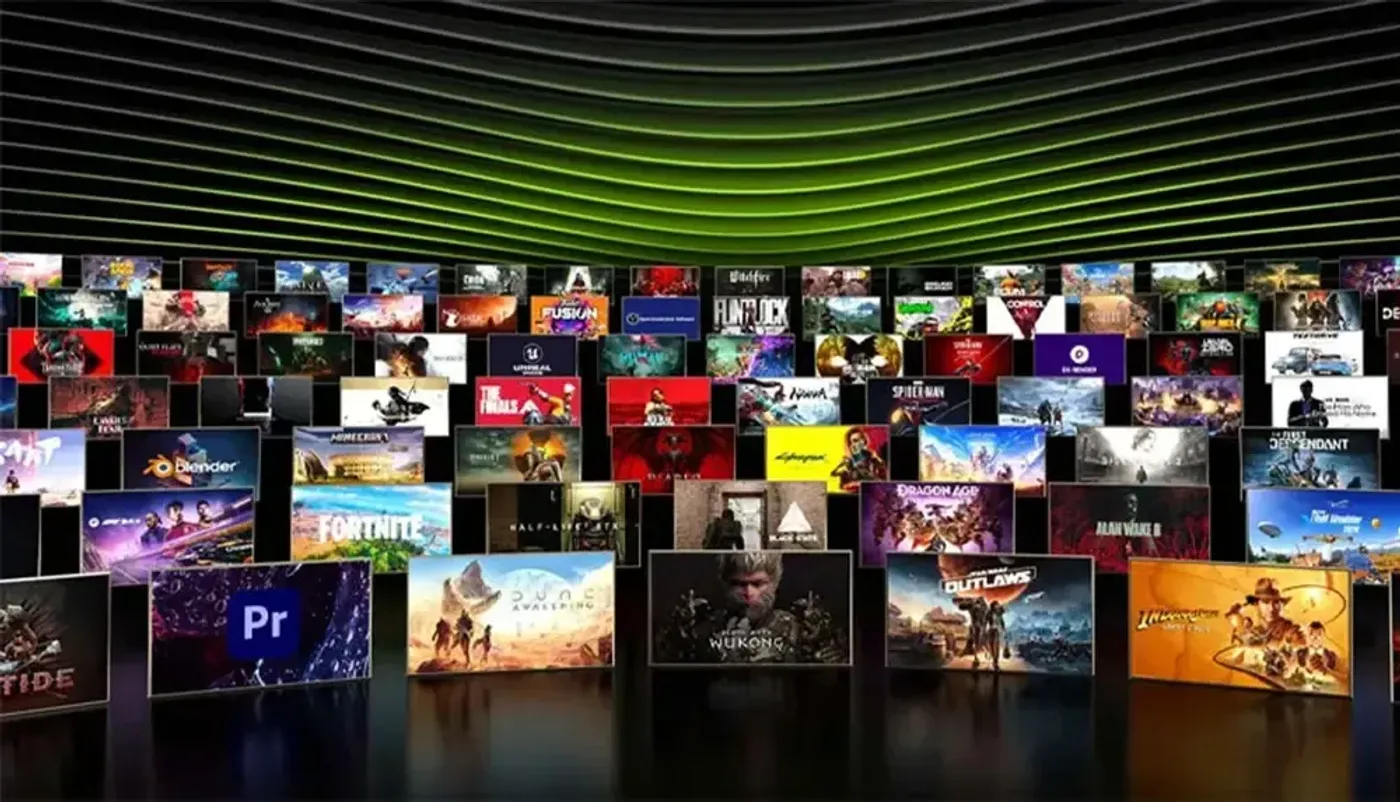
Over 700 Titles Support DLSS Multi Frame Generation
RTX introduces ray tracing and neural rendering across a library of more than 700 titles supporting DLSS Multi Frame Generation. That breadth is the practical argument for the feature set: it applies to games already in your library rather than a short list of technology showcases built to demonstrate it.
Over 700 Titles Support DLSS Multi Frame Generation
RTX introduces ray tracing and neural rendering across a library of more than 700 titles supporting DLSS Multi Frame Generation. That breadth is the practical argument for the feature set: it applies to games already in your library rather than a short list of technology showcases built to demonstrate it.
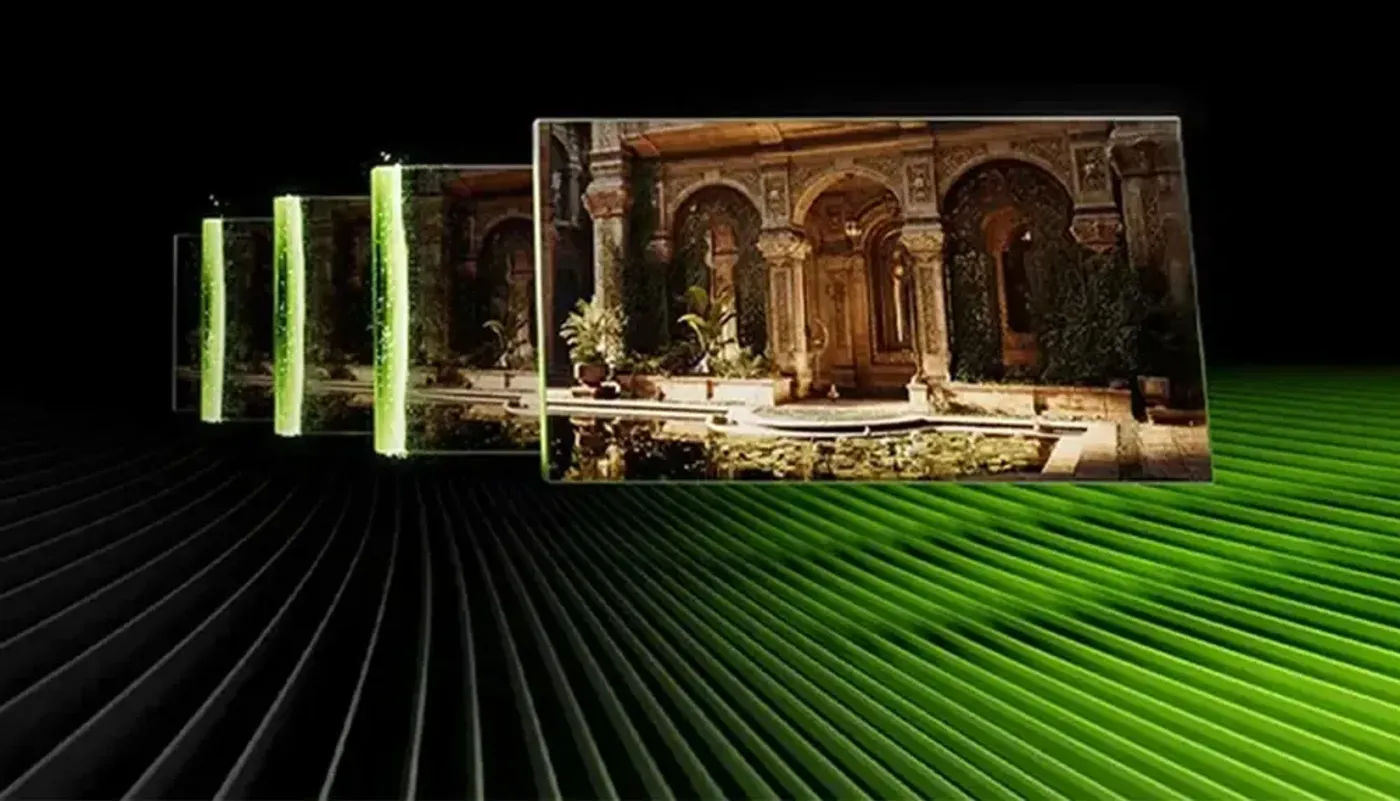
DLSS 4 Improves FPS And Reduces Latency
DLSS 4 uses neural rendering to improve FPS, reduce latency and deliver high-resolution visuals, with Multi Frame Generation and Ray Reconstruction running on GeForce RTX 50 Series GPUs. Ray Reconstruction replaces the traditional denoiser in the ray tracing pipeline, which is what cleans up reflections and shadows that would otherwise look noisy.
DLSS 4 Improves FPS And Reduces Latency
DLSS 4 uses neural rendering to improve FPS, reduce latency and deliver high-resolution visuals, with Multi Frame Generation and Ray Reconstruction running on GeForce RTX 50 Series GPUs. Ray Reconstruction replaces the traditional denoiser in the ray tracing pipeline, which is what cleans up reflections and shadows that would otherwise look noisy.
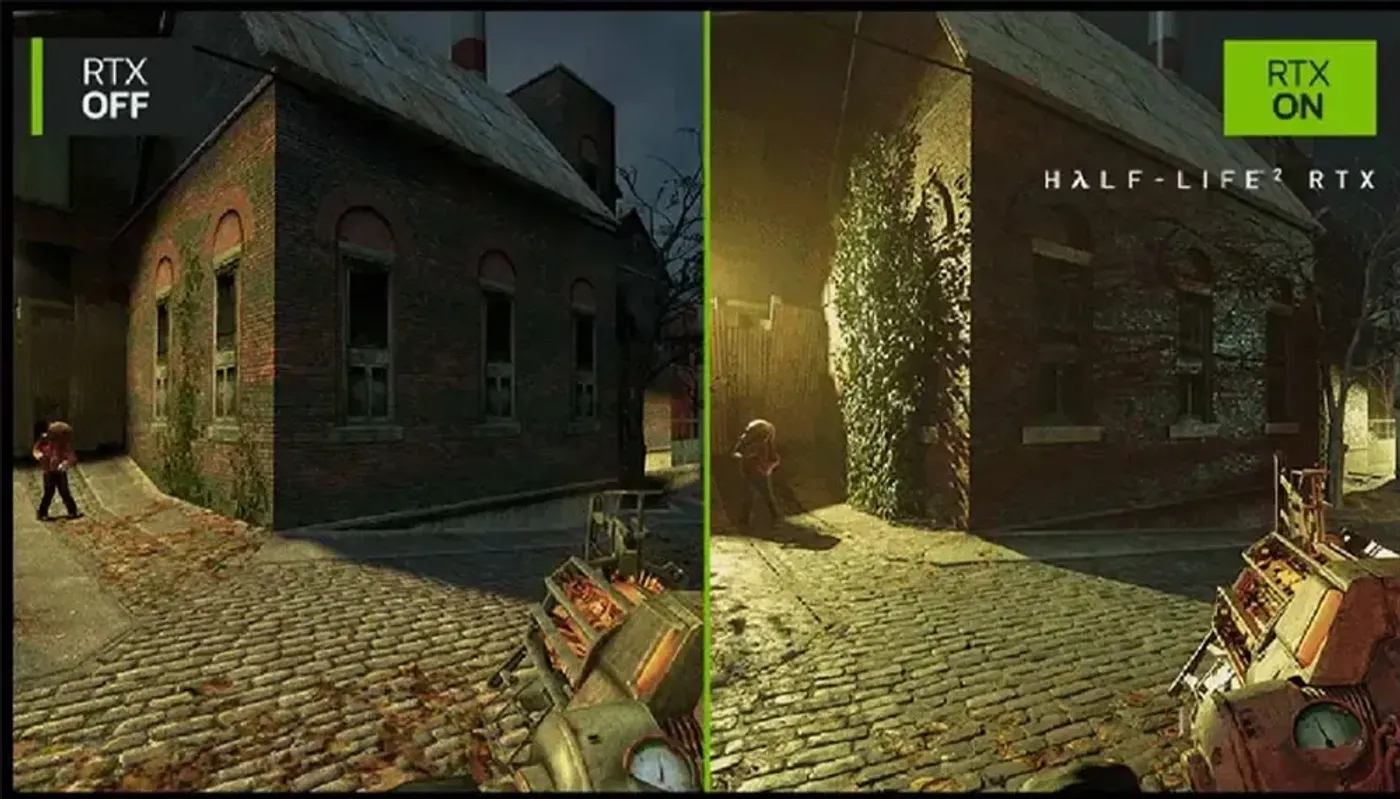
Cinematic Ray Tracing From Blackwell Architecture
The Blackwell architecture delivers cinematic ray tracing and next-generation neural rendering, powered by fourth-generation RT cores working alongside fifth-generation Tensor Cores. Splitting the work between dedicated ray tracing hardware and AI silicon is how a scene reaches film-style lighting without collapsing to single-digit frame rates.
Cinematic Ray Tracing From Blackwell Architecture
The Blackwell architecture delivers cinematic ray tracing and next-generation neural rendering, powered by fourth-generation RT cores working alongside fifth-generation Tensor Cores. Splitting the work between dedicated ray tracing hardware and AI silicon is how a scene reaches film-style lighting without collapsing to single-digit frame rates.
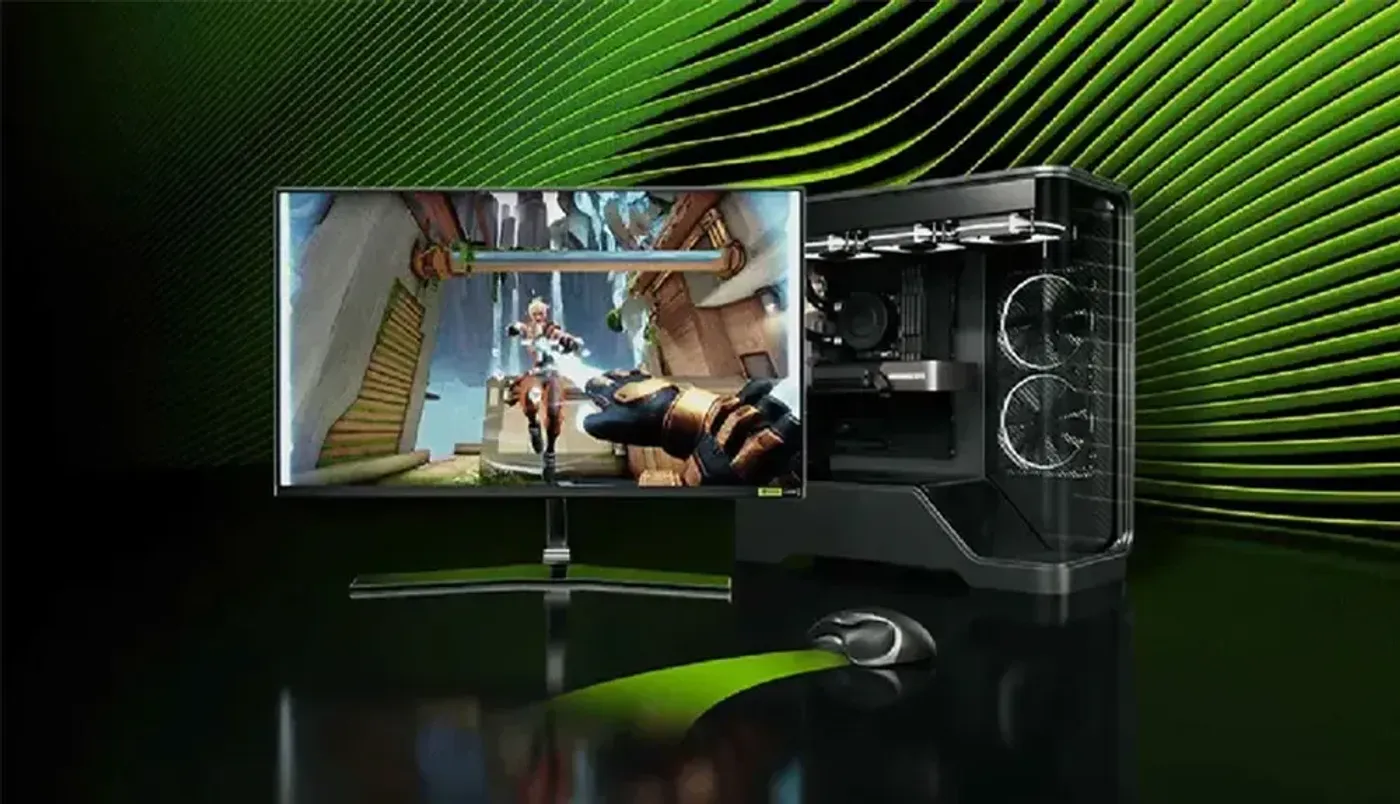
Reflex 2 Improves Aiming Precision In eSports
NVIDIA Reflex 2 with Frame Warp minimises system lag and improves aiming precision, tuned for eSports and ultra-fast gaming scenarios. In competitive shooters the measurable gain is in click-to-photon latency, which decides trades at close range far more often than an extra ten frames per second does.
Reflex 2 Improves Aiming Precision In eSports
NVIDIA Reflex 2 with Frame Warp minimises system lag and improves aiming precision, tuned for eSports and ultra-fast gaming scenarios. In competitive shooters the measurable gain is in click-to-photon latency, which decides trades at close range far more often than an extra ten frames per second does.
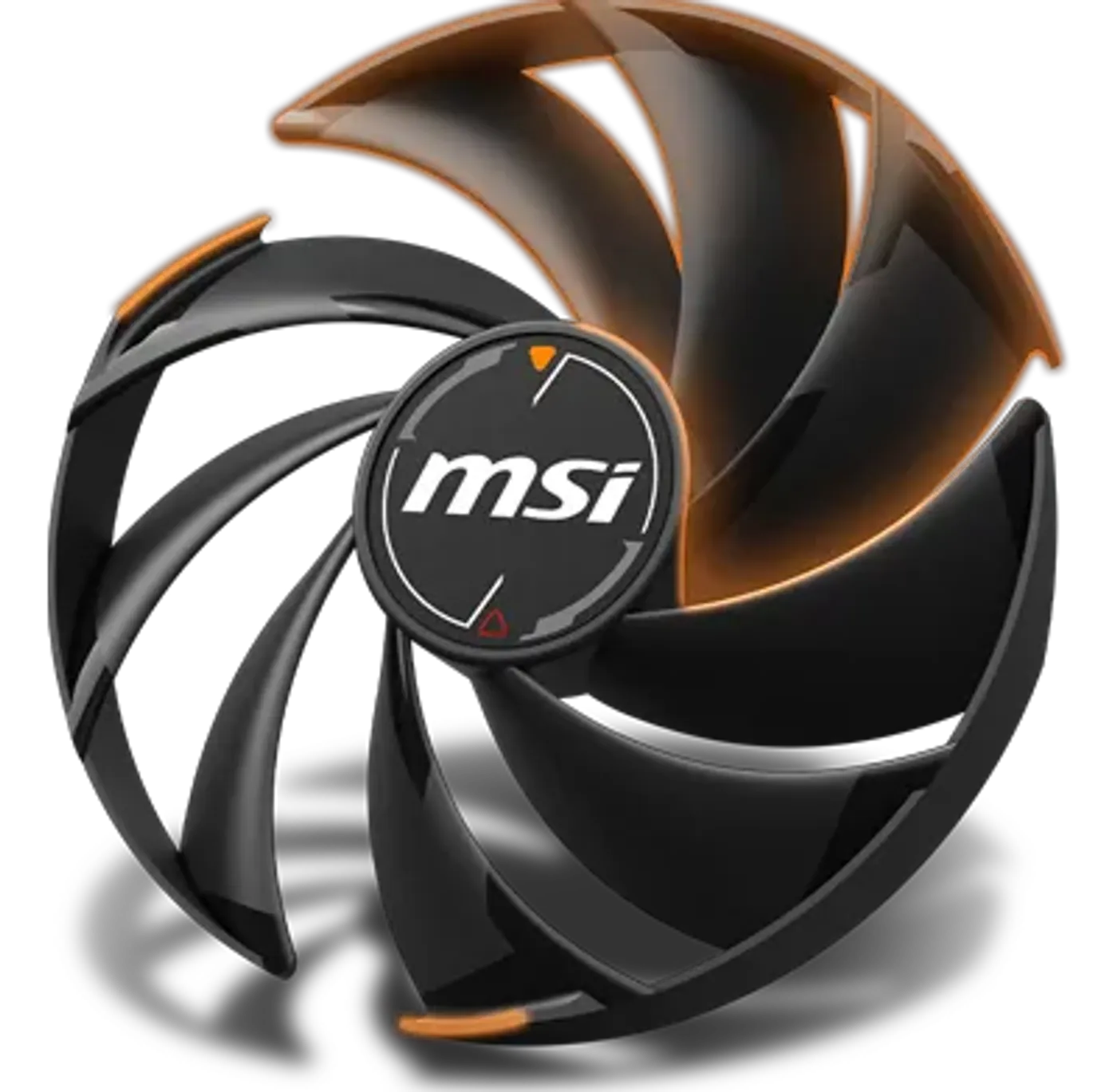
TORX FAN 5.0 Adds 23% More Airflow
Three high-performance fans sit on a large heatsink for cooler and quieter running. TORX FAN 5.0 links three sets of 22-degree-tilted blades with ring arcs, increasing airflow by 23% over traditional fans. Zero Frozr stops the fans entirely at low temperatures, so the card is silent at idle and under light workloads, then spins up for gaming.
TORX FAN 5.0 Adds 23% More Airflow
Three high-performance fans sit on a large heatsink for cooler and quieter running. TORX FAN 5.0 links three sets of 22-degree-tilted blades with ring arcs, increasing airflow by 23% over traditional fans. Zero Frozr stops the fans entirely at low temperatures, so the card is silent at idle and under light workloads, then spins up for gaming.

Nickel-Plated Copper Baseplate And Core Pipes
A solid nickel-plated copper baseplate transfers heat rapidly off the GPU and the memory modules. Core Pipes with square contact areas maximise heat capture where they meet that baseplate and spread it evenly across the heatsink, while the reinforcing backplate adds an airflow vent that lets hot exhaust pass through.
Nickel-Plated Copper Baseplate And Core Pipes
A solid nickel-plated copper baseplate transfers heat rapidly off the GPU and the memory modules. Core Pipes with square contact areas maximise heat capture where they meet that baseplate and spread it evenly across the heatsink, while the reinforcing backplate adds an airflow vent that lets hot exhaust pass through.
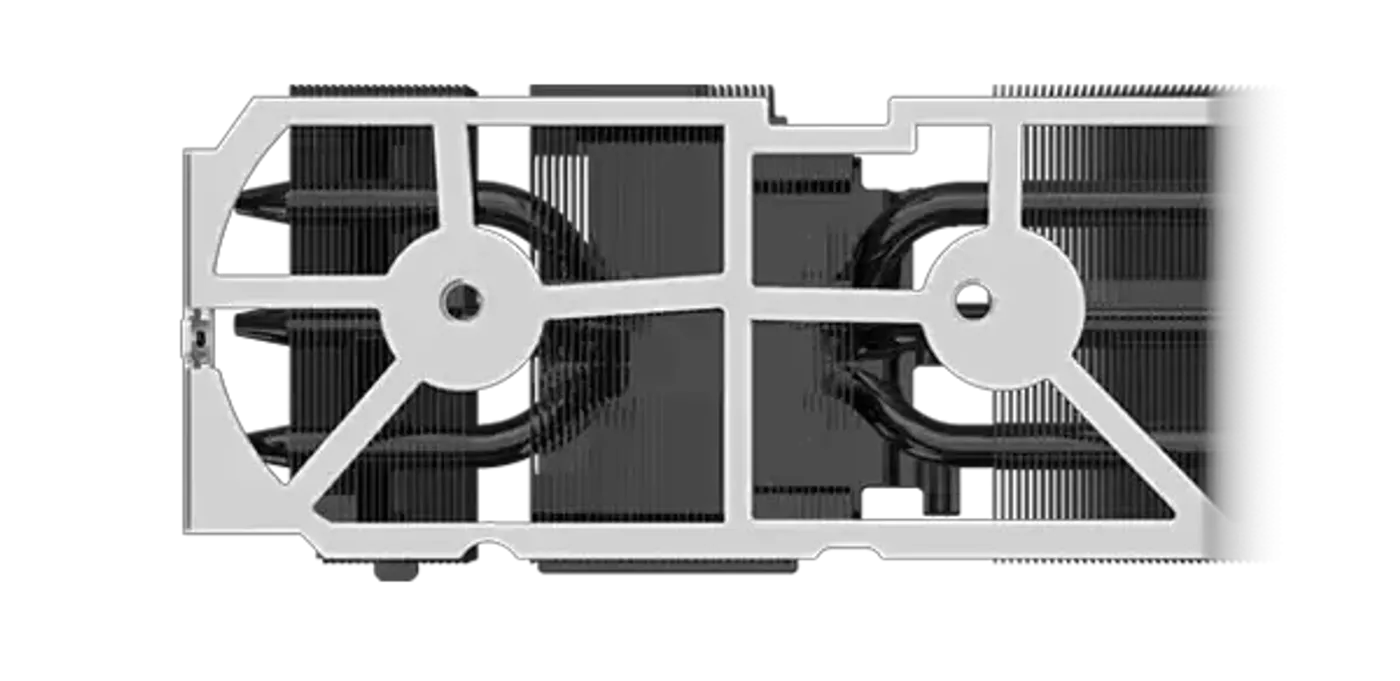
Reinforced Metal Structure With DrMOS Power Stages
An internal metal framework boosts stability and durability under demanding gaming and rendering loads. Power management uses DrMOS technology for efficient delivery, minimal power loss and stable voltage control, high-quality clay-based thermal pads improve heat dissipation for lower temperatures, and integrated fuses on the custom PCB protect against electrical faults and power surges.
Reinforced Metal Structure With DrMOS Power Stages
An internal metal framework boosts stability and durability under demanding gaming and rendering loads. Power management uses DrMOS technology for efficient delivery, minimal power loss and stable voltage control, high-quality clay-based thermal pads improve heat dissipation for lower temperatures, and integrated fuses on the custom PCB protect against electrical faults and power surges.

MSI Center, Afterburner And APP Player Software
MSI Center provides system monitoring, tuning and optimisation for gaming PCs, with AI Tuning adjusting settings automatically for peak performance. MSI Afterburner is the global leading graphics card overclocking and monitoring tool, offering precise controls and real-time metrics. MSI APP Player, developed with BlueStacks, bridges mobile gaming onto the PC.
MSI Center, Afterburner And APP Player Software
MSI Center provides system monitoring, tuning and optimisation for gaming PCs, with AI Tuning adjusting settings automatically for peak performance. MSI Afterburner is the global leading graphics card overclocking and monitoring tool, offering precise controls and real-time metrics. MSI APP Player, developed with BlueStacks, bridges mobile gaming onto the PC.
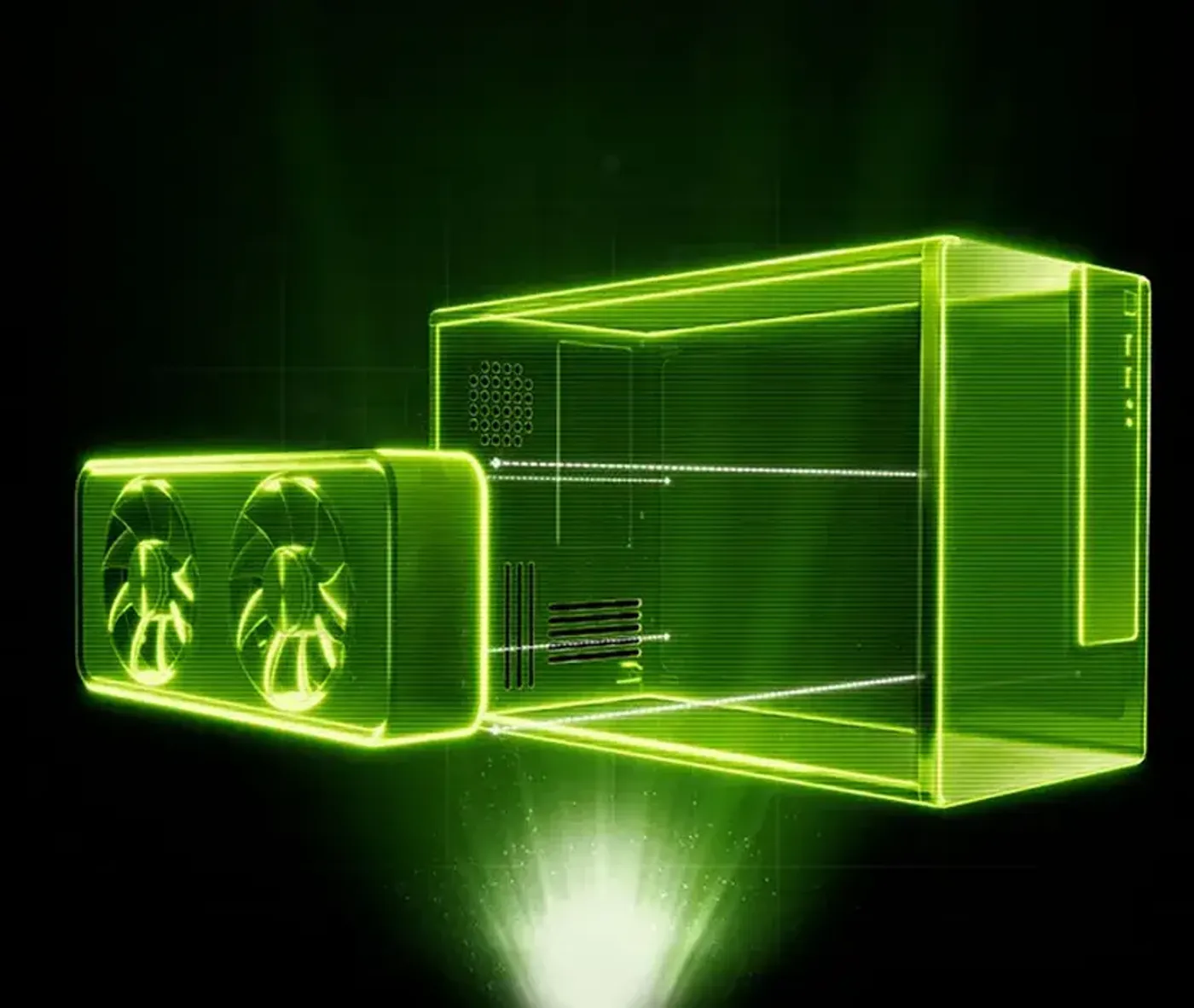
SFF-Ready For Compact High-Performance Builds
This is an SFF-Ready Enthusiast GeForce graphics card, meaning it meets NVIDIA's sizing guidance for small form factor systems. Pairing it with an SFF case designed for enthusiast-grade GeForce GPUs removes the clearance guesswork, so a compact build reaches top-tier gaming performance without turning into a measuring exercise.
SFF-Ready For Compact High-Performance Builds
This is an SFF-Ready Enthusiast GeForce graphics card, meaning it meets NVIDIA's sizing guidance for small form factor systems. Pairing it with an SFF case designed for enthusiast-grade GeForce GPUs removes the clearance guesswork, so a compact build reaches top-tier gaming performance without turning into a measuring exercise.
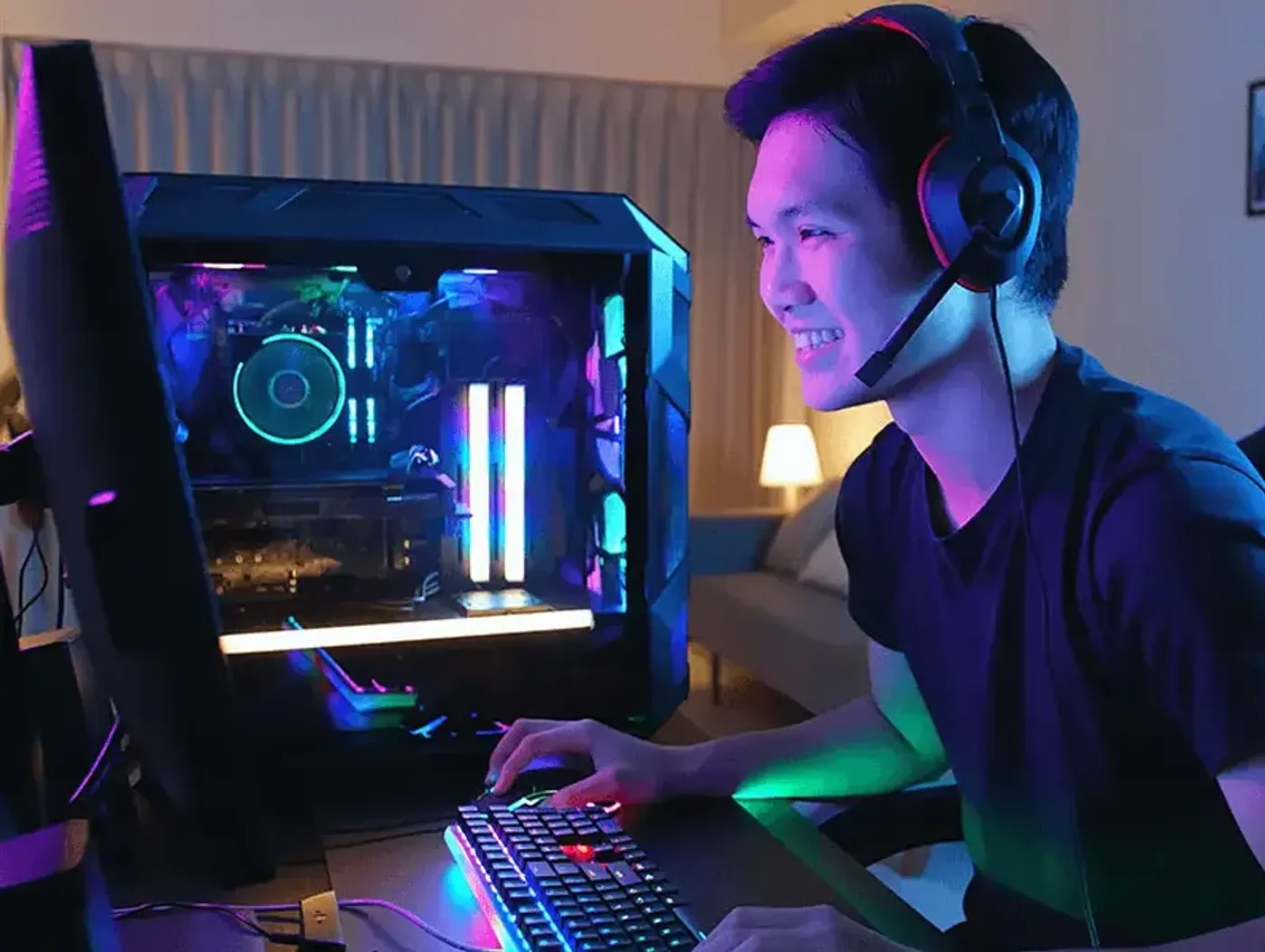
DirectX 12 Ultimate Over PCI Express Gen 5
The RTX 5070 supports DirectX 12 Ultimate, the feature level that defines ray tracing, mesh shaders and variable rate shading for current games. It connects over PCI Express Gen 5, whose rapid data transfer keeps a card of this class fed rather than waiting on the bus during texture-heavy scenes.
DirectX 12 Ultimate Over PCI Express Gen 5
The RTX 5070 supports DirectX 12 Ultimate, the feature level that defines ray tracing, mesh shaders and variable rate shading for current games. It connects over PCI Express Gen 5, whose rapid data transfer keeps a card of this class fed rather than waiting on the bus during texture-heavy scenes.
FAQ
Frequently Asked Questions
Everything you need to know about this product
The card is fitted with 12GB of GDDR7 video memory.
The RTX 5070 carries 6,144 CUDA cores.
It supports PCI Express Gen 5 for rapid data transfer.
It is built on NVIDIA Blackwell, with fifth-generation Tensor Cores and fourth-generation ray tracing cores.
Yes, it supports NVIDIA DLSS 4 with Multi Frame Generation and Ray Reconstruction.
Over 700 titles support DLSS Multi Frame Generation with RTX ray tracing and neural rendering.
The card supports the DirectX 12 Ultimate feature level.
Three TORX FAN 5.0 fans on a large heatsink, with a nickel-plated copper baseplate, Core Pipes and a vented backplate.
It increases airflow by 23% over traditional fans using ring-arc-linked, 22-degree-tilted blades.
No, Zero Frozr stops the fans at low temperatures and restarts them for gaming or high-performance tasks.
Yes, it is an SFF-Ready Enthusiast GeForce card for compatible small form factor cases.
MSI Center handles monitoring and AI Tuning, while MSI Afterburner provides overclocking control and real-time metrics.

AI-Generated Content:These FAQs are generated by an automated AI system and may contain inaccuracies or omissions. Evetech makes no warranties, express or implied, regarding their completeness or reliability. For definitive information, please refer to the manufacturer's official specifications.

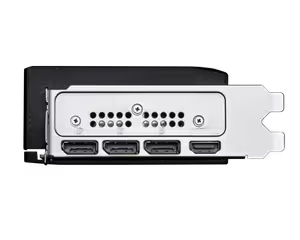
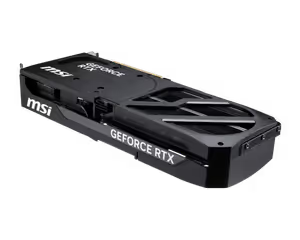
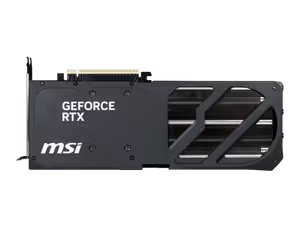
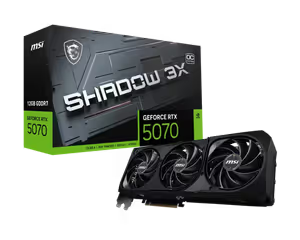
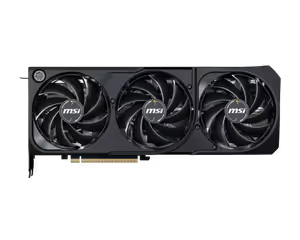
Please Note: Product images are for illustrative purposes only and may differ from the actual product.
Choose your
own PC
Hand-pick every part with live stock, compatibility, and instant pricing.
Try the new builderPrice Inc. Vat
R 14,999
Save R 3,000
ListR 17,999
14999Free Delivery
Qty:
In Stock with Evetech
Choose your
own PC
Hand-pick every part with live stock, compatibility, and instant pricing.
Try the new builderMSI GeForce RTX 5070 12GB SHADOW 3X OC