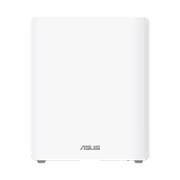
asus-zenwifi-bq16-wifi-7-mesh-system-1-pack
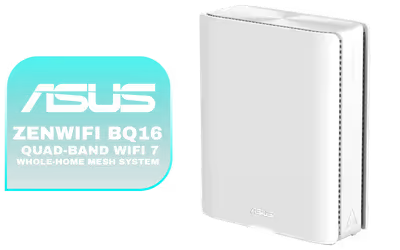
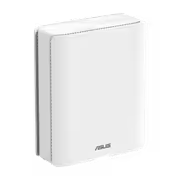
ASUS ZenWiFi BQ16 Quad-Band WiFi 7 Whole-Home Mesh System - 1 Pack / BE25000 Up To 25000Mbps Total / Two 10G Ports And Three Gigabit Ports Per Unit / 12 Internal Antennas / AiMesh Wired Or Wireless Backhaul / AiProtection Pro Security / BQ16-1PK + FREE DELIVERY !
1 Year Local Warranty
Model No : ASUS BQ16-1PK
Price Inc. Vat
R 10,999
Save R 2,000
ListR 12,999
10999Free Delivery
Qty:
In Stock with Evetech
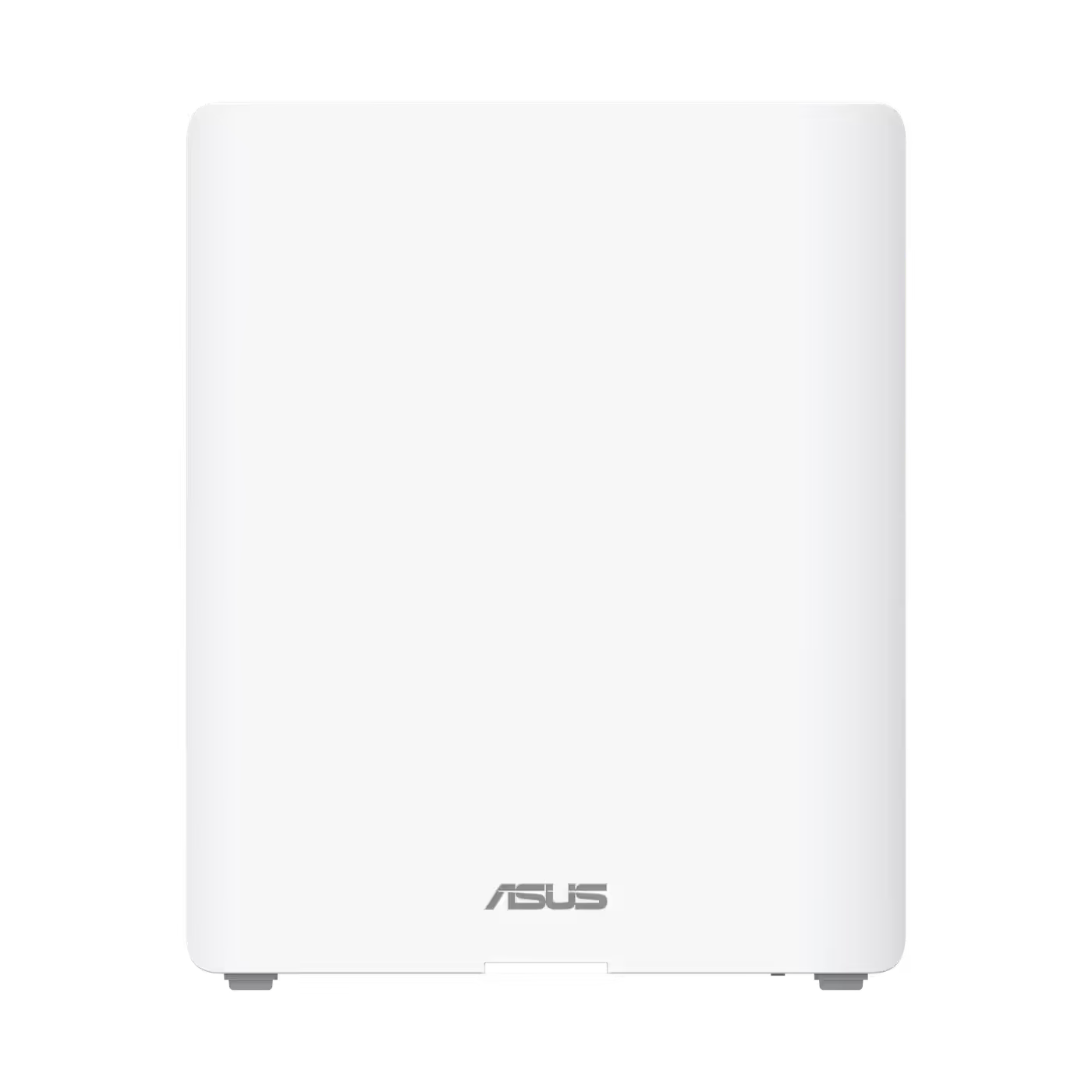
ASUS ZenWiFi BQ16 WiFi 7 Mesh 1 Pack BE25000
Quad-Band WiFi 7 At BE25000
Four radios, not three: 11529Mbps on 6GHz, 5764Mbps on each of two separate 5GHz bands and 1376Mbps on 2.4GHz, for a BE25000 total across sixteen streams. The second 5GHz radio is what makes the quad-band layout useful rather than just a bigger number.
Quad-Band WiFi 7 At BE25000
Four radios, not three: 11529Mbps on 6GHz, 5764Mbps on each of two separate 5GHz bands and 1376Mbps on 2.4GHz, for a BE25000 total across sixteen streams. The second 5GHz radio is what makes the quad-band layout useful rather than just a bigger number.
A Dedicated Backhaul Band
The second 5GHz radio can be reserved for unit-to-unit traffic, so the link carrying the mesh is not the same link your devices are using. 320MHz channels and 4096-QAM raise throughput on WiFi 7 clients.
A Dedicated Backhaul Band
The second 5GHz radio can be reserved for unit-to-unit traffic, so the link carrying the mesh is not the same link your devices are using. 320MHz channels and 4096-QAM raise throughput on WiFi 7 clients.
Dual 10G Ports Per Unit
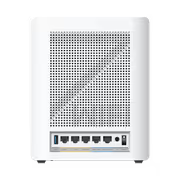
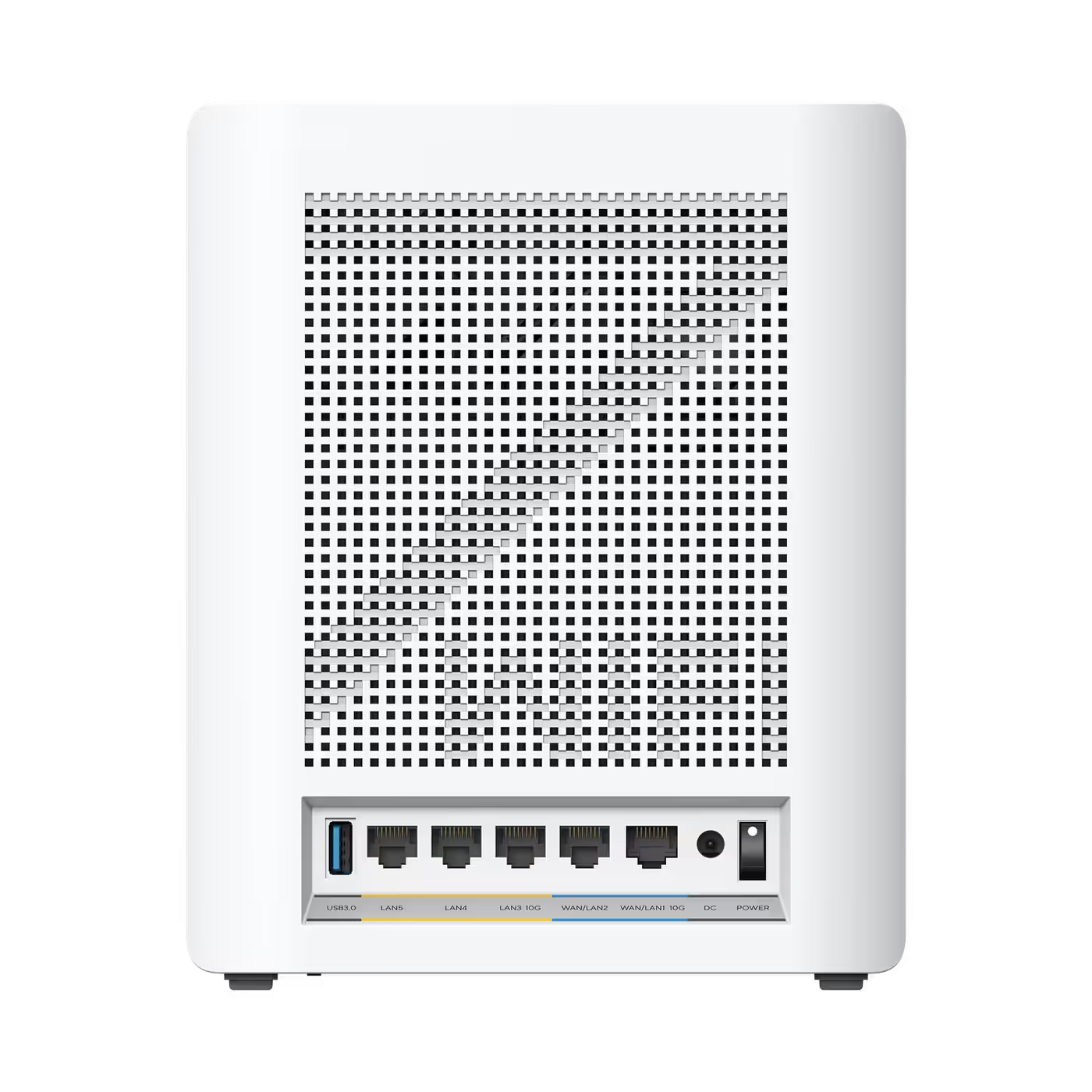
Each unit carries one 10 Gigabit WAN/LAN port and one 10 Gigabit LAN port, plus three Gigabit ports and USB 3.0. Two 10G ports per unit also means a 10 Gigabit wired backhaul between units where you have cable between rooms.
Dual 10G Ports Per Unit
Each unit carries one 10 Gigabit WAN/LAN port and one 10 Gigabit LAN port, plus three Gigabit ports and USB 3.0. Two 10G ports per unit also means a 10 Gigabit wired backhaul between units where you have cable between rooms.
AiMesh Across The Whole Home
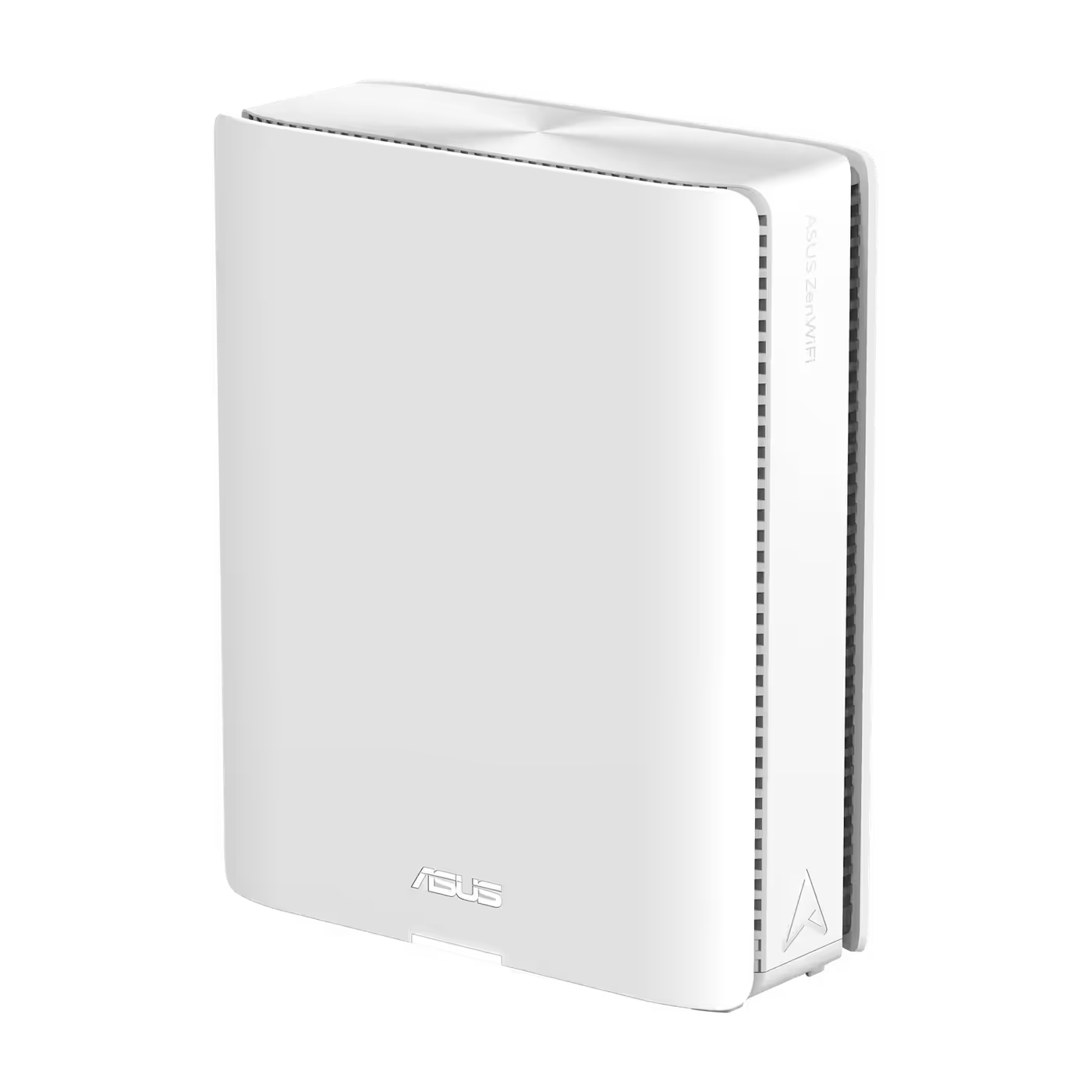
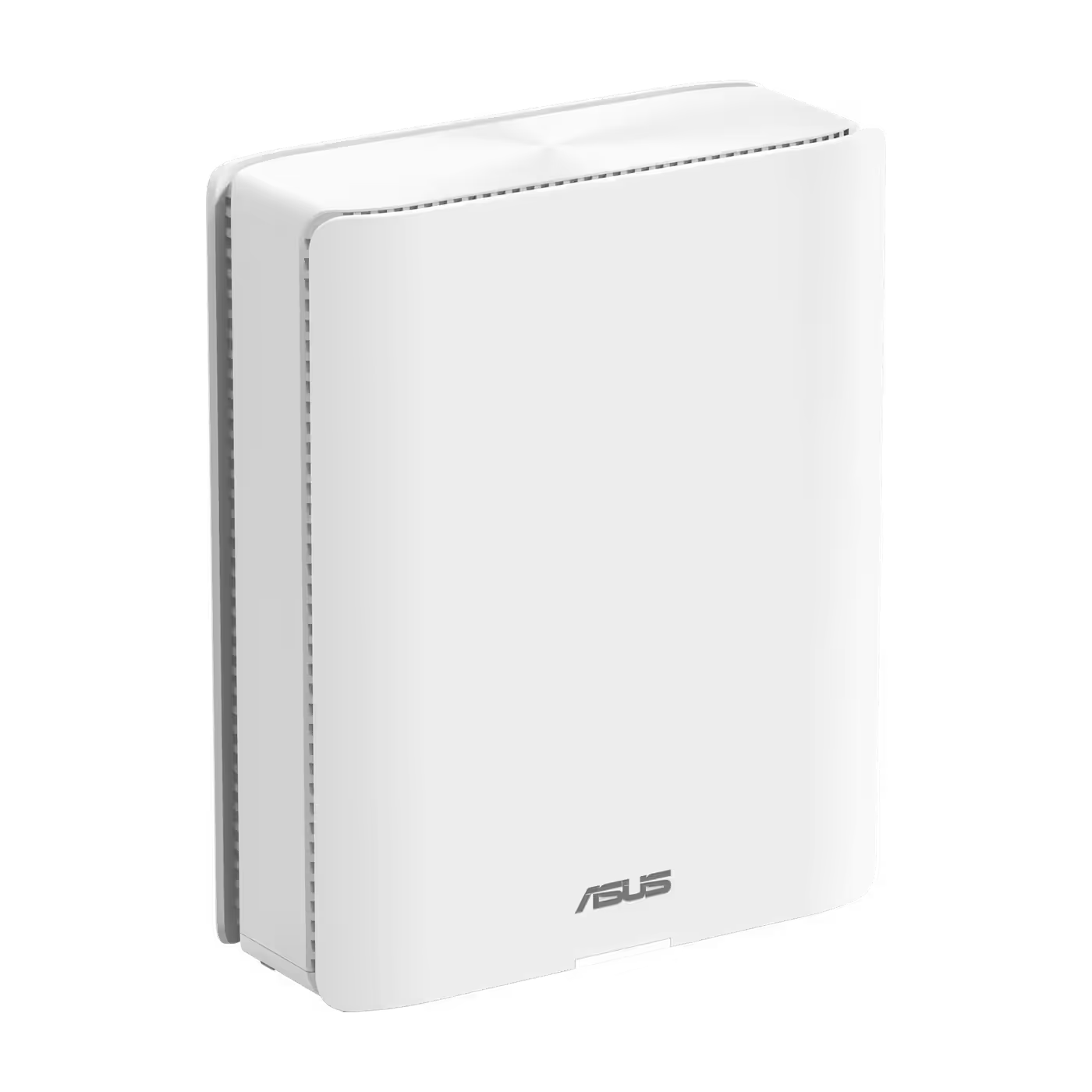
Every unit runs as router, access point or AiMesh node under one network name, and the backhaul leans on WiFi 7 Multi-Link Operation to aggregate or switch bands by itself. ASUS publishes a coverage figure for the two-pack rather than for a single unit, so treat room count as the better guide here.
Twelve Antennas, Sixteen Front-End Modules
Twelve internal antennas driving 4x4 on every band, with sixteen high-power front-end modules behind them. A quad-core 2.6GHz processor and 2GB of RAM keep a busy mesh responsive rather than just fast on paper.
Twelve Antennas, Sixteen Front-End Modules
Twelve internal antennas driving 4x4 on every band, with sixteen high-power front-end modules behind them. A quad-core 2.6GHz processor and 2GB of RAM keep a busy mesh responsive rather than just fast on paper.
AiProtection Pro And Smart Home Master
Commercial-grade AiProtection Pro from Trend Micro covers every unit in the mesh, not only the primary. Smart Home Master adds up to three separate SSIDs - one for IoT gear, one for children's devices, one for VPN - and parental controls run without a subscription.
FAQ
Frequently Asked Questions
Everything you need to know about this product
Yes. One unit is a complete BE25000 WiFi 7 router and needs nothing else to run your home network. It can also be added later as an AiMesh node to a ZenWiFi BQ16 network you already own. The box holds 1 ZenWiFi BQ16 unit, an RJ-45 cable and a power adapter per unit, plus a quick start guide and warranty card.
ASUS rates it BE25000 ultimate BE performance : 1376+5764+5764+11529 Mbps. That headline number is the sum of every radio, not a speed one device will see. A single WiFi 7 client connects to one band at a time.
Each unit carries two 10G ports and three Gigabit ports. In full: 1x 10G for WAN/LAN; 1x 10G for LAN; 1x 1G for WAN/LAN; 2x 1G for LAN. There is also a USB port on each unit.
Yes. AiMesh supports a wired backhaul, which is the more reliable option when you already have cable between rooms. Wireless backhaul works where cabling is not practical. You can mix the two across different units.
Not to use it - the ZenWiFi BQ16 is backwards compatible with WiFi 6E, WiFi 6, WiFi 5 and WiFi 4 devices. The WiFi 7 gains, including 4096-QAM and the wider channels, only apply to WiFi 7 clients. Older devices still benefit from better coverage and less congestion.
AiProtection Pro, Router Security Assessment, Malicious Site Blocking, Two-Way IPS. WPA3-Personal and WPA/WPA2-Enterprise encryption are supported, along with a firewall and DNS-over-TLS. The protection applies across the whole mesh, not only the primary unit.
Yes. AiMesh lets you add compatible ASUS units to an existing network without starting over. Mixing models is supported, though each unit runs to its own capability. Buying a matching ZenWiFi BQ16 unit keeps performance consistent across the house.


AI-Generated Content: These FAQs are generated by an automated AI system and may contain inaccuracies or omissions. Evetech makes no warranties, express or implied, regarding their completeness or reliability. For definitive information, please refer to the manufacturer's official specifications.
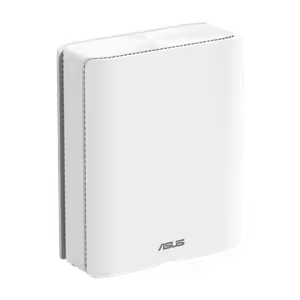
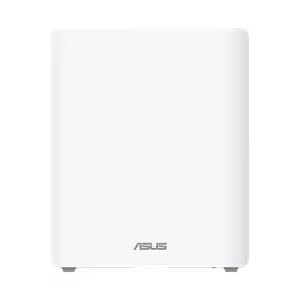
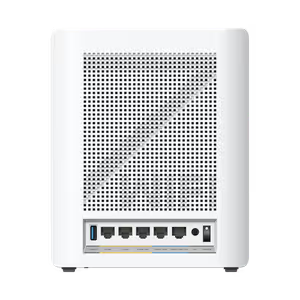
Please Note: Product images are for illustrative purposes only and may differ from the actual product.
Choose your
own PC
Hand-pick every part with live stock, compatibility, and instant pricing.
Try the new builderPrice Inc. Vat
R 10,999
Save R 2,000
ListR 12,999
10999Free Delivery
Qty:
In Stock with Evetech
Choose your
own PC
Hand-pick every part with live stock, compatibility, and instant pricing.
Try the new builderASUS ZenWiFi BQ16 Quad-Band WiFi 7 Whole-Home Mesh System