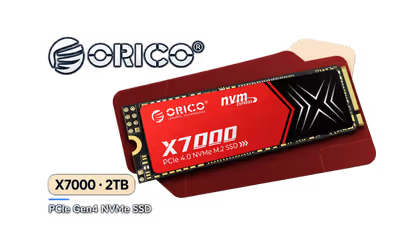
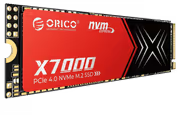
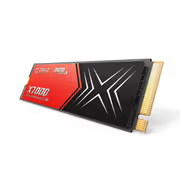
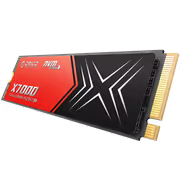
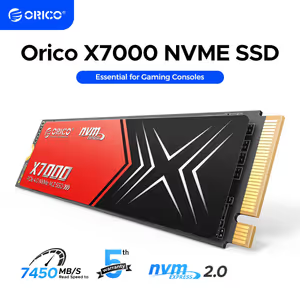
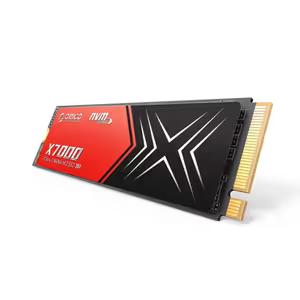
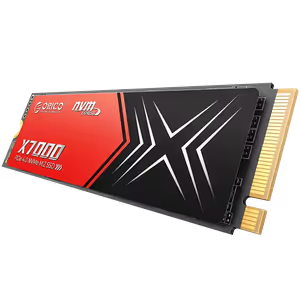
Orico X7000 2TB M 2 NVMe SSD
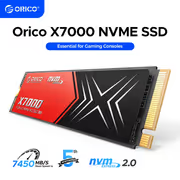
Orico X7000 2TB NVMe Internal Solid State Drive SSD / Versatile storage for multiple platforms / PCIe Gen 4.0, M.2 2280 / Up to 7100MB/s Read Speed / Up to 6500MB/s Write Speed / ORICO-X7000-2TB-RD-BP + FREE DELIVERY !
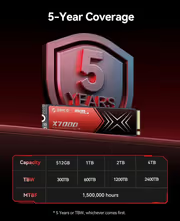
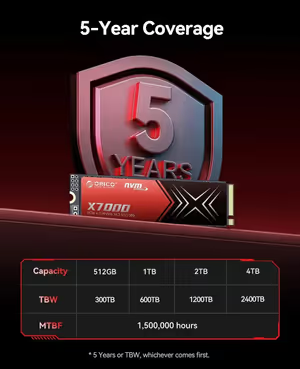
5 Years Local Warranty
Model No : Orico ORICO-X7000-2TB-RD-BP
Price Inc. Vat
R 5,599
Save R 400
ListR 5,999
5599Free Delivery
Qty:
In Stock with Evetech
Orico X7000 2TB NVMe SSD PCIe Gen4 M.2 2280
2TB PCIe Gen 4.0 NVMe SSD For M.2 2280
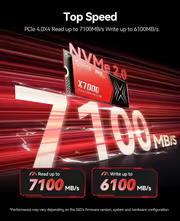
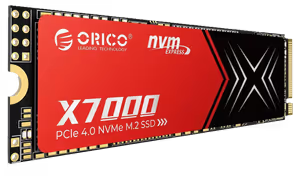
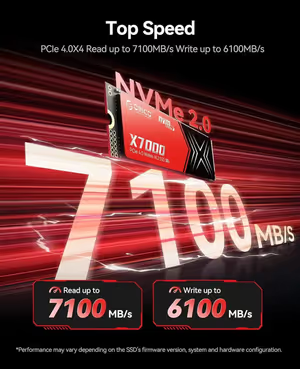
The Orico X7000 2TB NVMe SSD uses PCIe Gen 4.0 and fits M.2 2280 slots, so it goes into laptops, desktops and other devices that support NVMe drives. Reads run up to 7100MB/s and writes up to 6500MB/s, keeping load times short for games, applications and large files while multitasking stays smooth across a 2TB library.
2TB PCIe Gen 4.0 NVMe SSD For M.2 2280
The Orico X7000 2TB NVMe SSD uses PCIe Gen 4.0 and fits M.2 2280 slots, so it goes into laptops, desktops and other devices that support NVMe drives. Reads run up to 7100MB/s and writes up to 6500MB/s, keeping load times short for games, applications and large files while multitasking stays smooth across a 2TB library.
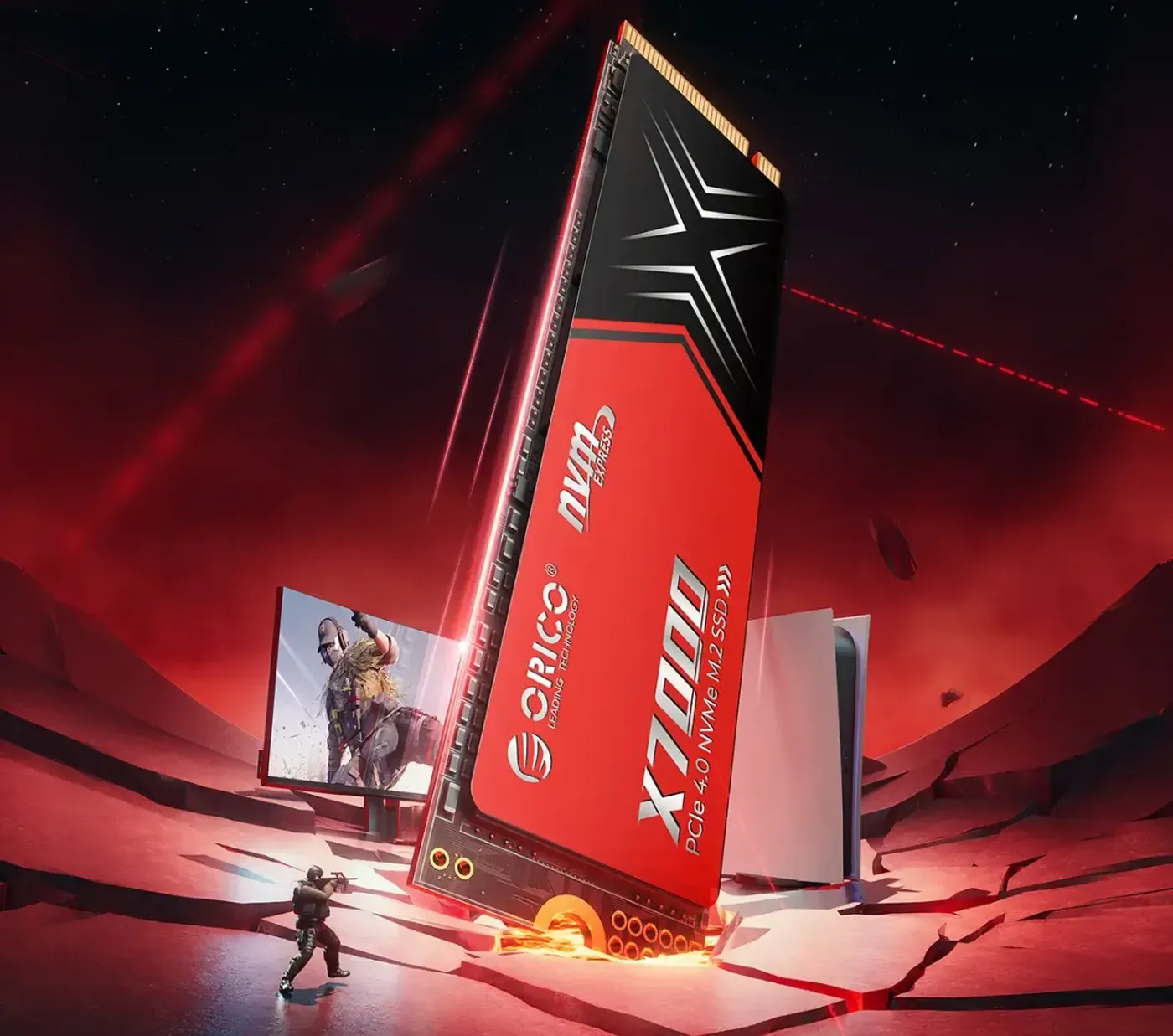
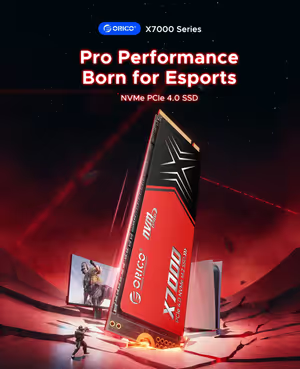
Esports-Grade Throughput And Low Latency
The X7000 is an NVMe 2.0 drive engineered for rapid data transfer rather than bulk archive duty, pairing high sequential throughput with low latency. Both halves matter: a drive with a big sequential number that stalls on scattered small reads still leaves a system waiting, which is what the tuning here is aimed at.
Esports-Grade Throughput And Low Latency
The X7000 is an NVMe 2.0 drive engineered for rapid data transfer rather than bulk archive duty, pairing high sequential throughput with low latency. Both halves matter: a drive with a big sequential number that stalls on scattered small reads still leaves a system waiting, which is what the tuning here is aimed at.
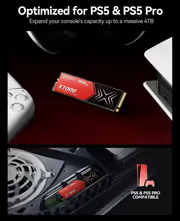
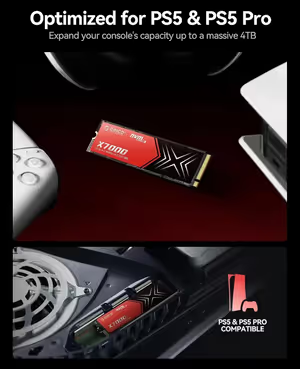
Single-Sided PCB Fits PCs, Laptops And PS5
A single-sided PCB and compact design give the X7000 broad support across desktops, laptops and the PlayStation 5. Single-sided construction is what lets it clear thin laptop chassis and console bays where a double-sided module will not fit. Confirm the slot accepts an M.2 2280 NVMe PCIe drive before installation.
Single-Sided PCB Fits PCs, Laptops And PS5
A single-sided PCB and compact design give the X7000 broad support across desktops, laptops and the PlayStation 5. Single-sided construction is what lets it clear thin laptop chassis and console bays where a double-sided module will not fit. Confirm the slot accepts an M.2 2280 NVMe PCIe drive before installation.
MAP1602 Controller With Advanced ECC
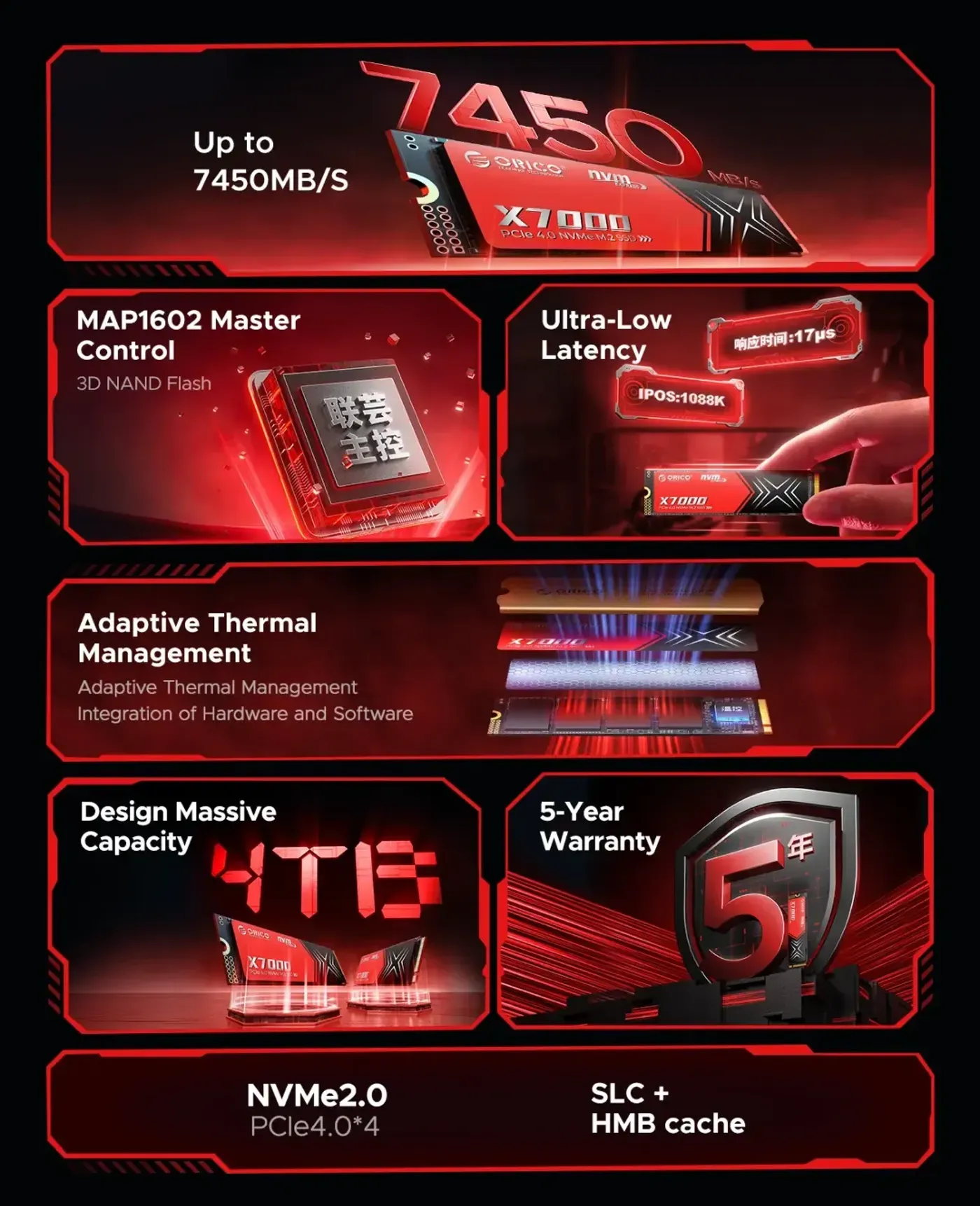
A MAP1602 PCIe Gen4 x4 controller drives the X7000, combining an energy-efficient power design with advanced ECC error correction. ECC keeps stored data intact as flash cells wear, and pairing it with a full-width Gen4 controller targets enthusiasts and creators who need premium, consistent performance across long sessions.
MAP1602 Controller With Advanced ECC
A MAP1602 PCIe Gen4 x4 controller drives the X7000, combining an energy-efficient power design with advanced ECC error correction. ECC keeps stored data intact as flash cells wear, and pairing it with a full-width Gen4 controller targets enthusiasts and creators who need premium, consistent performance across long sessions.
NVMe 2.0 Over A Gen4 x4 Connection
The drive runs the NVMe 2.0 command set over a PCIe Gen4 x4 link, the full-width Gen4 path rather than a narrower connection. Protocol and interface together set the ceiling on what the drive can do, so both need to be supported by the host system before the rated figures appear.
NVMe 2.0 Over A Gen4 x4 Connection
The drive runs the NVMe 2.0 command set over a PCIe Gen4 x4 link, the full-width Gen4 path rather than a narrower connection. Protocol and interface together set the ceiling on what the drive can do, so both need to be supported by the host system before the rated figures appear.
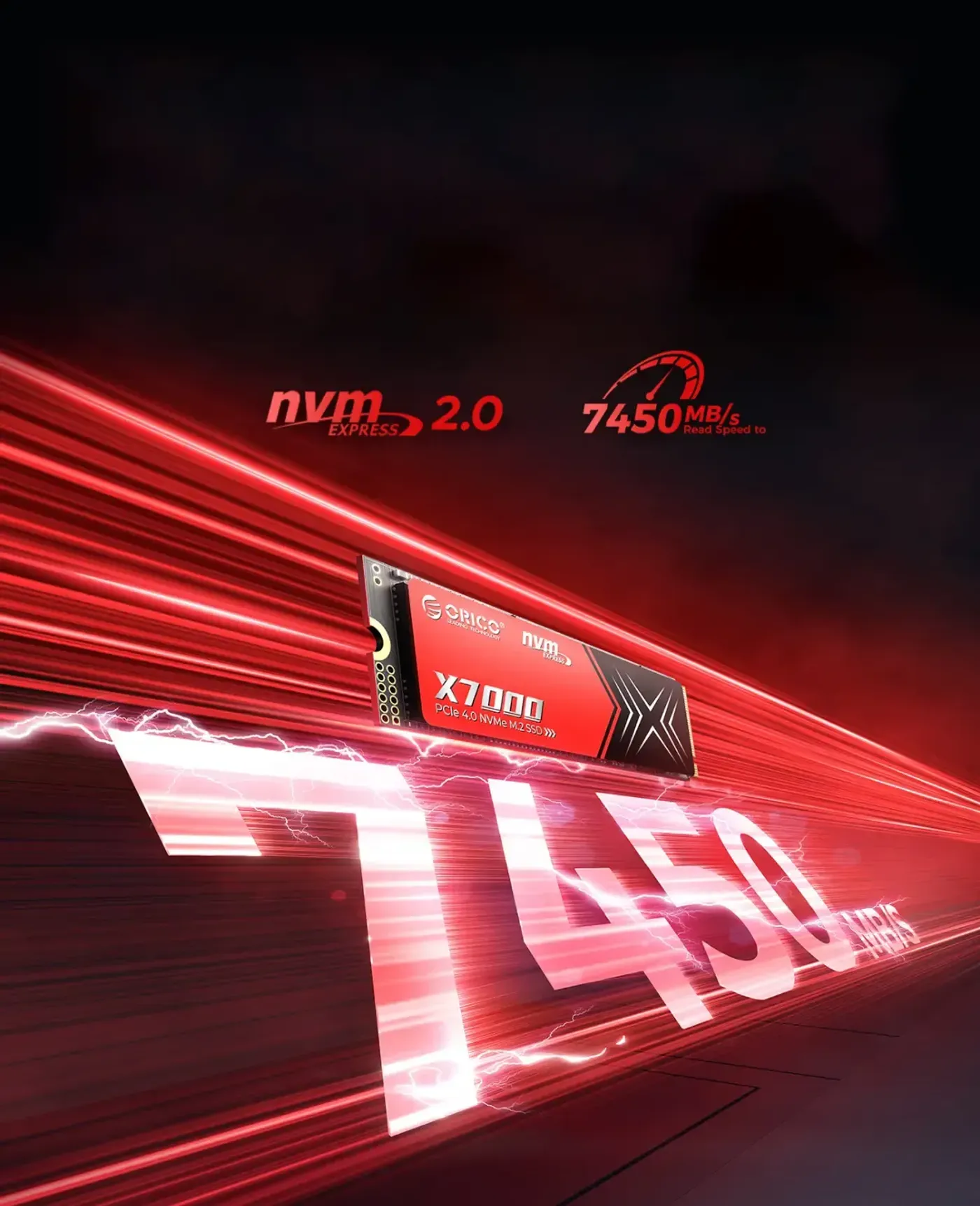
Rated Read And Write Speeds Explained
This 2TB drive is specified for reads up to 7100MB/s and writes up to 6500MB/s. ORICO quotes up to 7,450 MB/s for the wider X7000 line, the figure used on its performance material, so the two numbers describe the series ceiling and this drive's own specification respectively.
Rated Read And Write Speeds Explained
This 2TB drive is specified for reads up to 7100MB/s and writes up to 6500MB/s. ORICO quotes up to 7,450 MB/s for the wider X7000 line, the figure used on its performance material, so the two numbers describe the series ceiling and this drive's own specification respectively.
Quick Load Times For Games And Large Files
High sequential reads mean rapid game startup, shorter level loads and ultra-fast access to project files. For gamers, creative professionals and power users the same throughput carries large file work and heavy multitasking, which is where a 2TB drive earns its place over a smaller boot disk.
Quick Load Times For Games And Large Files
High sequential reads mean rapid game startup, shorter level loads and ultra-fast access to project files. For gamers, creative professionals and power users the same throughput carries large file work and heavy multitasking, which is where a 2TB drive earns its place over a smaller boot disk.
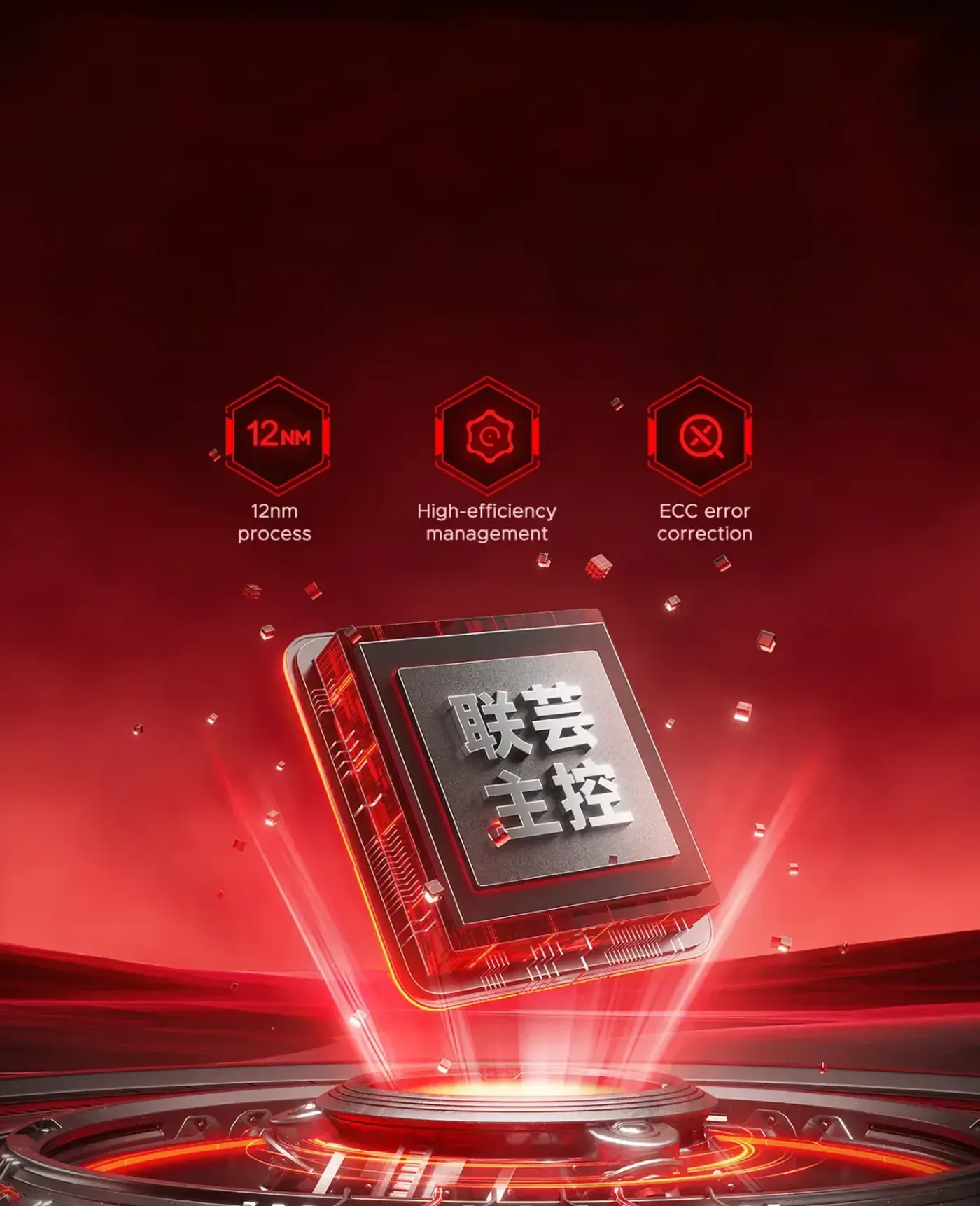
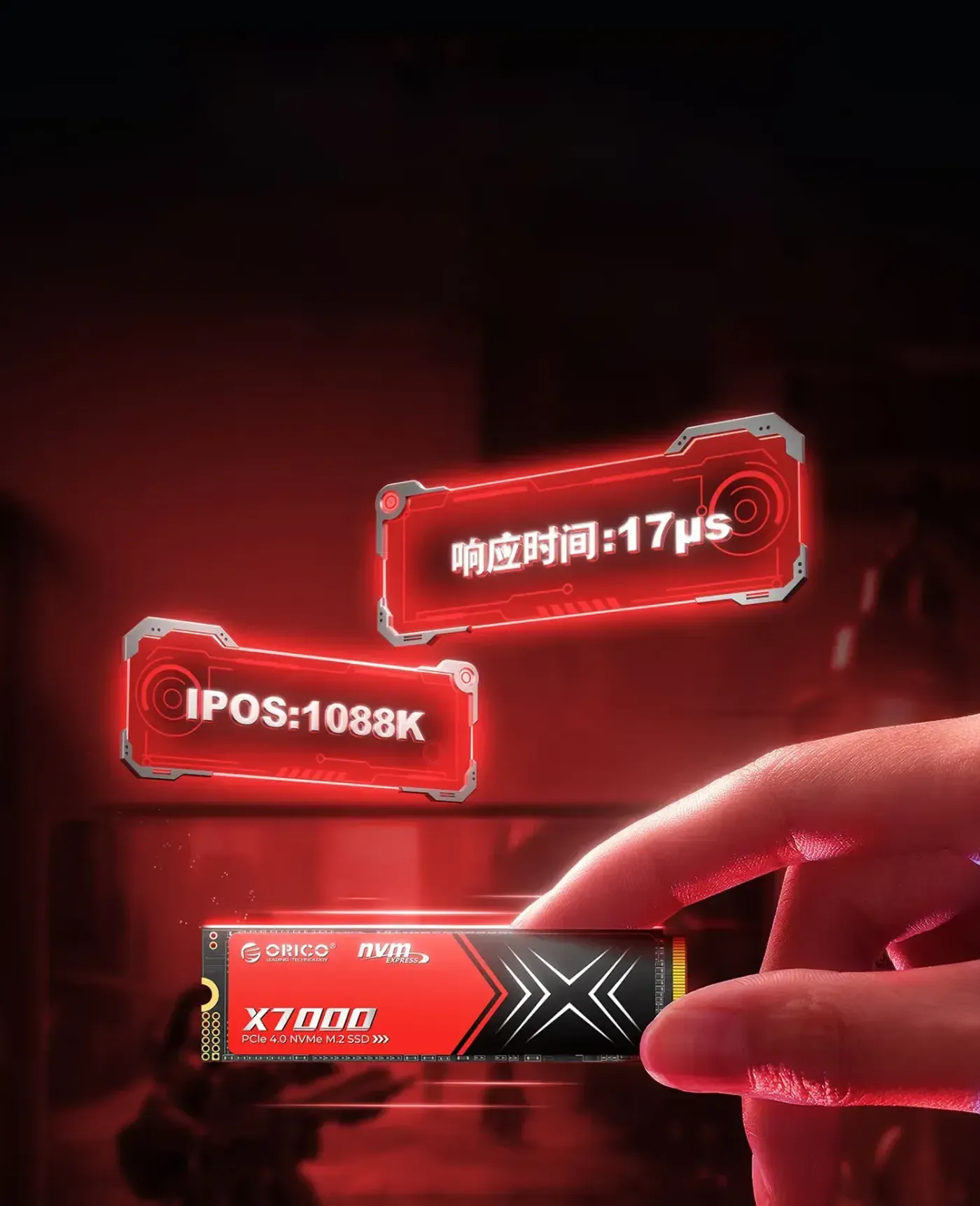
Up To 1,088K IOPS For Random Access
The X7000 is rated for up to 1,088K IOPS, the count of separate operations the drive can handle each second. Operating systems and games generate thousands of small scattered reads rather than one continuous transfer, so this figure often describes real-world responsiveness better than the sequential number does.
Up To 1,088K IOPS For Random Access
The X7000 is rated for up to 1,088K IOPS, the count of separate operations the drive can handle each second. Operating systems and games generate thousands of small scattered reads rather than one continuous transfer, so this figure often describes real-world responsiveness better than the sequential number does.
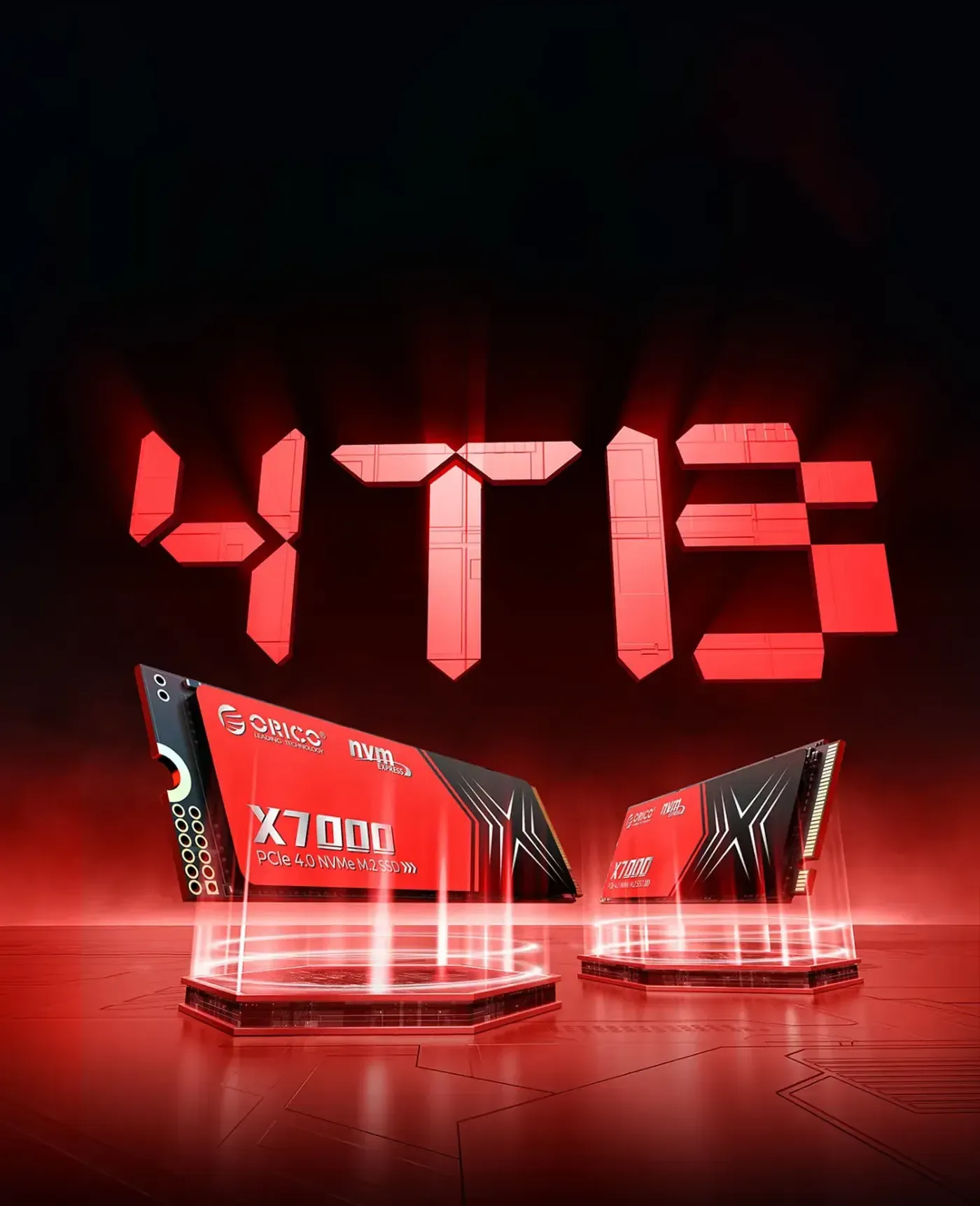
17 µs Response With HMB And SLC Caching
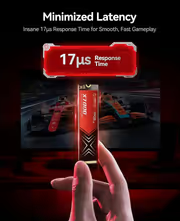
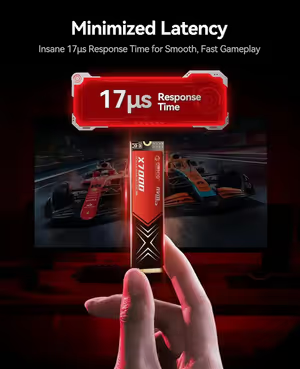
Response times drop as low as 17 µs, with HMB and smart SLC caching doing the work behind that figure. HMB holds the drive's mapping tables in system memory and the SLC cache takes the first hit of incoming writes, giving snappier scene loads, reduced lag and consistently smooth gameplay.
17 µs Response With HMB And SLC Caching
Response times drop as low as 17 µs, with HMB and smart SLC caching doing the work behind that figure. HMB holds the drive's mapping tables in system memory and the SLC cache takes the first hit of incoming writes, giving snappier scene loads, reduced lag and consistently smooth gameplay.
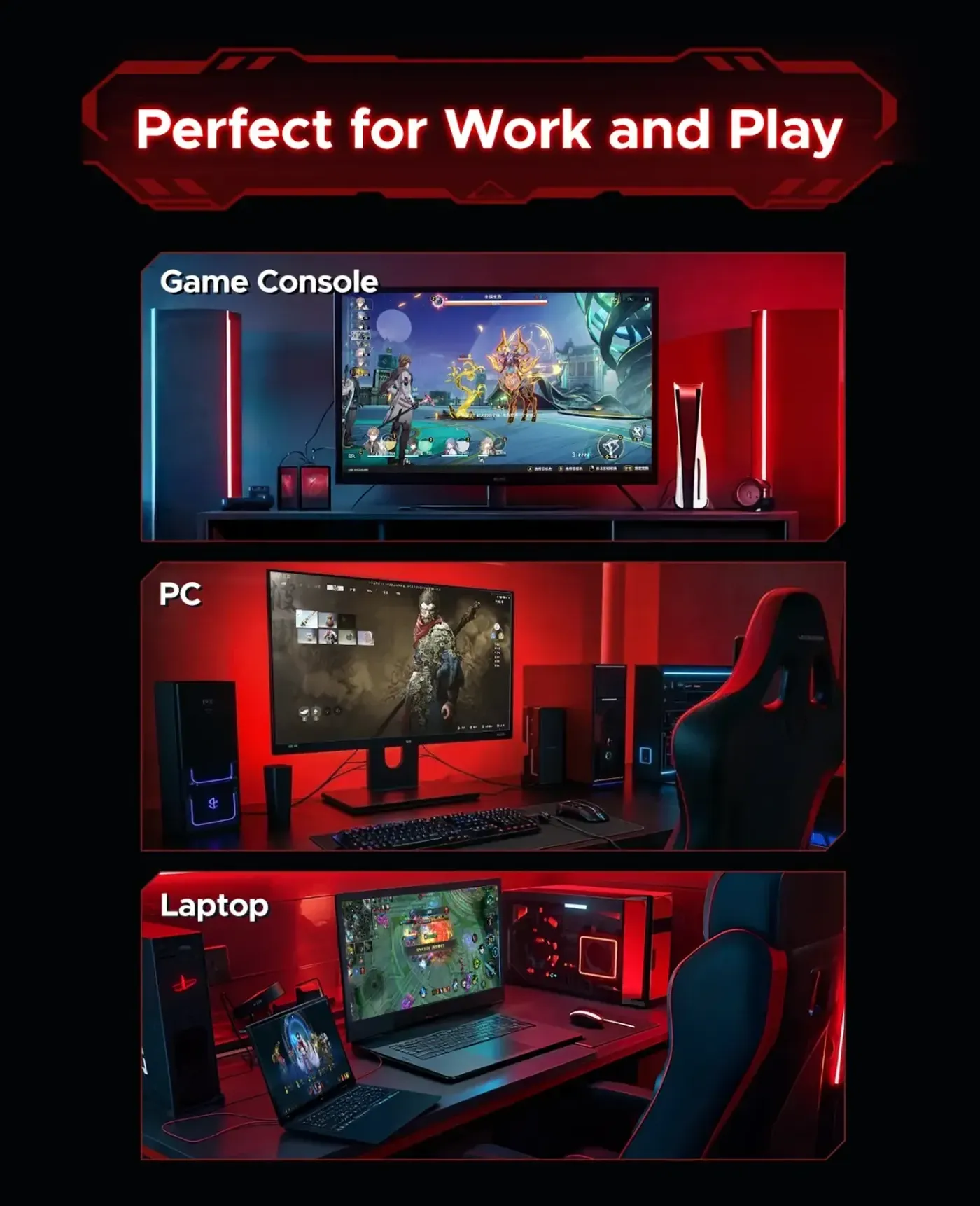
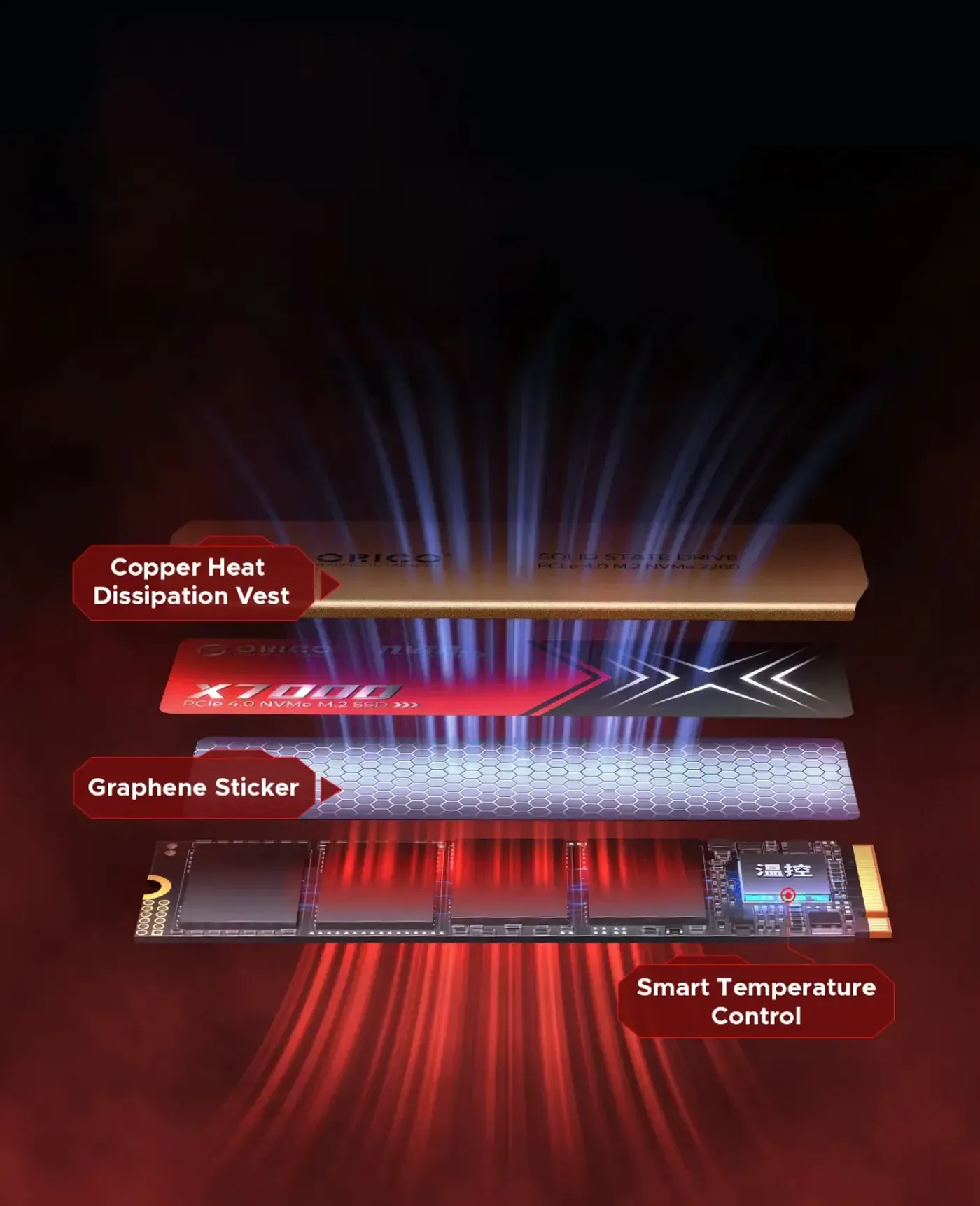
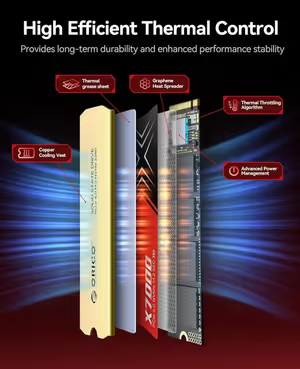
Graphene Heat Spreader And Copper Heatsinks
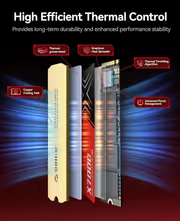
Cooling comes from a graphene heat spreader working with copper heatsinks, both chosen for how fast they pull heat away from the controller and flash. On a Gen4 drive temperature is the practical limit under sustained load, so the cooling hardware is part of the specification rather than an optional extra.
Graphene Heat Spreader And Copper Heatsinks
Cooling comes from a graphene heat spreader working with copper heatsinks, both chosen for how fast they pull heat away from the controller and flash. On a Gen4 drive temperature is the practical limit under sustained load, so the cooling hardware is part of the specification rather than an optional extra.
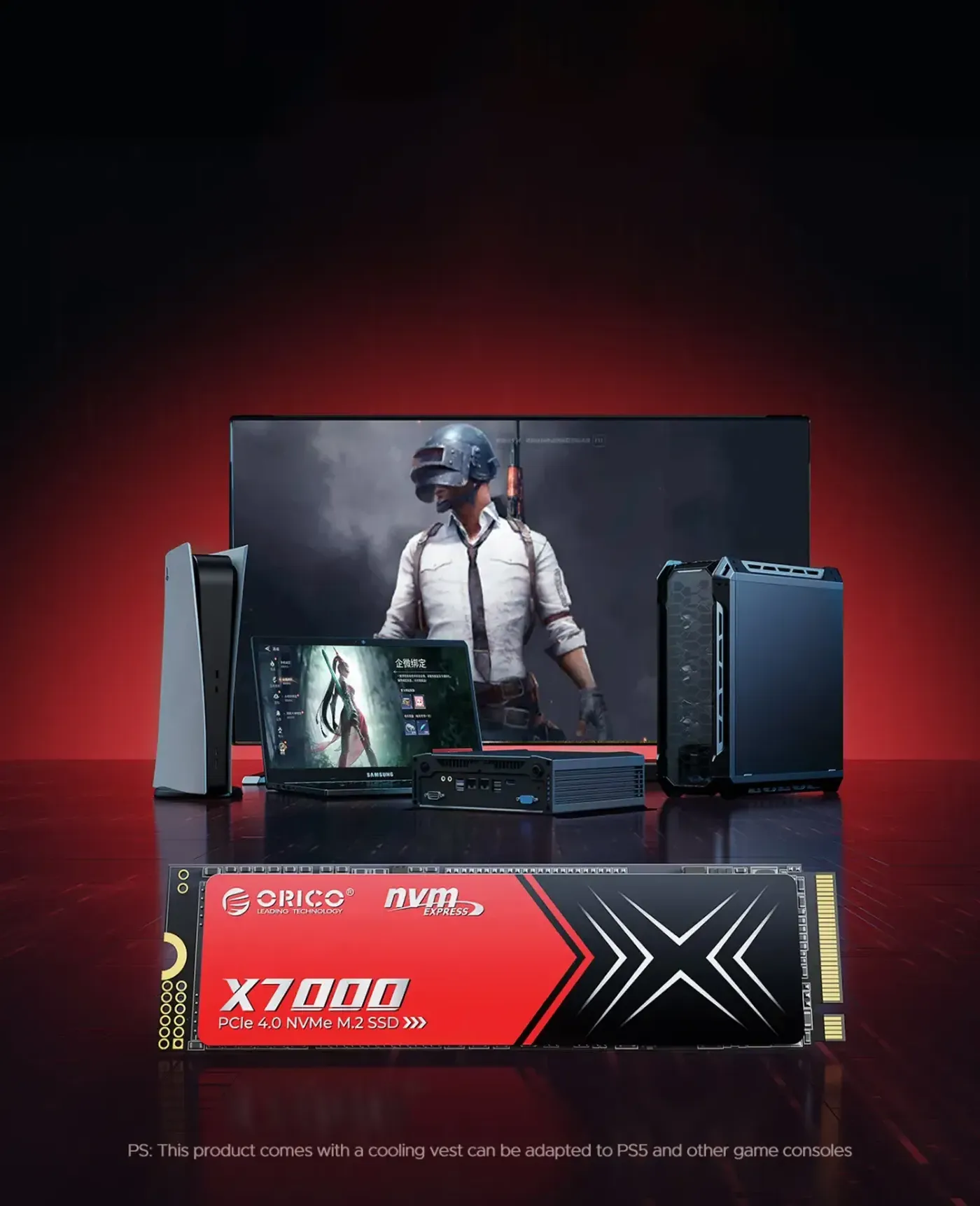
Adaptive Thermal And Power Management
Adaptive thermal and power management works alongside the physical cooling to control temperatures under heavy workloads, keeping performance stable and sustained. It is the difference between a drive that holds its speed through a long copy and one that posts a high figure briefly and then eases off as it warms.
Adaptive Thermal And Power Management
Adaptive thermal and power management works alongside the physical cooling to control temperatures under heavy workloads, keeping performance stable and sustained. It is the difference between a drive that holds its speed through a long copy and one that posts a high figure briefly and then eases off as it warms.
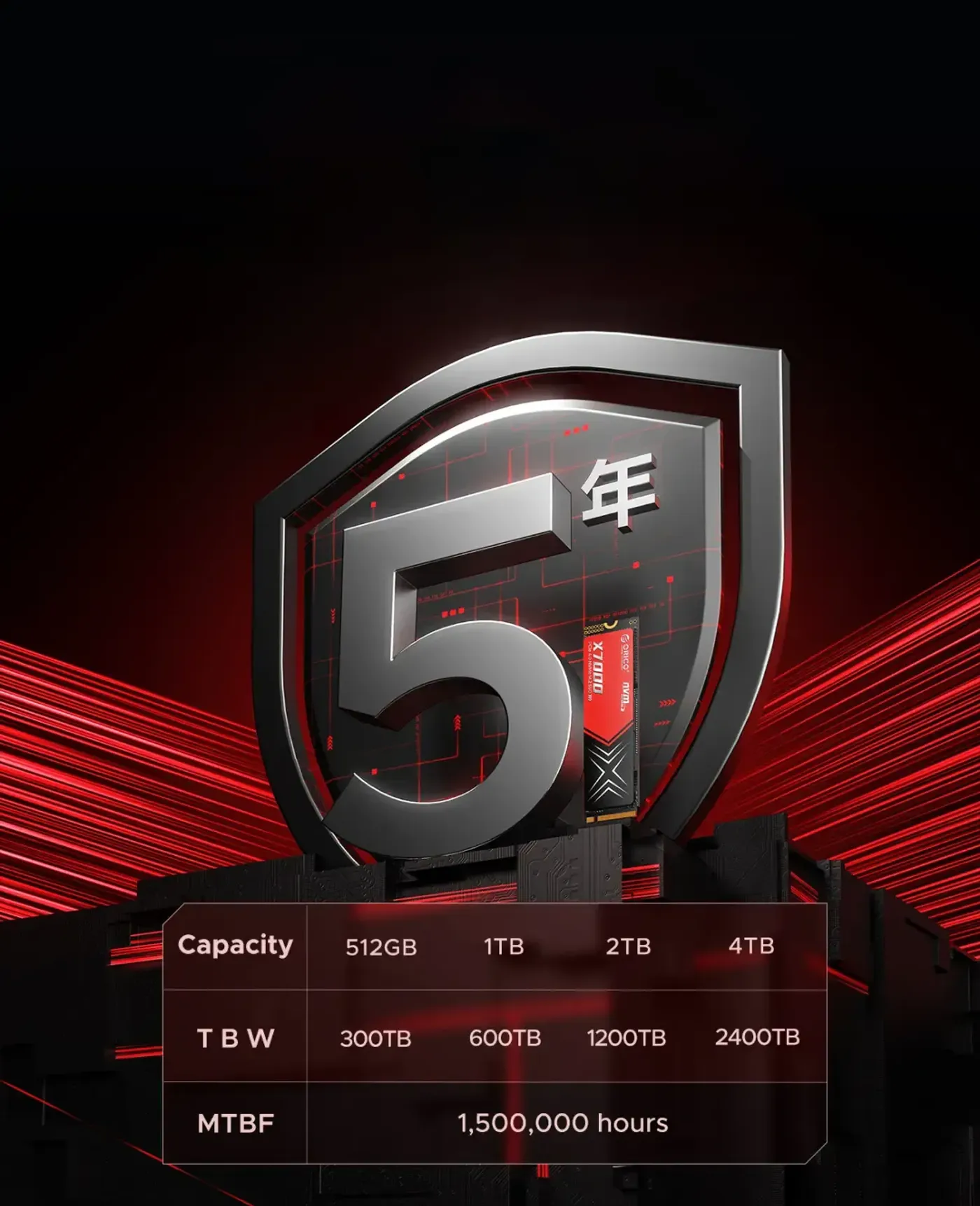
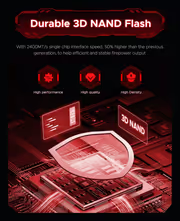
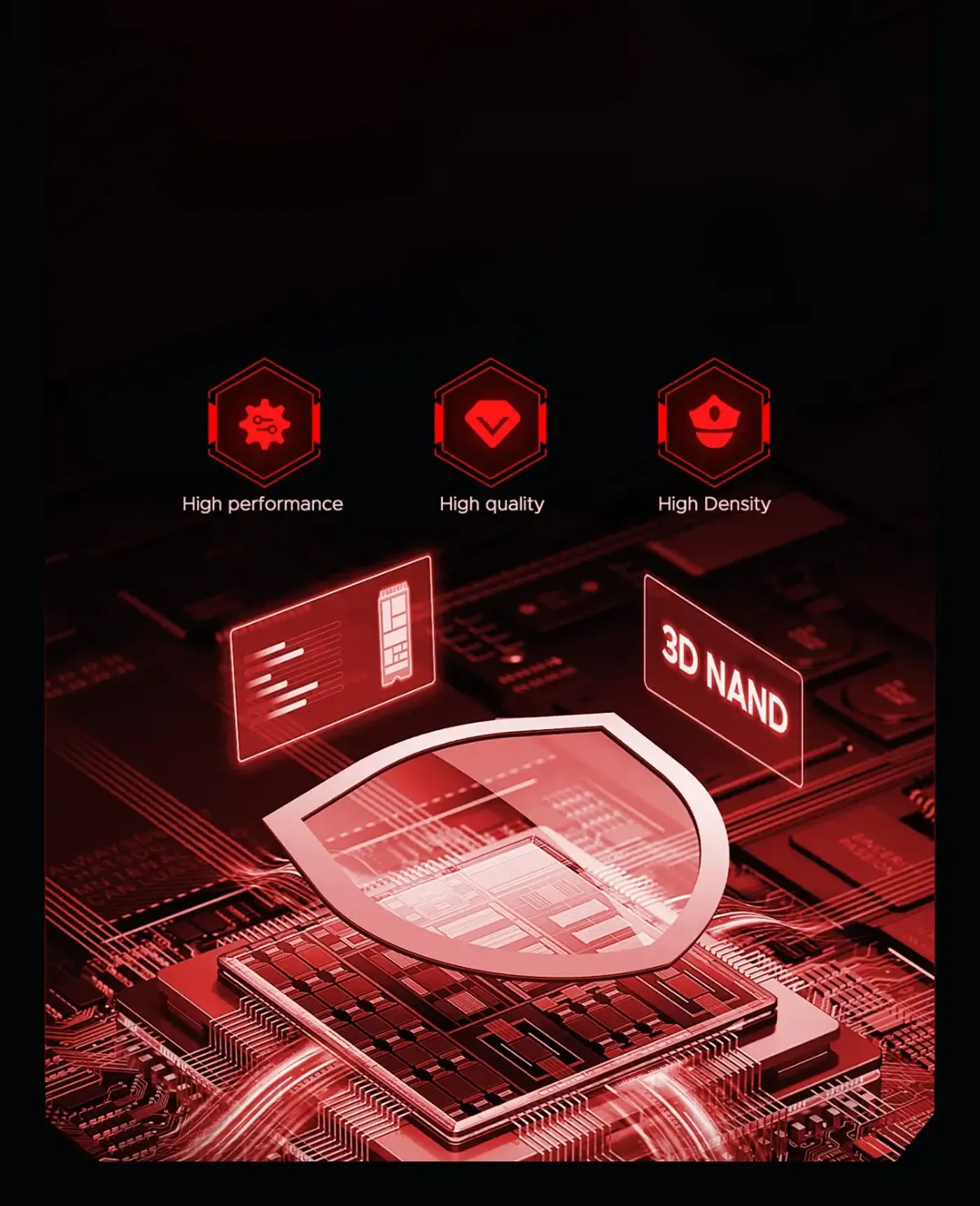
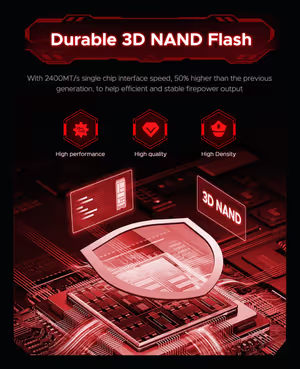
3D NAND At Up To 2,400 MT/s Per Chip
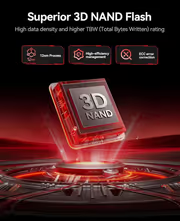
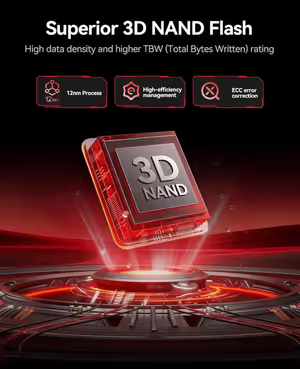
Next-generation 3D NAND runs a per-chip interface of up to 2,400 MT/s, which ORICO rates at 50% faster than the previous generation. That per-chip throughput is what keeps the controller supplied with data, delivering efficient and stable performance across sustained workloads instead of only short bursts.
3D NAND At Up To 2,400 MT/s Per Chip
Next-generation 3D NAND runs a per-chip interface of up to 2,400 MT/s, which ORICO rates at 50% faster than the previous generation. That per-chip throughput is what keeps the controller supplied with data, delivering efficient and stable performance across sustained workloads instead of only short bursts.
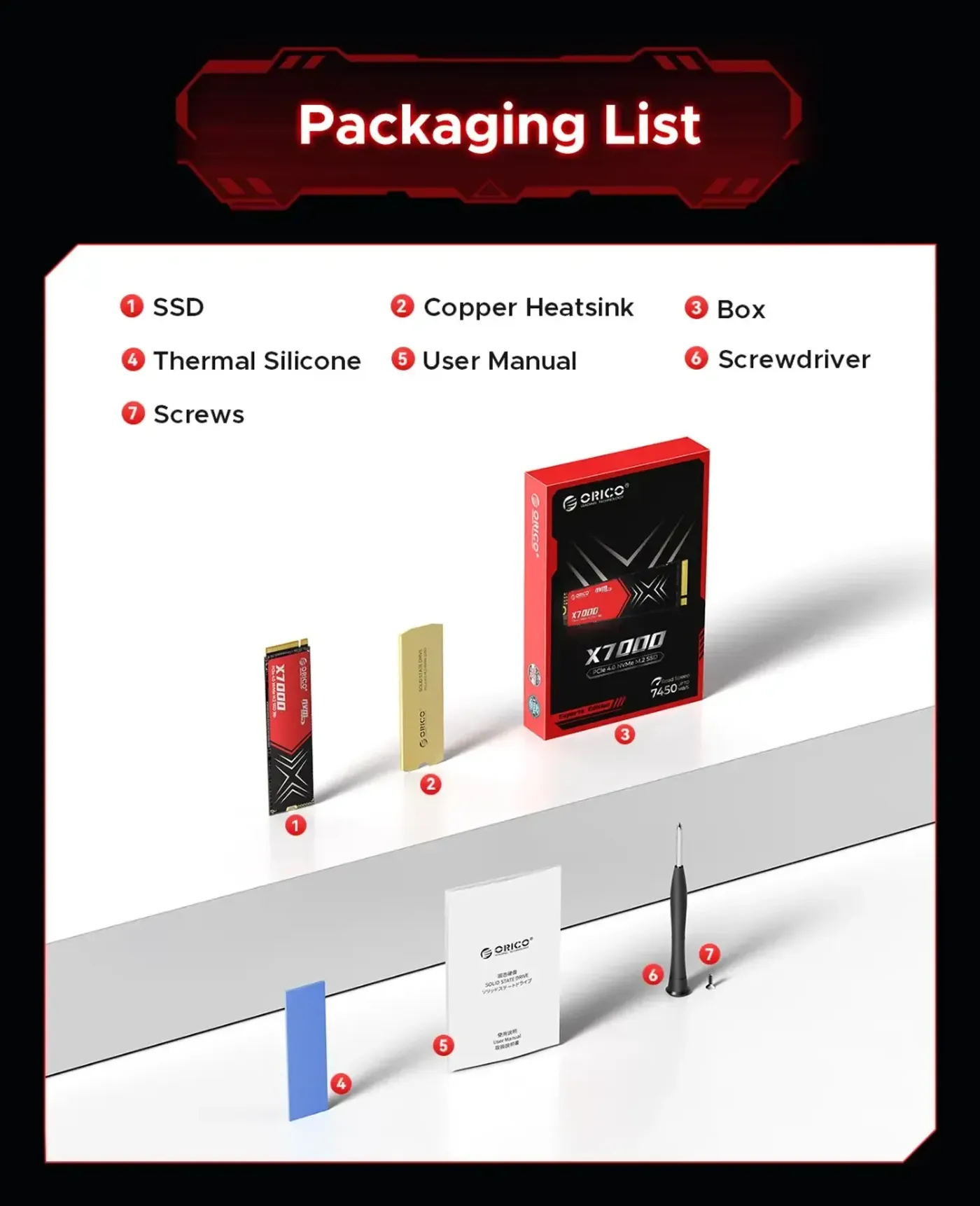
X7000 Series Scales Up To 4TB
This is the 2TB model, and the X7000 series scales up to 4TB, so a full library can be consolidated onto one high-speed NVMe drive rather than split between several. On consoles and compact PCs with a single spare M.2 slot, that consolidation is often the deciding factor.
X7000 Series Scales Up To 4TB
This is the 2TB model, and the X7000 series scales up to 4TB, so a full library can be consolidated onto one high-speed NVMe drive rather than split between several. On consoles and compact PCs with a single spare M.2 slot, that consolidation is often the deciding factor.
FAQ
Frequently Asked Questions
Everything you need to know about this product
This is the 2TB version, product code ORICO-X7000-2TB-RD-BP.
It uses PCIe Gen 4.0 and fits standard M.2 2280 slots.
It reads at up to 7100MB/s and writes at up to 6500MB/s.
It is rated for up to 1,088K IOPS.
Response times drop as low as 17 µs.
A MAP1602 PCIe Gen4 x4 controller with advanced ECC error correction.
It uses next-gen 3D NAND rated up to 2,400 MT/s per chip.
A graphene heat spreader and copper heatsinks work with adaptive thermal management.
Yes, its single-sided PCB supports desktops, laptops and the PlayStation 5.
Check that the slot accepts an M.2 2280 NVMe PCIe drive first.
The X7000 series scales up to 4TB on a single drive.
It suits gamers, creative professionals and power users needing capacity and speed.

AI-Generated Content:These FAQs are generated by an automated AI system and may contain inaccuracies or omissions. Evetech makes no warranties, express or implied, regarding their completeness or reliability. For definitive information, please refer to the manufacturer's official specifications.
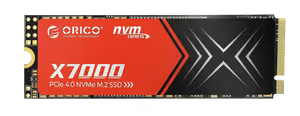

Please Note: Product images are for illustrative purposes only and may differ from the actual product.
Choose your
own PC
Hand-pick every part with live stock, compatibility, and instant pricing.
Try the new builderPrice Inc. Vat
R 5,599
Save R 400
ListR 5,999
5599Free Delivery
Qty:
In Stock with Evetech
Choose your
own PC
Hand-pick every part with live stock, compatibility, and instant pricing.
Try the new builderOrico X7000 2TB M 2 NVMe SSD