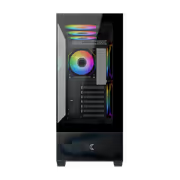
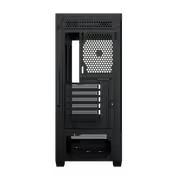
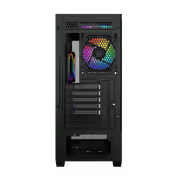
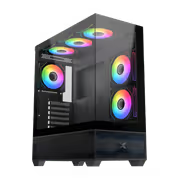
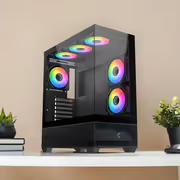
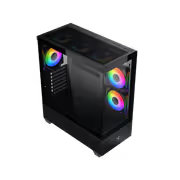
xigmatek-alphard-mid-tower-case-black-e-atx
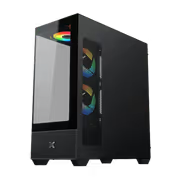
Xigmatek Alphard Mid Tower Gaming Case - Black / Supports Motherboards up to E-ATX / EN43802 / EN43802 + FREE DELIVERY !
1 Year Local Warranty
Model No : Xigmatek EN43802
Price Inc. Vat
R 1,499
Save R 200
ListR 1,699
1499Free Delivery
Out of Stock
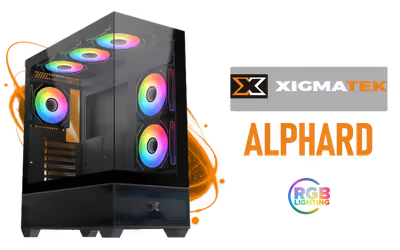
Xigmatek Alphard EN43802 Mid Tower Gaming Case
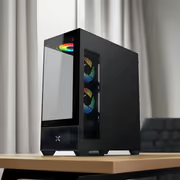
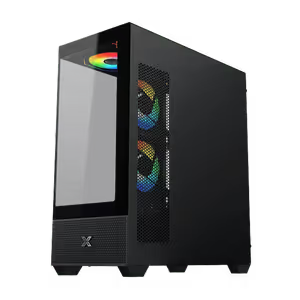
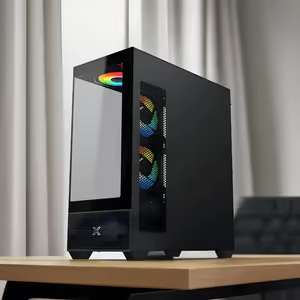
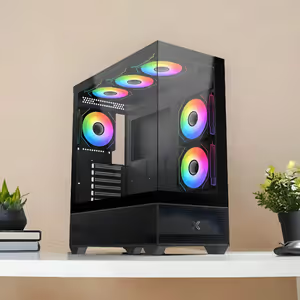
Xigmatek Alphard Mid Tower With Dynamic RGB
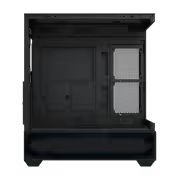
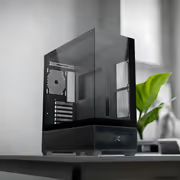
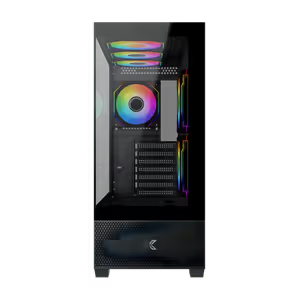
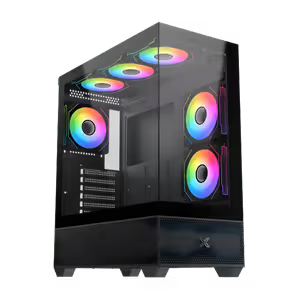
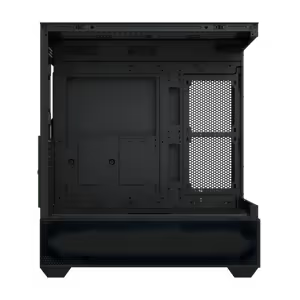
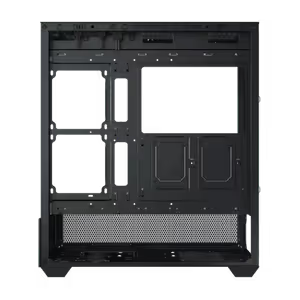
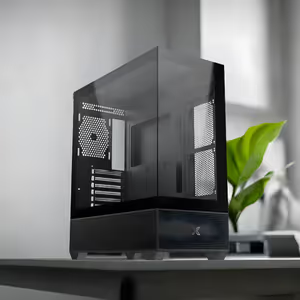
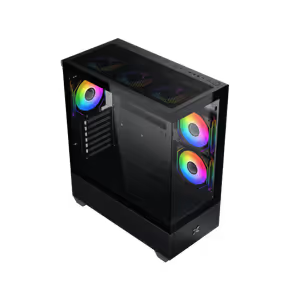
The Xigmatek Alphard is a mid-tower gaming PC case in a stunning black finish, with spacious interior dimensions for high-performance components. Dynamic RGB lighting is customisable and synchronises with the rest of a gaming environment. Multiple fan mounting options and efficient ventilation handle cooling during intense sessions, and the internal layout keeps the build organised.
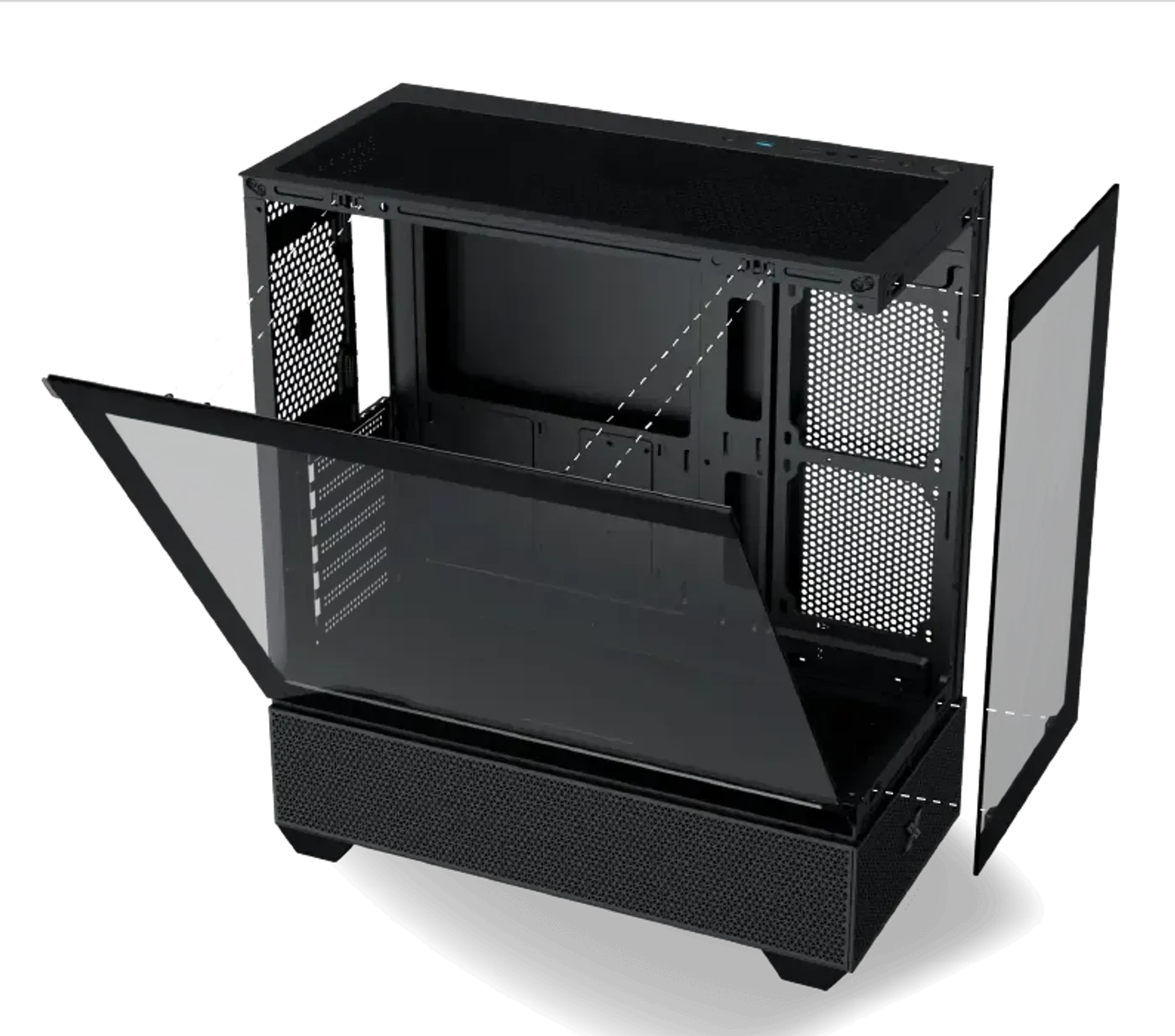
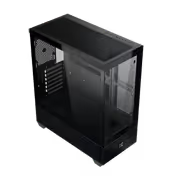
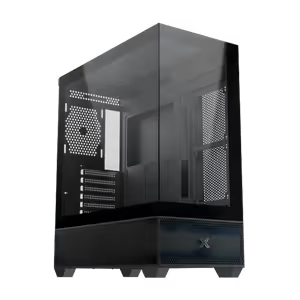
Tempered Glass Side Panel Installs Easily
The tempered glass side panel is designed for easy installation, so getting into the chassis and closing it again is quick. That is the panel removed for every upgrade, and one that lines up without force is what keeps a drive or fan change down to a few minutes.
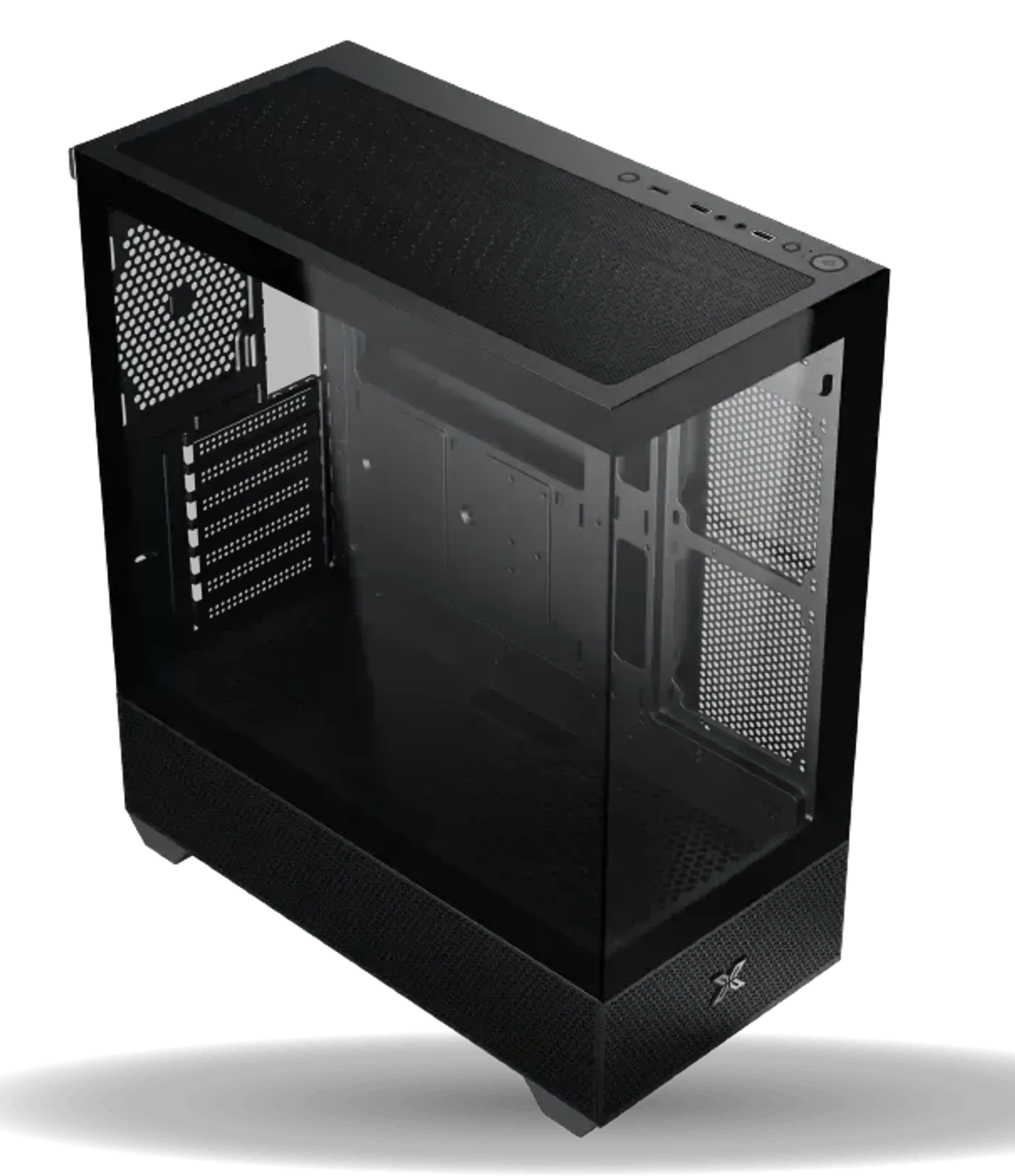
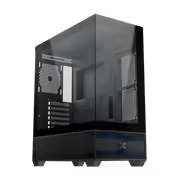
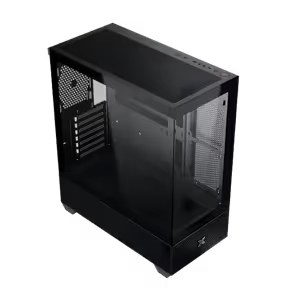
Mesh Top Panel With Dual Tempered Glass
A mesh top panel sits alongside a dual tempered glass design, pairing exhaust ventilation with a clear view into the chassis. Mesh at the top is where hot air actually leaves a tower, so keeping it open instead of covering it with a solid panel is what makes the rest of the cooling work.
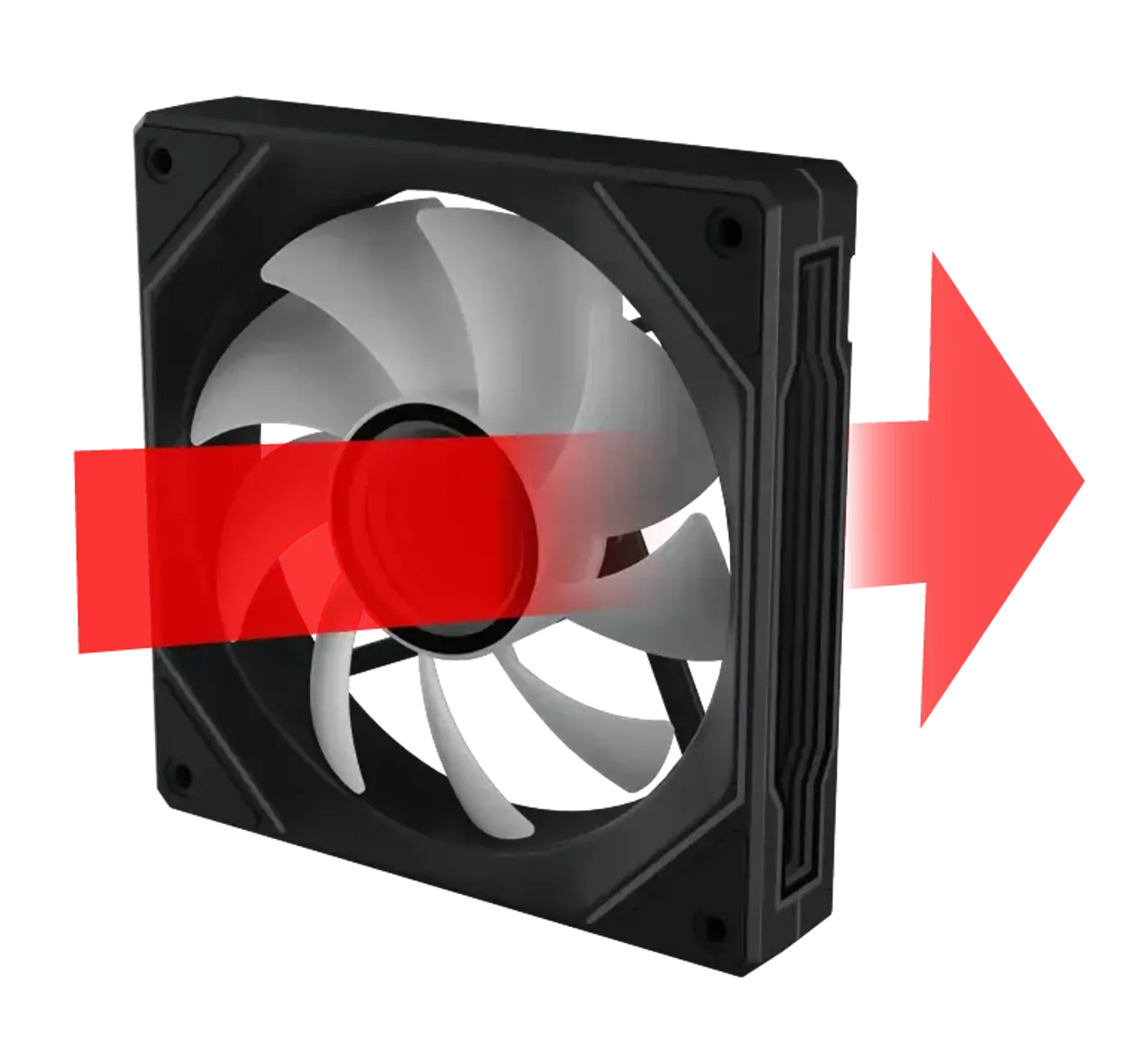
Classic Blade Fan Pre-Installed At The Rear
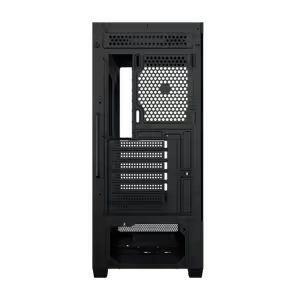
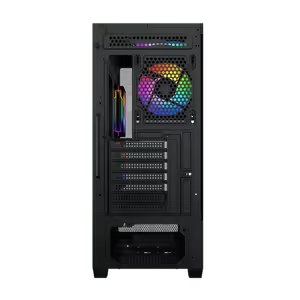
A classic fan blade layout handles the rear position, where the fan comes pre-installed for exhaust duty. Conventional blades are the right shape for pulling air out through a grille, and having that fan fitted from the start means the chassis has a working exhaust path before any extra fans are added.
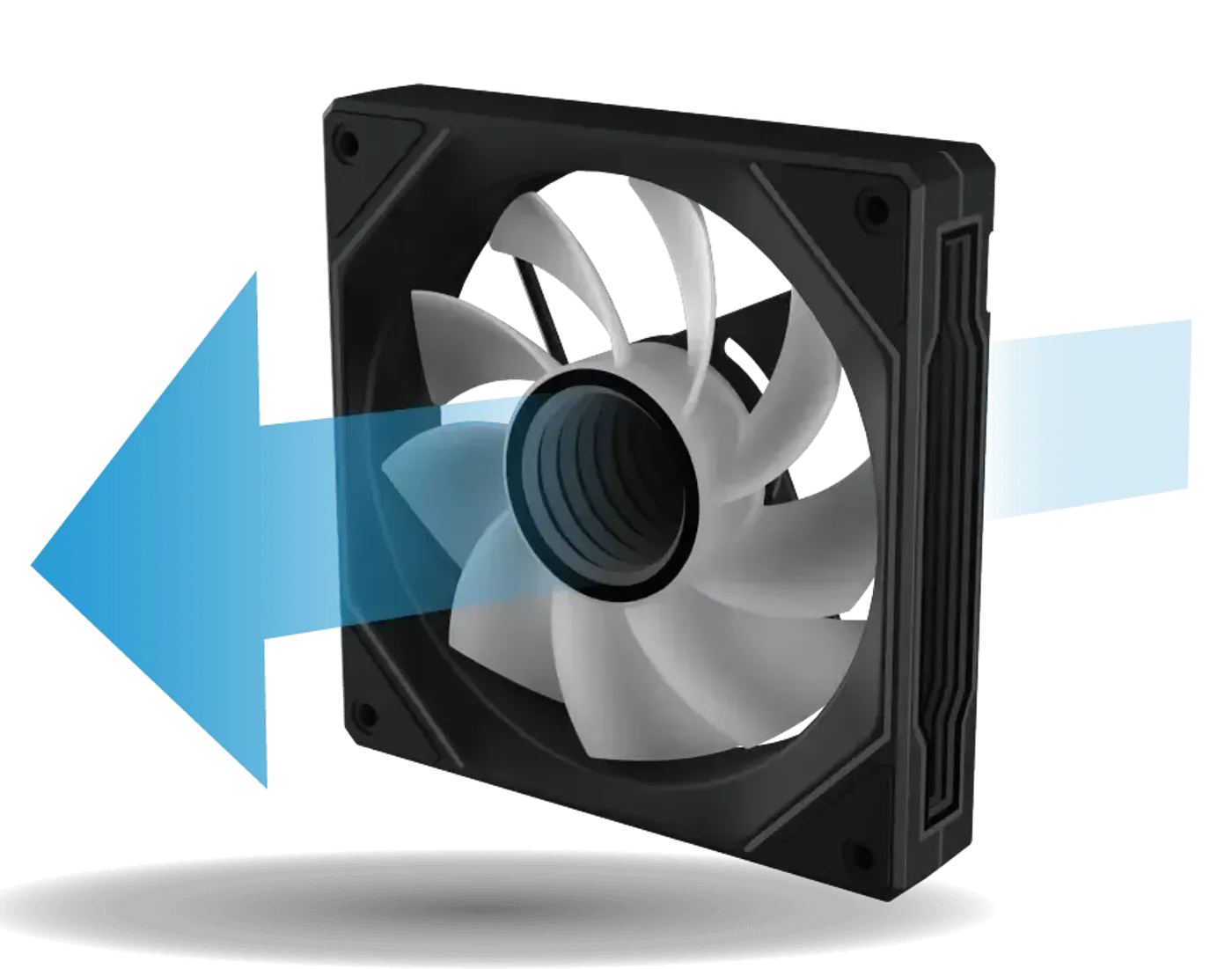
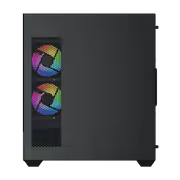
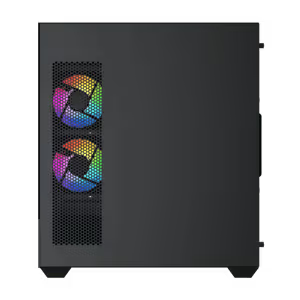
Reverse Blade Fans On The Motherboard Panel
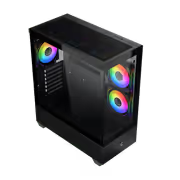
Reverse fan blades are used on the motherboard panel side, pre-installed to improve ventilation across the board and graphics card. Matching the blade design to that mounting position is what makes side ventilation effective rather than decorative, since the airflow direction there differs from a conventional front intake.
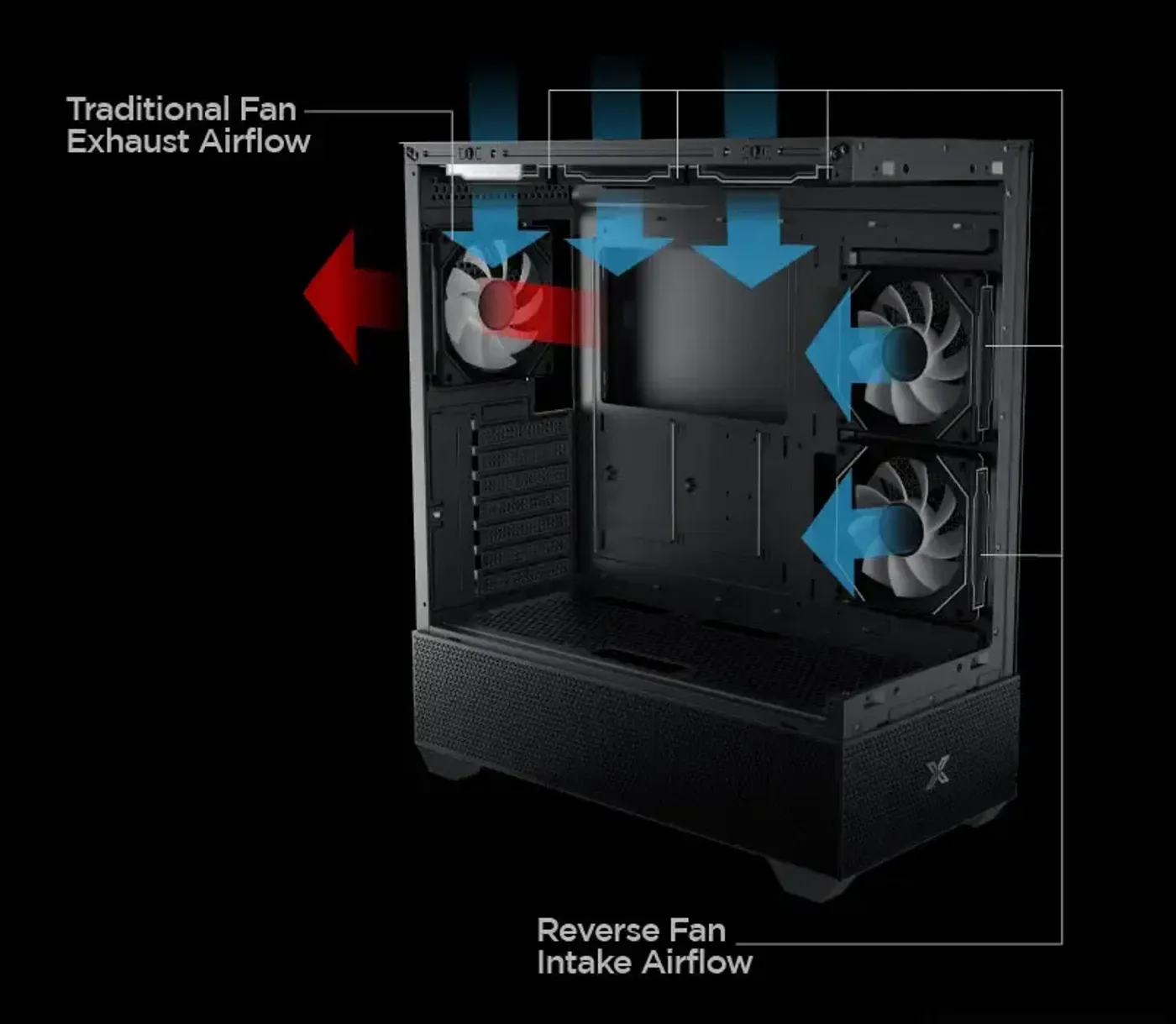
Airflow Path Runs Side To Top
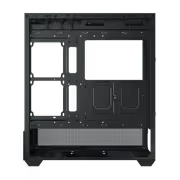
Superior airflow comes from combining the side and shroud intake positions with top and rear exhaust, so air moves across the hottest components rather than pooling around them. With mounting points on four sides, intake and exhaust can be balanced around whichever cooler and graphics card go into the build.
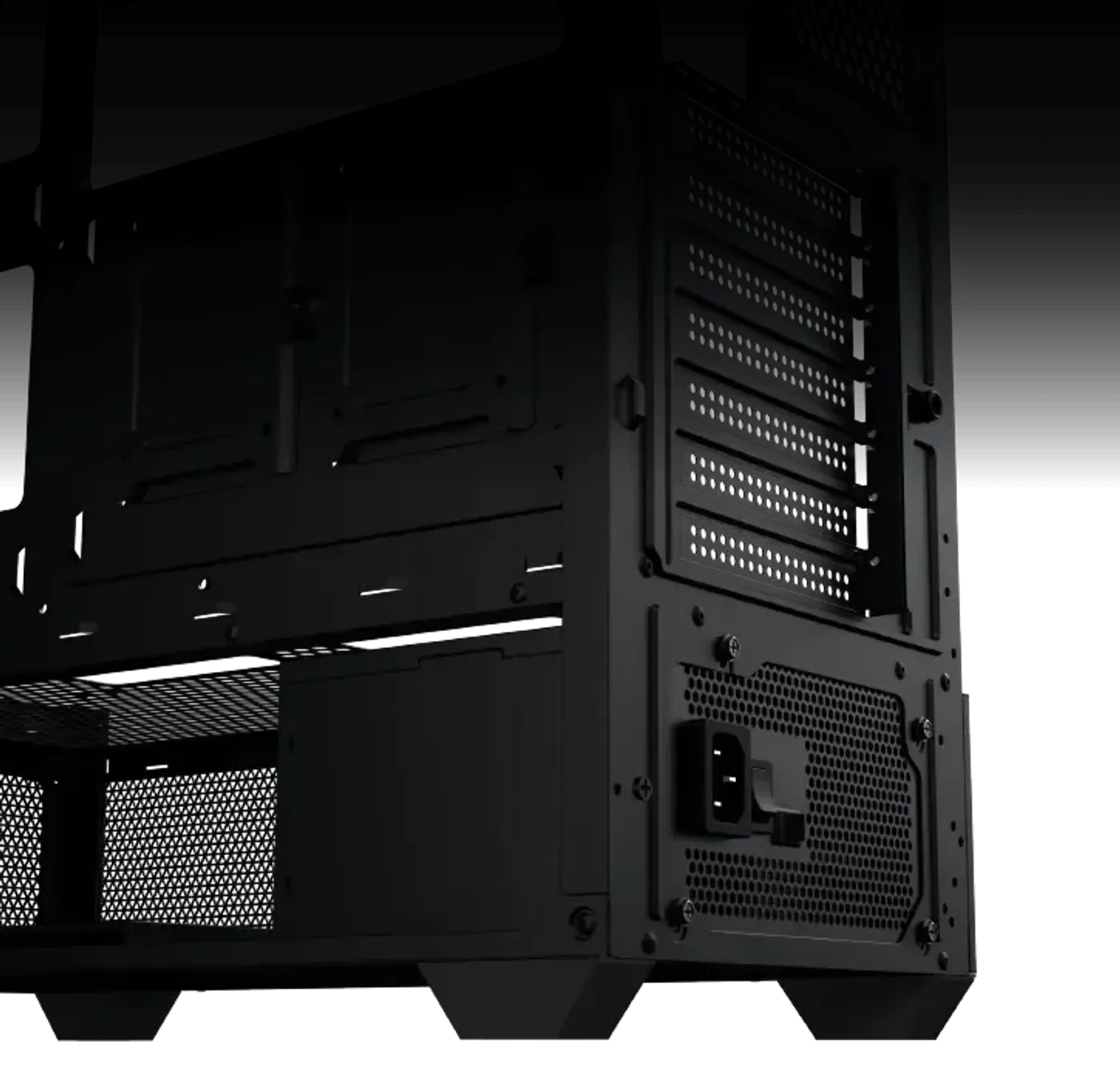
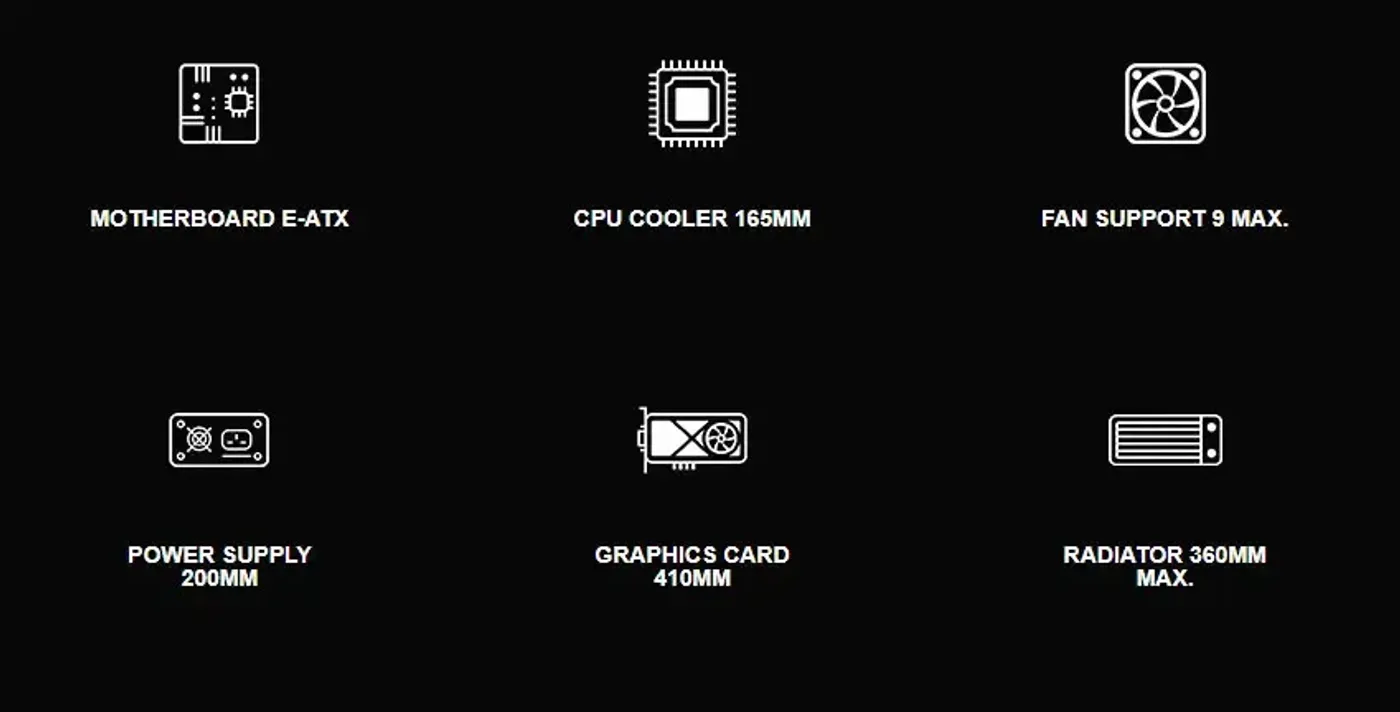
PSU Clearance Up To 200mm
Power supply clearance runs to 200mm, which takes standard ATX units and many higher-wattage supplies with longer bodies. In a chassis that also mounts three fans on the PSU shroud, that clearance is what keeps both the supply and the shroud fans usable at the same time.
PSU Clearance Up To 200mm
Power supply clearance runs to 200mm, which takes standard ATX units and many higher-wattage supplies with longer bodies. In a chassis that also mounts three fans on the PSU shroud, that clearance is what keeps both the supply and the shroud fans usable at the same time.
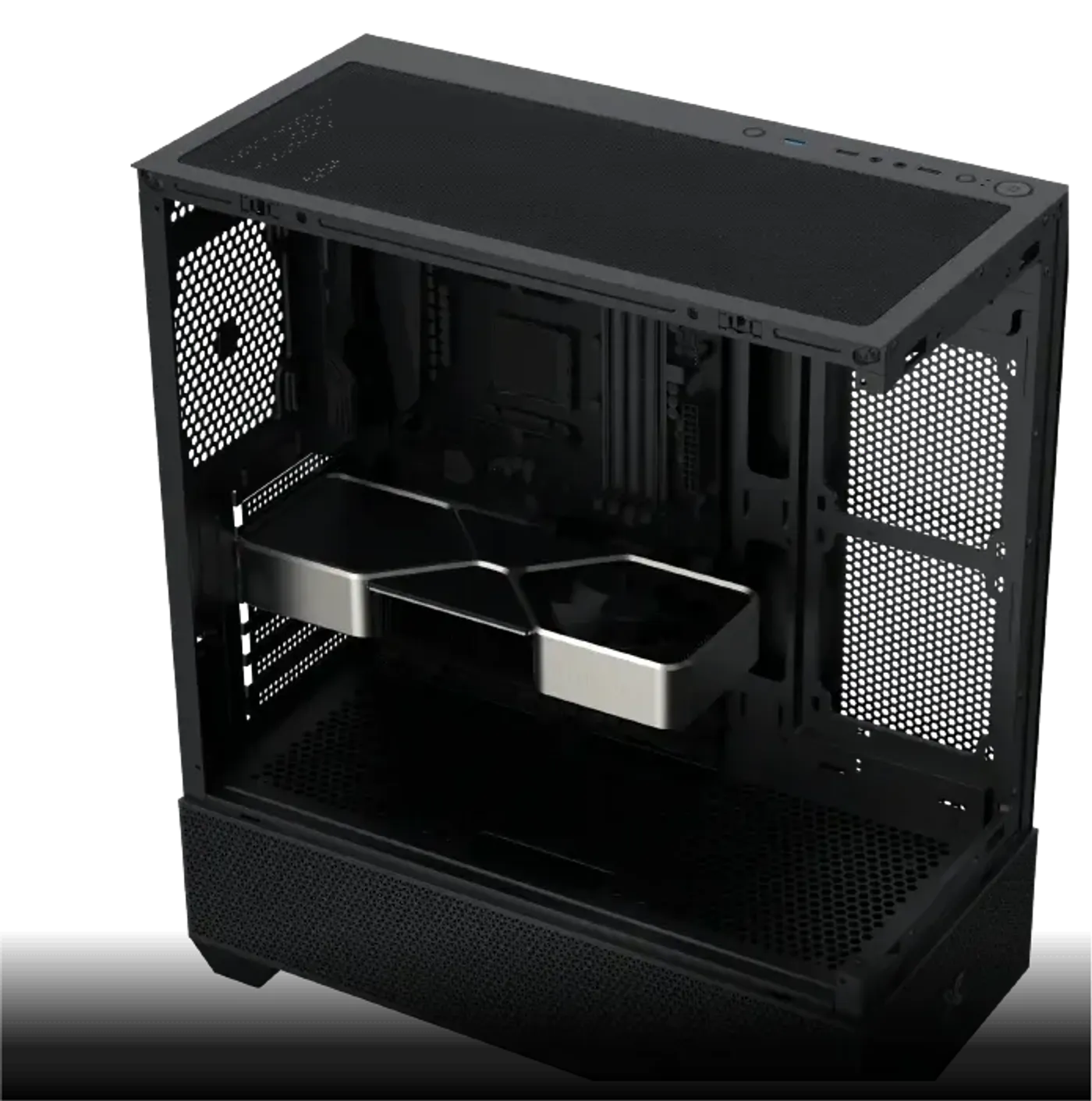
Graphics Cards Up To 410mm Long
Graphics card length support reaches 410mm, which covers oversized triple-fan and flagship cards without removing anything from the chassis. Card length is the specification that most often stops a mid tower build, so 410mm is the number to check first against the card you have in mind.
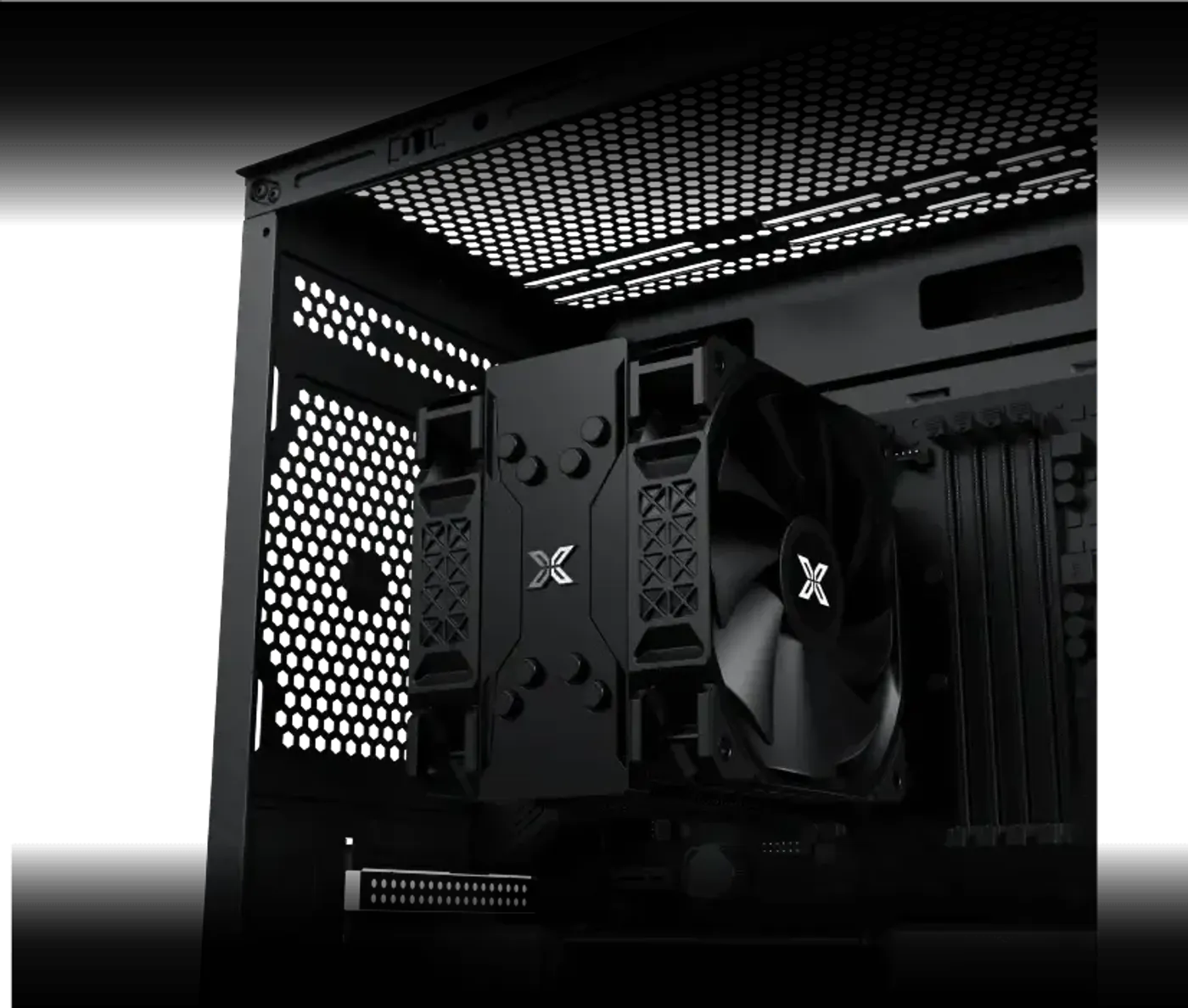
CPU Cooler Height Clearance Up To 165mm
CPU cooler height clearance runs to 165mm, enough for most full-size tower air coolers rather than only compact units. That clearance keeps an air-cooled build on the table alongside the top-mounted radiator options, instead of liquid cooling being the only route to a high-performance CPU.
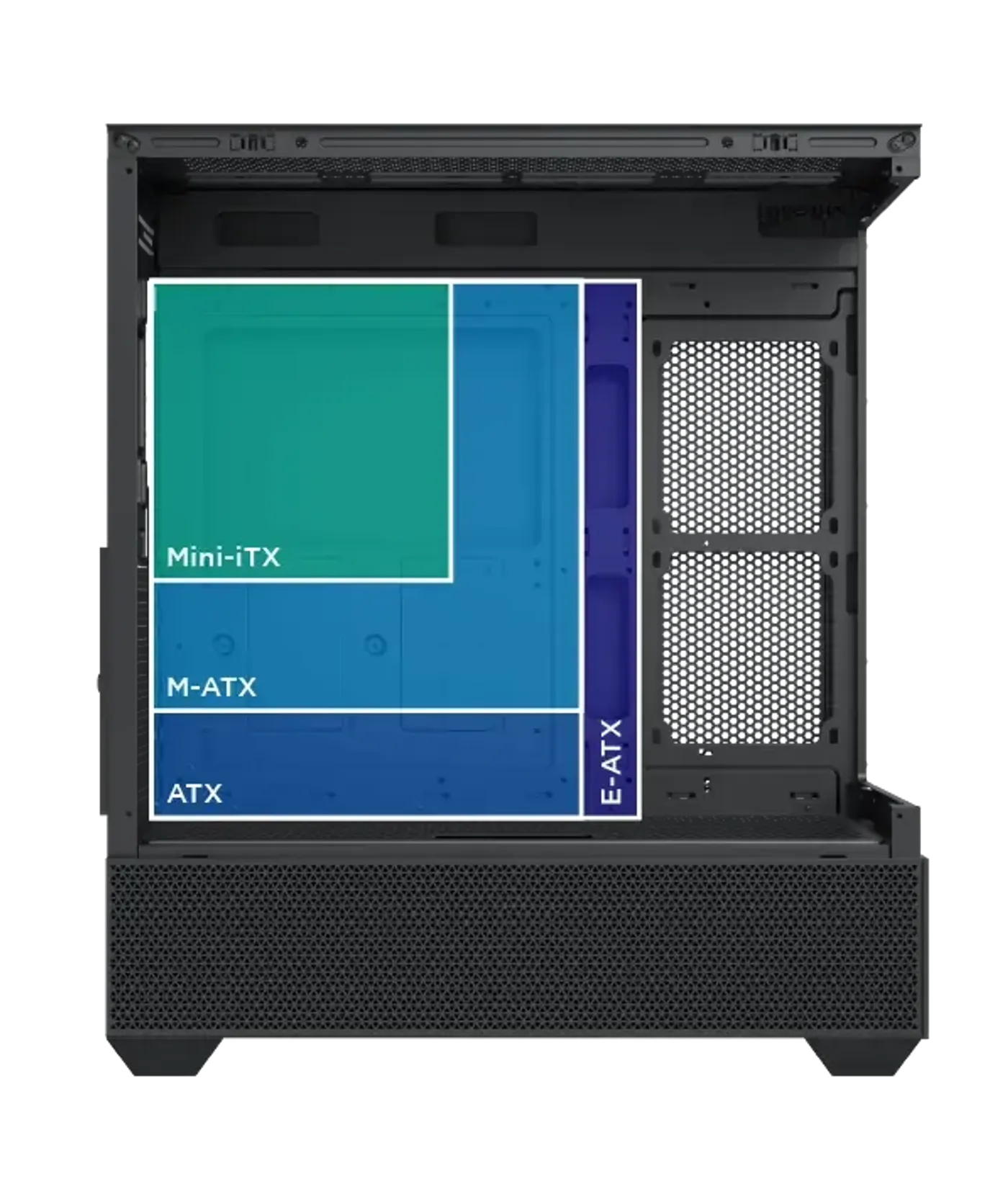
Supports Motherboards Up To E-ATX
The Alphard supports motherboards up to the E-ATX standard, so the widest enthusiast and workstation boards fit. Note that the motherboard-panel fan mounts are specified for E-ATX boards up to 280mm, which is the figure to check if you want side fans alongside a particularly wide board.
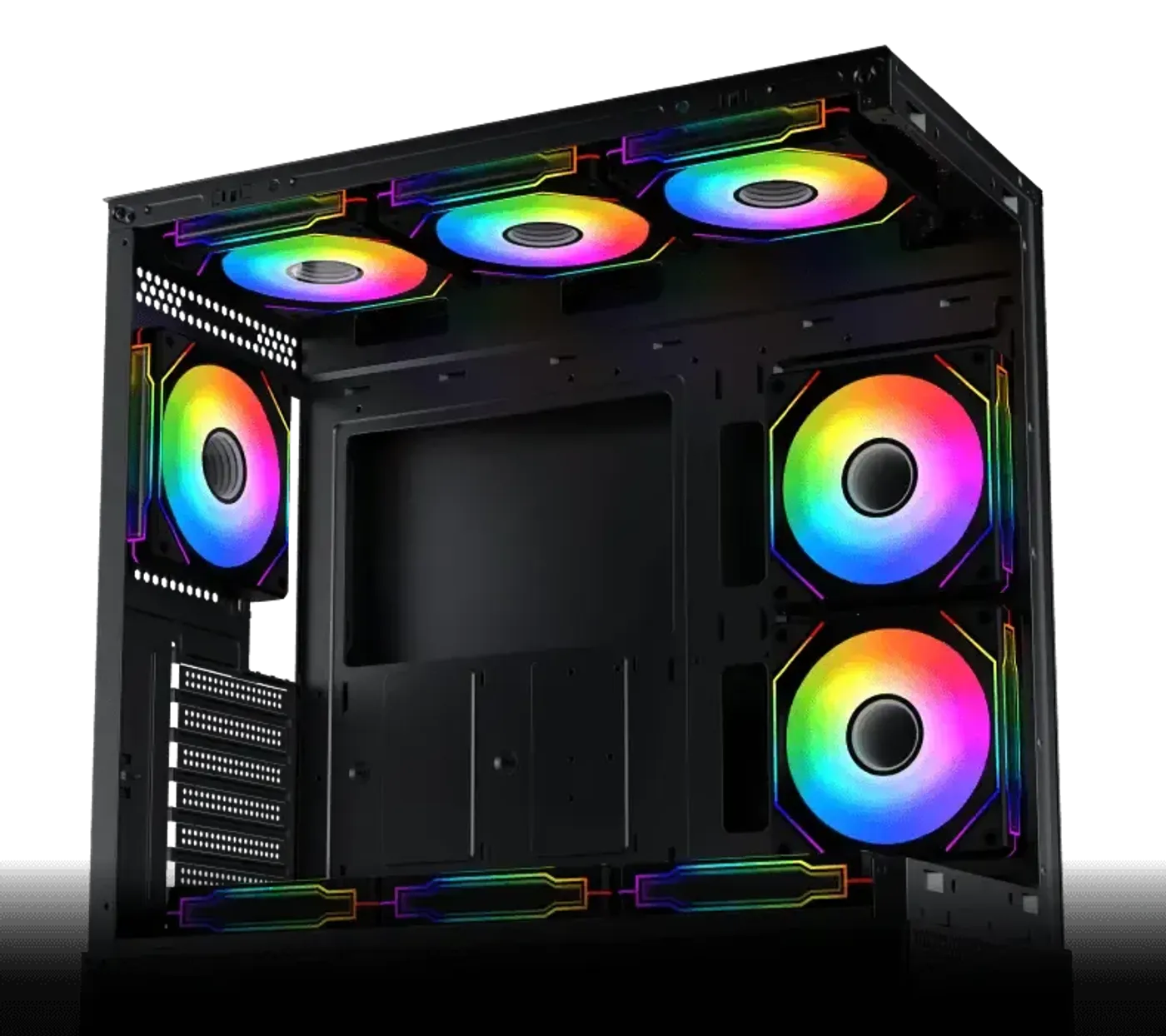
Room For Up To Nine Fans
Maximum fan support runs to nine fans across the chassis, spread over the top, motherboard panel, PSU shroud and rear positions. Nine mounting points is more than most builds will fill, but it means airflow can be scaled up as components get hotter rather than being capped by the case itself.
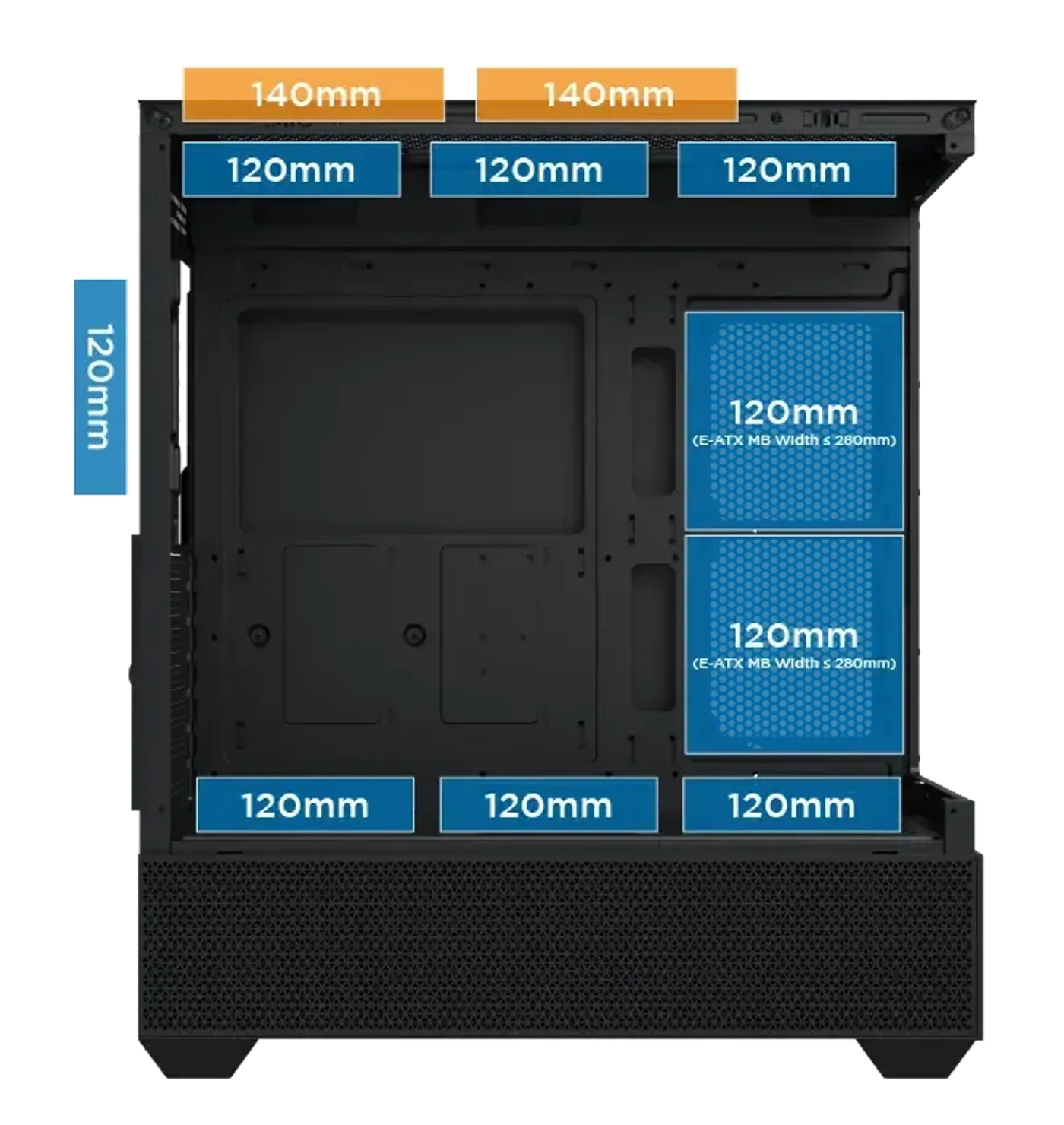
Fan Specification By Mounting Position
The fan specification covers three 120mm or two 140mm fans at the top, two 120mm fans on the motherboard panel with E-ATX board support up to 280mm, three 120mm fans on the PSU shroud and one 120mm rear exhaust fan. Those positions together make up the nine-fan maximum.
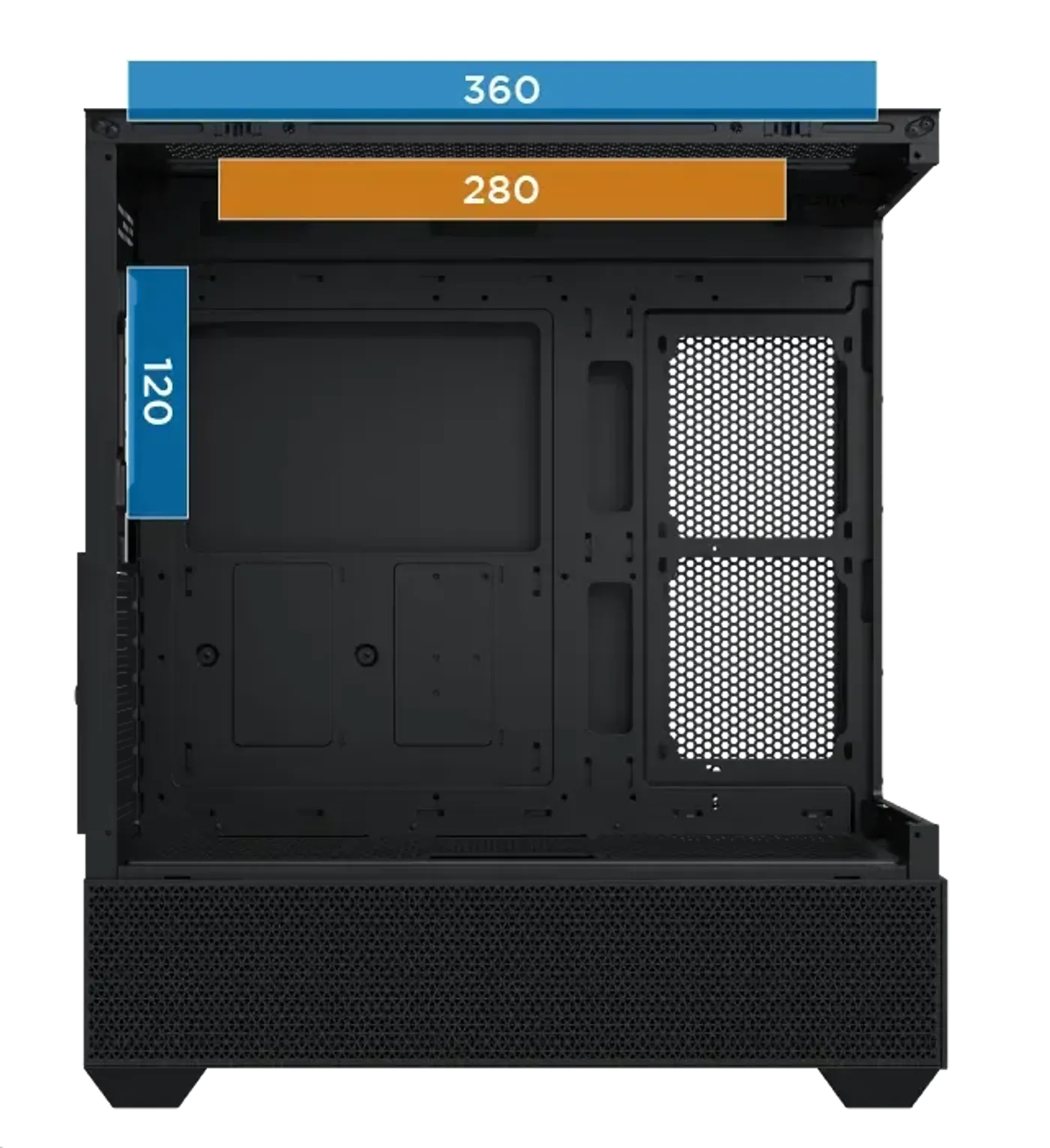
280mm And 360mm Radiators Fit The Top
Radiator compatibility covers a 280mm or 360mm radiator at the top with no memory restriction, plus a 120mm radiator at the rear. The absence of a memory height limit is the useful part: tall RGB DIMMs often clash with a top-mounted radiator in other chassis, and here they do not.
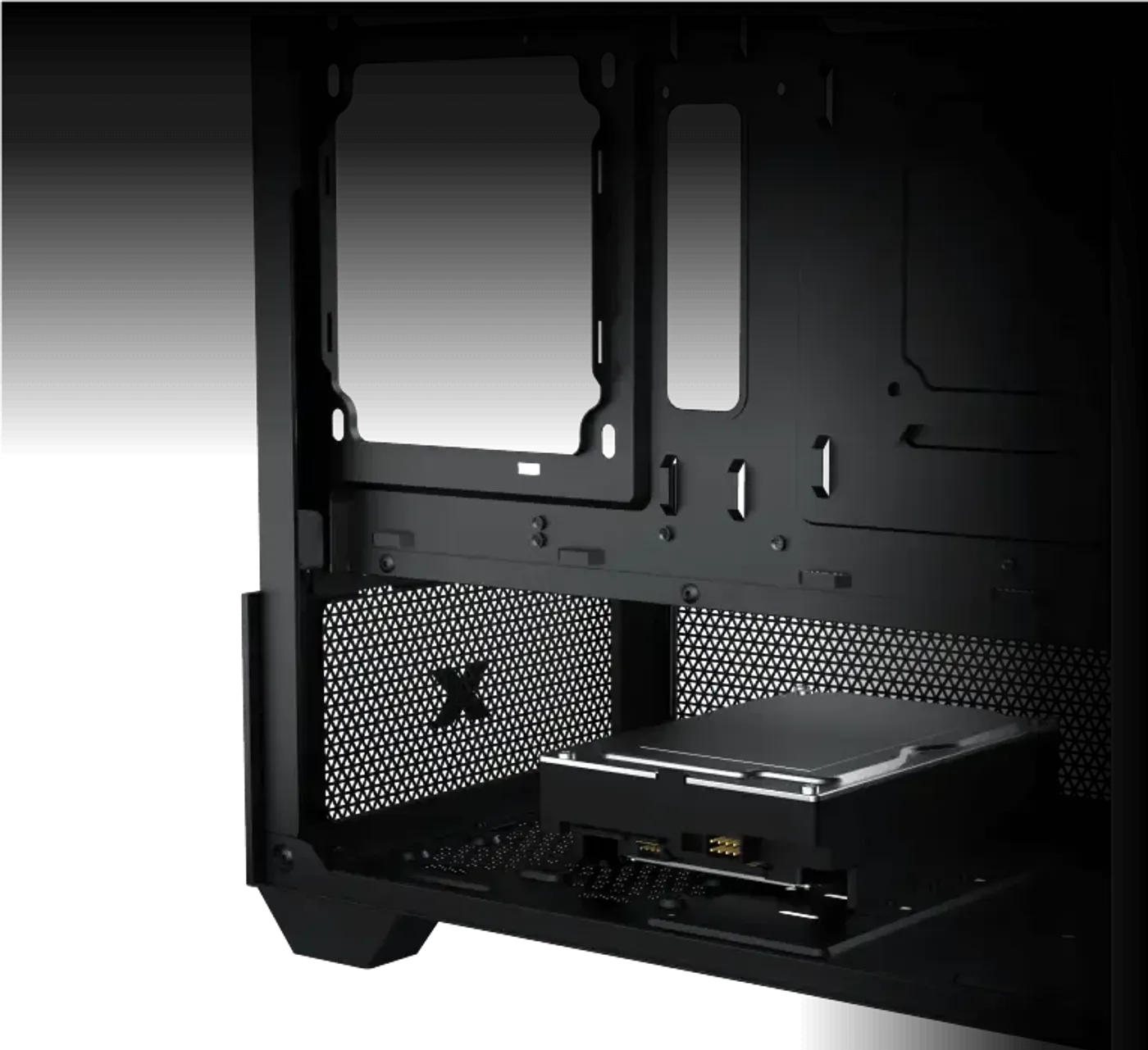
Top And Bottom HDD Cages
Storage is split between a top HDD cage taking one 3.5-inch drive and a bottom cage taking one 2.5-inch drive. Separating the two keeps a mechanical drive away from the solid-state drive and leaves the centre of the chassis clear for the airflow the fans depend on.
Top And Bottom HDD Cages
Storage is split between a top HDD cage taking one 3.5-inch drive and a bottom cage taking one 2.5-inch drive. Separating the two keeps a mechanical drive away from the solid-state drive and leaves the centre of the chassis clear for the airflow the fans depend on.
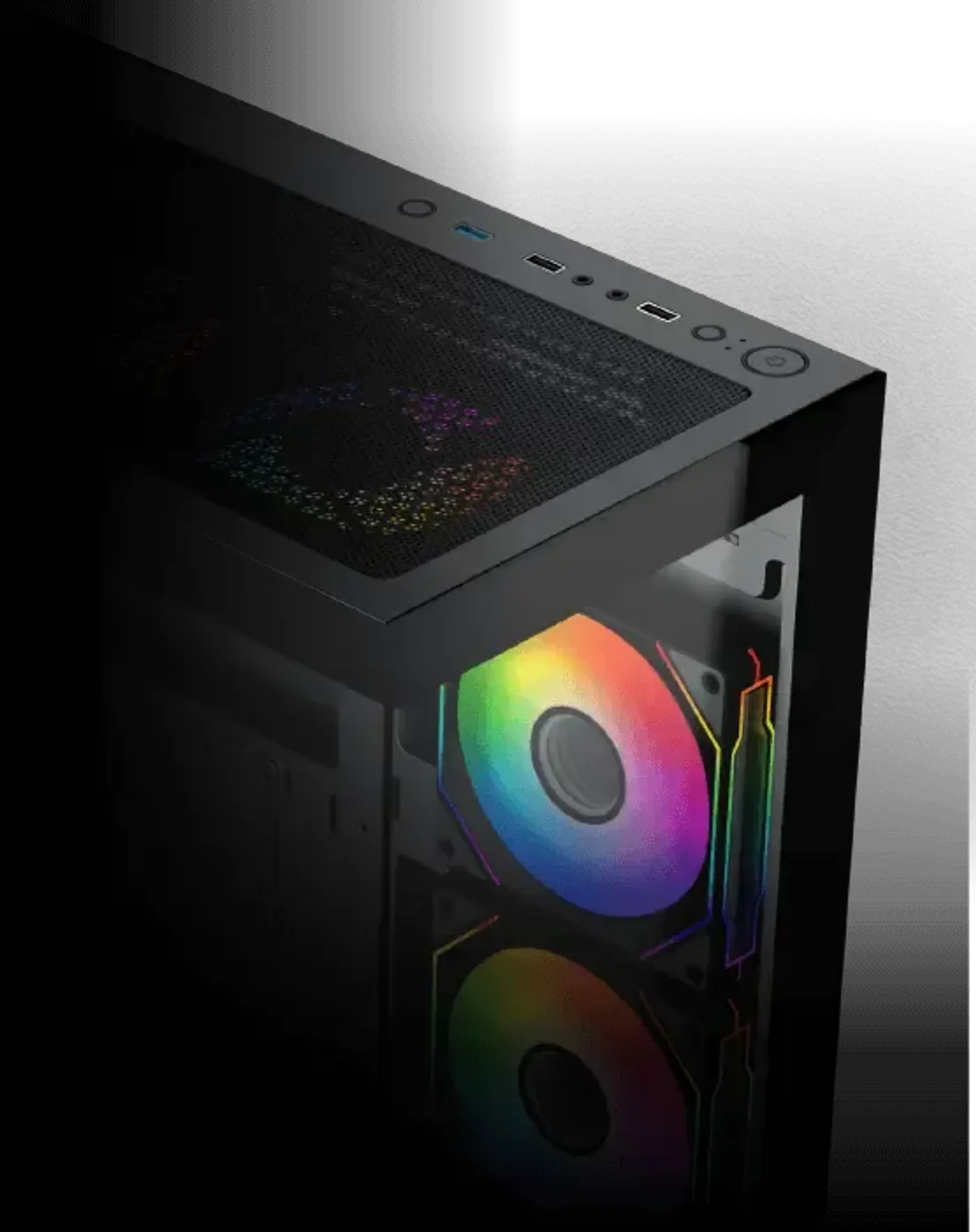
Top Mount I/O For Easy Access
The I/O ports are top mounted for easy access, sitting on the upper surface of the chassis rather than at the front. That placement is the practical one for a tower that lives on the floor beside a desk, because the connections stay within reach without bending down to find them.
FAQ
Frequently Asked Questions
Everything you need to know about this product
It supports motherboards up to the E-ATX standard.
Graphics card length support runs up to 410mm.
CPU cooler height clearance runs up to 165mm.
PSU clearance runs up to 200mm in length.
Maximum fan support is up to nine fans in total.
The top takes three 120mm fans or two 140mm fans.
Yes. The PSU shroud takes three 120mm fans.
A 280mm or 360mm radiator at the top, and a 120mm radiator at the rear.
No. The top radiator mount carries no memory height restriction.
A classic blade fan at the rear and reverse blade fans on the motherboard panel side.
A top HDD cage for one 3.5-inch drive and a bottom cage for one 2.5-inch drive.
It is the Xigmatek Alphard in black, model code EN43802.


AI-Generated Content: These FAQs are generated by an automated AI system and may contain inaccuracies or omissions. Evetech makes no warranties, express or implied, regarding their completeness or reliability. For definitive information, please refer to the manufacturer's official specifications.
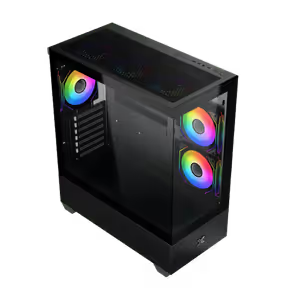
Please Note: Product images are for illustrative purposes only and may differ from the actual product.
Choose your
own PC
Hand-pick every part with live stock, compatibility, and instant pricing.
Try the new builderPrice Inc. Vat
R 1,499
Save R 200
ListR 1,699
1499Free Delivery
Out of Stock
Choose your
own PC
Hand-pick every part with live stock, compatibility, and instant pricing.
Try the new builderXigmatek Alphard Mid Tower Gaming Case