xpg-gammix-s70-blade-2tb-ssd
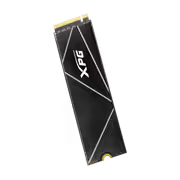
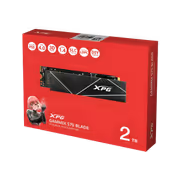
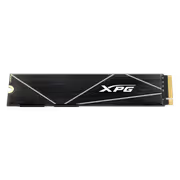
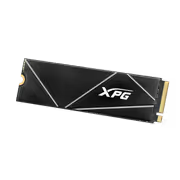
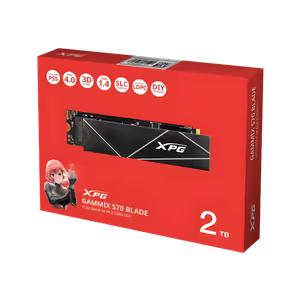
XPG 2TB GAMMIX S70 Blade - Works with Playstation 5, PCIe Gen4 M.2 2280 Internal Gaming SSD Up to 7,400 MB/s (AGAMMIXS70B-2T-CS) / AGAMMIXS70B-2T-CS + FREE DELIVERY !
5 Years Local Warranty
Model No : ADATA AGAMMIXS70B-2T-CS
Price Inc. Vat
R 5,699
Save R 300
ListR 5,999
5699Free Delivery
Out of Stock
XPG GAMMIX S70 Blade 2TB PCIe Gen4 M.2 SSD for PS5
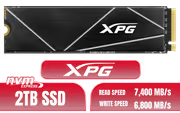
2TB PCIe Gen4 SSD Reading Up To 7,400 MB/s
The XPG GAMMIX S70 Blade 2TB is a PCIe Gen4 M.2 2280 NVMe SSD reaching read speeds of up to 7,400 MB/s, and it is built to drop into a PlayStation 5 as well as a PC. Two terabytes holds a large game library alongside video and other files without constant housekeeping. Faster sequential reads translate directly into shorter load screens and quicker file transfers.
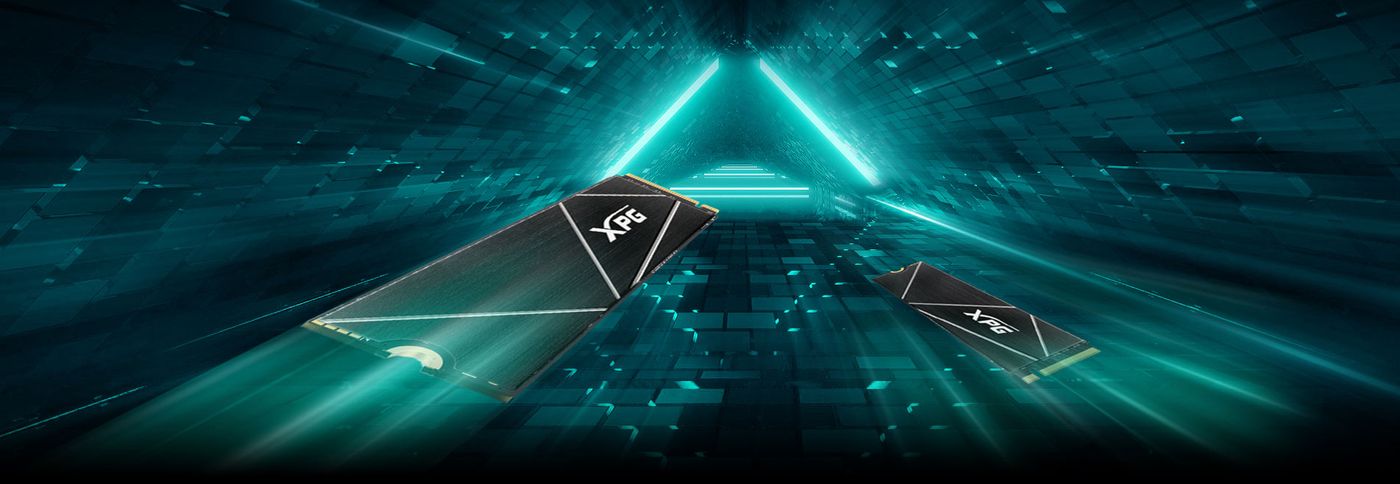
XPG GAMMIX S70 Blade In PCIe Gen4x4
The S70 Blade runs a PCIe Gen4x4 interface in the M.2 2280 form factor, carried here in the 2TB capacity under part number AGAMMIXS70B-2T-CS. Gen4x4 is the full-width Gen4 connection rather than a cut-down lane count, which is what allows the drive to reach its rated figures instead of being throttled by the link.
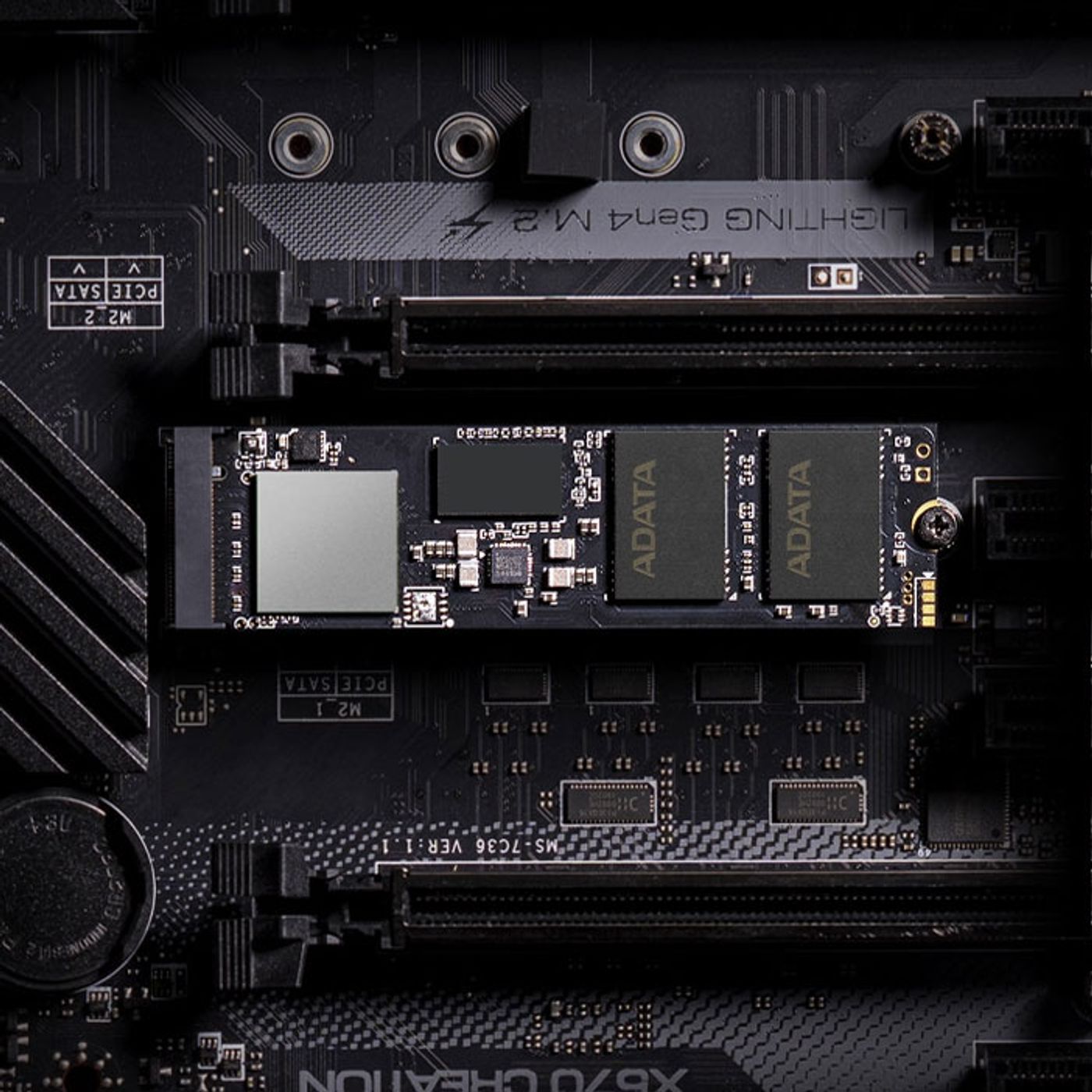
The S70 Blade Specification At A Glance
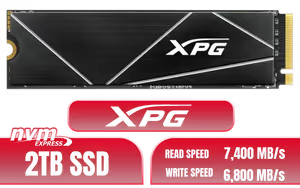
XPG rates the S70 Blade at read and write speeds of up to 7,400 and 6,800 MB/s on PC and laptop, with full PS5 compatibility and read speeds up to 6,300 MB/s inside the console. An integrated aluminium heatsink lowers temperatures by up to 20 percent, and the range extends to a maximum capacity of 4TB.
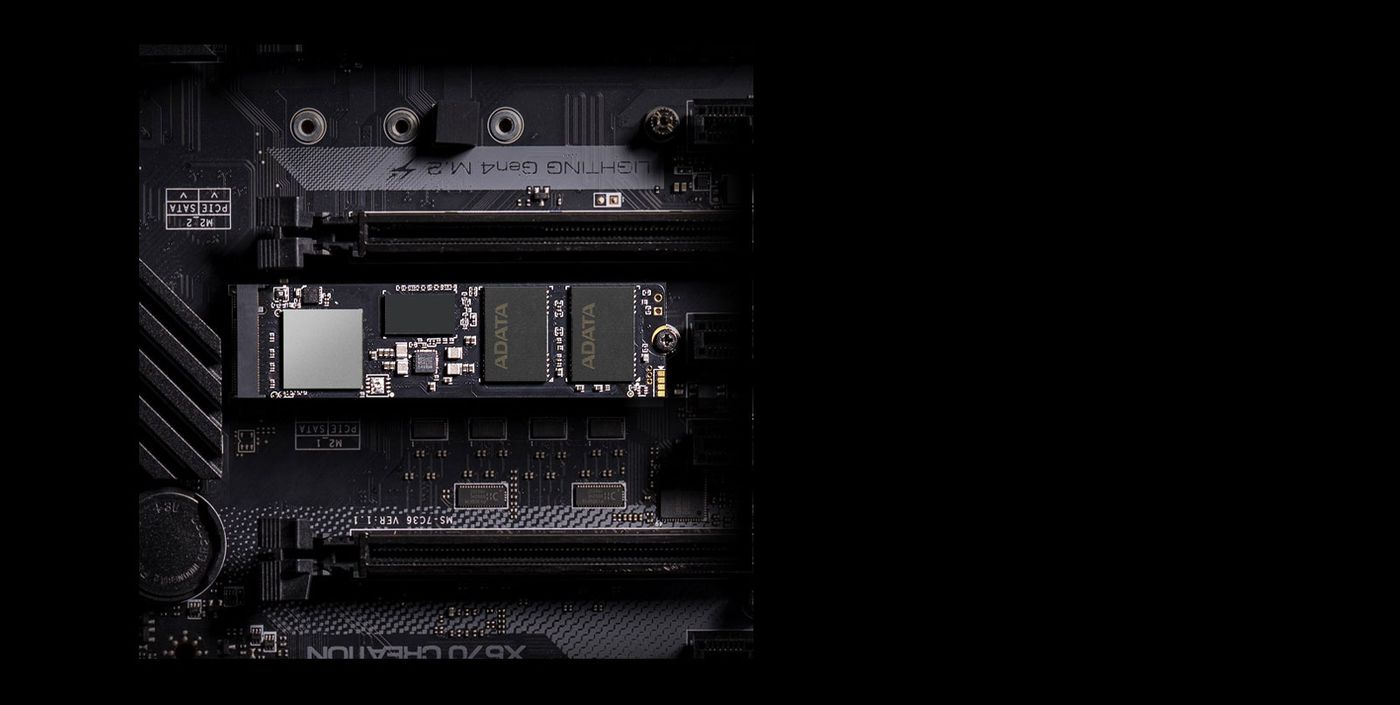
What 7,400 MB/s Changes Day To Day
A read speed of up to 7,400 MB/s is what removes the wait from loading a large open-world game or pulling a project file off the drive. The gain shows up most in the moments you notice: level loads, fast travel and moving a folder of captures onto another disk.
What 7,400 MB/s Changes Day To Day
A read speed of up to 7,400 MB/s is what removes the wait from loading a large open-world game or pulling a project file off the drive. The gain shows up most in the moments you notice: level loads, fast travel and moving a folder of captures onto another disk.
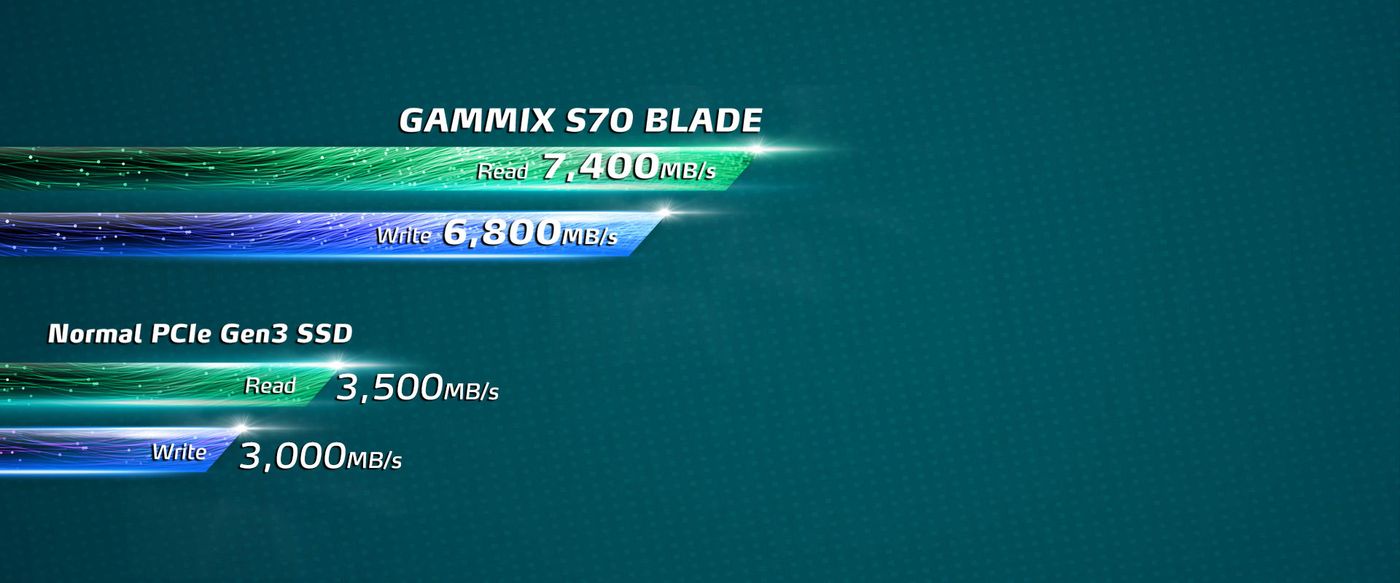
PCIe 4.0 Doubles PCIe 3.0 Speeds
Sequential read and write on the GAMMIX S70 Blade reach up to 7400 and 6800 MB per second, double what a PCIe 3.0 SSD delivers. The drive is also backward compatible with PCIe 3.0 systems, so it works in an older board today and reaches its full rated speed once you move to a Gen4 platform.

6,800 MB/s Writes For Large Files
Write speed reaches up to 6,800 MB/s, which is the figure that matters when you are moving footage onto the drive rather than reading a game off it. Video capture, project exports and large game installs are all write-heavy jobs where a slow drive becomes the bottleneck for everything else.
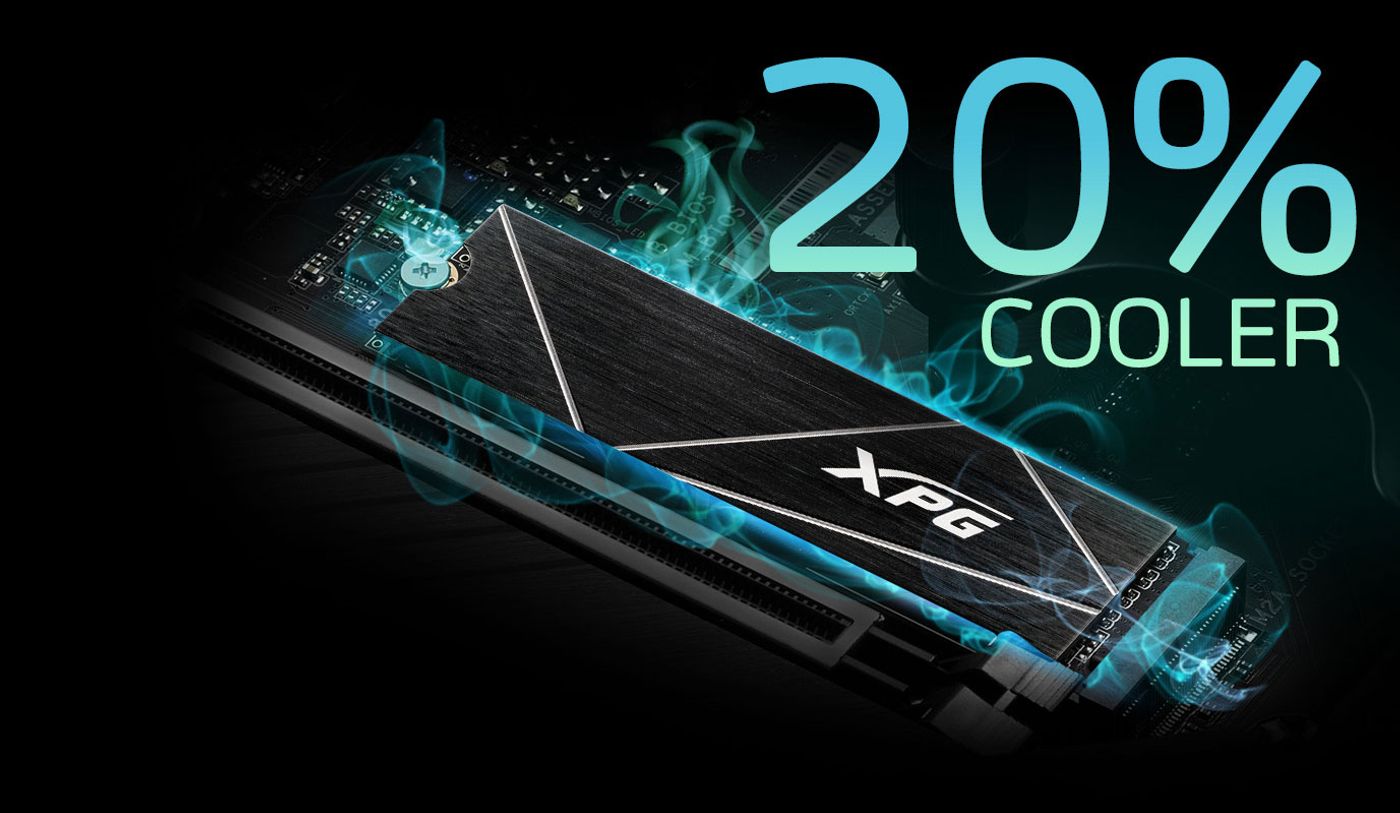
Aluminium Heatsink Cuts Temperatures By 20%
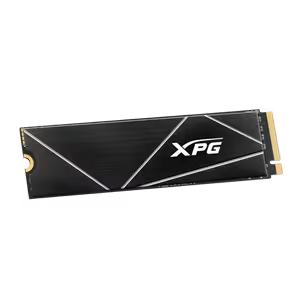
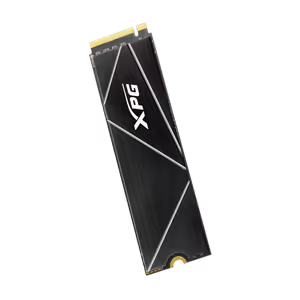
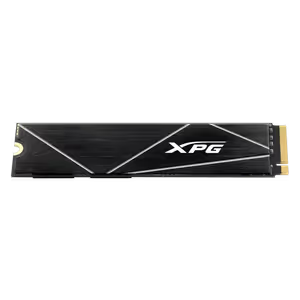
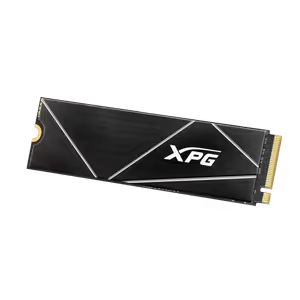
A high-temperature-resistant aluminium heatsink is integrated into the drive and dissipates heat well enough to lower temperatures by up to 20 percent. Its structured geometric lines give the S70 Blade a finished look, but the practical point is keeping the controller cool where it counts.
Why Cooling Matters On A Gen4 Drive
Gen4 SSDs run hotter than their Gen3 predecessors because they are moving twice the data, and heat is what forces a drive to slow itself down during long transfers. Building the heatsink into the S70 Blade means the thermal solution is part of the product rather than something you have to source separately.
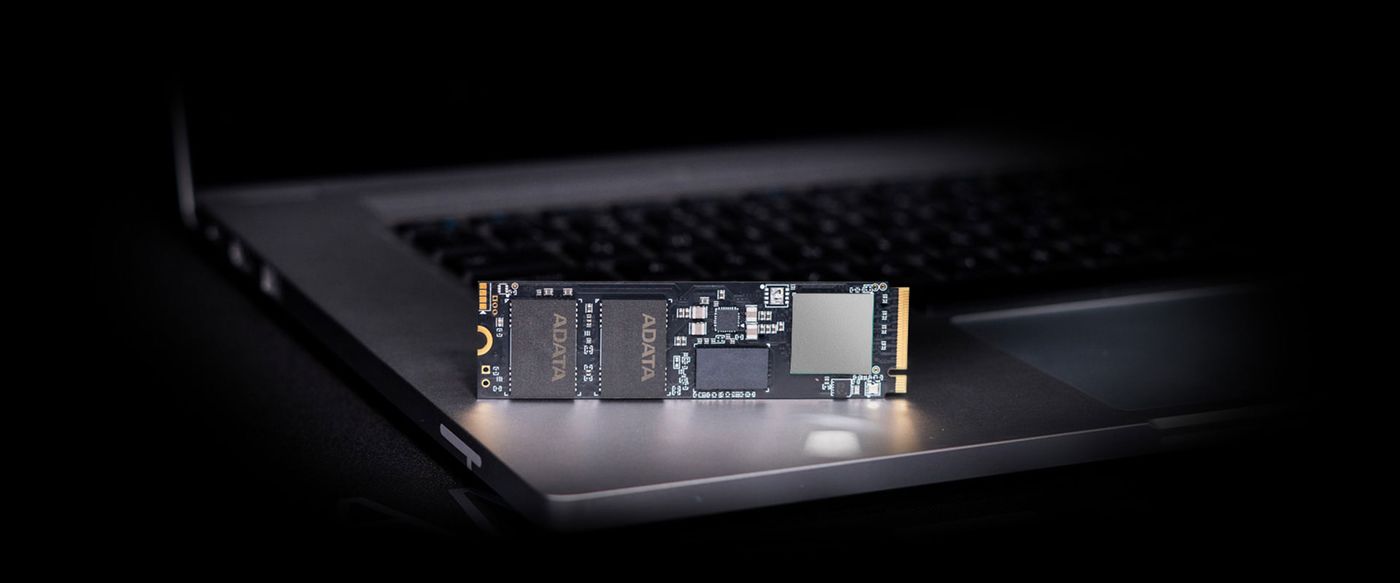
M.2 2280 Fits Laptops And Thin Devices
The S70 Blade is built to the space-efficient M.2 2280 form factor, so it fits laptops and thin devices as well as full desktop boards. That means the same top-tier Gen4 performance is available in a machine where physical space, not the interface, is the limiting factor.

2280 Is The Standard Slot Length
M.2 2280 measures 22mm wide by 80mm long, the length virtually every desktop motherboard and console expansion bay is built around. Choosing the standard size means the S70 Blade drops into the slot you already have without a spacer, an adapter or a mounting workaround.
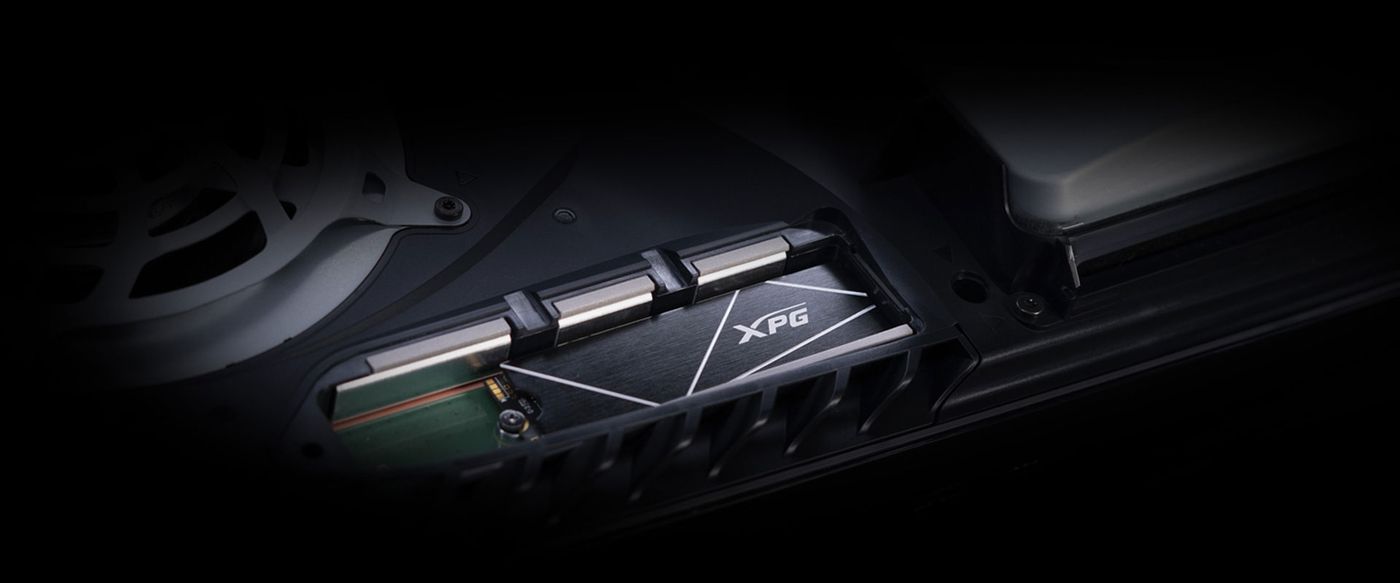
6,300 MB/s Sequential Read Inside A PS5
Installed in a PlayStation 5, the GAMMIX S70 Blade measures a sequential read speed of 6,300 MB/s at every capacity. Sony Interactive Entertainment notes that performance features may vary even where sustained read and write speeds exceed the official standard, since not all gaming features align with the console's internal SSD.
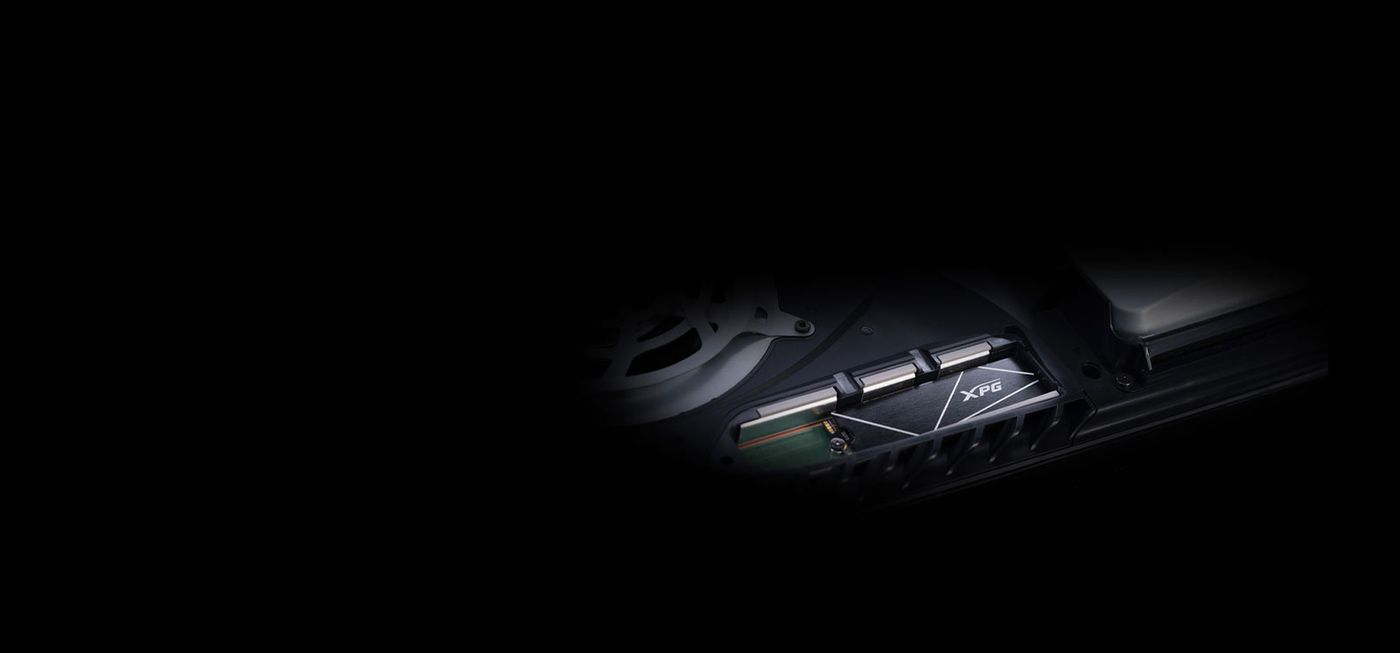
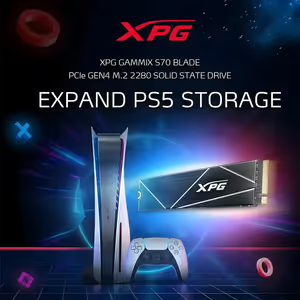
Expand A PS5 Library By 2TB
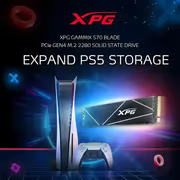
Adding the 2TB S70 Blade to a PS5 gives the console room for a full library instead of forcing you to delete a game before installing the next one. XPG states that installing it delivers smoother performance than the console's built-in storage.
Expand A PS5 Library By 2TB
Adding the 2TB S70 Blade to a PS5 gives the console room for a full library instead of forcing you to delete a game before installing the next one. XPG states that installing it delivers smoother performance than the console's built-in storage.
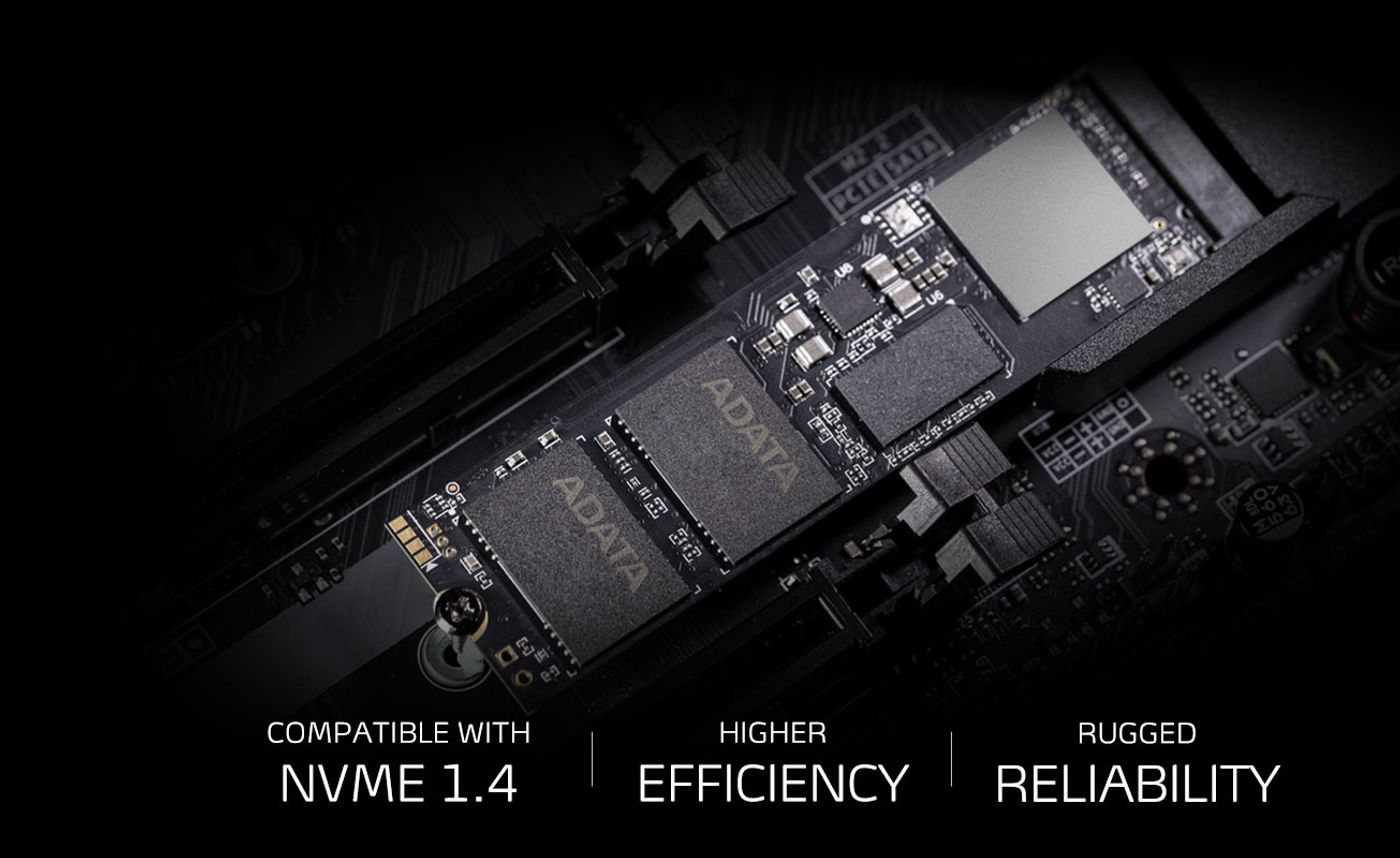
NVMe 1.4 Compliant With 3D NAND Flash
The S70 Blade complies with the NVMe 1.4 standard and uses 3D NAND Flash for capacity and efficiency. Its M.2 2280 build is designed around the PCIe 4.0 platform specifically, so the interface, the protocol and the flash are all matched to the same generation.
NVMe 1.4 Compliant With 3D NAND Flash
The S70 Blade complies with the NVMe 1.4 standard and uses 3D NAND Flash for capacity and efficiency. Its M.2 2280 build is designed around the PCIe 4.0 platform specifically, so the interface, the protocol and the flash are all matched to the same generation.
Built For Gamers, Overclockers And Enthusiasts
XPG targets the S70 Blade at passionate gamers, overclockers and PC enthusiasts, which is why the specification leads on peak throughput and thermal headroom rather than on capacity per rand. It is the drive for a build where the storage is expected to keep up with the rest of the hardware.
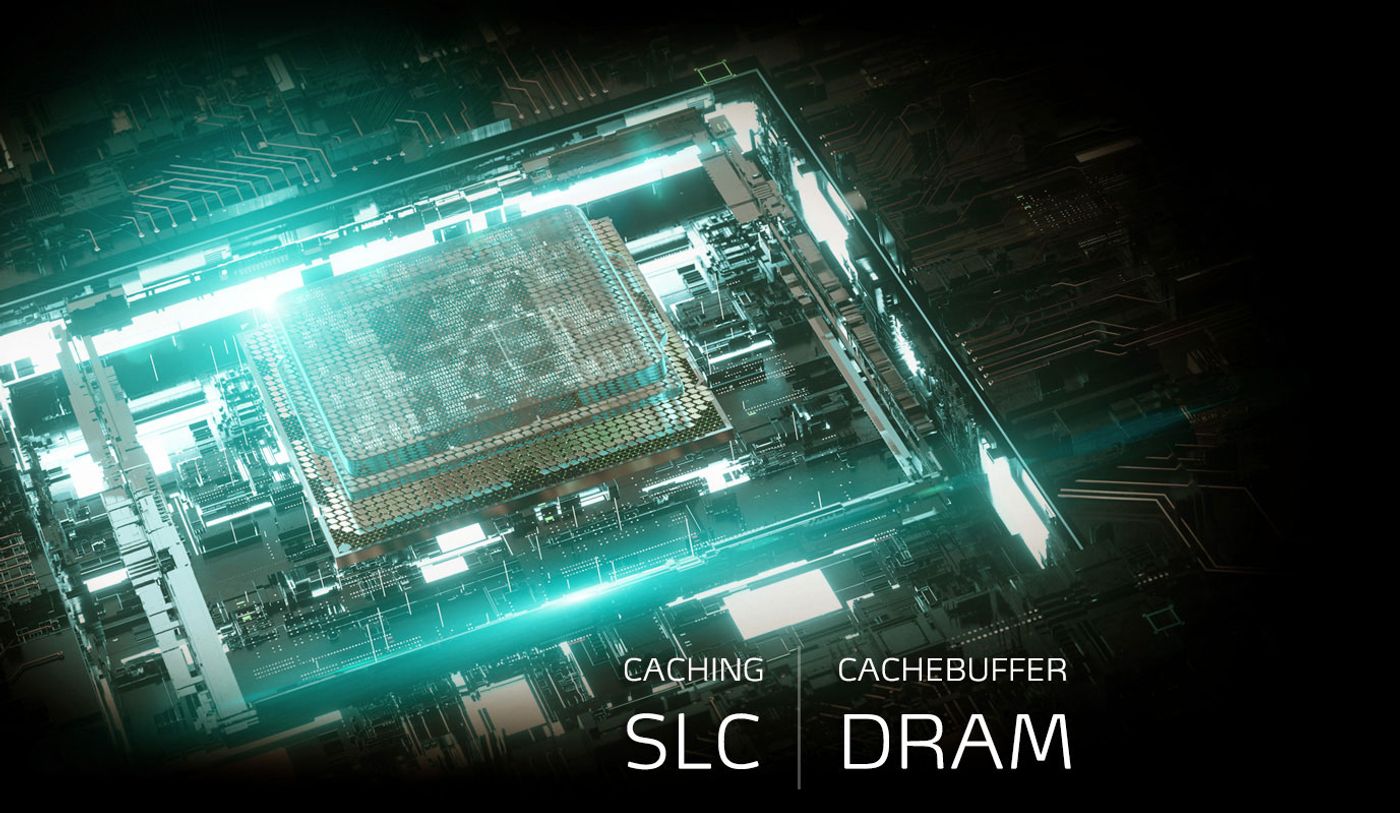
Dynamic SLC Caching And DRAM Cache Buffer
The S70 Blade combines Dynamic SLC Caching with a DRAM Cache Buffer, a pairing aimed at video editing, rendering and gaming. Dynamic SLC caching absorbs bursts of writes at high speed, while the DRAM buffer holds the mapping tables the controller needs to keep responding quickly.

Why A DRAM Buffer Matters On Long Jobs
Drives without a DRAM cache buffer lean on system memory to track where data lives, and that shows up as inconsistency during sustained work. Having dedicated DRAM on the S70 Blade is what keeps a long render or a large game install moving at a steady rate rather than in bursts.

3D NAND Scales To 4TB With High TBW
3D NAND Flash lets the S70 Blade range reach up to 4TB, and advanced error correcting and protection mechanisms give the drive a high Total Bytes Written rating. TBW is the endurance figure that tells you how much data the drive is rated to absorb over its life.
3D NAND Scales To 4TB With High TBW
3D NAND Flash lets the S70 Blade range reach up to 4TB, and advanced error correcting and protection mechanisms give the drive a high Total Bytes Written rating. TBW is the endurance figure that tells you how much data the drive is rated to absorb over its life.

What 2TB Holds In Practice
Two terabytes is enough for a substantial installed game library plus video and other digital assets on the same drive. That is the practical case for buying capacity above 1TB: modern titles are large enough that a smaller drive turns into a rotation of installs and deletions.
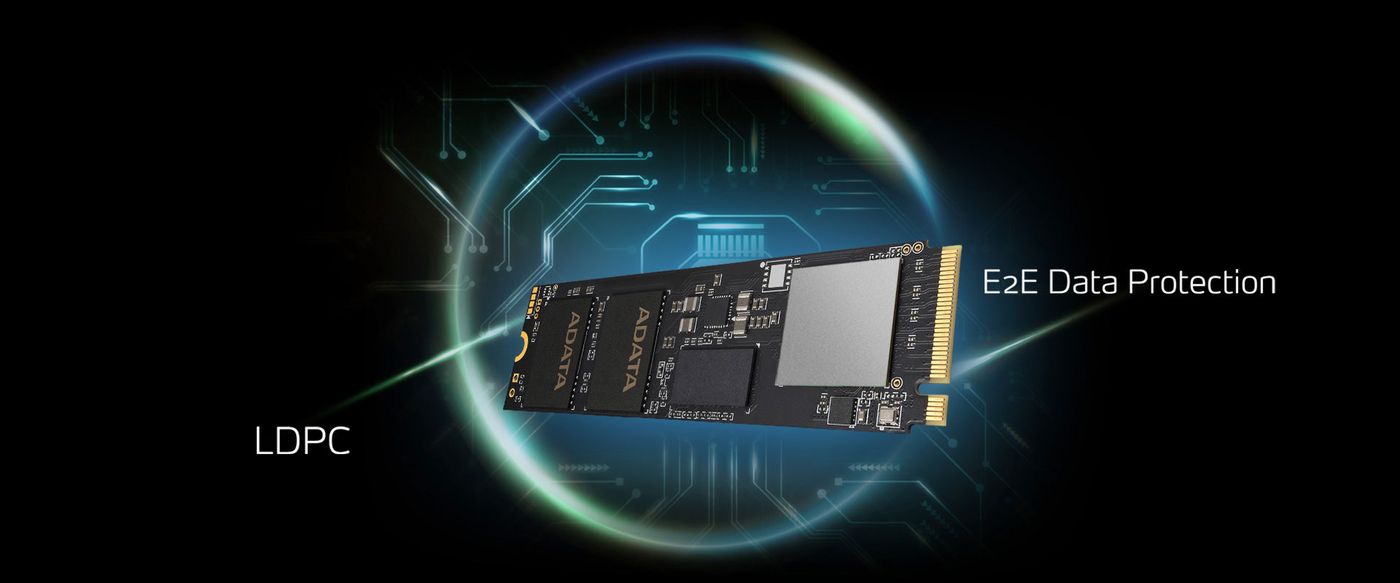
LDPC, E2E Protection, RAID Engine And AES 256
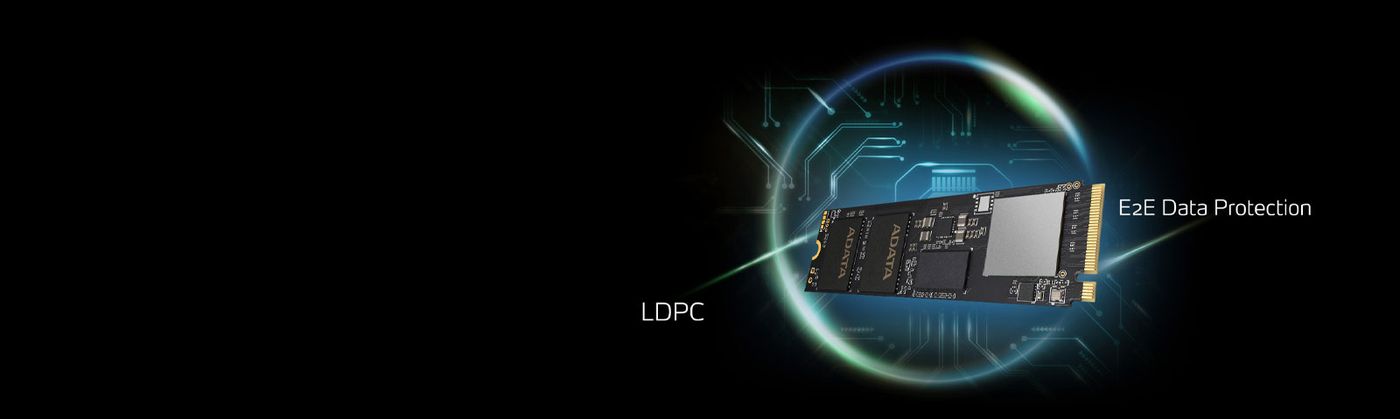
The S70 Blade uses LDPC error correcting technology to detect and repair data errors, keeping transmissions accurate. On top of that it carries End-to-End Data Protection, RAID Engine support and AES 256-bit Encryption, covering both the integrity of the data and its security.
Speed, Capacity And Cooling In One Drive
The GAMMIX S70 Blade brings together 7,400 MB/s Gen4 reads, 2TB of 3D NAND capacity and an integrated heatsink that cuts temperatures by up to 20 percent. That combination is what makes it work equally as a PC boot drive, a games library and a PS5 expansion.
Speed, Capacity And Cooling In One Drive
The GAMMIX S70 Blade brings together 7,400 MB/s Gen4 reads, 2TB of 3D NAND capacity and an integrated heatsink that cuts temperatures by up to 20 percent. That combination is what makes it work equally as a PC boot drive, a games library and a PS5 expansion.
FAQ
Frequently Asked Questions
Everything you need to know about this product
It reaches read and write speeds of up to 7,400 and 6,800 MB/s on PC and laptop.
Yes. It is fully compatible with the PS5 and measures a sequential read speed of 6,300 MB/s in the console.
It is a PCIe Gen4x4 drive in the M.2 2280 form factor.
Yes. The drive is backward compatible with PCIe 3.0 systems, though it reaches full speed on a Gen4 platform.
Yes. An integrated aluminium heatsink is fitted and lowers temperatures by up to 20 percent.
The range runs to a maximum capacity of 4TB, with this model supplying 2TB.
It is compliant with the NVMe 1.4 standard.
It uses 3D NAND Flash for higher storage capacity and improved efficiency.
Yes. It combines a DRAM Cache Buffer with Dynamic SLC Caching for video editing, rendering and gaming.
It has LDPC error correcting technology, End-to-End Data Protection, RAID Engine support and AES 256-bit Encryption.
Yes. The space-efficient M.2 2280 form factor suits laptops and other thin devices.


AI-Generated Content: These FAQs are generated by an automated AI system and may contain inaccuracies or omissions. Evetech makes no warranties, express or implied, regarding their completeness or reliability. For definitive information, please refer to the manufacturer's official specifications.
Please Note: Product images are for illustrative purposes only and may differ from the actual product.
Choose your
own PC
Hand-pick every part with live stock, compatibility, and instant pricing.
Try the new builderPrice Inc. Vat
R 5,699
Save R 300
ListR 5,999
5699Free Delivery
Out of Stock
Choose your
own PC
Hand-pick every part with live stock, compatibility, and instant pricing.
Try the new builderXPG 2TB GAMMIX S70 Blade