xreal-one-ar-glasses-x1111
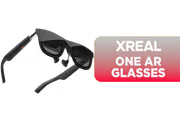
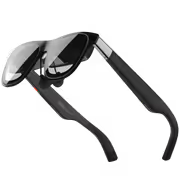
XREAL One AR Glasses / XREAL X1 Chip / 600 Nits Brightness / Up to 147" Spatial Screen / 50° FOV / 120Hz Refresh Rate / Native 3 DoF / Sound by BOSE / X1111 / X1111 + FREE DELIVERY !
1 Year Local Warranty
Model No : XREAL X1111
Price Inc. Vat
R 10,499
Save R 1,100
ListR 11,599
10499Free Delivery
Out of Stock
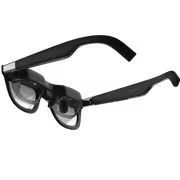
XREAL One AR Glasses X1111 — 147" Spatial Screen, BOSE Audio
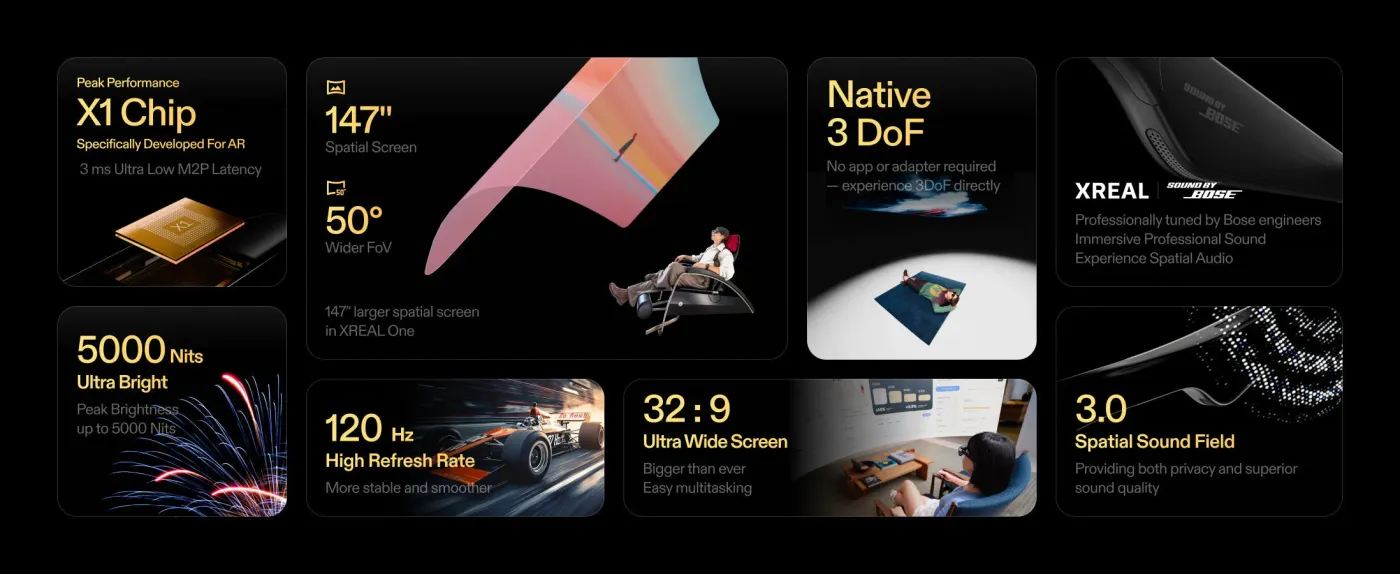
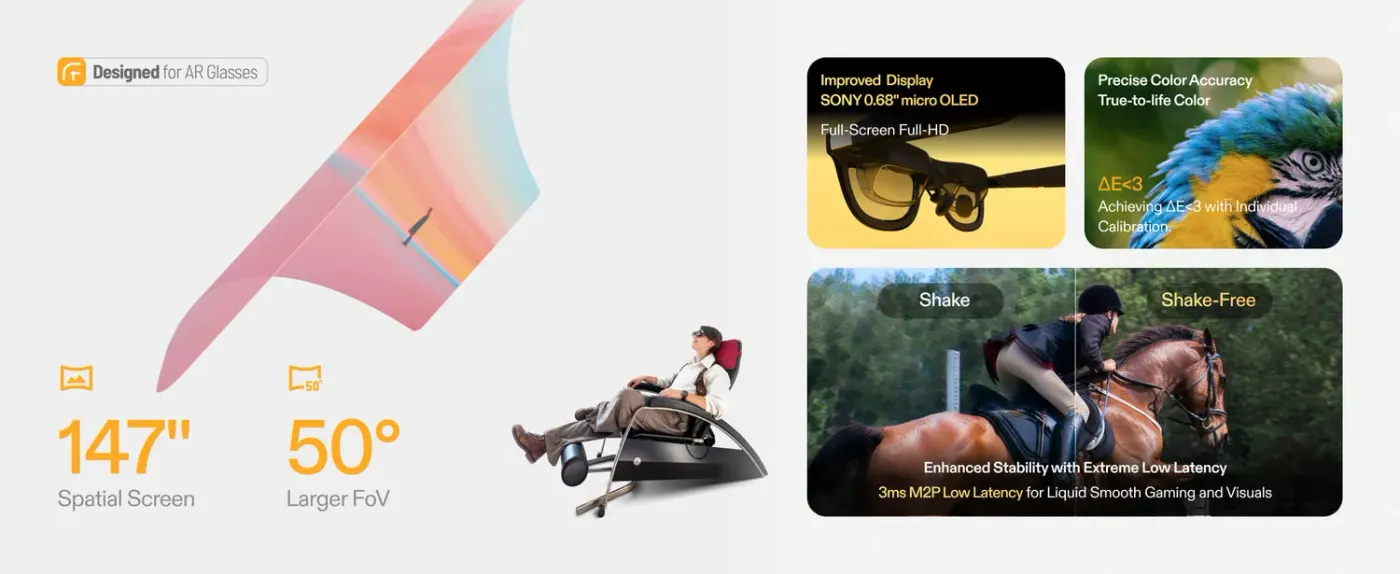
A 147-Inch Spatial Screen You Can Pocket
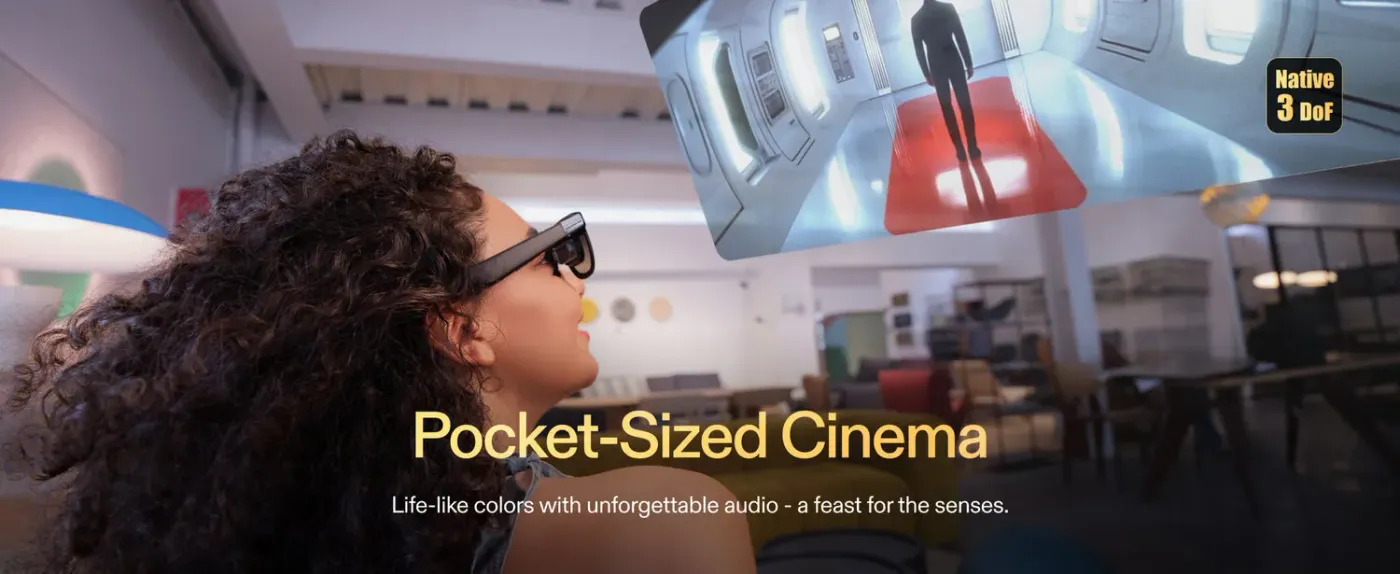
XREAL One projects a virtual display of up to 147 inches in front of you, from a pair of glasses that folds into a case. The screen appears at cinema size regardless of where you are sitting, which is what makes an aeroplane tray table or a hotel bed a viable place to watch something properly.

Sony 0.68-Inch Micro-OLED Panels Inside
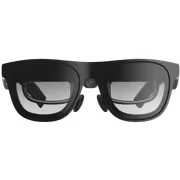
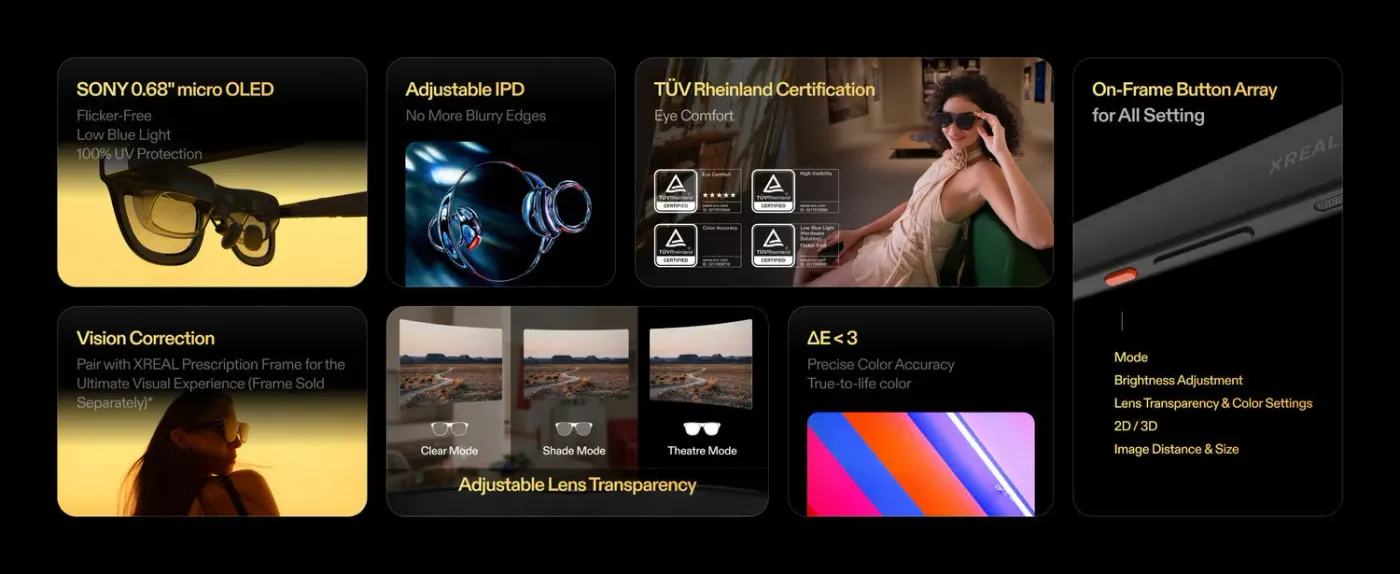
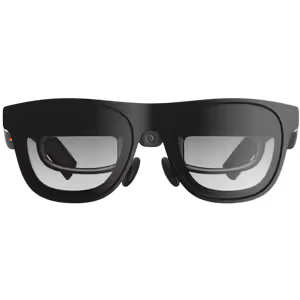
Each eye is fed by a Sony 0.68-inch Micro-OLED panel. Micro-OLED gives per-pixel illumination, so blacks stay black rather than washing out into grey, which is the failing that makes cheaper AR displays look flat in a dark scene.
Sony 0.68-Inch Micro-OLED Panels Inside
Each eye is fed by a Sony 0.68-inch Micro-OLED panel. Micro-OLED gives per-pixel illumination, so blacks stay black rather than washing out into grey, which is the failing that makes cheaper AR displays look flat in a dark scene.
1080p Image Built From 4 Million Pixels
The display resolves 1080p from around 4 million pixels, so text stays legible at the size the virtual screen is projected. That threshold is what separates a display you can work on from one that only suits video, where soft edges go unnoticed.
1080p Image Built From 4 Million Pixels
The display resolves 1080p from around 4 million pixels, so text stays legible at the size the virtual screen is projected. That threshold is what separates a display you can work on from one that only suits video, where soft edges go unnoticed.
600 Nits Keeps Content Visible In Daylight
Peak brightness reaches 600 nits, enough to hold contrast against ambient light in a lit room, a train carriage or a café. AR glasses live or die on this number, because a dim panel forces you into a dark room and removes the point of a portable screen.
600 Nits Keeps Content Visible In Daylight
Peak brightness reaches 600 nits, enough to hold contrast against ambient light in a lit room, a train carriage or a café. AR glasses live or die on this number, because a dim panel forces you into a dark room and removes the point of a portable screen.
50-Degree Field Of View For Immersion
The field of view measures 50 degrees, which is what determines how much of your vision the virtual screen fills. A wider FOV puts more of the image inside your natural focus, so games and films feel surrounding rather than like a small window floating ahead of you.
120Hz Refresh Rate For Smooth Motion
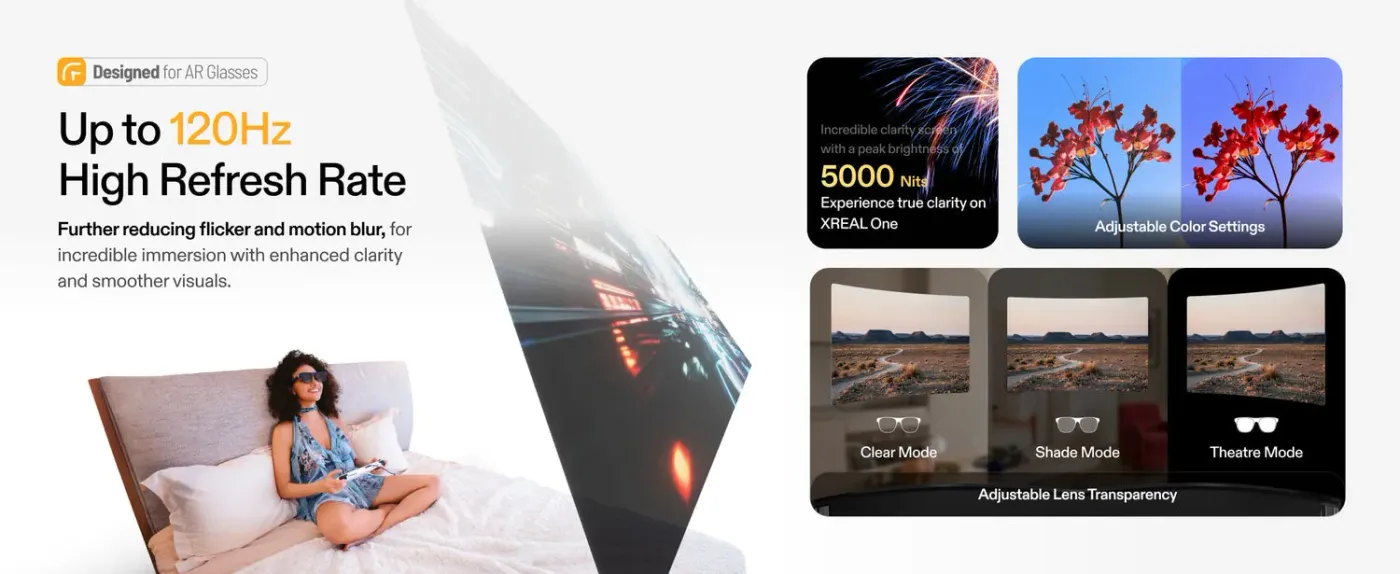
The panels run at 120 Hz, doubling the frame cadence of a standard 60 Hz display. In fast games and panning camera work that halves the visible motion blur, and it also reduces the judder that makes head movement uncomfortable in a wearable display.
120Hz Refresh Rate For Smooth Motion
The panels run at 120 Hz, doubling the frame cadence of a standard 60 Hz display. In fast games and panning camera work that halves the visible motion blur, and it also reduces the judder that makes head movement uncomfortable in a wearable display.
XREAL X1 Chip Handles Processing Onboard
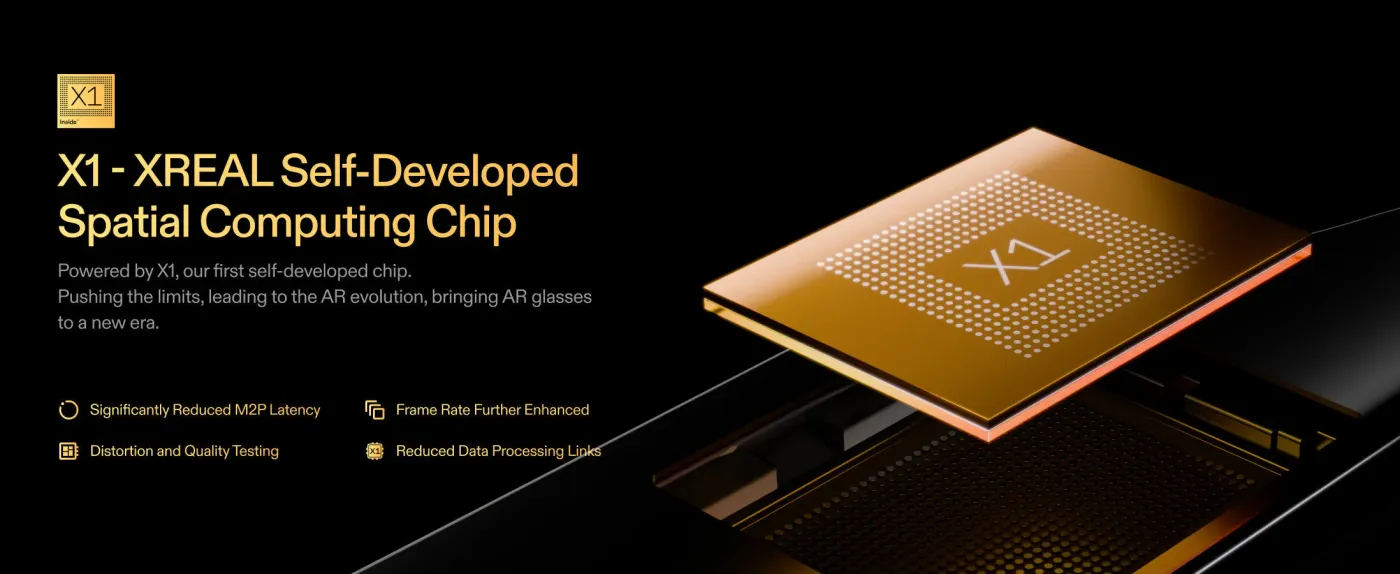
A dedicated XREAL X1 chip sits inside the glasses, driving the visuals and responsiveness rather than offloading that work to a connected phone. Keeping the pipeline in the glasses shortens the path from movement to image, which is the delay users perceive as lag.
Native 3 DoF Tracking Powered By The Glasses
3 DoF tracking is native and powered by the glasses themselves, so the virtual screen stays anchored in place when you turn your head instead of sliding with it. Because nothing external is required, the anchoring works the same whether you connect a phone, a laptop or a console.
Optic Engine 3.0 Optical Design
The optical stack is XREAL's Optic Engine 3.0, the layout that routes light from the Micro-OLED panels into your eyes at the correct focal distance. Optical design is what determines edge sharpness and distortion, and it is the part of a headset that cannot be fixed later in software.
Colour Accuracy Rated Below Delta-E 3
Each unit ships with individualised colour calibration and a rated colour accuracy of ΔE under 3, the point at which most people stop seeing a difference from the reference. That matters for graded film content and for anyone reviewing images or video away from a calibrated monitor.
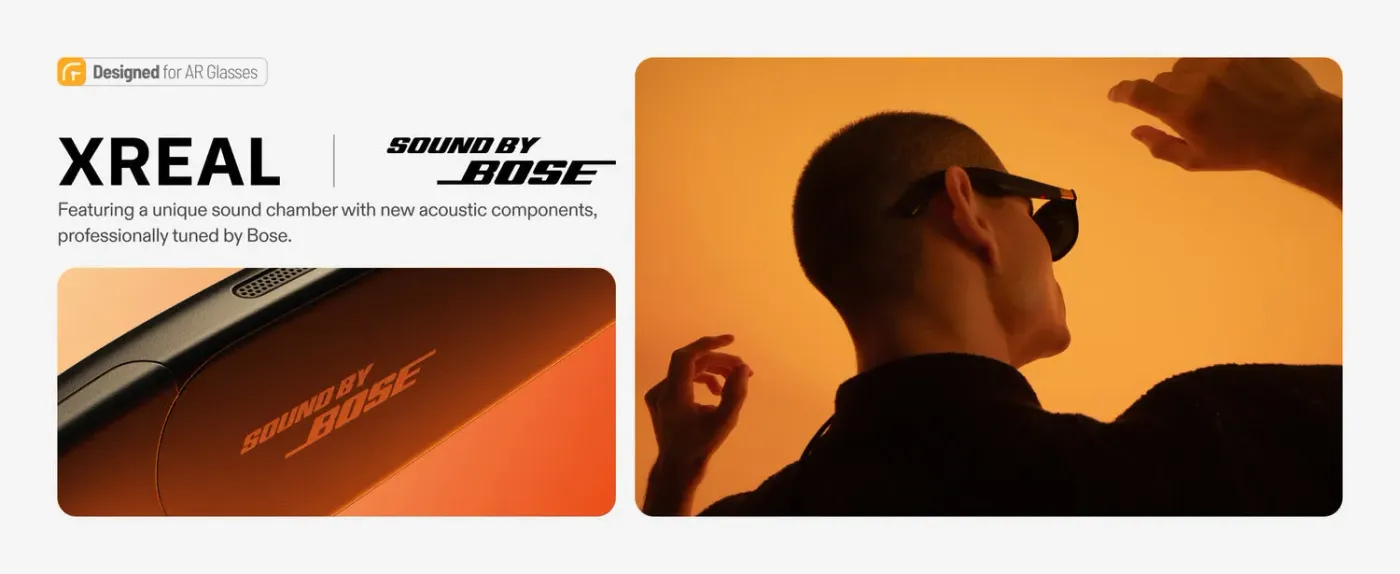
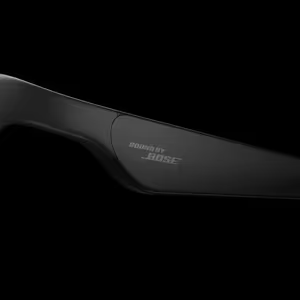
Audio Tuned By Bose Built Into The Frame
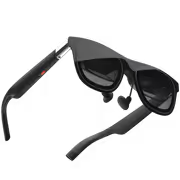
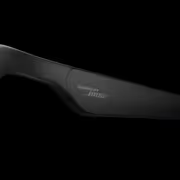
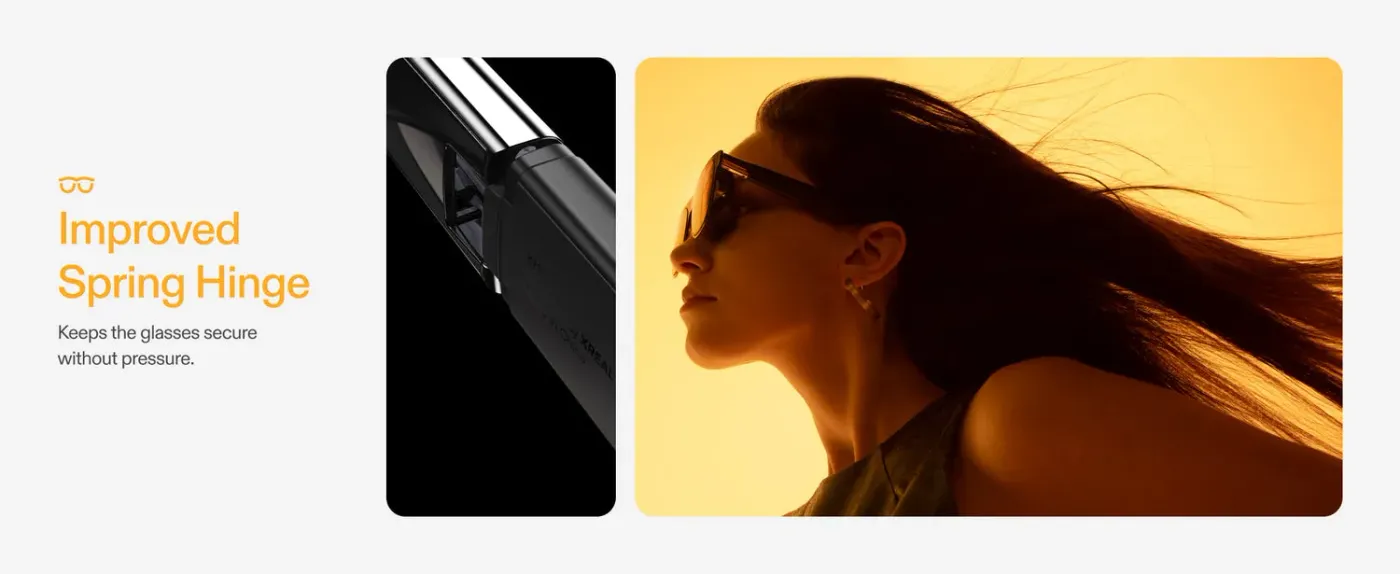
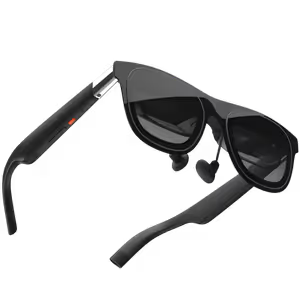
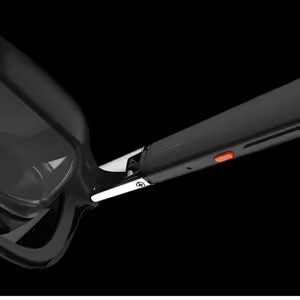
Sound comes from a Bose-tuned system built into the temples, so there is no second device to pair and nothing in your ears. That suits travel, where you can still hear an announcement, and shared spaces where fully sealed headphones are not appropriate.
Audio Tuned By Bose Built Into The Frame
Sound comes from a Bose-tuned system built into the temples, so there is no second device to pair and nothing in your ears. That suits travel, where you can still hear an announcement, and shared spaces where fully sealed headphones are not appropriate.
84 Grams On Your Face
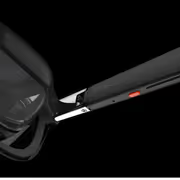
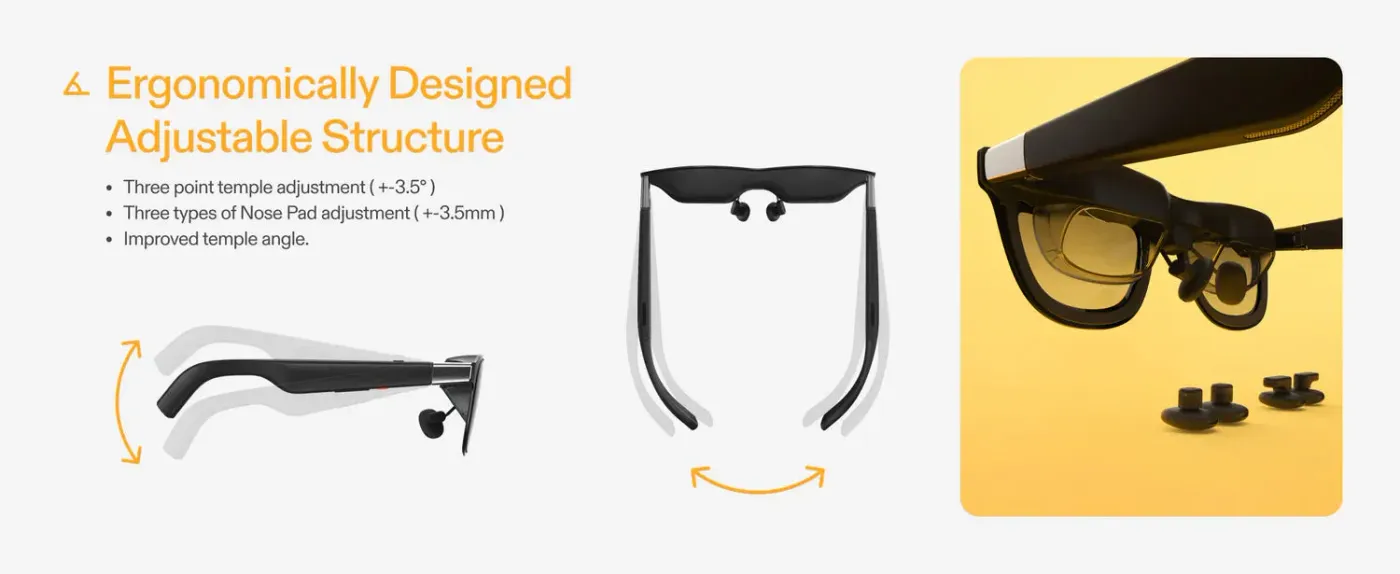
The glasses weigh 84 g, closer to a pair of chunky sunglasses than to a headset. Weight is the limiting factor on how long anyone actually wears a display like this, and keeping it under 100 g is what allows a full-length film rather than a demo.
84 Grams On Your Face
The glasses weigh 84 g, closer to a pair of chunky sunglasses than to a headset. Weight is the limiting factor on how long anyone actually wears a display like this, and keeping it under 100 g is what allows a full-length film rather than a demo.

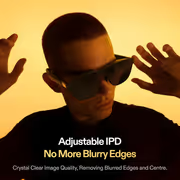
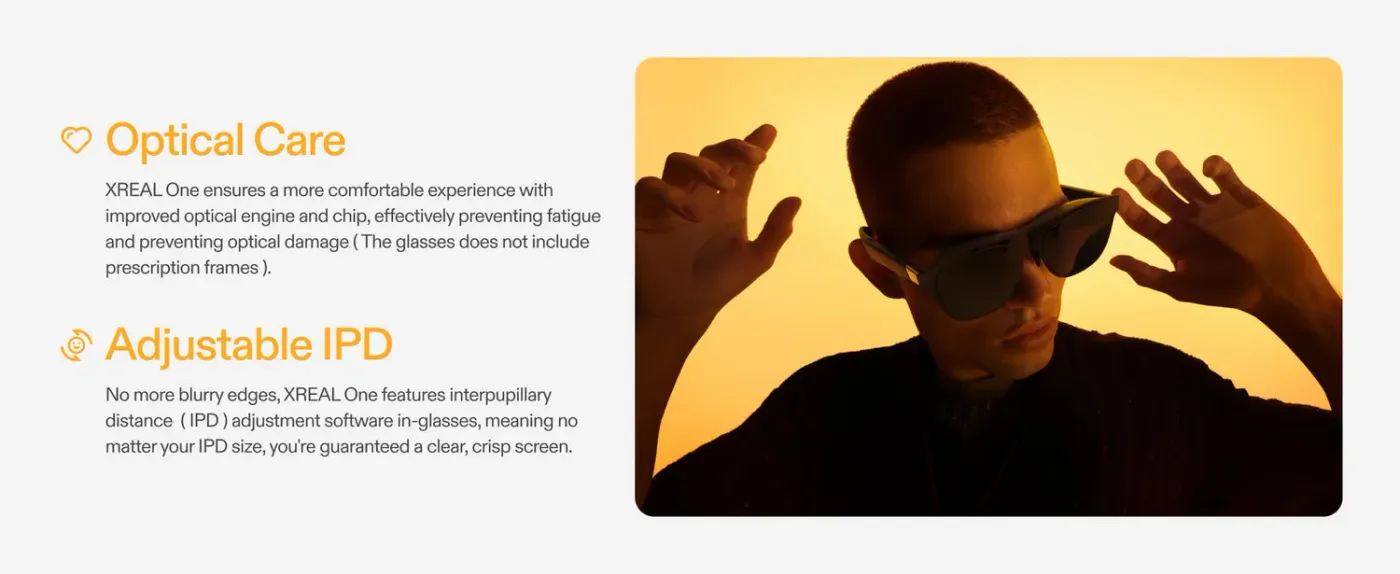
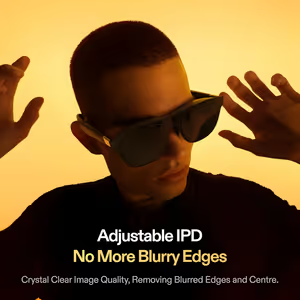
Software-Based IPD Adjustment Per User
Interpupillary distance is adjusted in software rather than by moving hardware, so the image can be tuned to your eye spacing without mechanical sliders to knock out of position. It also makes handing the glasses to someone else a settings change rather than a physical readjustment.
Three-Mode Electrochromic Lens Dimming
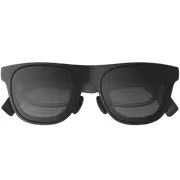
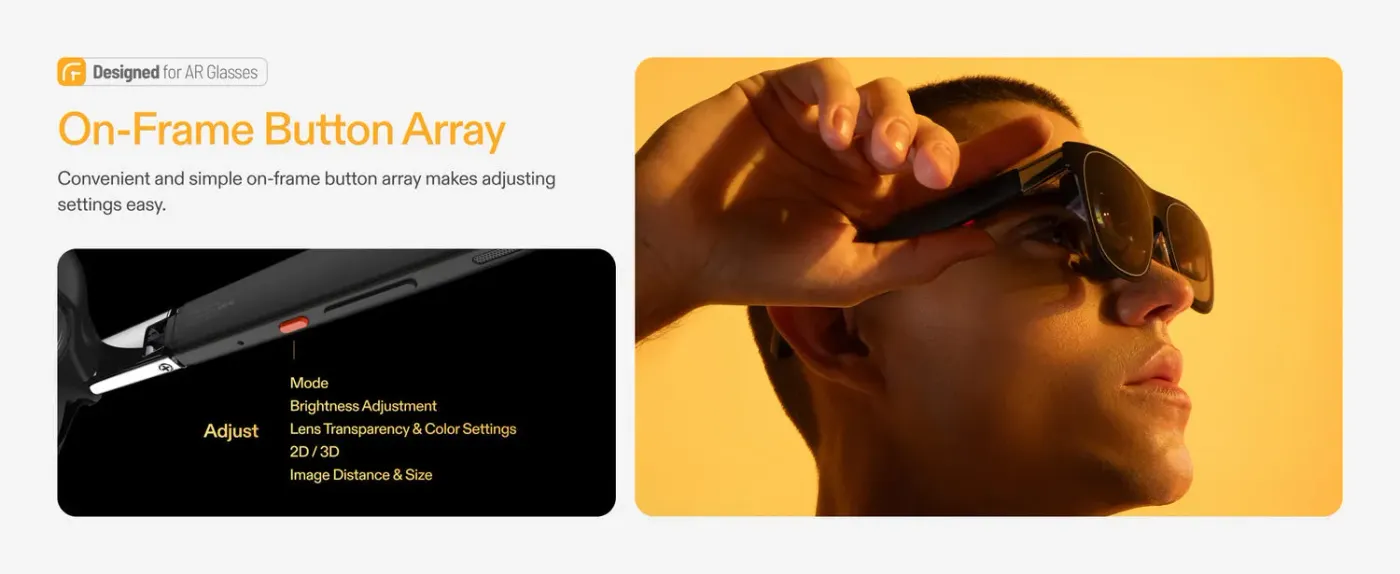
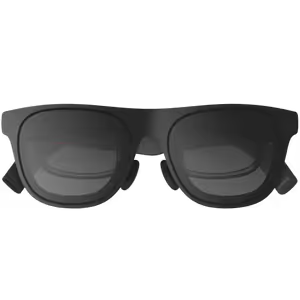
The lenses dim electronically across three transparency modes, from mostly see-through to almost opaque. That lets you keep awareness of a room during a meeting, then darken the lens for a film, without swapping in a physical light shield.
Three-Mode Electrochromic Lens Dimming
The lenses dim electronically across three transparency modes, from mostly see-through to almost opaque. That lets you keep awareness of a room during a meeting, then darken the lens for a film, without swapping in a physical light shield.
100% UV Protection In The Lenses
The lenses block 100% of UV, the same protection expected from proper sunglasses. It is a small specification that matters if the glasses ever get worn near a window or outdoors while content is playing, which is common on a train or in a passenger seat.
100% UV Protection In The Lenses
The lenses block 100% of UV, the same protection expected from proper sunglasses. It is a small specification that matters if the glasses ever get worn near a window or outdoors while content is playing, which is common on a train or in a passenger seat.
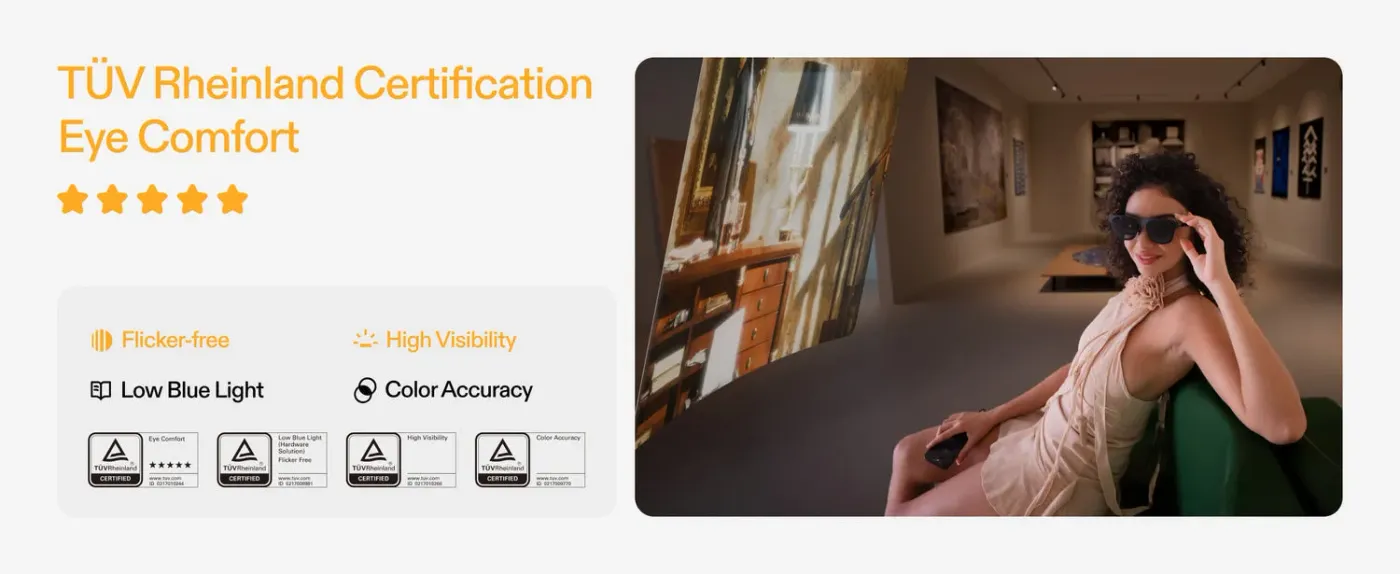
Blue Light Filter And Eye Comfort Mode
Both the blue light filter and the eye comfort mode carry TÜV Rheinland New Standard certification, meaning they have been measured against an external benchmark rather than described in marketing terms. For long sessions that is the difference between a claim and a tested result.
TUV Rheinland Certified AR Visibility
The glasses hold TÜV Rheinland New Standard certification for high visibility in AR use, which covers how clearly virtual content reads against the real world behind it. That is the property that decides whether an overlay is usable in a normal room or only in a dark one.
A Private Large Display For Remote Work
Connected to a laptop, the glasses give a large screen in places that have no room for one: a plane seat, a shared desk, a hotel room. Nobody beside you can read it either, which solves the other half of the problem when working on something confidential in public.
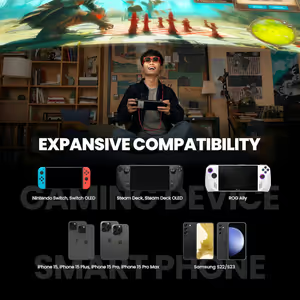
Gaming, Streaming And Cinema On The Move
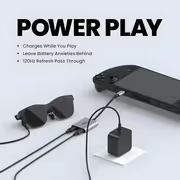
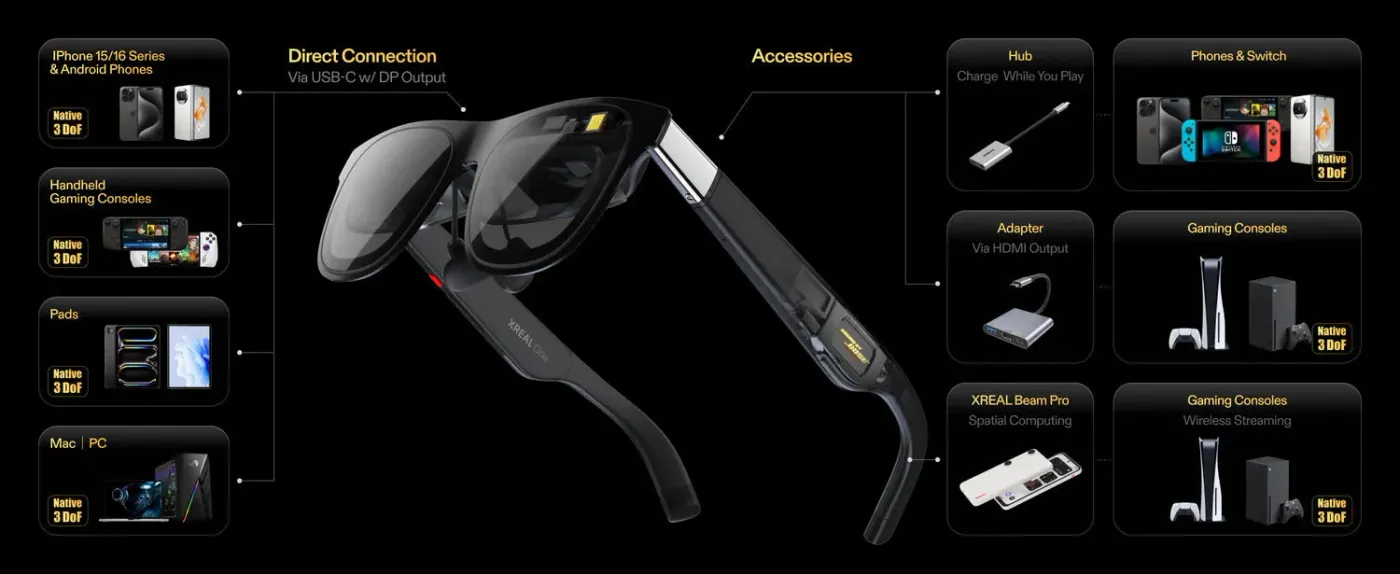
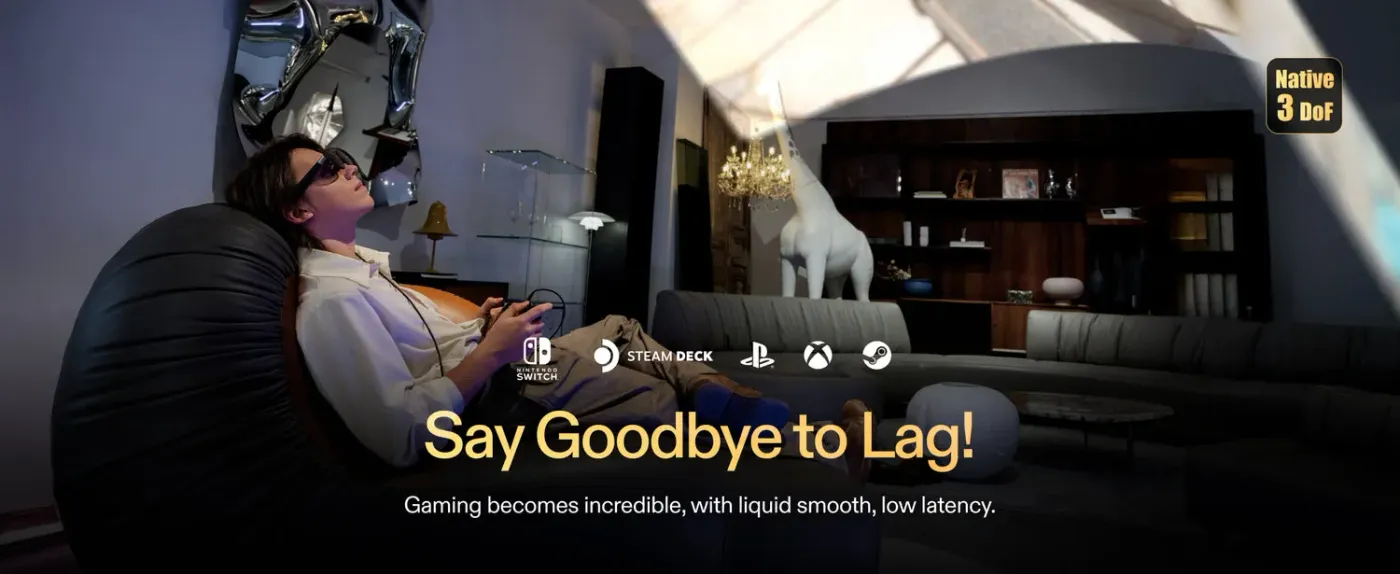
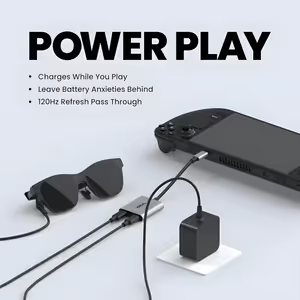
For entertainment the combination of 120 Hz, 600 nits and Bose audio covers console gaming, streaming and films without carrying a screen at all. A phone, a handheld console or a laptop becomes the source, and the glasses supply the display and the sound in one 84 gram package.
FAQ
Frequently Asked Questions
Everything you need to know about this product
It projects a spatial screen of up to 147 inches in front of the wearer.
It uses Sony 0.68-inch Micro-OLED panels driven through the Optic Engine 3.0 optical design.
The display resolves 1080p from around 4 million pixels.
Brightness is rated at 600 nits.
The field of view is 50 degrees.
They run at 120 Hz, which reduces motion blur compared with a 60 Hz display.
A dedicated XREAL X1 chip handles visuals and responsiveness inside the glasses.
No, native 3 DoF tracking is powered by the glasses themselves.
The XREAL One glasses weigh 84 grams in total.
Yes, the sound system is tuned by Bose and built into the frame, so no external speakers or earphones are needed.
Yes, they use electrochromic dimming with three transparency modes.
Each unit has individualised colour calibration with a rated accuracy of ΔE below 3.


AI-Generated Content: These FAQs are generated by an automated AI system and may contain inaccuracies or omissions. Evetech makes no warranties, express or implied, regarding their completeness or reliability. For definitive information, please refer to the manufacturer's official specifications.

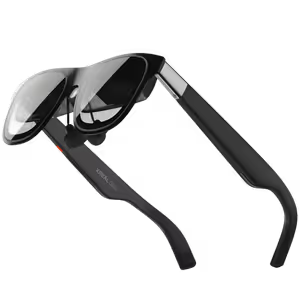
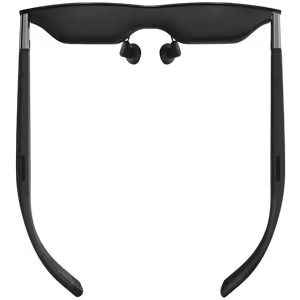
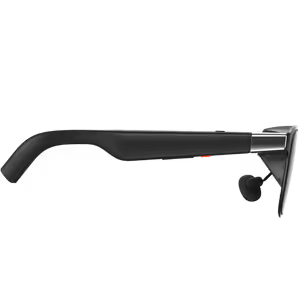
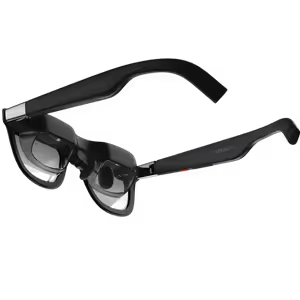


Please Note: Product images are for illustrative purposes only and may differ from the actual product.
Choose your
own PC
Hand-pick every part with live stock, compatibility, and instant pricing.
Try the new builderPrice Inc. Vat
R 10,499
Save R 1,100
ListR 11,599
10499Free Delivery
Out of Stock
Choose your
own PC
Hand-pick every part with live stock, compatibility, and instant pricing.
Try the new builderXREAL One AR Glasses / XREAL X1 Chip / 600 Nits Brightness /