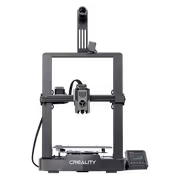
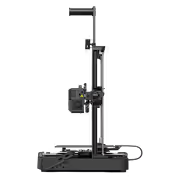
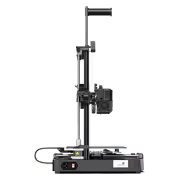
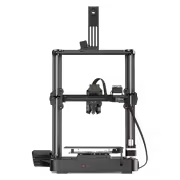
creality-ender-3-v3-ke-3d-printer
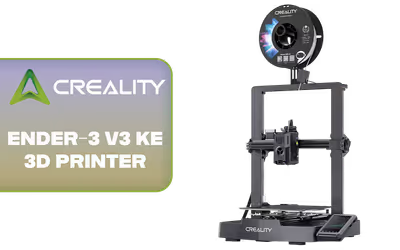
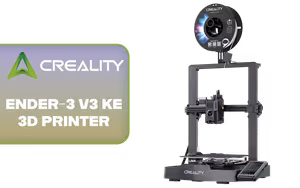
Creality Ender-3 V3 KE 3D Printer / 220x220x240mm Build Volume / 500mm/s Max Speed / 8000mm/s2 Acceleration / Sprite Direct Drive / 300C Nozzle / PEI Flexible Plate / Hands-free Auto Levelling / 4.3" Touch Screen / WiFi / ENDER-3V3KE + FREE DELIVERY !
Model No : Creality ENDER-3V3KE
Price Inc. Vat
R 5,599
Save R 1,000
ListR 6,599
5599Free Delivery
Qty:
In Stock with Evetech
Creality Ender-3 V3 KE 3D Printer, 500mm/s
A Real Step Up From The Ender-3 You Remember
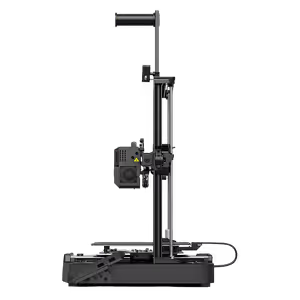
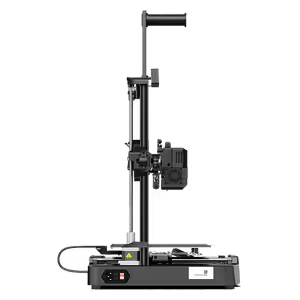
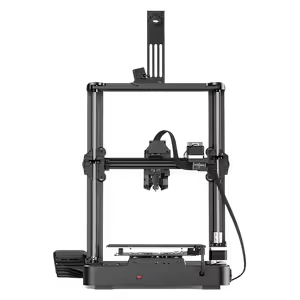
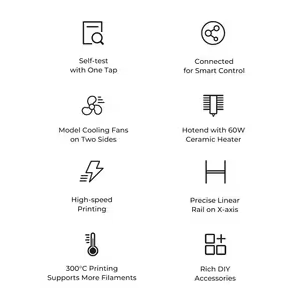
The Ender-3 V3 KE keeps the shape people know and changes almost everything underneath it. Top speed goes to 500mm/s on 8000mm/s2 acceleration, the X-axis moves on a steel linear rail instead of wheels, the Sprite direct drive extruder reaches 300C, and levelling is a single tap rather than a sheet of paper and ten minutes of patience. Build volume is 220 x 220 x 240mm.
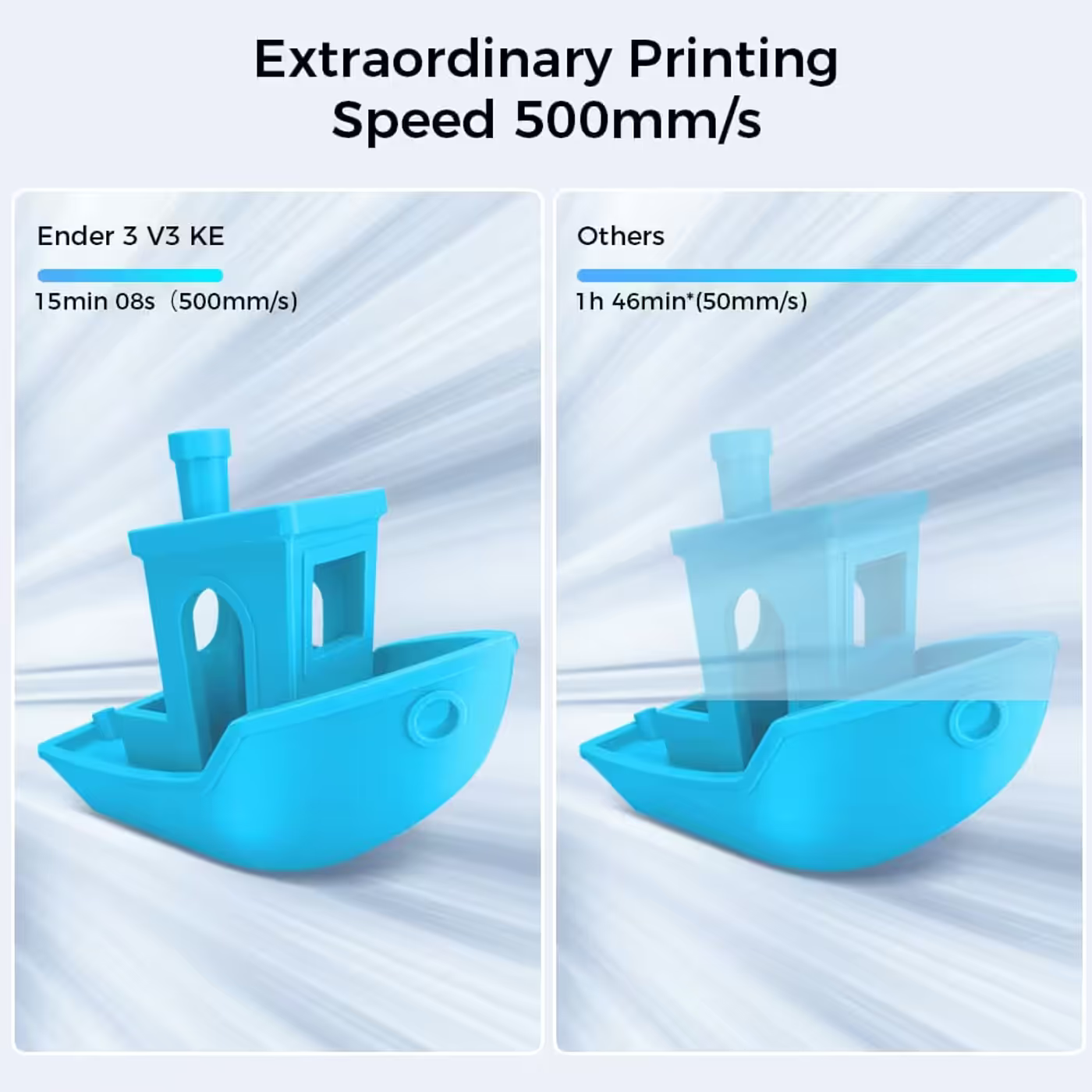
15 Minutes 08 Seconds For A Benchy
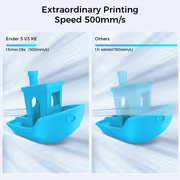
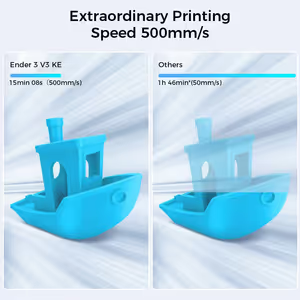
Creality's own comparison prints the standard Benchy in 15 minutes and 8 seconds at 500mm/s, against 1 hour 46 minutes at 50mm/s. That is the difference between starting a print and waiting for it, and starting a print and getting on with something else. Typical printing speed is 300mm/s, with 500mm/s as the maximum tested with Hyper PLA.
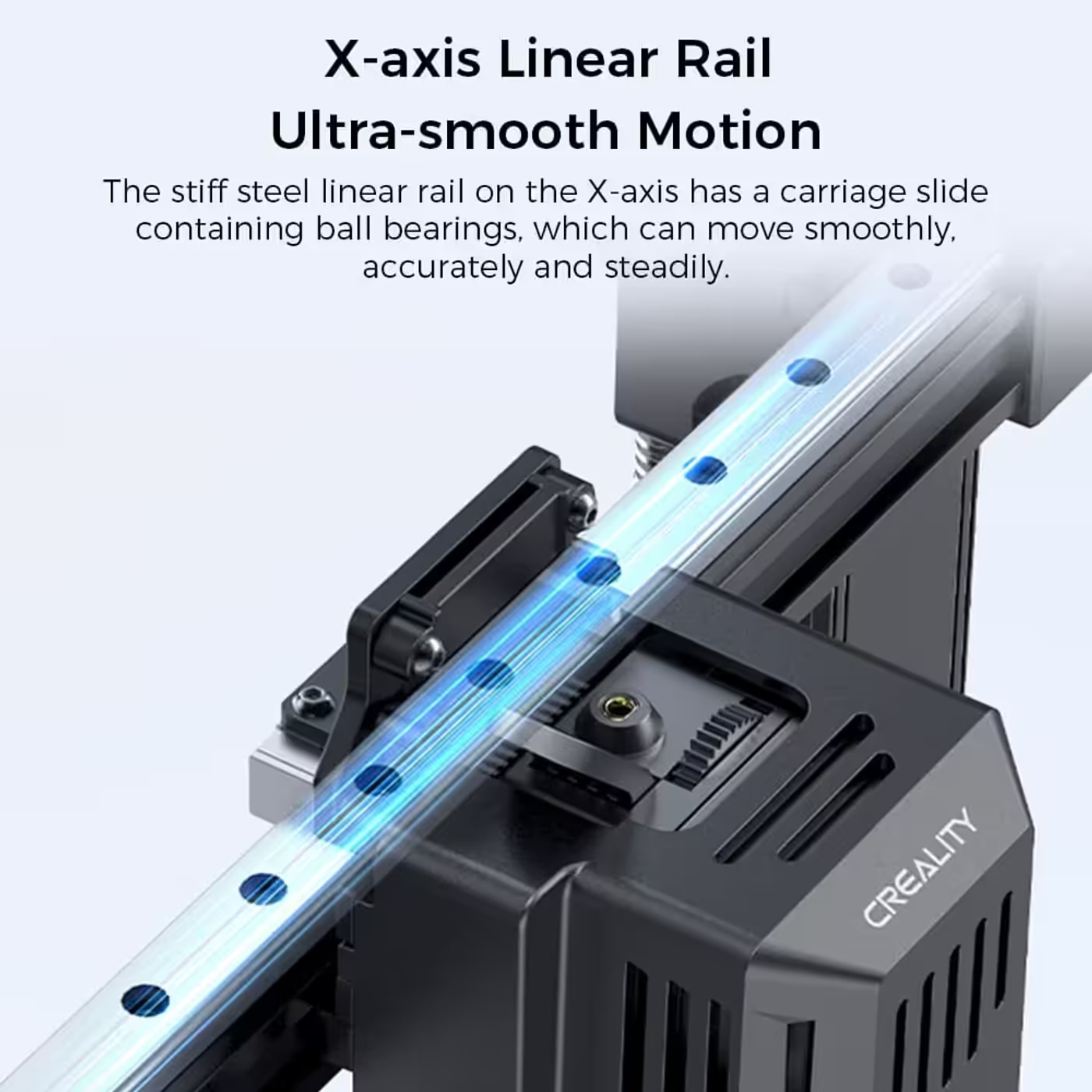
A Linear Rail On The X-axis
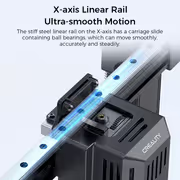
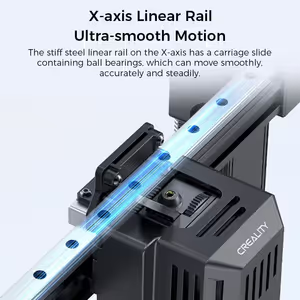
The X-axis rides on a stiff steel linear rail with a ball-bearing carriage slide, at a 0.04 friction coefficient. Wheels running in an extrusion wear, develop play, and put that play straight into the surface of the print. A rail does not, which is what keeps motion smooth and repeatable at the speeds this machine is built for.
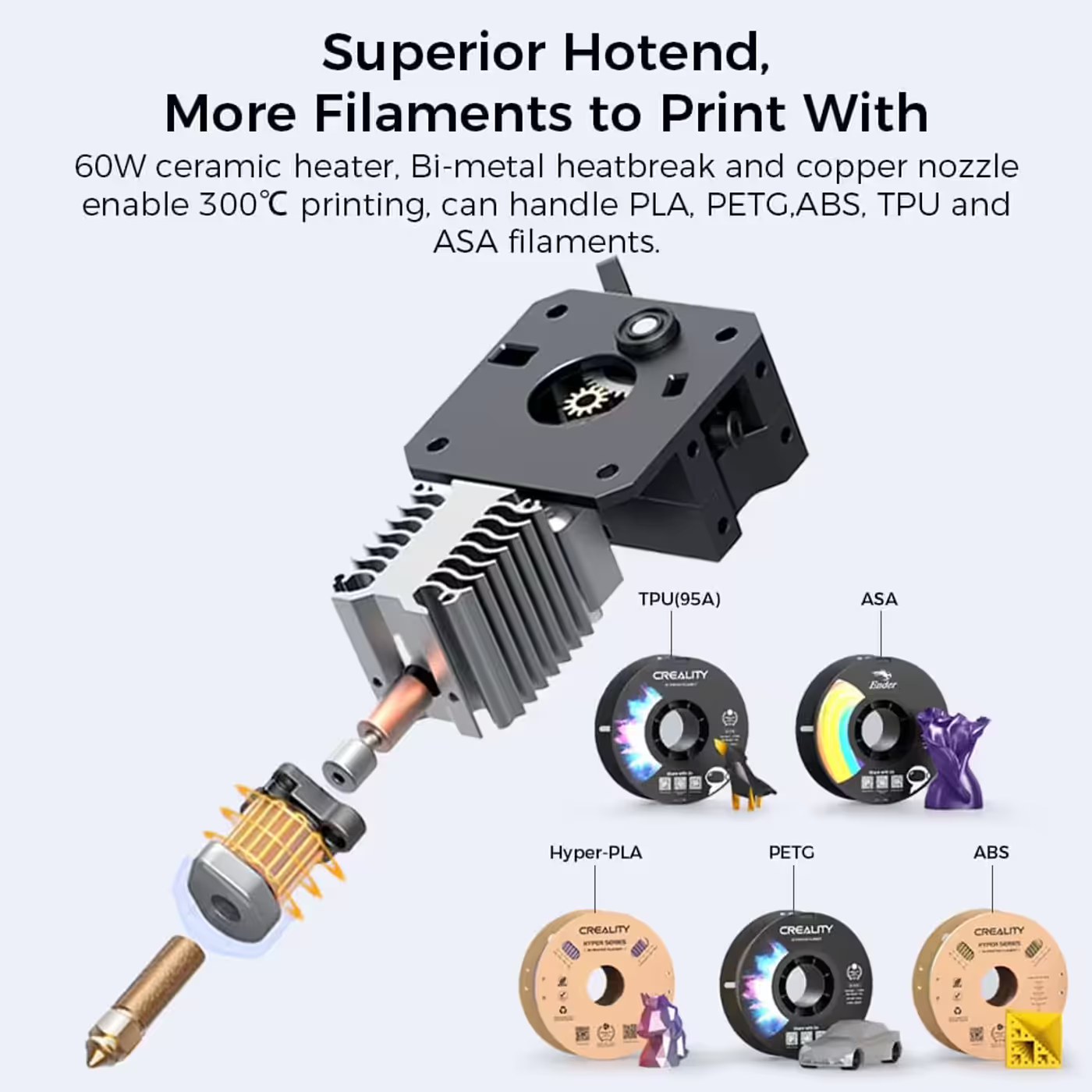
300C Hotend, So You Are Not Stuck With PLA
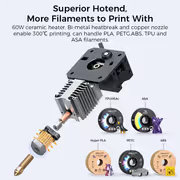
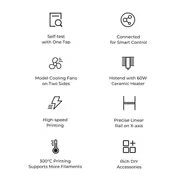
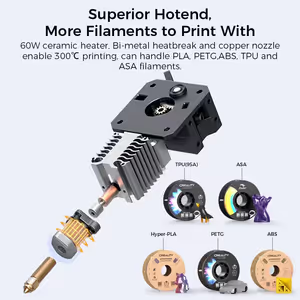
A 60W ceramic heater, a bi-metal heatbreak and a copper nozzle take the hotend to 300C. That is what puts PLA, PETG, ABS, TPU 95A and ASA all on the menu instead of PLA and a lot of hope. The Sprite direct drive extruder feeds right at the hotend, which is the part that makes flexible TPU practical at all.
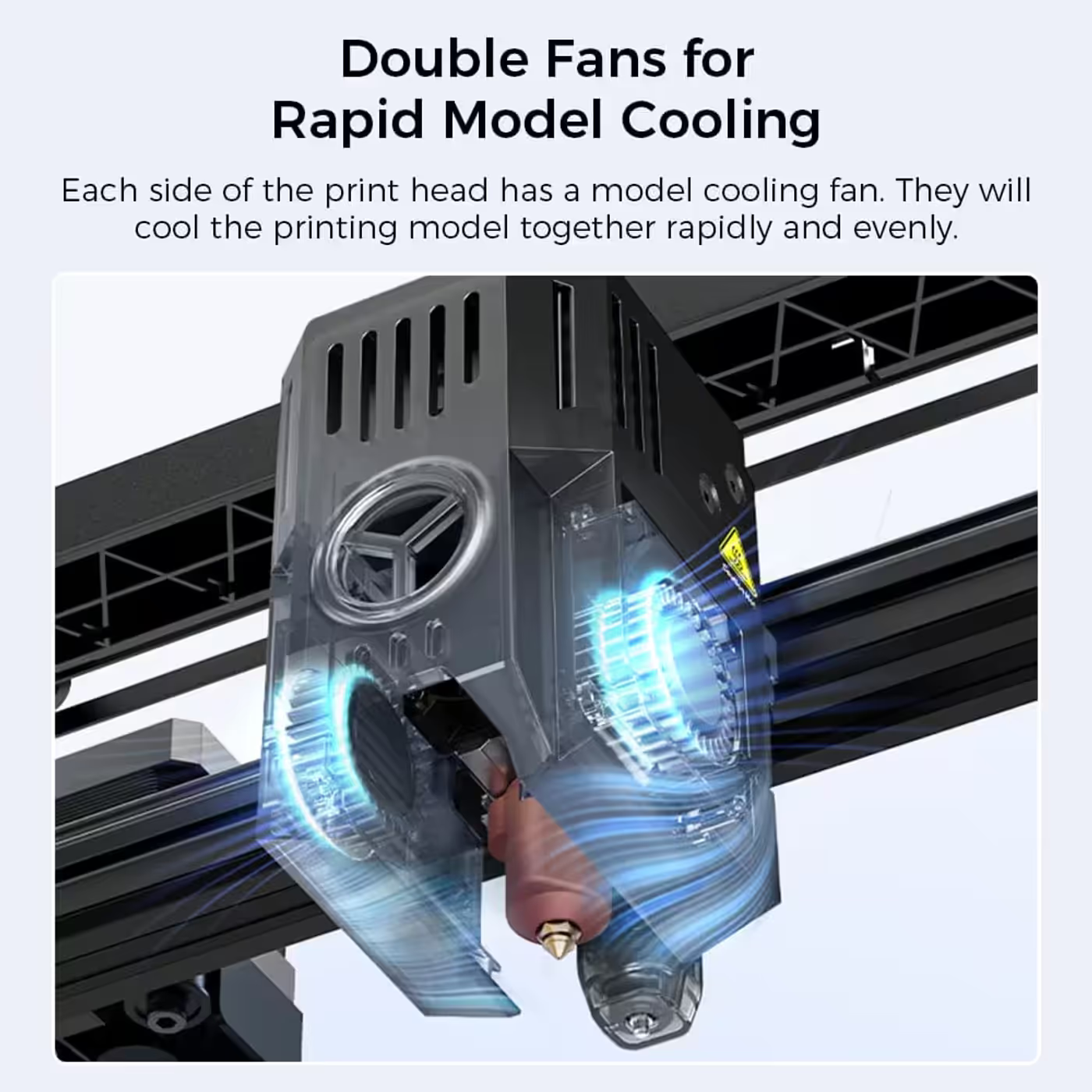
Dual-Sided Model Cooling
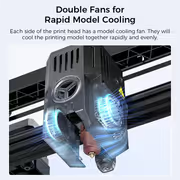
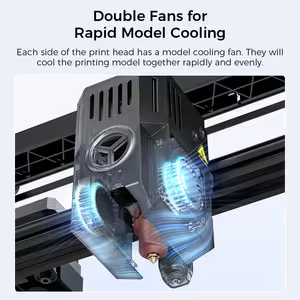
There is a model cooling fan on each side of the print head, so a part is cooled from both directions at once rather than chased around by a single duct. Even cooling is what holds overhangs, small features and fine detail together when the head is moving quickly.
Dual-Sided Model Cooling
There is a model cooling fan on each side of the print head, so a part is cooled from both directions at once rather than chased around by a single duct. Even cooling is what holds overhangs, small features and fine detail together when the head is moving quickly.
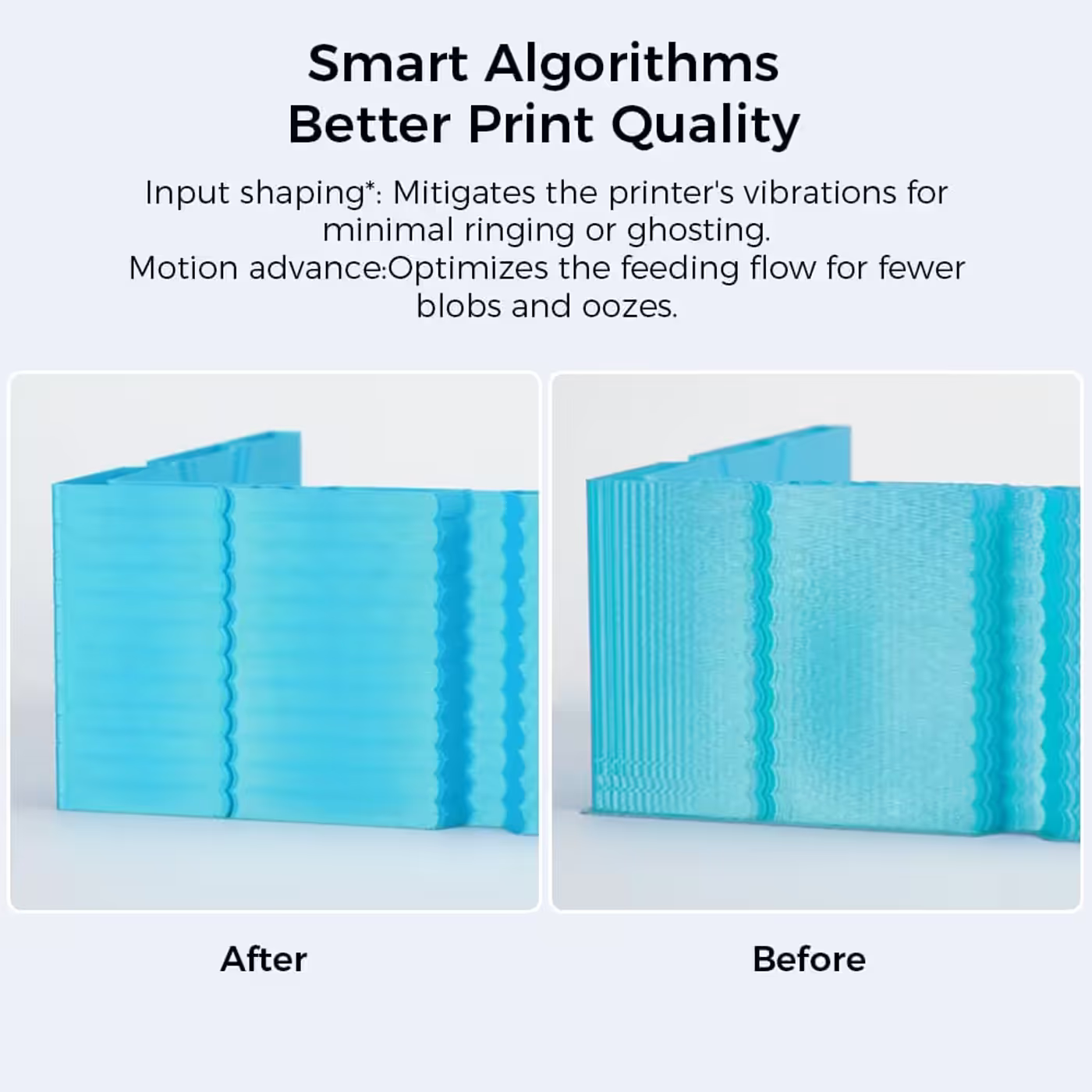
Input Shaping And Motion Advance
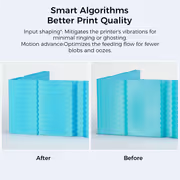
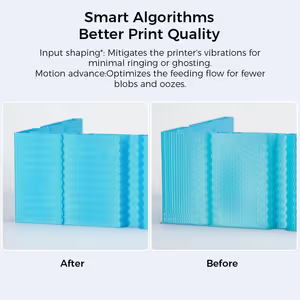
Two algorithms do the quiet work. Input shaping measures and cancels the printer's own vibration, which is what removes the ringing and ghosting you see echoed beside sharp corners. Motion advance tunes the feed flow so the extruder stops leaving blobs and oozing between moves. Creality's before-and-after on a ribbed test print shows the difference plainly.
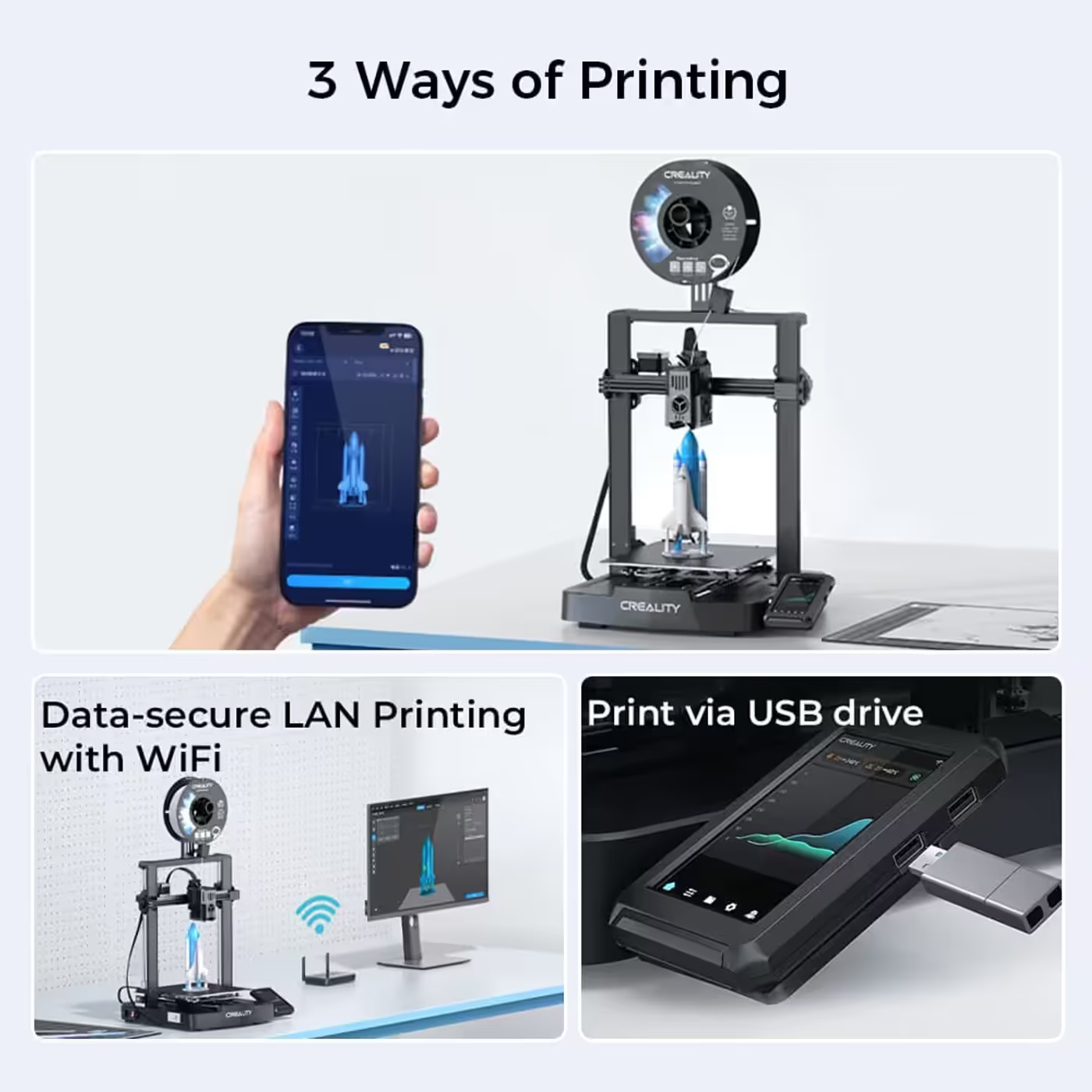
Print From The Bench Or From Your Phone
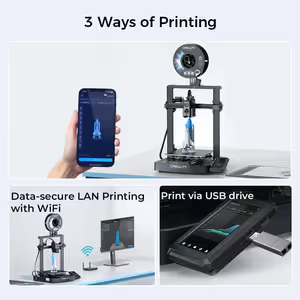
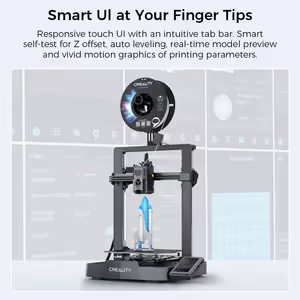
Three ways in: a USB drive at the machine, data-secure LAN printing, or WiFi and the Creality Cloud app from wherever you happen to be. Multiple printers can be managed online together as a small print farm. The 4.3-inch colour touch screen handles everything at the machine, with a real-time model preview and the print parameters shown as you go.
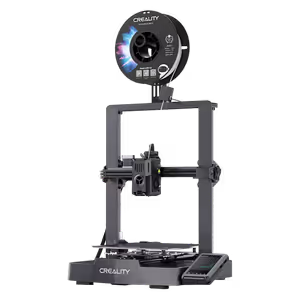
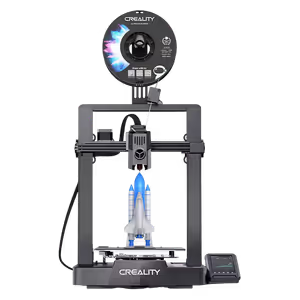
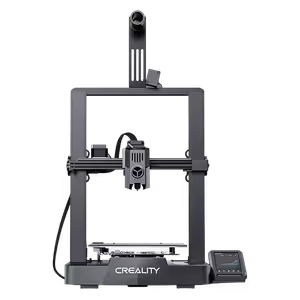
Please Note: Product images are for illustrative purposes only and may differ from the actual product.
Choose your
own PC
Hand-pick every part with live stock, compatibility, and instant pricing.
Try the new builderPrice Inc. Vat
R 5,599
Save R 1,000
ListR 6,599
5599Free Delivery
Qty:
In Stock with Evetech
Choose your
own PC
Hand-pick every part with live stock, compatibility, and instant pricing.
Try the new builderCreality Ender-3 V3 KE 3D Printer