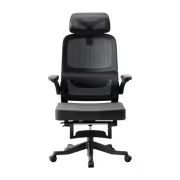
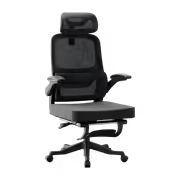
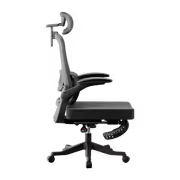
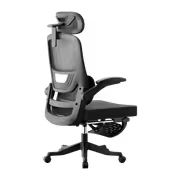
hbada-p1-pro-class-4-gas-lift-145-recline-office-chair
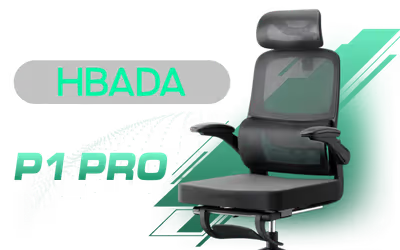
HBADA P1 PRO / Class 4 Gas Lift / 145° Angle Recline / 3D Wide Large Neck Pillow / Upgraded Spinal Support Large Double Back / 8xm Sponge Seat Cushion / Adjustable Headrest / P102BVA
2 Years Local Warranty
Model No : HBADA P102BVA
Price Inc. Vat
R 2,699
Save R 300
ListR 2,999
2699Change Quantity:
In Stock with Evetech
HBADA P1 PRO Office Chair Recliner with Class 4 Gas Lift
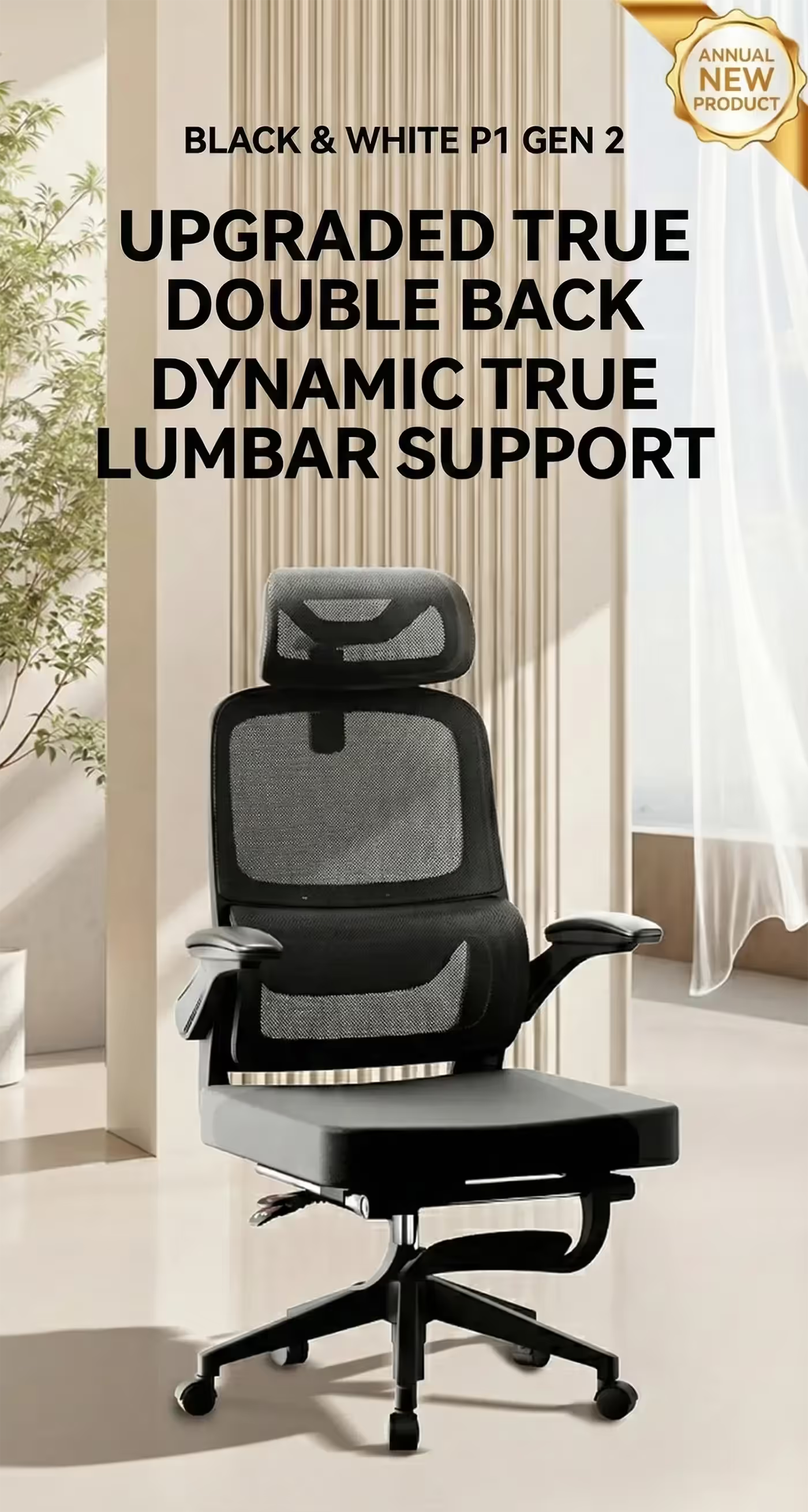
HBADA P1 PRO Office Chair With 145-Degree Recline
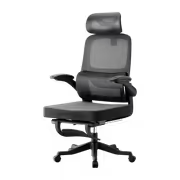
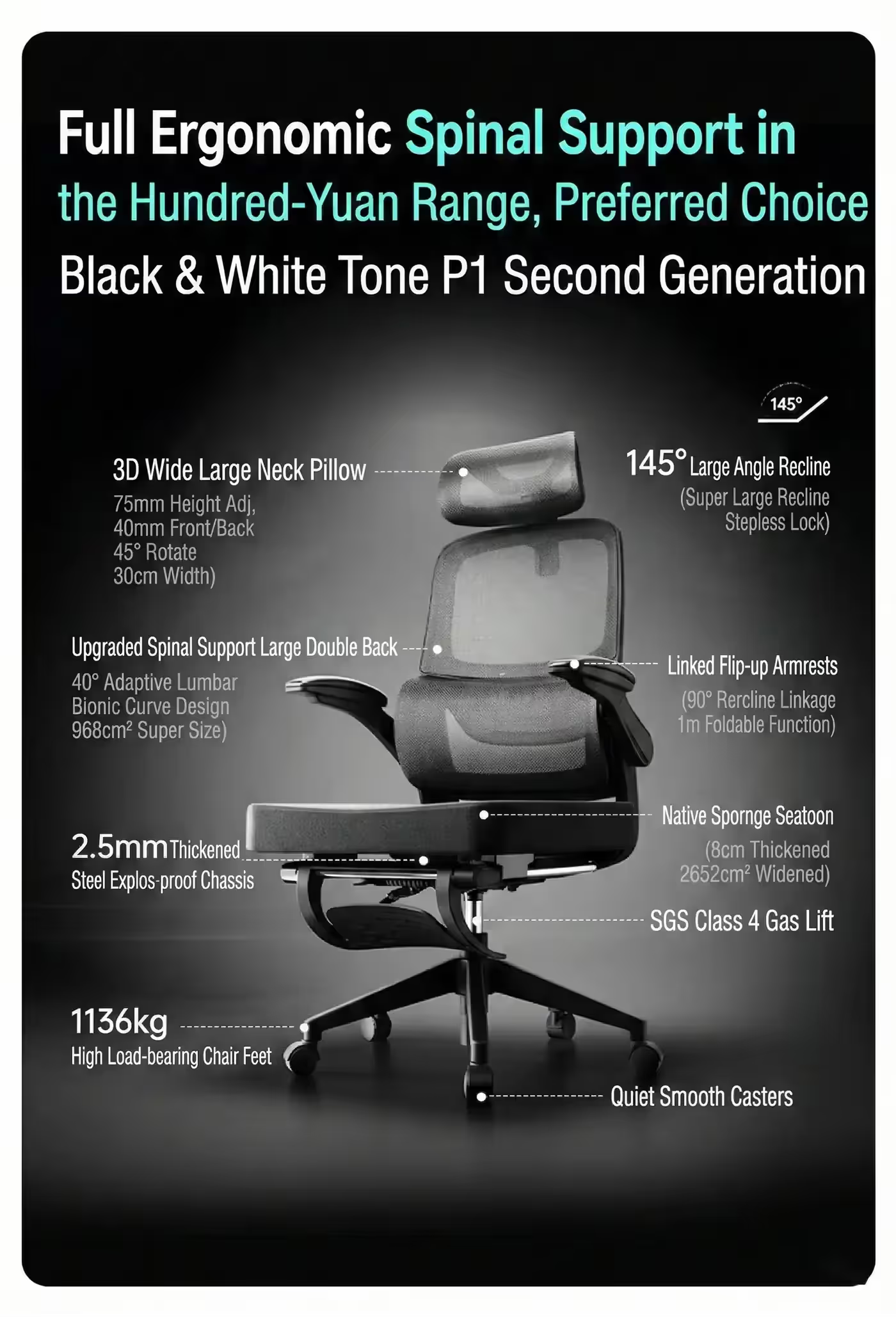
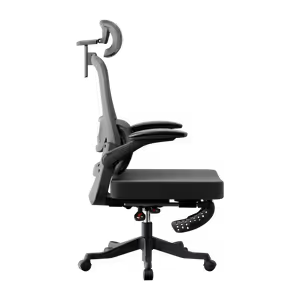
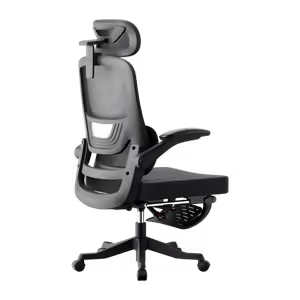
The HBADA P1 PRO is an office chair recliner built around a 145-degree stepless recline, an SGS Class 4 gas lift and a 250kg weight capacity. The backrest is a large double-back panel covering 968 square centimetres, the seat is 8cm of native sponge across a 2652 square centimetre area, and the neck pillow adjusts on three separate axes.
HBADA P1 PRO Office Chair With 145-Degree Recline
The HBADA P1 PRO is an office chair recliner built around a 145-degree stepless recline, an SGS Class 4 gas lift and a 250kg weight capacity. The backrest is a large double-back panel covering 968 square centimetres, the seat is 8cm of native sponge across a 2652 square centimetre area, and the neck pillow adjusts on three separate axes.
145-Degree Recline Opens Almost Flat
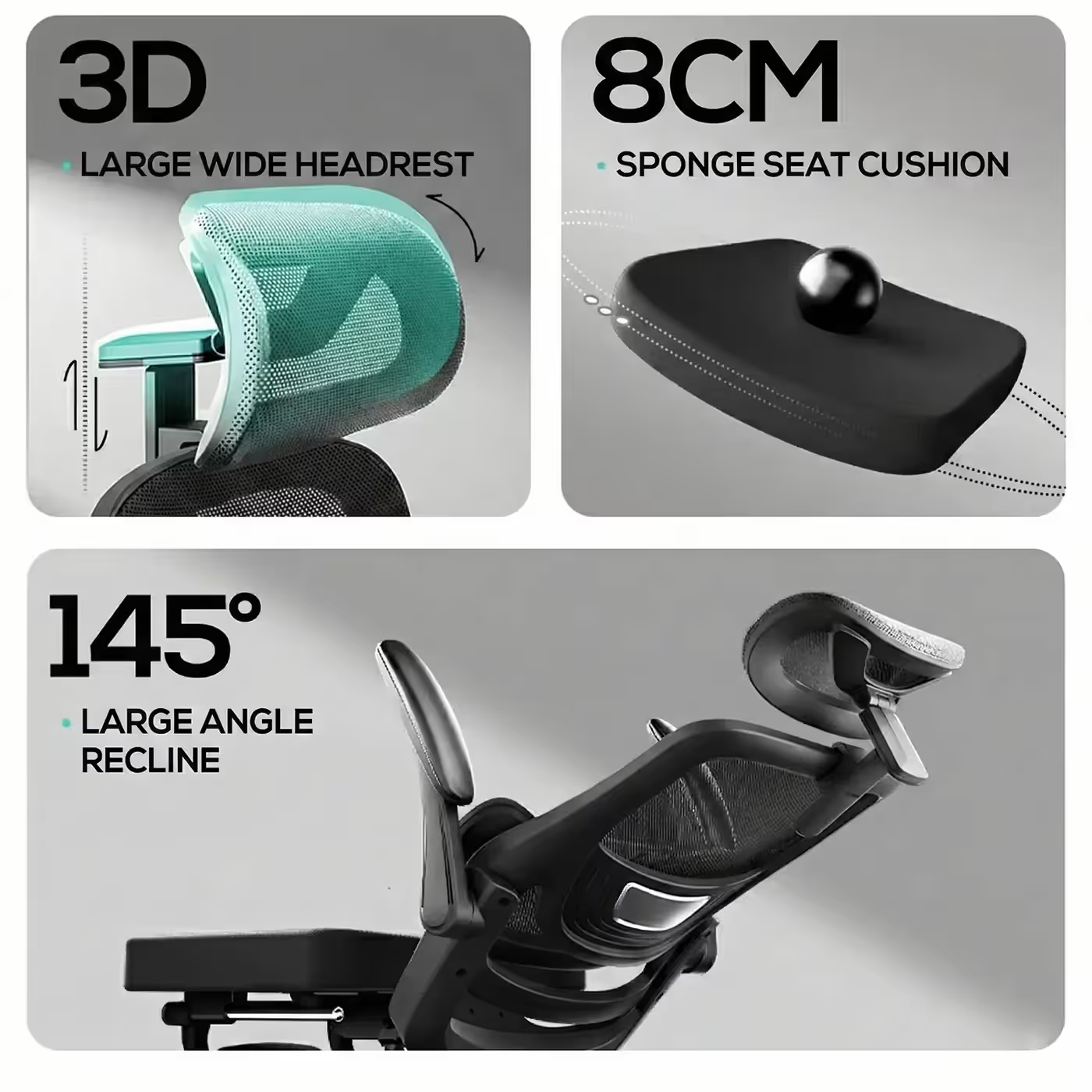
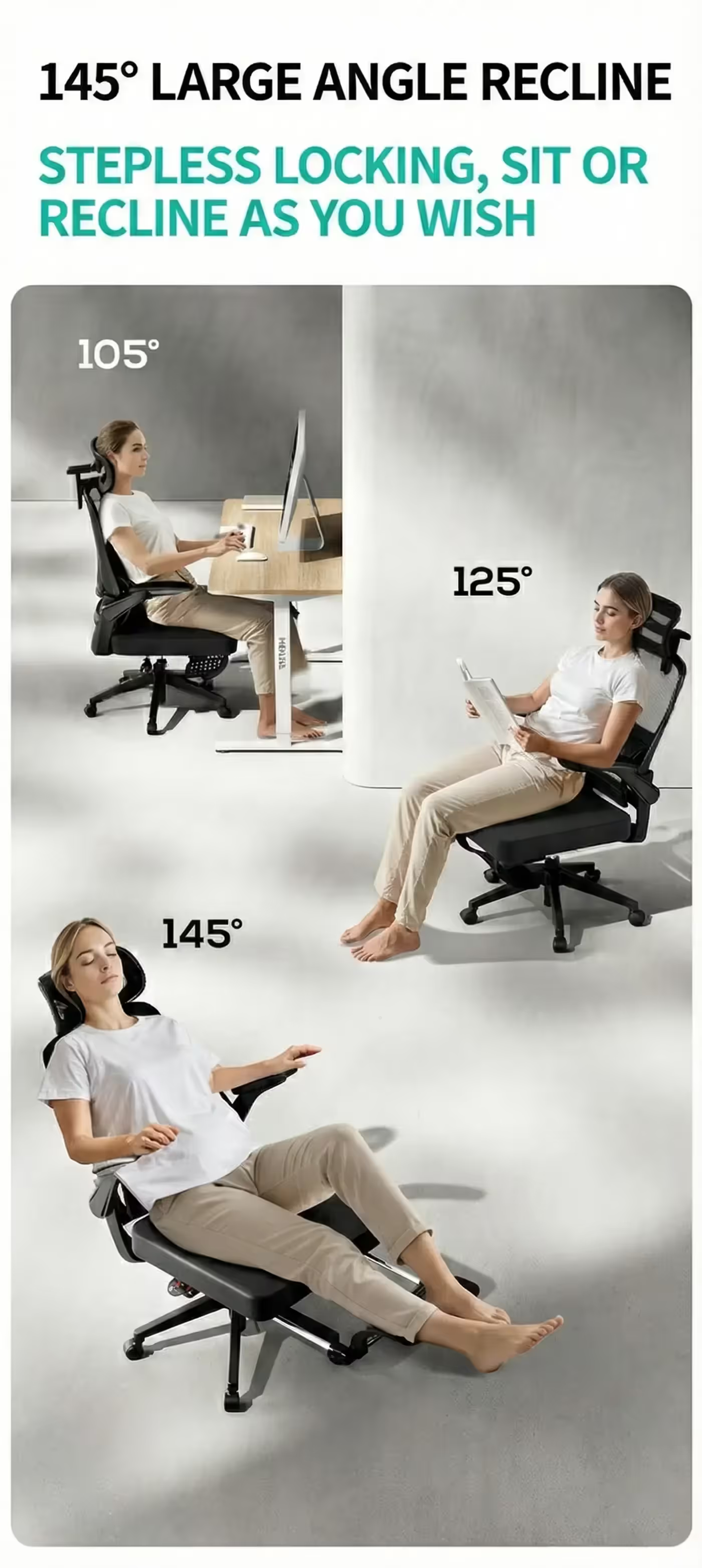
The backrest opens through 145 degrees, wide enough to lie back rather than simply lean. HBADA lists it as a super large recline, and it is the angle that lets the chair serve as somewhere to take a proper break without leaving the desk, then return to an upright working position afterwards.
145-Degree Recline Opens Almost Flat
The backrest opens through 145 degrees, wide enough to lie back rather than simply lean. HBADA lists it as a super large recline, and it is the angle that lets the chair serve as somewhere to take a proper break without leaving the desk, then return to an upright working position afterwards.
Stepless Lock Holds Any Angle You Choose
The recline uses a stepless lock rather than a set of fixed notches, so the backrest holds wherever you stop it instead of snapping to the nearest preset. A notched mechanism forces a compromise whenever your preferred angle falls between two steps, and a stepless lock removes that decision entirely.
Stepless Lock Holds Any Angle You Choose
The recline uses a stepless lock rather than a set of fixed notches, so the backrest holds wherever you stop it instead of snapping to the nearest preset. A notched mechanism forces a compromise whenever your preferred angle falls between two steps, and a stepless lock removes that decision entirely.
3D Neck Pillow Measures 30cm Across
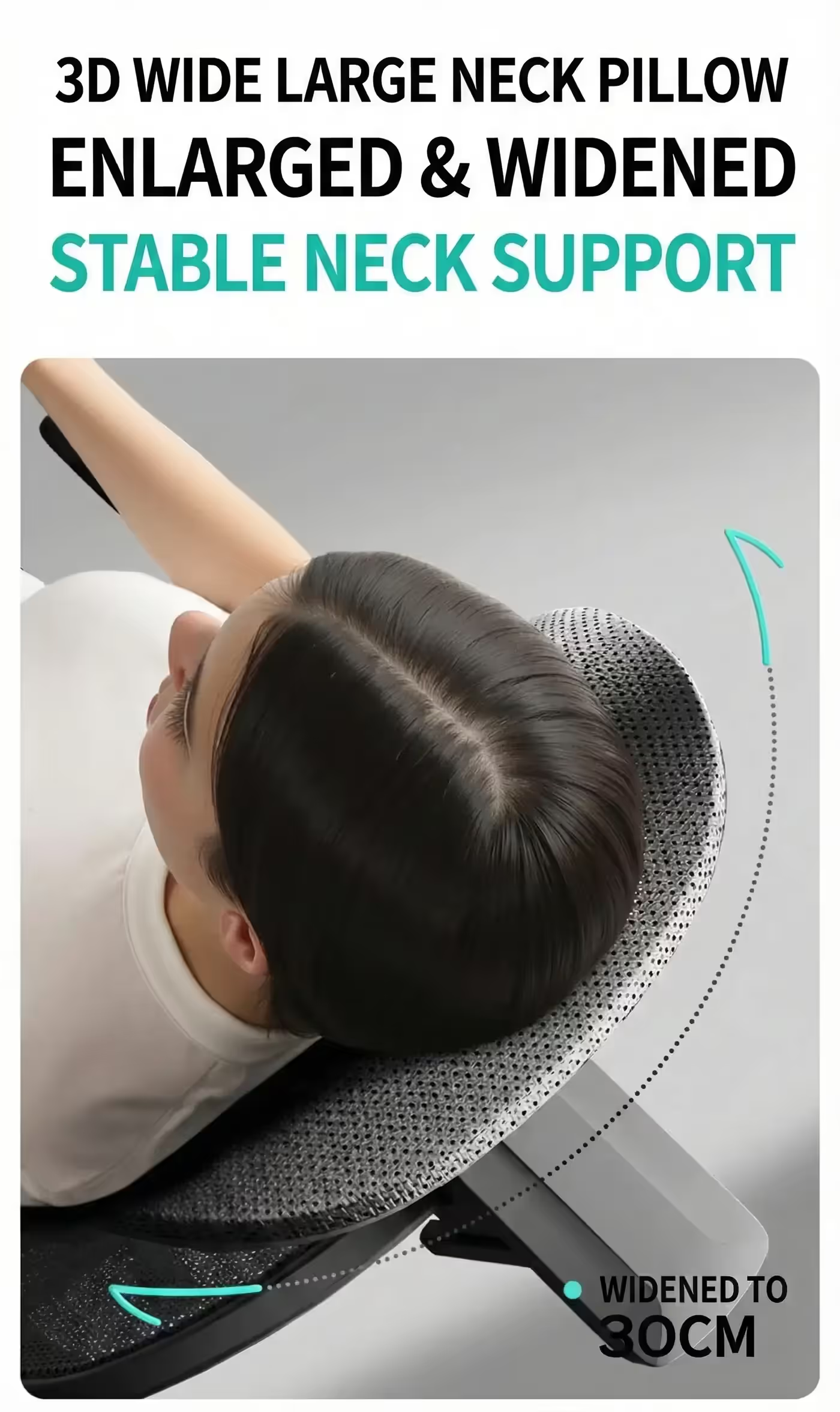
The neck pillow is 30 centimetres wide, broad enough to meet the back of the head and the sides of the neck rather than a single narrow contact point. HBADA calls it a 3D wide large neck pillow because it moves on three separate axes as well as being oversized compared with a standard headrest pad.
3D Neck Pillow Measures 30cm Across
The neck pillow is 30 centimetres wide, broad enough to meet the back of the head and the sides of the neck rather than a single narrow contact point. HBADA calls it a 3D wide large neck pillow because it moves on three separate axes as well as being oversized compared with a standard headrest pad.
Neck Pillow Adjusts 75mm In Height
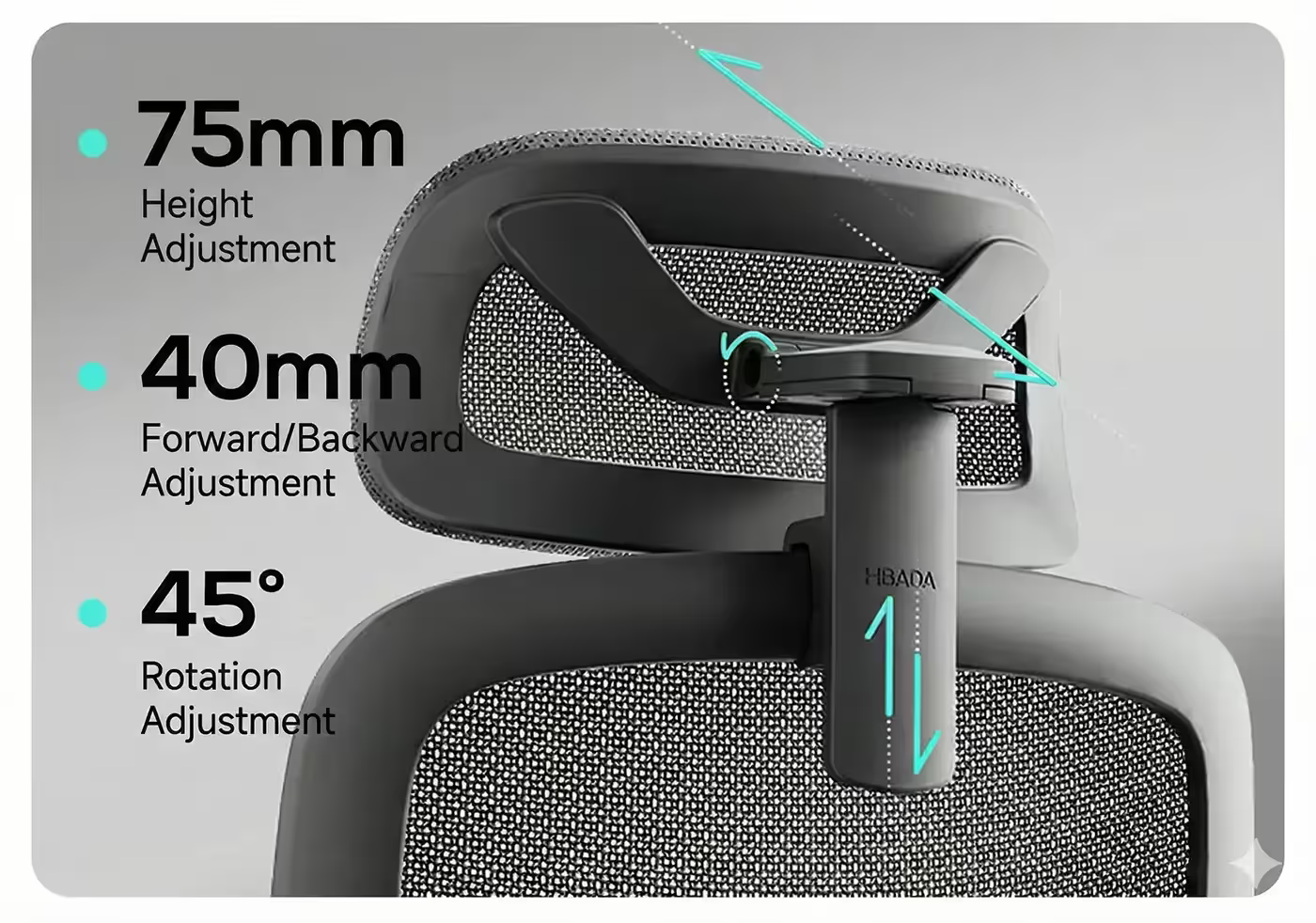
The neck pillow travels 75 millimetres vertically, so it can be raised for a taller sitter or dropped for a shorter one. Height is the axis deciding whether the pillow lands behind the head or behind the shoulders, and 75mm of travel covers a wide spread of sitting heights on the same chair.
Neck Pillow Adjusts 75mm In Height
The neck pillow travels 75 millimetres vertically, so it can be raised for a taller sitter or dropped for a shorter one. Height is the axis deciding whether the pillow lands behind the head or behind the shoulders, and 75mm of travel covers a wide spread of sitting heights on the same chair.
Neck Pillow Slides 40mm Front To Back
Separate from its height, the pillow slides 40 millimetres forward and back. Forward suits sitting upright at the desk, where the head sits ahead of the backrest line, and back suits the reclined position, where the head falls further behind it. Adjusting depth means you do not have to change the recline angle to reach the pillow.
Neck Pillow Slides 40mm Front To Back
Separate from its height, the pillow slides 40 millimetres forward and back. Forward suits sitting upright at the desk, where the head sits ahead of the backrest line, and back suits the reclined position, where the head falls further behind it. Adjusting depth means you do not have to change the recline angle to reach the pillow.
Neck Pillow Rotates Through 45 Degrees
The third axis is rotation: the pillow turns through 45 degrees, setting the face of the pad to match the angle of your neck. Combined with the 75mm height travel and 40mm depth slide, that gives three independent settings on a component most chairs bolt down in one fixed position.
Neck Pillow Rotates Through 45 Degrees
The third axis is rotation: the pillow turns through 45 degrees, setting the face of the pad to match the angle of your neck. Combined with the 75mm height travel and 40mm depth slide, that gives three independent settings on a component most chairs bolt down in one fixed position.
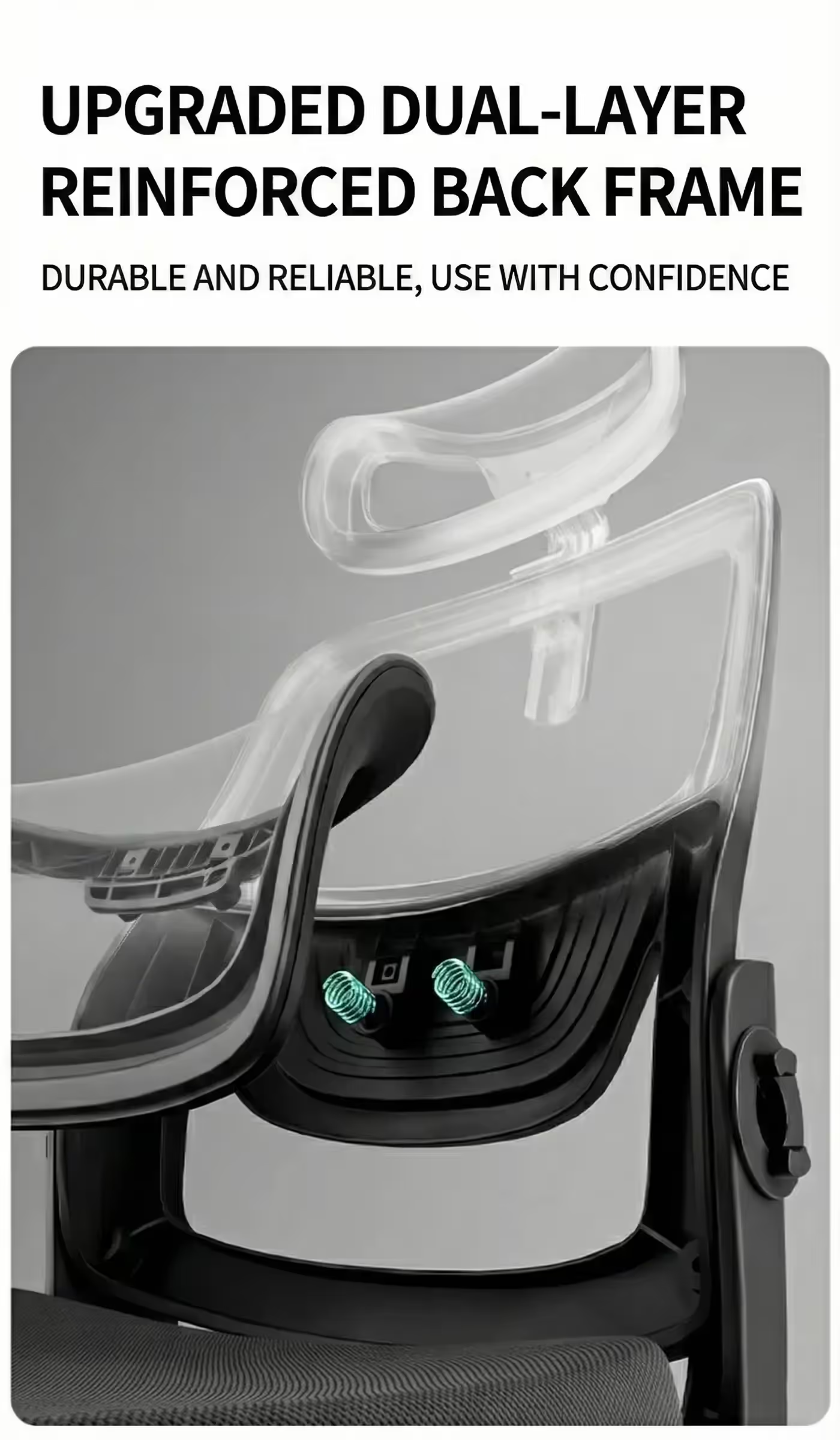
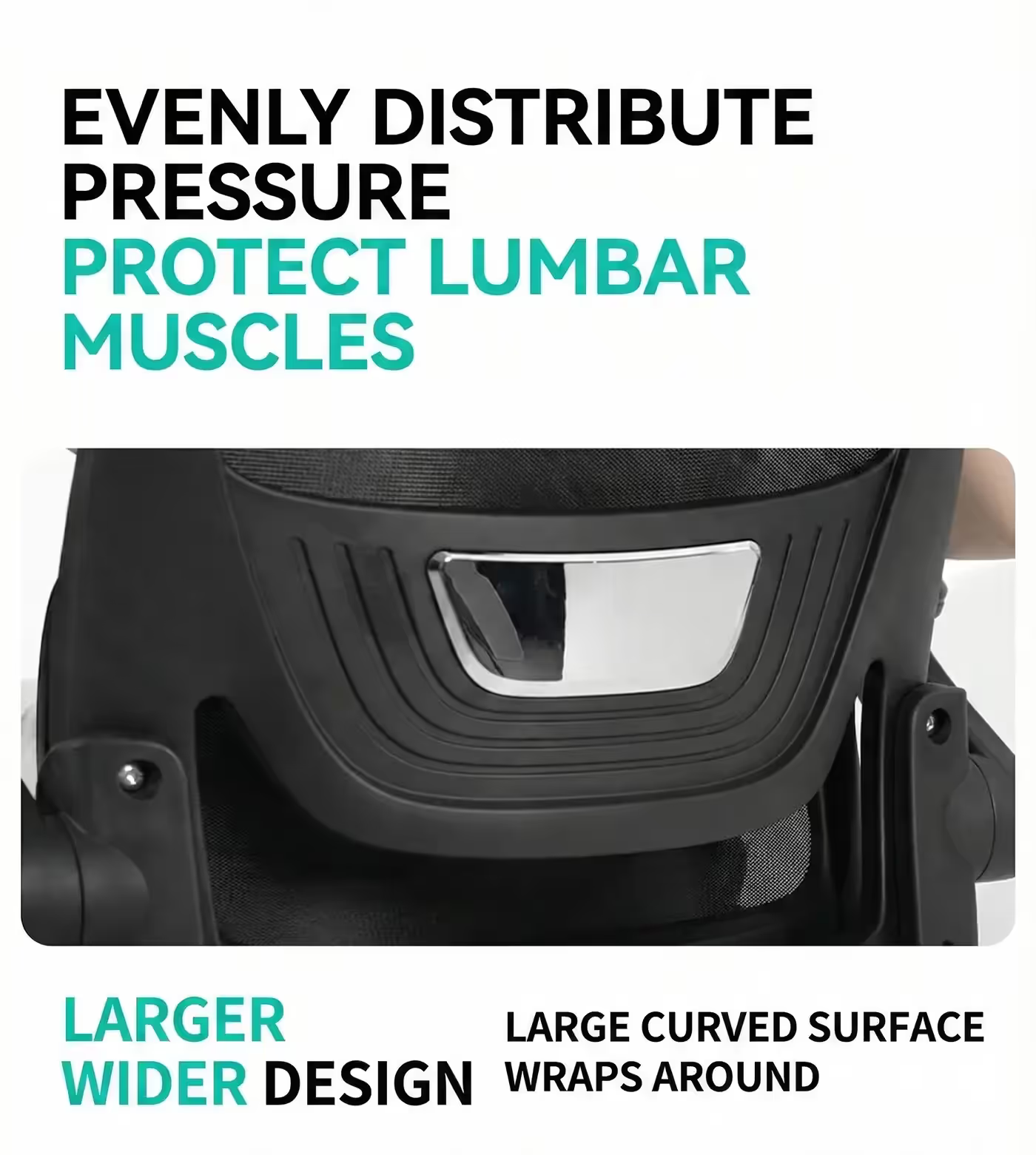
968 Square Centimetre Double Back Panel
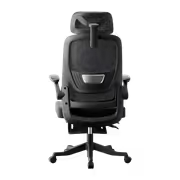
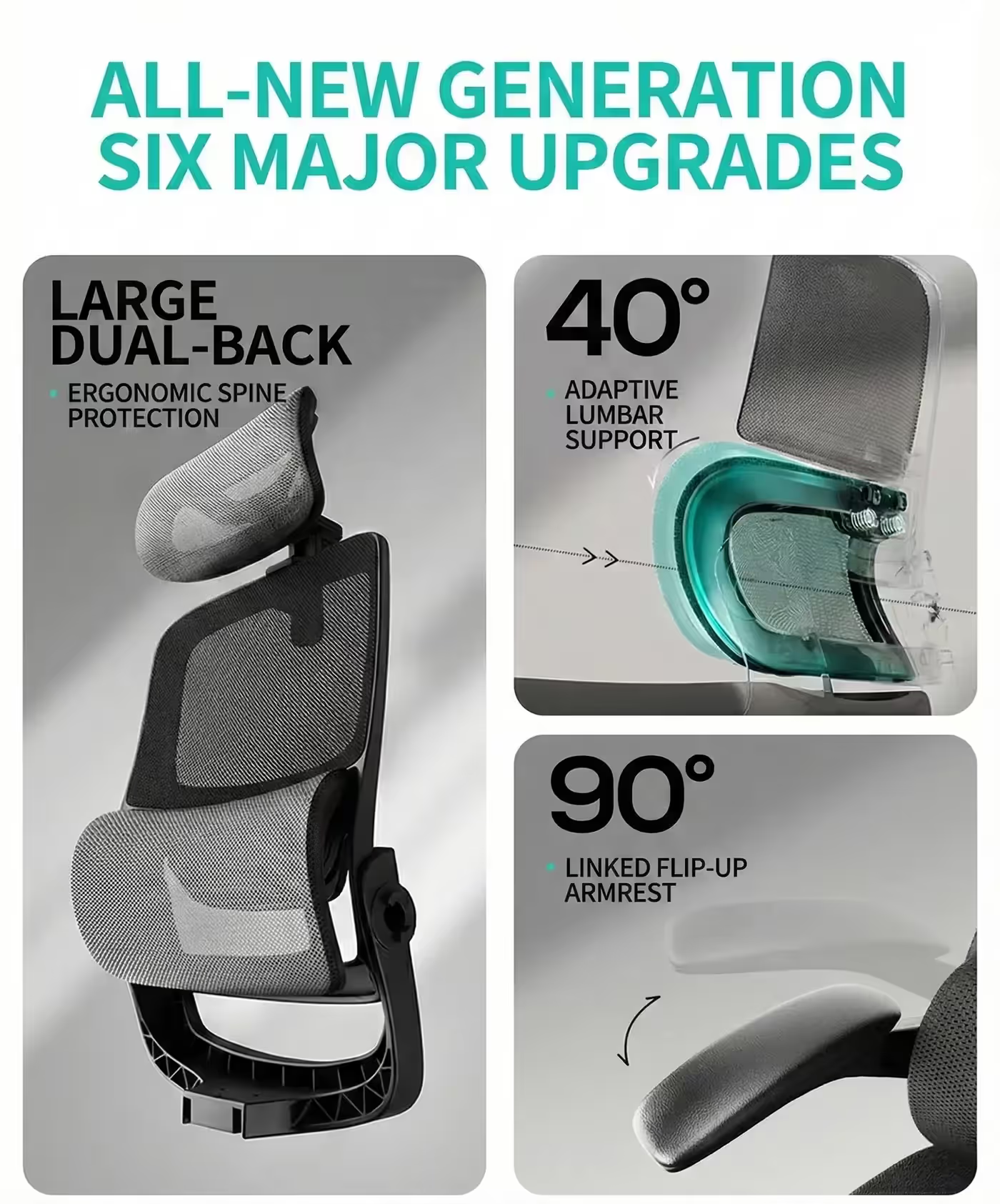
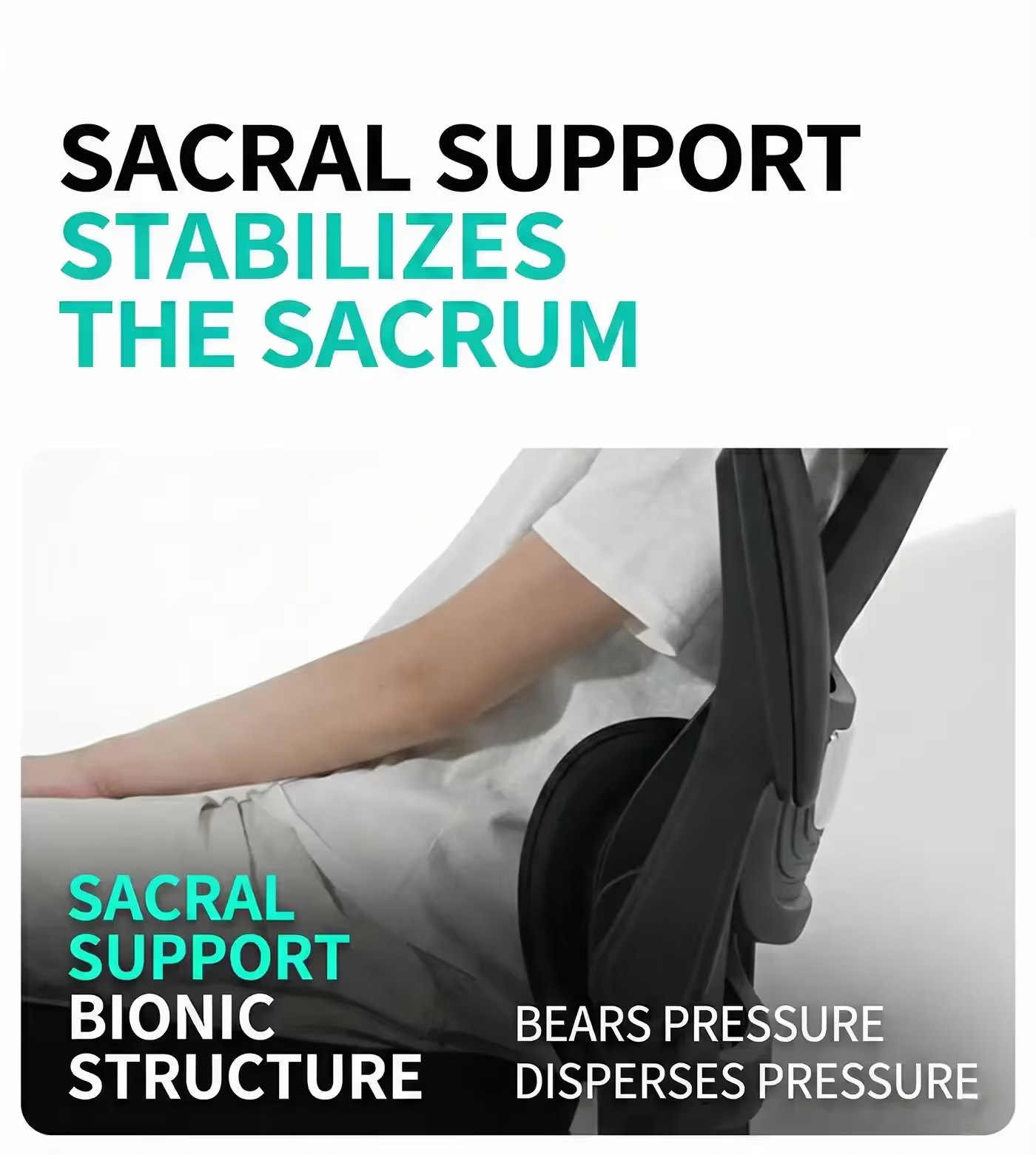
The upgraded spinal support uses a large double-back panel with a 968 square centimetre surface. Splitting the back into two linked sections lets the upper and lower halves meet the body at different angles, and the oversized area spreads contact across a wider part of the back than a narrow racing-style shell.
968 Square Centimetre Double Back Panel
The upgraded spinal support uses a large double-back panel with a 968 square centimetre surface. Splitting the back into two linked sections lets the upper and lower halves meet the body at different angles, and the oversized area spreads contact across a wider part of the back than a narrow racing-style shell.
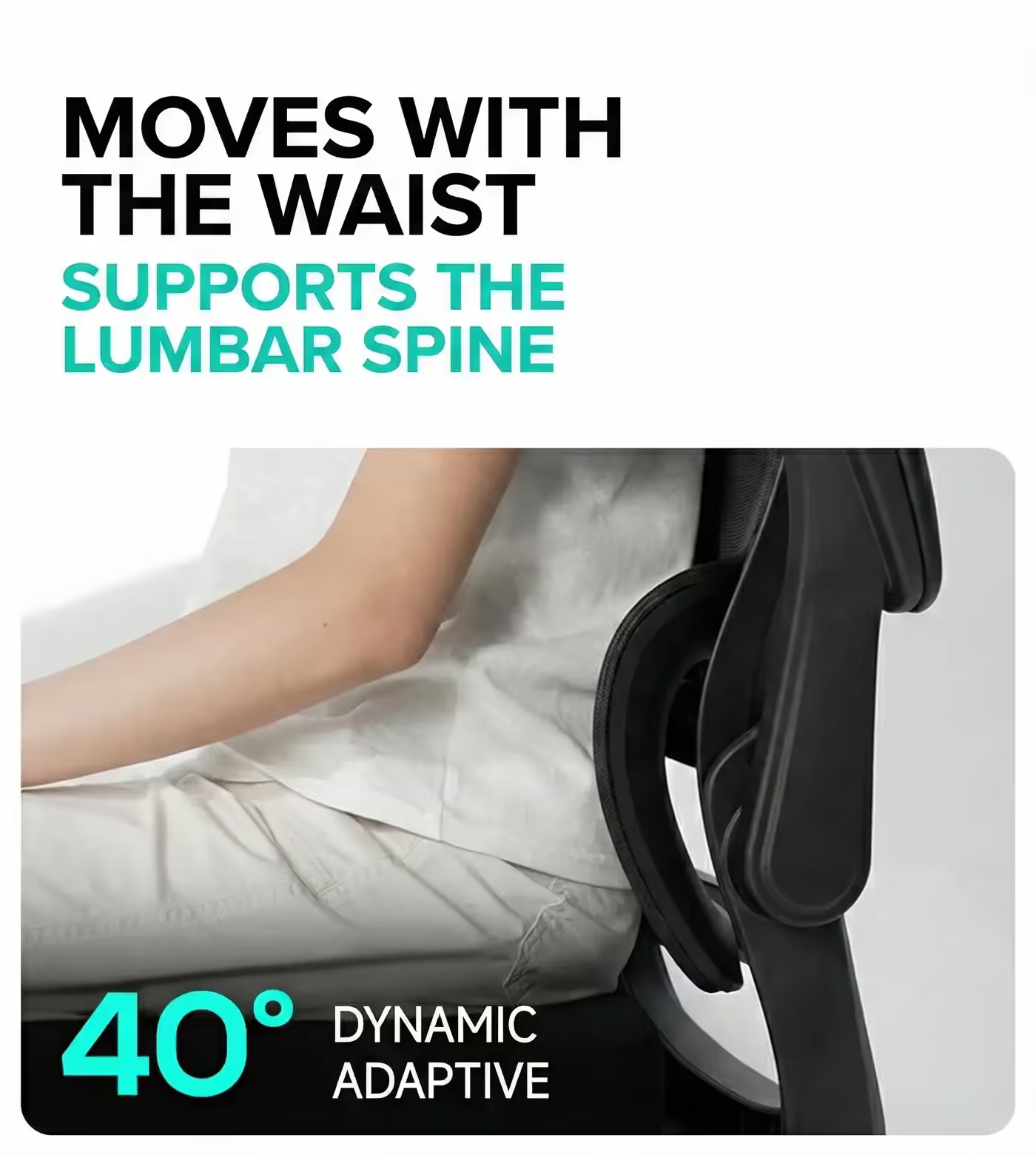
Adaptive Lumbar Moves Through 40 Degrees
The lumbar section is adaptive through 40 degrees, so the lower panel pivots as you change position rather than staying fixed to the frame. It follows the movement between an upright working angle and the full 145-degree recline, keeping the lower panel in contact through the swing instead of opening a gap behind you.
Adaptive Lumbar Moves Through 40 Degrees
The lumbar section is adaptive through 40 degrees, so the lower panel pivots as you change position rather than staying fixed to the frame. It follows the movement between an upright working angle and the full 145-degree recline, keeping the lower panel in contact through the swing instead of opening a gap behind you.
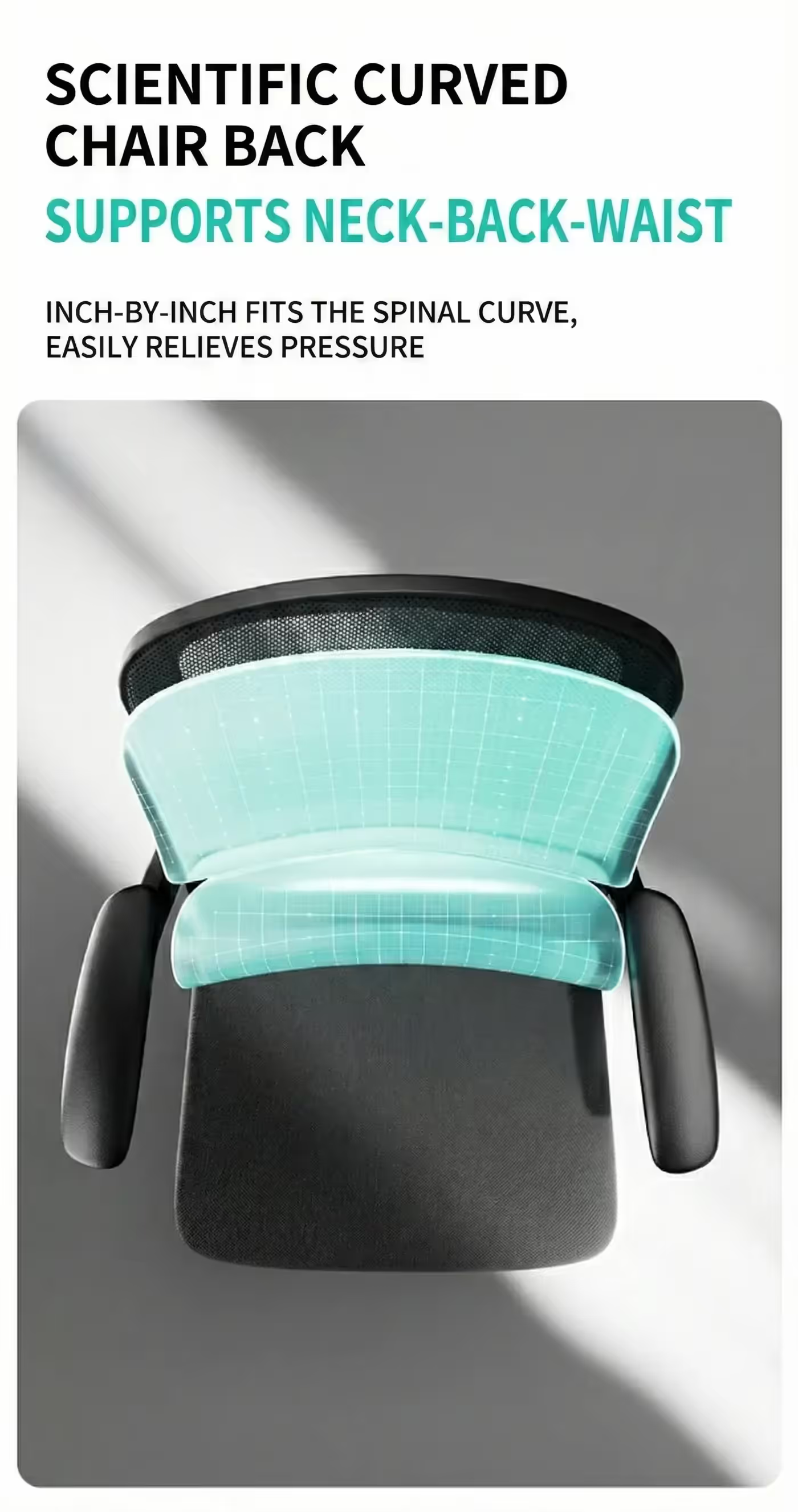
Bionic Curve Design Shapes The Backrest
HBADA describes the back profile as a bionic curve design, meaning the panel is shaped to the curve of a seated back rather than built flat. That curve determines where the panel makes contact, and it works with the double-back split to place pressure across the panel rather than concentrating it at the edges.
Bionic Curve Design Shapes The Backrest
HBADA describes the back profile as a bionic curve design, meaning the panel is shaped to the curve of a seated back rather than built flat. That curve determines where the panel makes contact, and it works with the double-back split to place pressure across the panel rather than concentrating it at the edges.
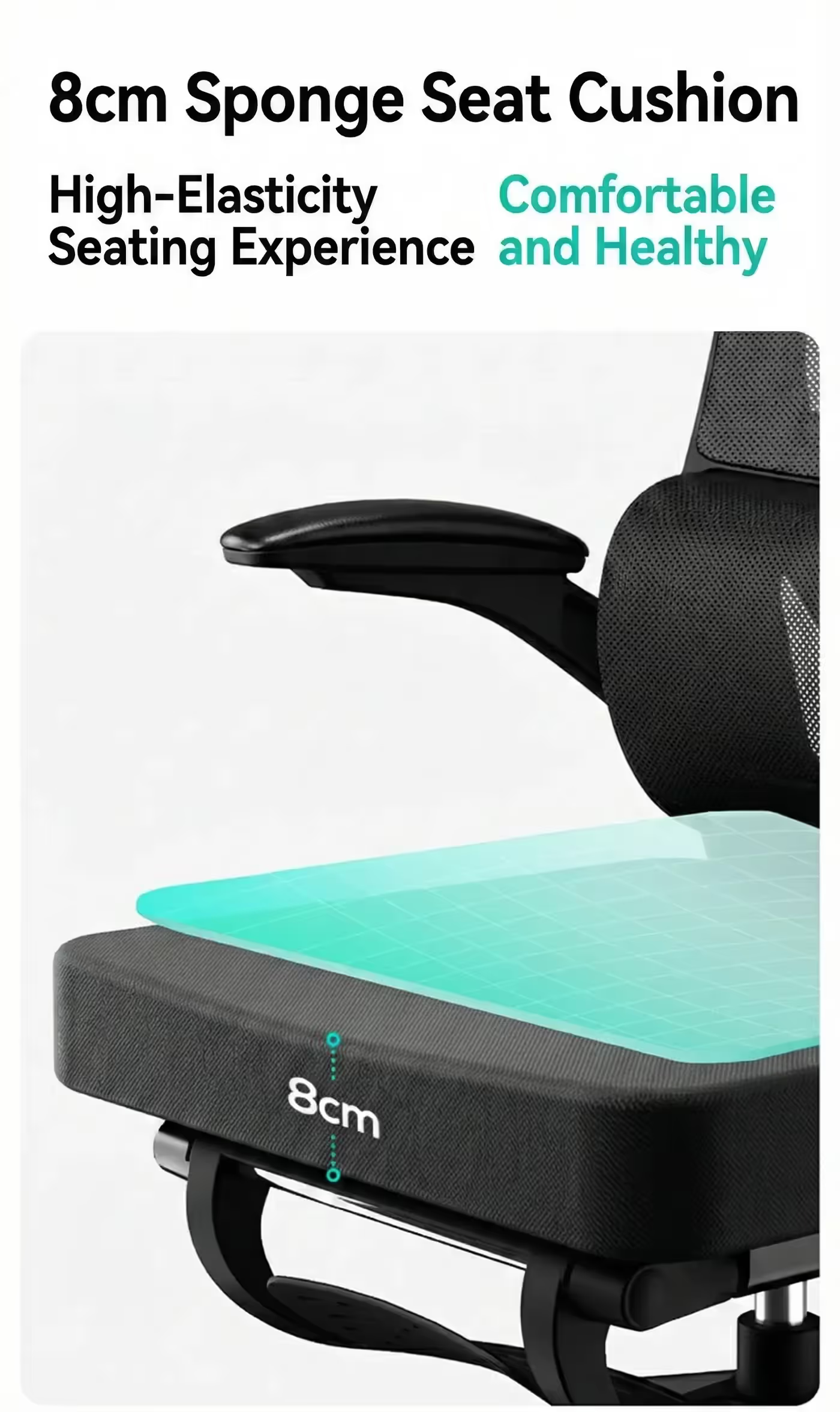
8cm Native Sponge Seat Cushion
The seat cushion is 8 centimetres of native sponge, which sits at the deeper end for an office chair. Depth is what stops a cushion bottoming out onto the seat plate during a long sitting, and the figure is measured uncompressed, so it describes the pad before any weight goes onto it.
8cm Native Sponge Seat Cushion
The seat cushion is 8 centimetres of native sponge, which sits at the deeper end for an office chair. Depth is what stops a cushion bottoming out onto the seat plate during a long sitting, and the figure is measured uncompressed, so it describes the pad before any weight goes onto it.
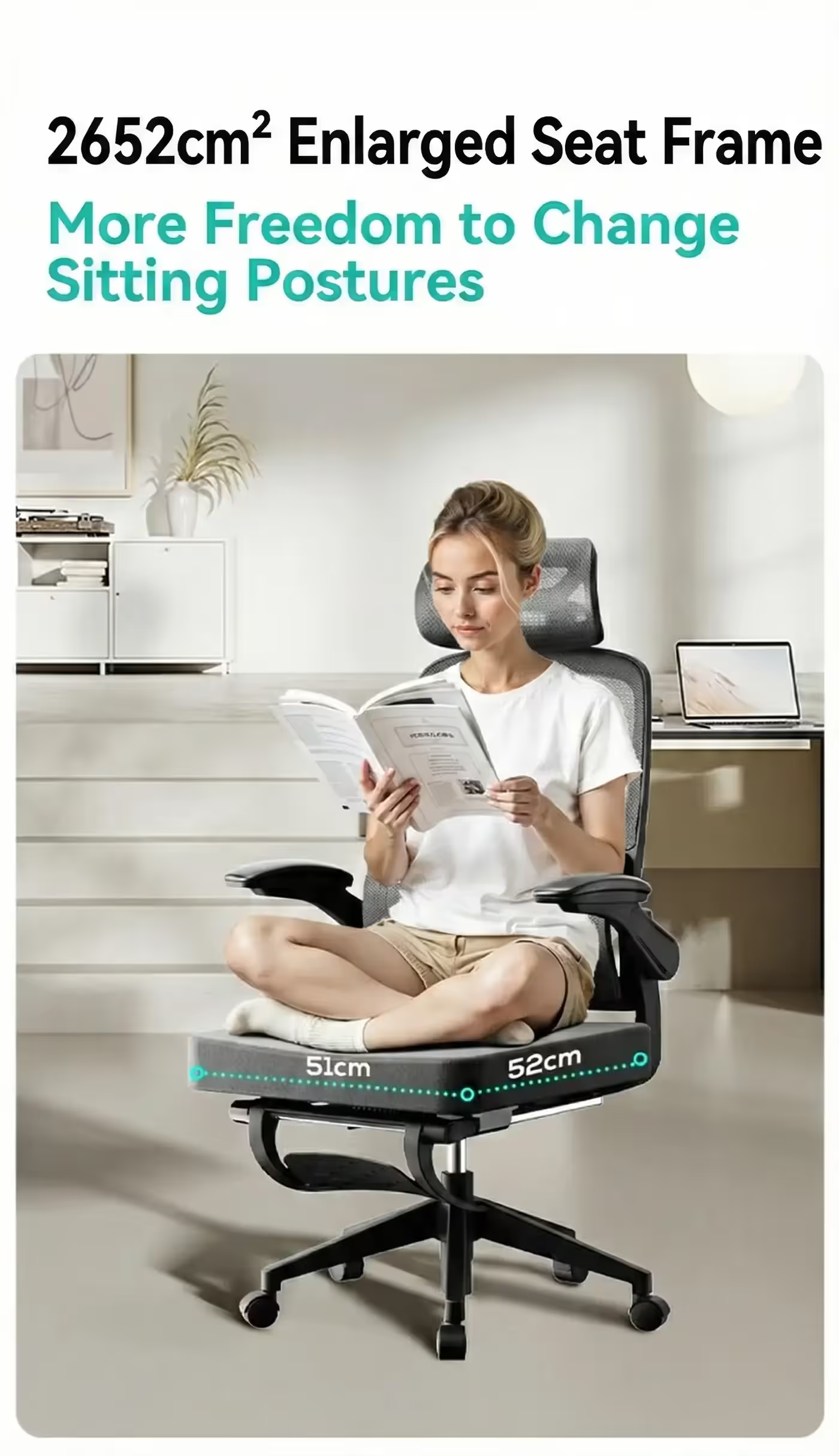
2652 Square Centimetre Widened Seat Area
The seat is widened to 2652 square centimetres of surface. The extra width matters most in the reclined position, where you shift sideways rather than sitting square, and it leaves room to change position or sit cross-legged without running out of cushion at the edges.
2652 Square Centimetre Widened Seat Area
The seat is widened to 2652 square centimetres of surface. The extra width matters most in the reclined position, where you shift sideways rather than sitting square, and it leaves room to change position or sit cross-legged without running out of cushion at the edges.
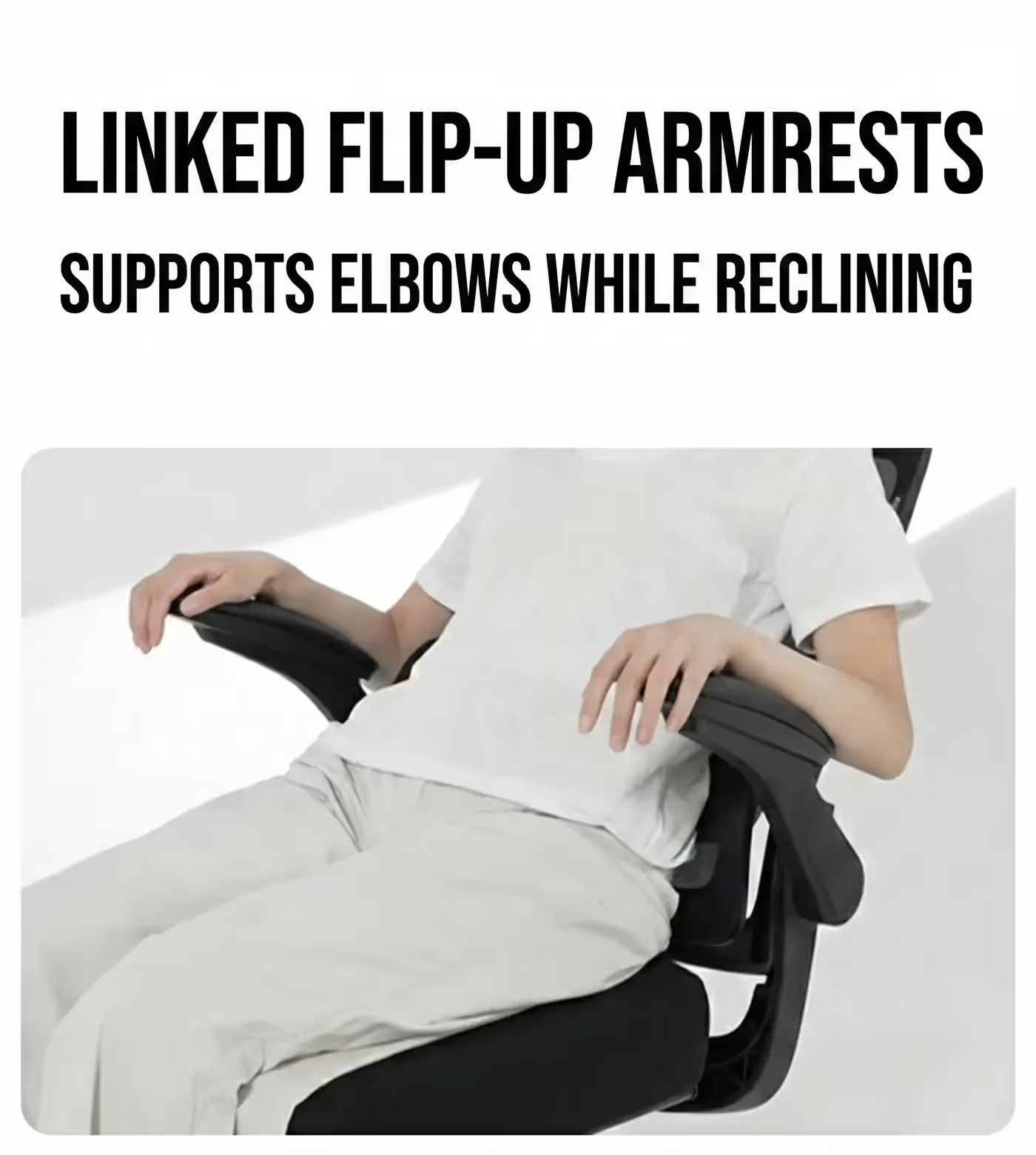
Flip-Up Armrests Linked To The Recline
The armrests connect to the backrest through a 90-degree recline linkage, so they travel with the seat back rather than staying level while you lean away from them. That keeps your forearms supported through the recline instead of leaving them hanging once the backrest passes the upright position.
Flip-Up Armrests Linked To The Recline
The armrests connect to the backrest through a 90-degree recline linkage, so they travel with the seat back rather than staying level while you lean away from them. That keeps your forearms supported through the recline instead of leaving them hanging once the backrest passes the upright position.
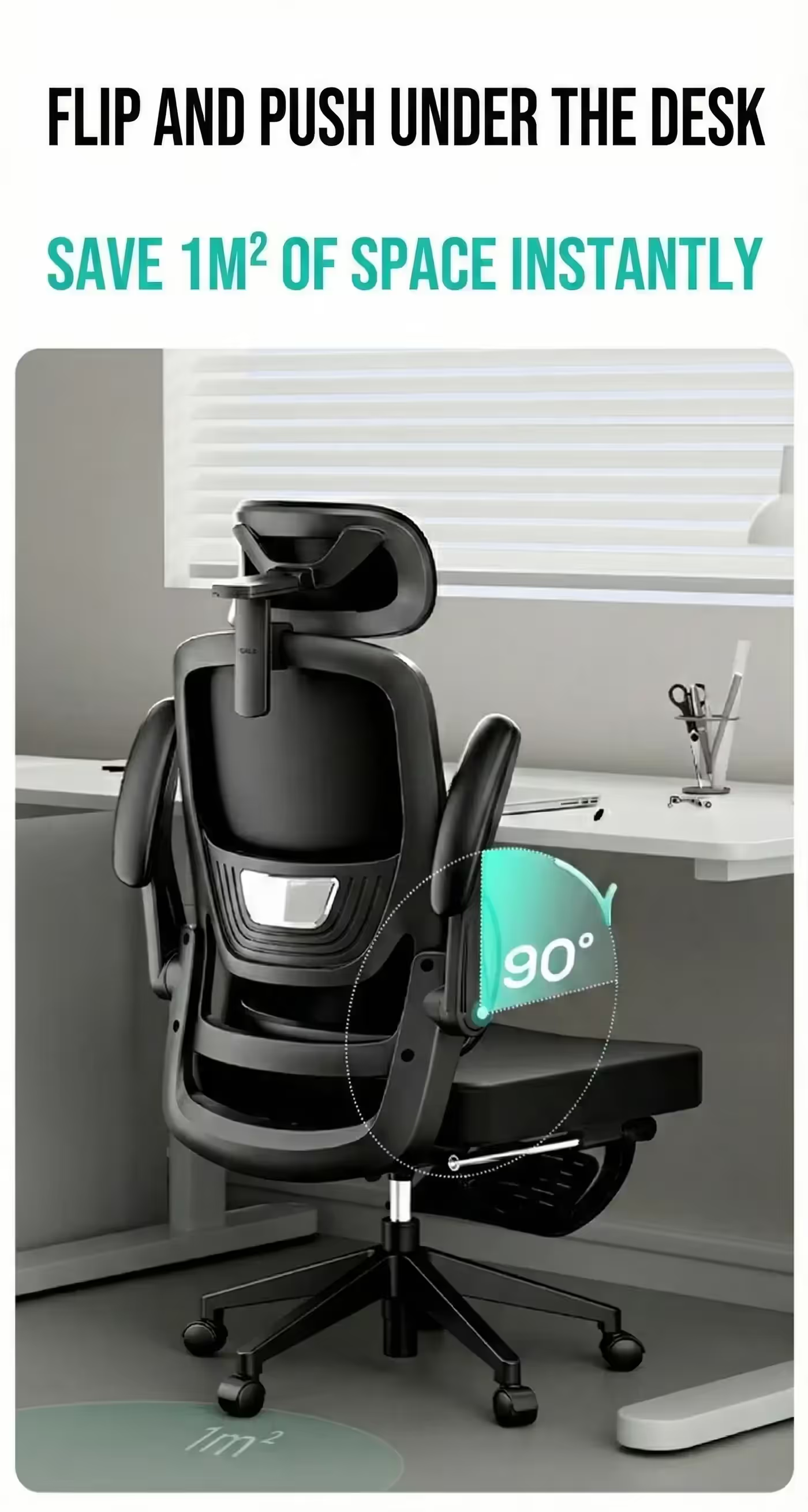
Armrests Fold Away When Not Needed
Each armrest also flips up out of the way. Folding them clears the sides of the seat, which is what lets the chair pull further under a desk or sit flush beside another chair, and it removes the obstruction if you prefer getting in and out from the side rather than the front.
Armrests Fold Away When Not Needed
Each armrest also flips up out of the way. Folding them clears the sides of the seat, which is what lets the chair pull further under a desk or sit flush beside another chair, and it removes the obstruction if you prefer getting in and out from the side rather than the front.
SGS Class 4 Gas Lift For Height Changes
Height adjustment runs on an SGS Class 4 gas lift. The cylinder carries the full seated load on every adjustment, and its class is quoted separately from the rest of the specification because it is the part doing the work each time the seat moves up or down.
SGS Class 4 Gas Lift For Height Changes
Height adjustment runs on an SGS Class 4 gas lift. The cylinder carries the full seated load on every adjustment, and its class is quoted separately from the rest of the specification because it is the part doing the work each time the seat moves up or down.
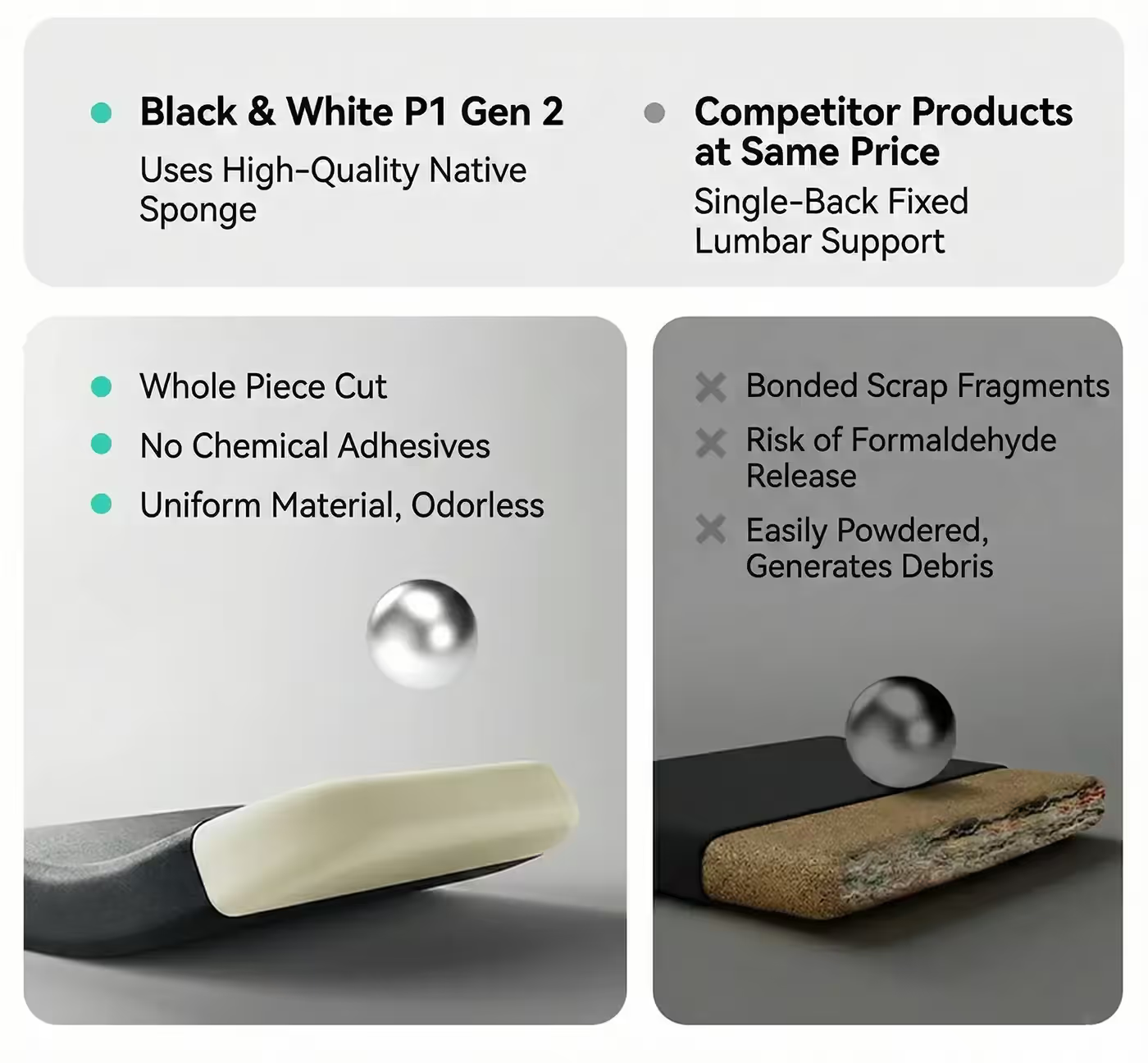
2.5mm Steel Explosion-Proof Chassis
The chassis is steel at 2.5 millimetres thick and is listed as explosion-proof, the industry term for a plate built to contain a gas cylinder failure. It joins the seat, the recline mechanism and the gas lift, so its thickness sets how much twisting load the assembly can take over time.
2.5mm Steel Explosion-Proof Chassis
The chassis is steel at 2.5 millimetres thick and is listed as explosion-proof, the industry term for a plate built to contain a gas cylinder failure. It joins the seat, the recline mechanism and the gas lift, so its thickness sets how much twisting load the assembly can take over time.
Chair Base Load Bearing Of 1136kg
The base is specified with a 1136 kilogram load-bearing figure on high load-bearing chair feet. That is a component test figure rather than a seating recommendation, since the stated user capacity for the chair is 250kg, but it shows the base is not the limiting part of the assembly.
Chair Base Load Bearing Of 1136kg
The base is specified with a 1136 kilogram load-bearing figure on high load-bearing chair feet. That is a component test figure rather than a seating recommendation, since the stated user capacity for the chair is 250kg, but it shows the base is not the limiting part of the assembly.
Quiet Smooth Casters For Shared Rooms
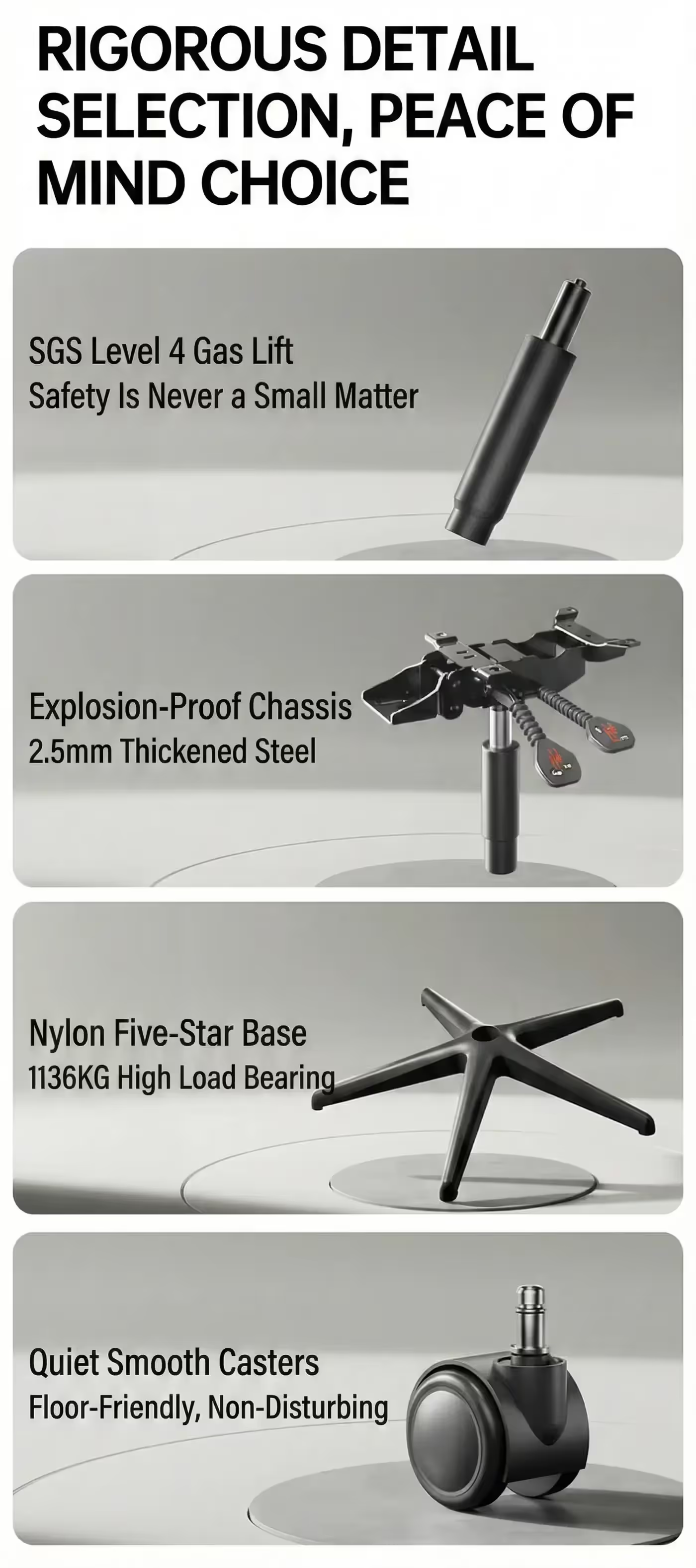
The chair rolls on quiet smooth casters, specified for noise as much as movement. That matters in a home office beside a bedroom or during a call, where hard rattling wheels are audible on every small position change across a wooden or tiled floor.
Quiet Smooth Casters For Shared Rooms
The chair rolls on quiet smooth casters, specified for noise as much as movement. That matters in a home office beside a bedroom or during a call, where hard rattling wheels are audible on every small position change across a wooden or tiled floor.
250kg Weight Capacity For Larger Users
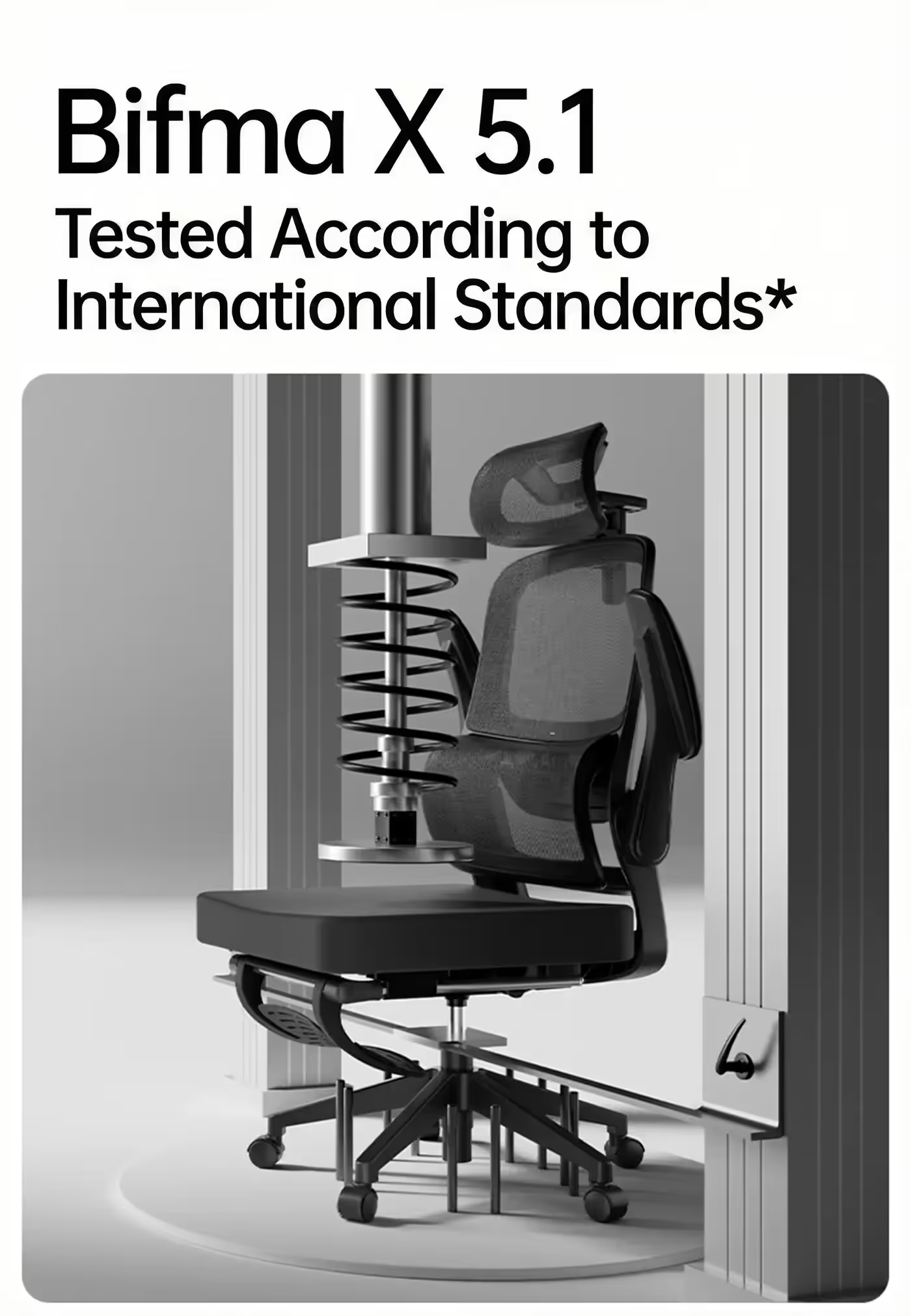
The P1 PRO is specified to support up to 250 kilograms. Taken together with the widened seat, the deep sponge cushion and the wide recline, that points the chair at long desk sessions and at users who want a larger seat with more capacity than a compact task chair provides.
250kg Weight Capacity For Larger Users
The P1 PRO is specified to support up to 250 kilograms. Taken together with the widened seat, the deep sponge cushion and the wide recline, that points the chair at long desk sessions and at users who want a larger seat with more capacity than a compact task chair provides.
FAQ
Frequently Asked Questions
Everything you need to know about this product
The backrest reclines through 145 degrees and holds position with a stepless lock rather than fixed notches.
The chair is specified to support up to 250 kilograms.
The seat cushion is 8 centimetres of native sponge across a widened 2652 square centimetre seat area.
Yes, it adjusts 75mm in height, slides 40mm front to back and rotates through 45 degrees.
The 3D wide neck pillow measures 30 centimetres across.
It uses an SGS Class 4 gas lift to handle height adjustment.
Yes, a 90-degree recline linkage carries the armrests with the backrest, and they also flip up out of the way.
The upgraded double-back panel has a 968 square centimetre surface with a bionic curve profile.
The chassis is 2.5mm steel and is listed as an explosion-proof design.
The base carries a stated load-bearing figure of 1136 kilograms on high load-bearing feet.
The chair uses quiet smooth casters, specified for low noise as well as easy movement.
The adaptive lumbar section moves through 40 degrees, so it follows the backrest between upright and reclined positions.

AI-Generated Content: These FAQs are generated by an automated AI system and may contain inaccuracies or omissions. Evetech makes no warranties, express or implied, regarding their completeness or reliability. For definitive information, please refer to the manufacturer's official specifications.
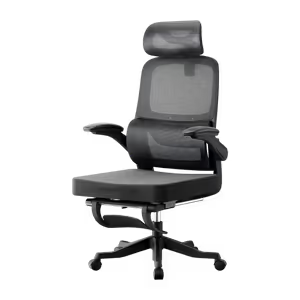
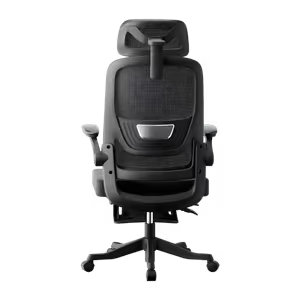
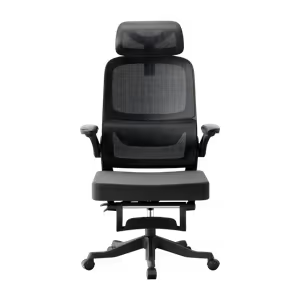
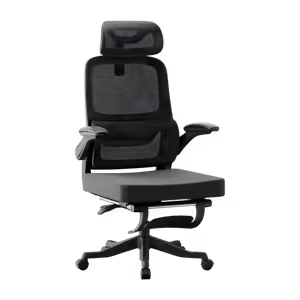
Please Note: Product images are for illustrative purposes only and may differ from the actual product.
Choose your
own PC
Hand-pick every part with live stock, compatibility, and instant pricing.
Try the new builderPrice Inc. Vat
R 2,699
Save R 300
ListR 2,999
2699Change Quantity:
In Stock with Evetech
Choose your
own PC
Hand-pick every part with live stock, compatibility, and instant pricing.
Try the new builderHBADA P1 PRO / Class 4 Gas Lift / 145° Angle Recline / 3D Wi