msi-geforce-rtx-5060-8g-gaming-trio-oc-gddr7
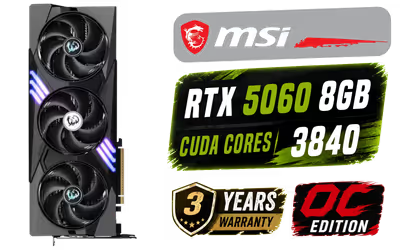
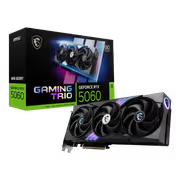
MSI GeForce RTX 5060 8G Gaming Trio OC Graphics Card / 8GB GDDR7 / 3840 Cuda Cores / 128-bit Memory Interface / Boost Clock : 2625 MHz / PCI Express Gen 5 / 912-V537-021 / 912-V537-021 + FREE DELIVERY !
3 Years Local Warranty
Model No : MSI 912-V537-021
Price Inc. Vat
R 9,999
Save R 2,000
ListR 11,999
9999Free Delivery
Qty:
In Stock with Evetech
MSI GeForce RTX 5060 8G Gaming Trio OC — 8GB GDDR7 GPU
MSI GeForce RTX 5060 8G Gaming Trio OC
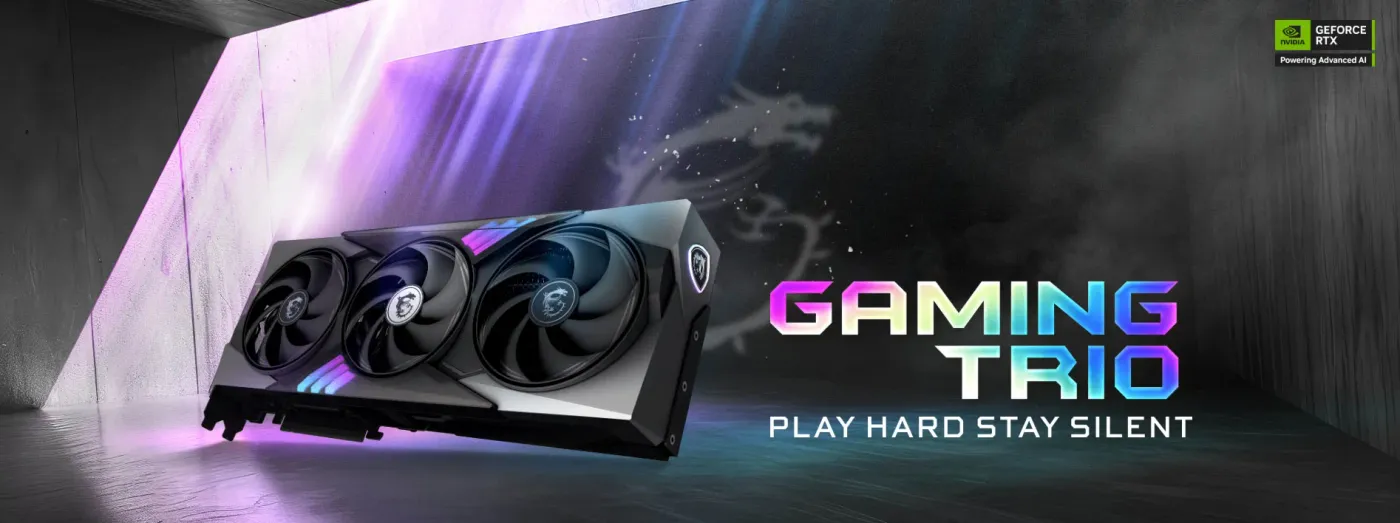
The MSI GeForce RTX 5060 8G Gaming Trio OC pairs 8GB of GDDR7 memory with 3840 CUDA cores and a boost clock of 2625 MHz. A 128-bit memory interface moves data between the card and the system, and the card connects over PCI Express Gen 5 for higher throughput than earlier slot generations. It is part of MSI's Gaming Trio OC series, built to run fast, clear and quiet.
MSI GeForce RTX 5060 8G Gaming Trio OC
The MSI GeForce RTX 5060 8G Gaming Trio OC pairs 8GB of GDDR7 memory with 3840 CUDA cores and a boost clock of 2625 MHz. A 128-bit memory interface moves data between the card and the system, and the card connects over PCI Express Gen 5 for higher throughput than earlier slot generations. It is part of MSI's Gaming Trio OC series, built to run fast, clear and quiet.
Gaming Trio Design And Cooling Solution
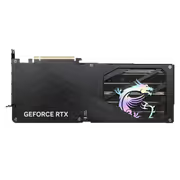
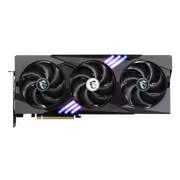
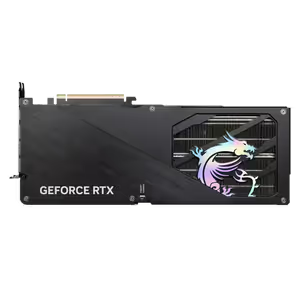
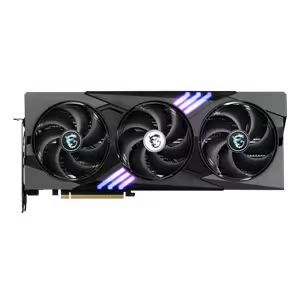
The MSI GAMING TRIO line combines an aggressive exterior design with the cooling hardware needed to hold clocks under sustained load. That pairing is what makes it suitable for gaming performance and content creation on the same machine, where a card has to stay stable across long sessions rather than short benchmark runs.
Gaming Trio Design And Cooling Solution
The MSI GAMING TRIO line combines an aggressive exterior design with the cooling hardware needed to hold clocks under sustained load. That pairing is what makes it suitable for gaming performance and content creation on the same machine, where a card has to stay stable across long sessions rather than short benchmark runs.
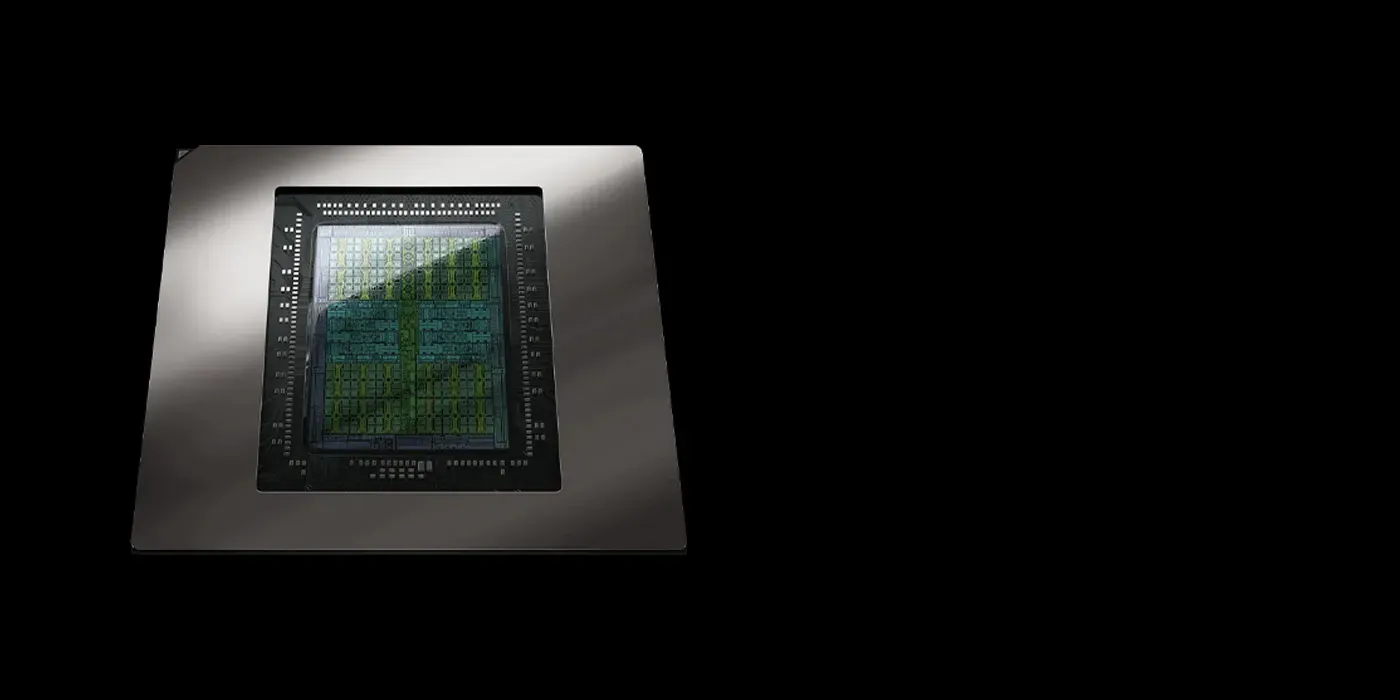
Built On NVIDIA Blackwell Architecture
The RTX 5060 is built on NVIDIA Blackwell architecture with fifth-generation Tensor Cores for AI acceleration. FP4 precision and NVIDIA DLSS 4 work together on that hardware to produce detailed, smooth gaming visuals, which is the practical payoff of the AI blocks on the die.
Built On NVIDIA Blackwell Architecture
The RTX 5060 is built on NVIDIA Blackwell architecture with fifth-generation Tensor Cores for AI acceleration. FP4 precision and NVIDIA DLSS 4 work together on that hardware to produce detailed, smooth gaming visuals, which is the practical payoff of the AI blocks on the die.

Neural Shading And Fourth-Gen Ray Tracing Cores
Advanced streaming multiprocessors handle neural shading techniques for more realistic surfaces, while fourth-generation ray tracing cores render complex scenes using the latest ray tracing and neural rendering. The two work as a pair: the RT cores trace the light, the shaders decide how the surface responds to it.
Neural Shading And Fourth-Gen Ray Tracing Cores
Advanced streaming multiprocessors handle neural shading techniques for more realistic surfaces, while fourth-generation ray tracing cores render complex scenes using the latest ray tracing and neural rendering. The two work as a pair: the RT cores trace the light, the shaders decide how the surface responds to it.

NVIDIA DLSS 4 With Multi Frame Generation
NVIDIA DLSS 4 with Multi Frame Generation raises frame rates by generating additional frames rather than rendering every one from scratch. For a card in this class it is the single largest lever on smoothness in supported titles, particularly at higher resolutions.
NVIDIA DLSS 4 With Multi Frame Generation
NVIDIA DLSS 4 with Multi Frame Generation raises frame rates by generating additional frames rather than rendering every one from scratch. For a card in this class it is the single largest lever on smoothness in supported titles, particularly at higher resolutions.

NVIDIA Reflex 2 Minimises Input Lag
NVIDIA Reflex 2 combined with Frame Warp reduces input lag and improves responsiveness, which is where competitive esports titles are won or lost. Latency reduction is separate from frame rate: it changes how quickly the screen answers the mouse, not how many frames arrive.
NVIDIA Reflex 2 Minimises Input Lag
NVIDIA Reflex 2 combined with Frame Warp reduces input lag and improves responsiveness, which is where competitive esports titles are won or lost. Latency reduction is separate from frame rate: it changes how quickly the screen answers the mouse, not how many frames arrive.

Ray Traced Lighting, Shadows And Reflections
NVIDIA ray tracing and neural rendering produce lifelike lighting, shadows and reflections in supported games. Rather than approximating light with pre-baked effects, the card traces it, which is what makes reflections show the correct scene rather than a screen-space guess.
Ray Traced Lighting, Shadows And Reflections
NVIDIA ray tracing and neural rendering produce lifelike lighting, shadows and reflections in supported games. Rather than approximating light with pre-baked effects, the card traces it, which is what makes reflections show the correct scene rather than a screen-space guess.

NVIDIA ACE Powers AI Digital Humans
NVIDIA ACE AI drives digital humans and assistive systems that can be interacted with directly, adding a usability layer on top of the graphics workload. It runs on the same Blackwell AI hardware that DLSS 4 uses, so no separate accelerator is required.
NVIDIA ACE Powers AI Digital Humans
NVIDIA ACE AI drives digital humans and assistive systems that can be interacted with directly, adding a usability layer on top of the graphics workload. It runs on the same Blackwell AI hardware that DLSS 4 uses, so no separate accelerator is required.

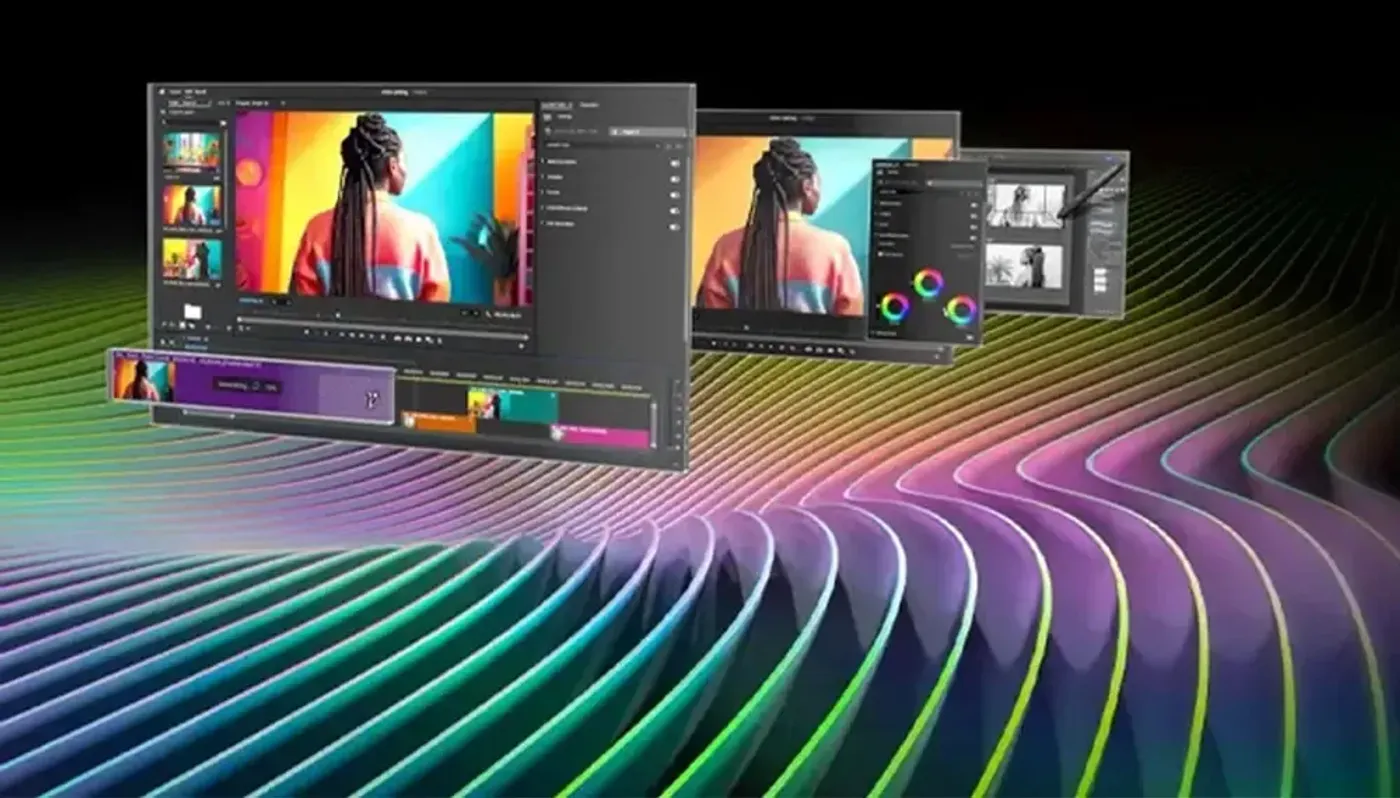
NVIDIA Studio Accelerates Creative Software
The NVIDIA Studio suite accelerates video editing, 3D modelling and design workflows through optimised software and drivers. That matters for anyone using the same machine to game and to work, because the Studio driver stack targets application stability rather than day-one game support.
NVIDIA Studio Accelerates Creative Software
The NVIDIA Studio suite accelerates video editing, 3D modelling and design workflows through optimised software and drivers. That matters for anyone using the same machine to game and to work, because the Studio driver stack targets application stability rather than day-one game support.

NVIDIA Broadcast Cleans Up Your Stream
NVIDIA Broadcast applies AI noise suppression and intelligent framing to improve streaming quality without extra hardware. Both run on the GPU, so a microphone and a webcam get studio-style processing from the card already sitting in the system.
NVIDIA Broadcast Cleans Up Your Stream
NVIDIA Broadcast applies AI noise suppression and intelligent framing to improve streaming quality without extra hardware. Both run on the GPU, so a microphone and a webcam get studio-style processing from the card already sitting in the system.
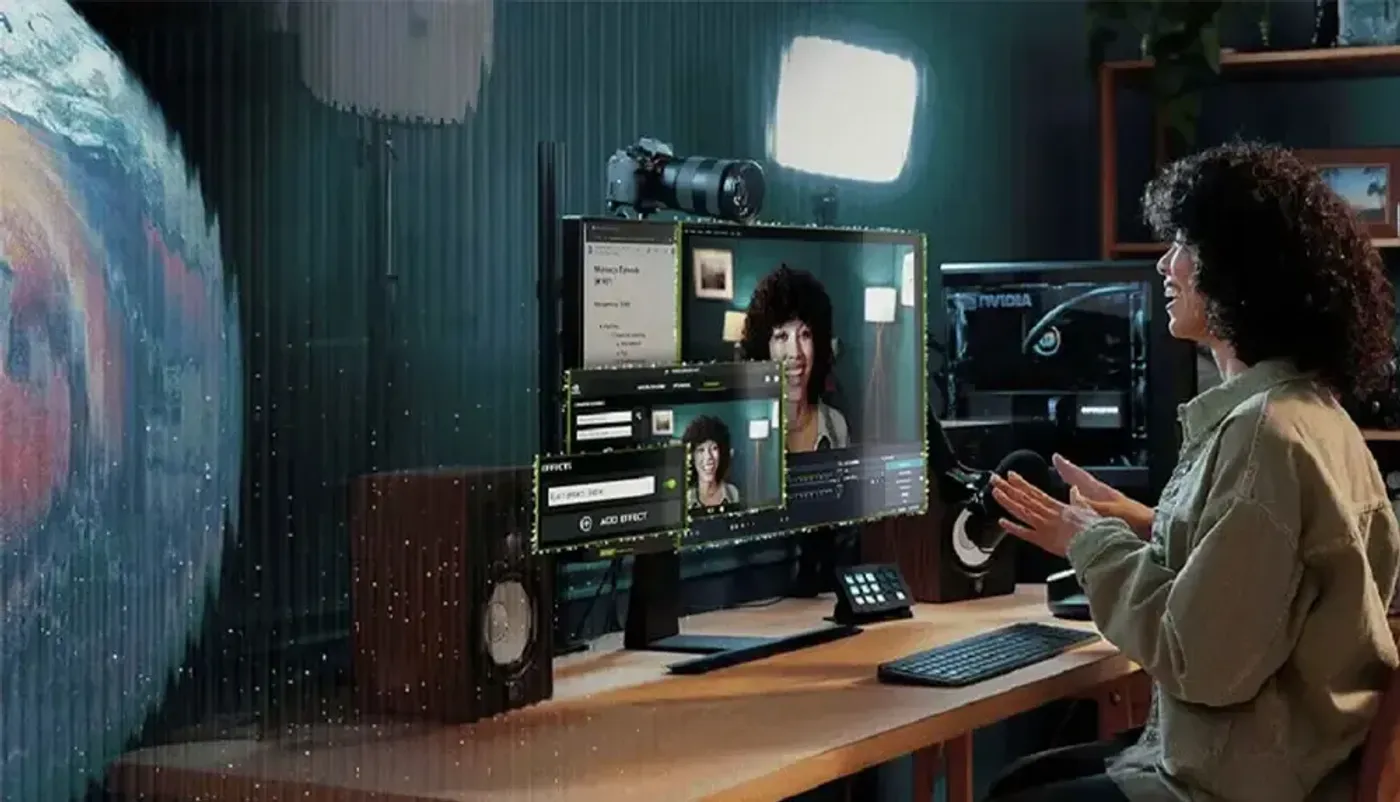
Game Ready And Studio Driver Updates
NVIDIA releases frequent Game Ready and Studio driver updates that keep GPU performance consistent and stable over time. Driver cadence is an ongoing part of what a GeForce card delivers, not a one-off at launch, and it is what keeps new titles running correctly.
Game Ready And Studio Driver Updates
NVIDIA releases frequent Game Ready and Studio driver updates that keep GPU performance consistent and stable over time. Driver cadence is an ongoing part of what a GeForce card delivers, not a one-off at launch, and it is what keeps new titles running correctly.
NVIDIA G-SYNC Removes Screen Tearing
NVIDIA G-SYNC synchronises the display refresh rate to the frames the card produces, giving fluid gameplay without tearing or lag. It solves a mismatch problem that raw frame rate alone cannot fix, since a fast card feeding an unsynchronised panel still tears.
NVIDIA G-SYNC Removes Screen Tearing
NVIDIA G-SYNC synchronises the display refresh rate to the frames the card produces, giving fluid gameplay without tearing or lag. It solves a mismatch problem that raw frame rate alone cannot fix, since a fast card feeding an unsynchronised panel still tears.
RTX AI Acceleration Integrated With Windows
GeForce RTX GPUs bring next-generation AI acceleration that is integrated with Windows, improving gaming, content creation and general productivity on the same system. The AI hardware is available to the operating system and applications, not only to games.
RTX AI Acceleration Integrated With Windows
GeForce RTX GPUs bring next-generation AI acceleration that is integrated with Windows, improving gaming, content creation and general productivity on the same system. The AI hardware is available to the operating system and applications, not only to games.
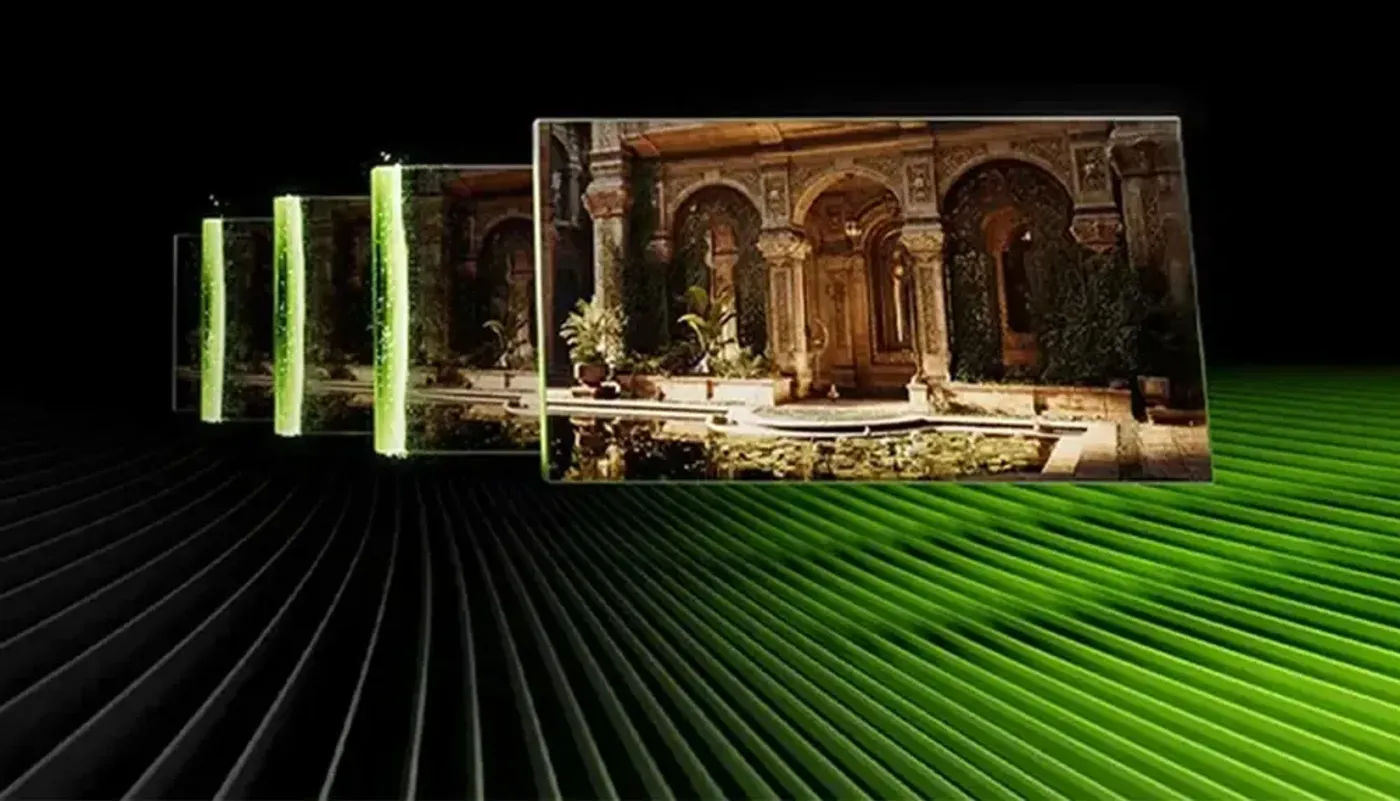
Creative Workflows On GeForce RTX 50 Series
NVIDIA Studio enhances video editing, 3D rendering and design work through optimised drivers and RTX acceleration on GeForce RTX 50 Series GPUs. Rendering and export passes are the parts of a creative workflow that benefit most, because they are the steps that scale with GPU throughput.
Creative Workflows On GeForce RTX 50 Series
NVIDIA Studio enhances video editing, 3D rendering and design work through optimised drivers and RTX acceleration on GeForce RTX 50 Series GPUs. Rendering and export passes are the parts of a creative workflow that benefit most, because they are the steps that scale with GPU throughput.
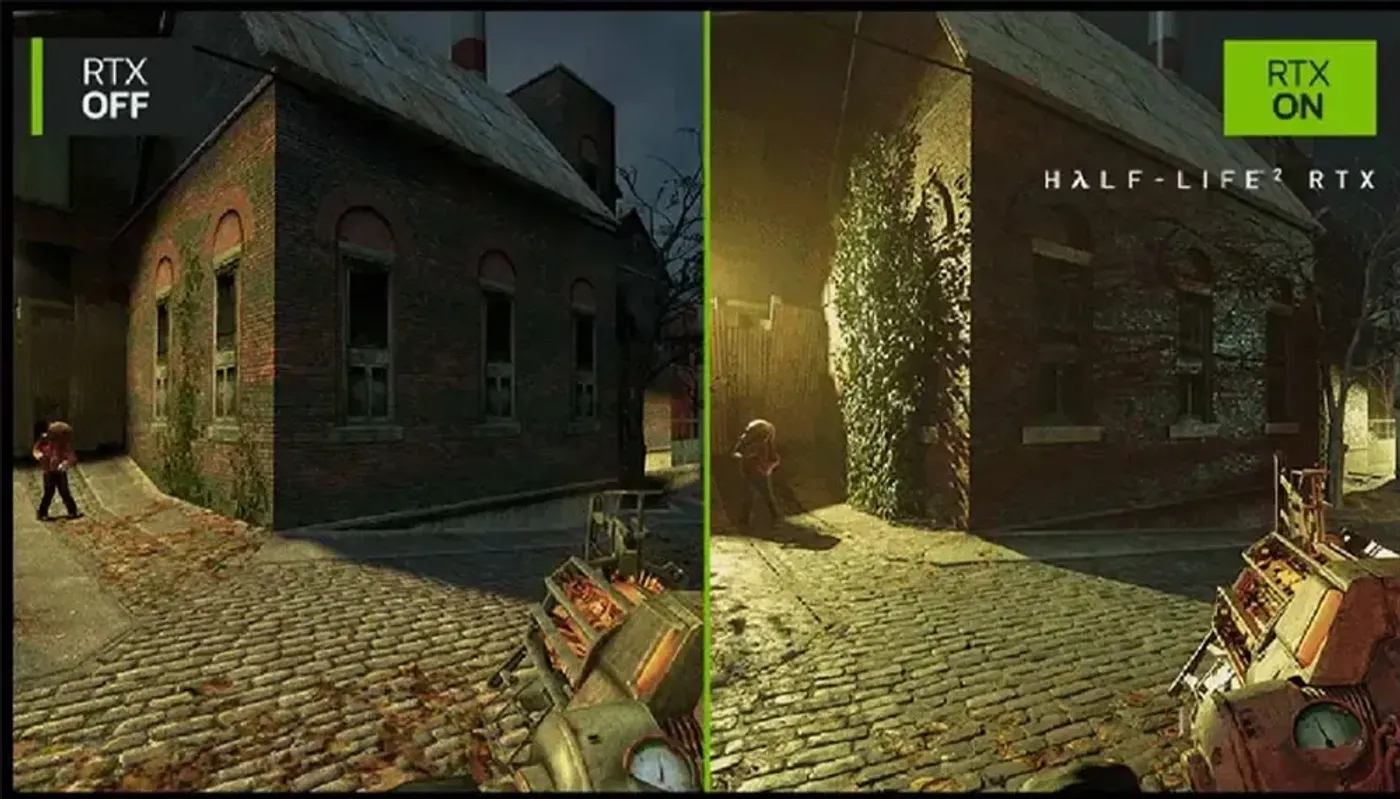
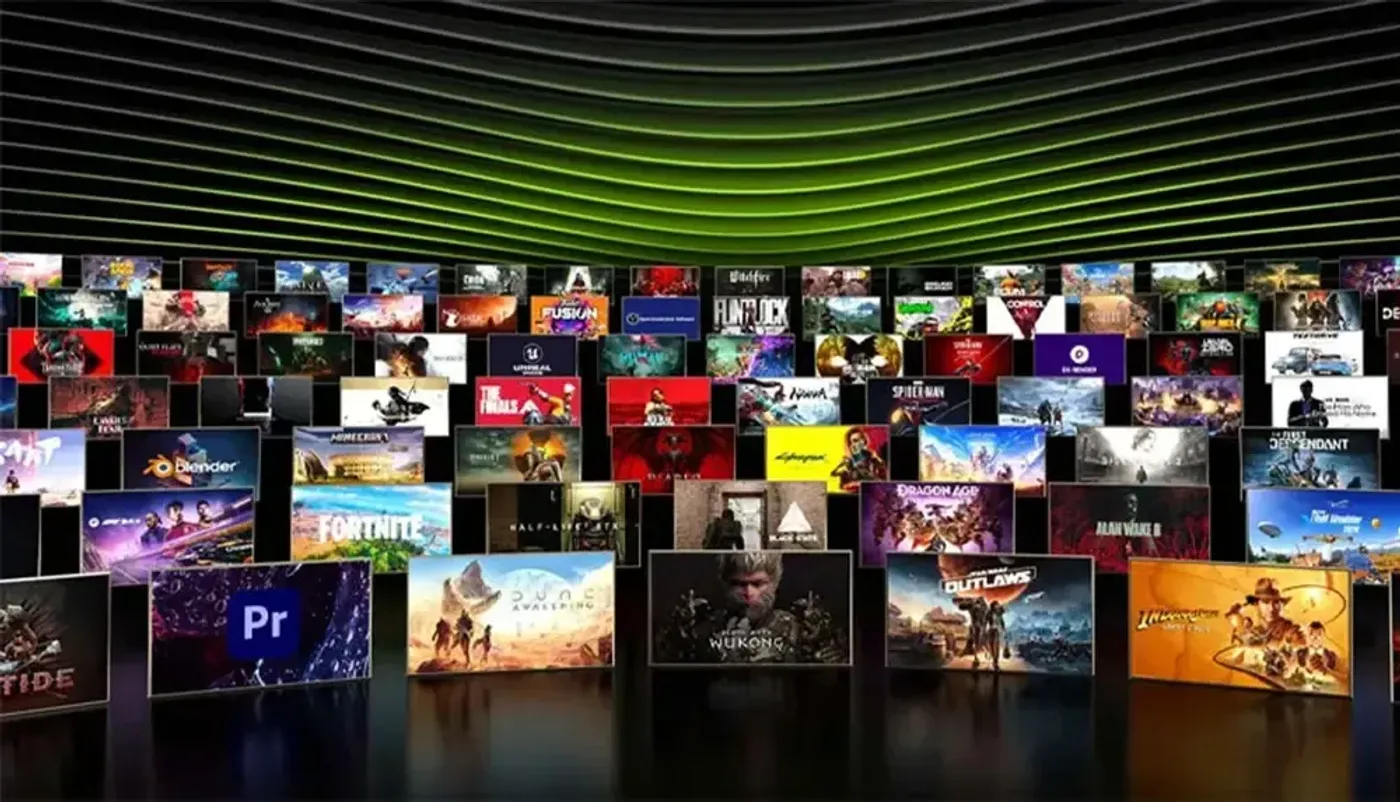
RTX Supports Over 700 Titles
The RTX platform brings ray tracing and neural rendering to more than 700 titles, with DLSS Multi Frame Generation available across that library. Breadth of support is what makes the feature set usable day to day rather than limited to a handful of showcase games.
RTX Supports Over 700 Titles
The RTX platform brings ray tracing and neural rendering to more than 700 titles, with DLSS Multi Frame Generation available across that library. Breadth of support is what makes the feature set usable day to day rather than limited to a handful of showcase games.
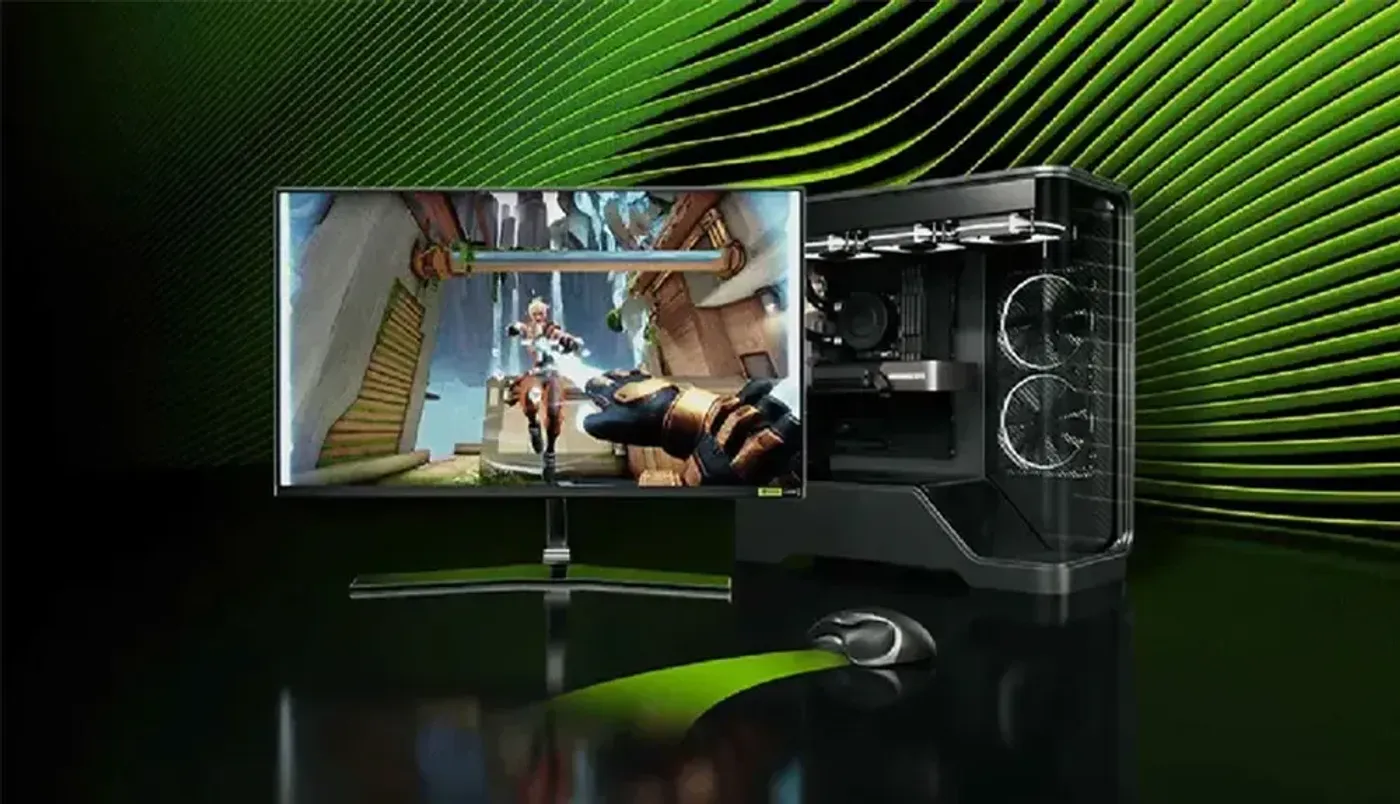
DLSS 4 AI Super Resolution And Ray Reconstruction
DLSS 4 uses neural rendering to raise FPS, reduce latency and output high-resolution visuals, with Multi Frame Generation and Ray Reconstruction on GeForce RTX 50 Series GPUs. Ray Reconstruction cleans up the ray traced image itself, which is a different job from upscaling the final frame.
DLSS 4 AI Super Resolution And Ray Reconstruction
DLSS 4 uses neural rendering to raise FPS, reduce latency and output high-resolution visuals, with Multi Frame Generation and Ray Reconstruction on GeForce RTX 50 Series GPUs. Ray Reconstruction cleans up the ray traced image itself, which is a different job from upscaling the final frame.
FAQ
Frequently Asked Questions
Everything you need to know about this product
It carries 8GB of GDDR7 memory on a 128-bit memory interface.
The card uses 3840 CUDA cores to handle graphics workloads.
The boost clock speed is 2625 MHz.
It connects using a PCI Express Gen 5 slot for faster throughput than older generations.
It is built on NVIDIA Blackwell architecture with fifth-generation Tensor Cores.
Yes, it supports NVIDIA DLSS 4 including Multi Frame Generation and Ray Reconstruction.
NVIDIA Reflex 2 with Frame Warp reduces input lag and improves responsiveness for esports.
Yes, NVIDIA Studio accelerates video editing, 3D modelling and design workflows with optimised drivers.
NVIDIA Broadcast uses AI for noise suppression and intelligent framing during streams.
The RTX platform supports over 700 titles with ray tracing and DLSS Multi Frame Generation.
Yes, NVIDIA G-SYNC synchronises the display refresh rate for gameplay without tearing.
It is part of MSI's Gaming Trio OC series, designed to keep the system cool and quiet.

AI-Generated Content:These FAQs are generated by an automated AI system and may contain inaccuracies or omissions. Evetech makes no warranties, express or implied, regarding their completeness or reliability. For definitive information, please refer to the manufacturer's official specifications.

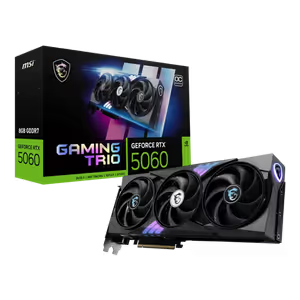
Please Note: Product images are for illustrative purposes only and may differ from the actual product.
Choose your
own PC
Hand-pick every part with live stock, compatibility, and instant pricing.
Try the new builderPrice Inc. Vat
R 9,999
Save R 2,000
ListR 11,999
9999Free Delivery
Qty:
In Stock with Evetech
Choose your
own PC
Hand-pick every part with live stock, compatibility, and instant pricing.
Try the new builderMSI GeForce RTX 5060 8G Gaming Trio OC Graphics Card