

Trusted Partners
Please Note: Product images are for illustrative purposes only and may differ from the actual product.
Hand-pick every part with live stock, compatibility, and instant pricing.
Try the new builderHand-pick every part with live stock, compatibility, and instant pricing.
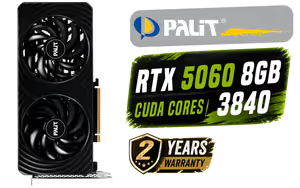
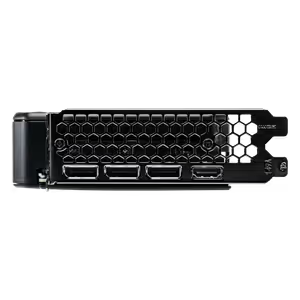
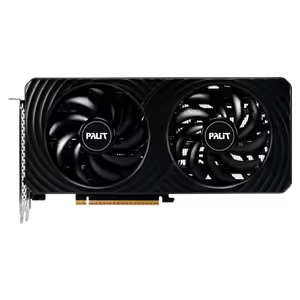
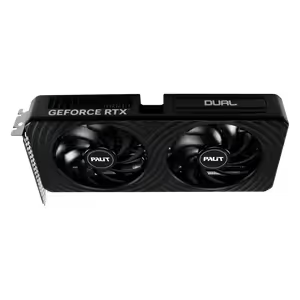
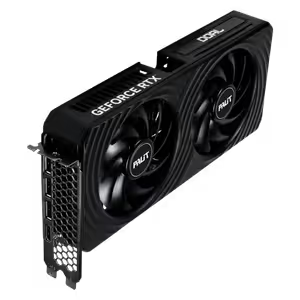
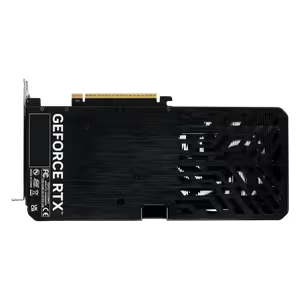
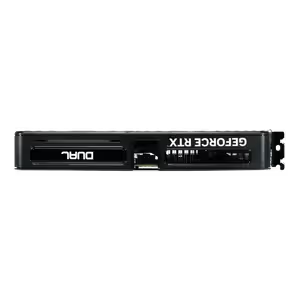
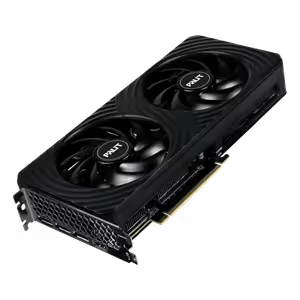
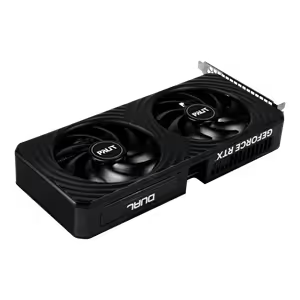
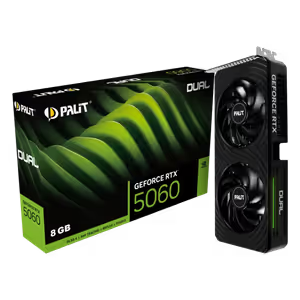
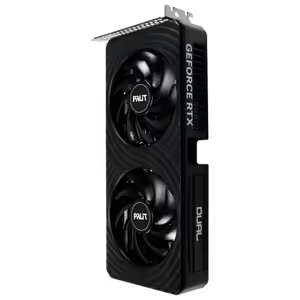
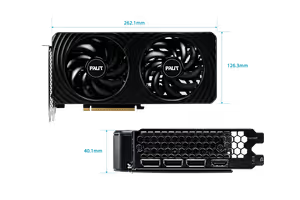
Try the new builderPalit GeForce RTX 5060 Dual 8GB GDDR7


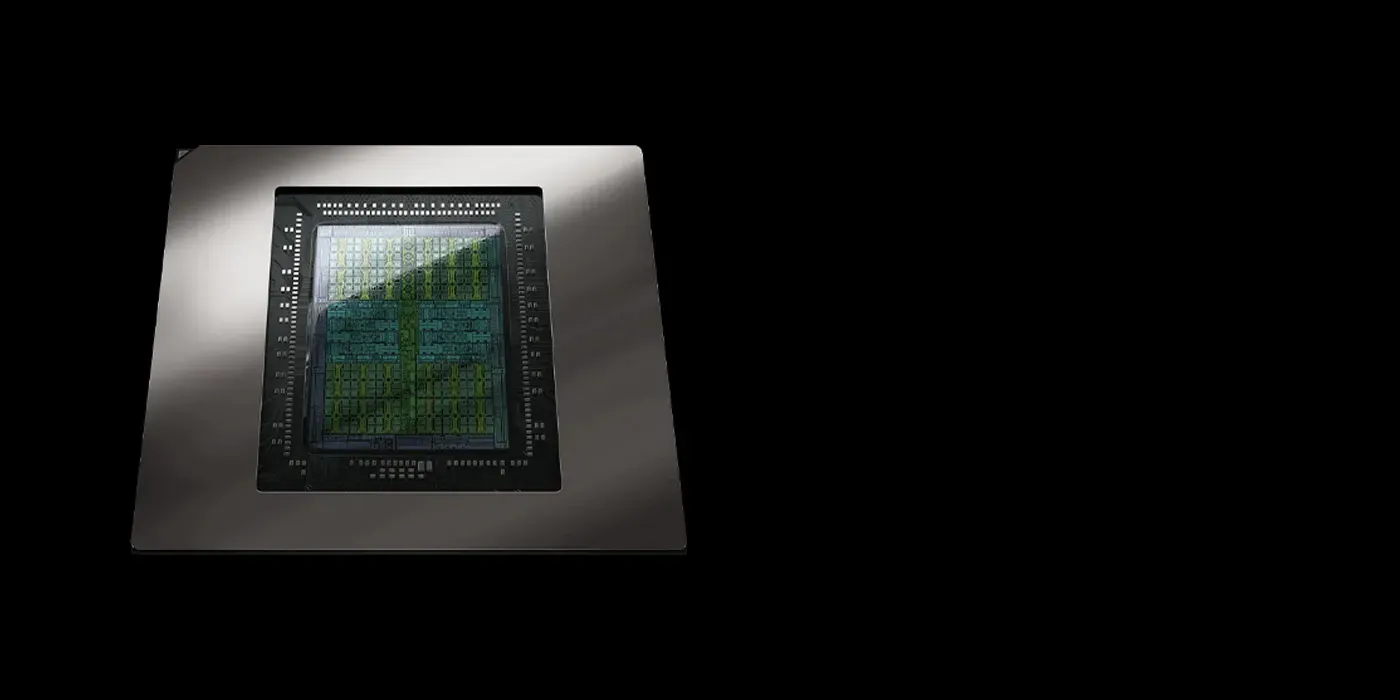
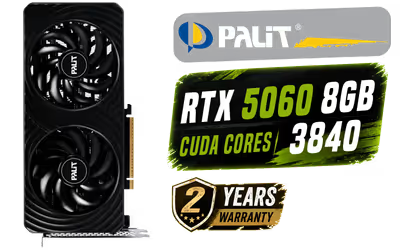
The Palit GeForce RTX 5060 Dual 8GB combines 8GB of high-speed GDDR7 memory with 3840 CUDA cores and a 2497 MHz boost clock across a 128-bit memory interface. That is the configuration behind its sharp, consistently rendered visuals in current AAA titles, and the memory type is what keeps texture-heavy scenes loading without the frame rate sagging mid-fight.

Blackwell underpins the RTX 5060 with fifth-generation Tensor Cores at FP4 precision, streaming multiprocessors reworked for neural shading, and fourth-generation ray tracing cores for complex scenes. The three advance together, so AI acceleration, shader efficiency and ray-traced lighting all improve rather than one being traded against another as happened in earlier generations.

Blackwell underpins the RTX 5060 with fifth-generation Tensor Cores at FP4 precision, streaming multiprocessors reworked for neural shading, and fourth-generation ray tracing cores for complex scenes. The three advance together, so AI acceleration, shader efficiency and ray-traced lighting all improve rather than one being traded against another as happened in earlier generations.

A dual fan cooling system keeps the RTX 5060 at workable temperatures through demanding gaming or rendering sessions, which is what protects the boost clock rather than letting it drop away as heat builds. The card connects over PCI Express Gen 5, so it suits current gaming PCs without the interface limiting what the GPU can be fed.


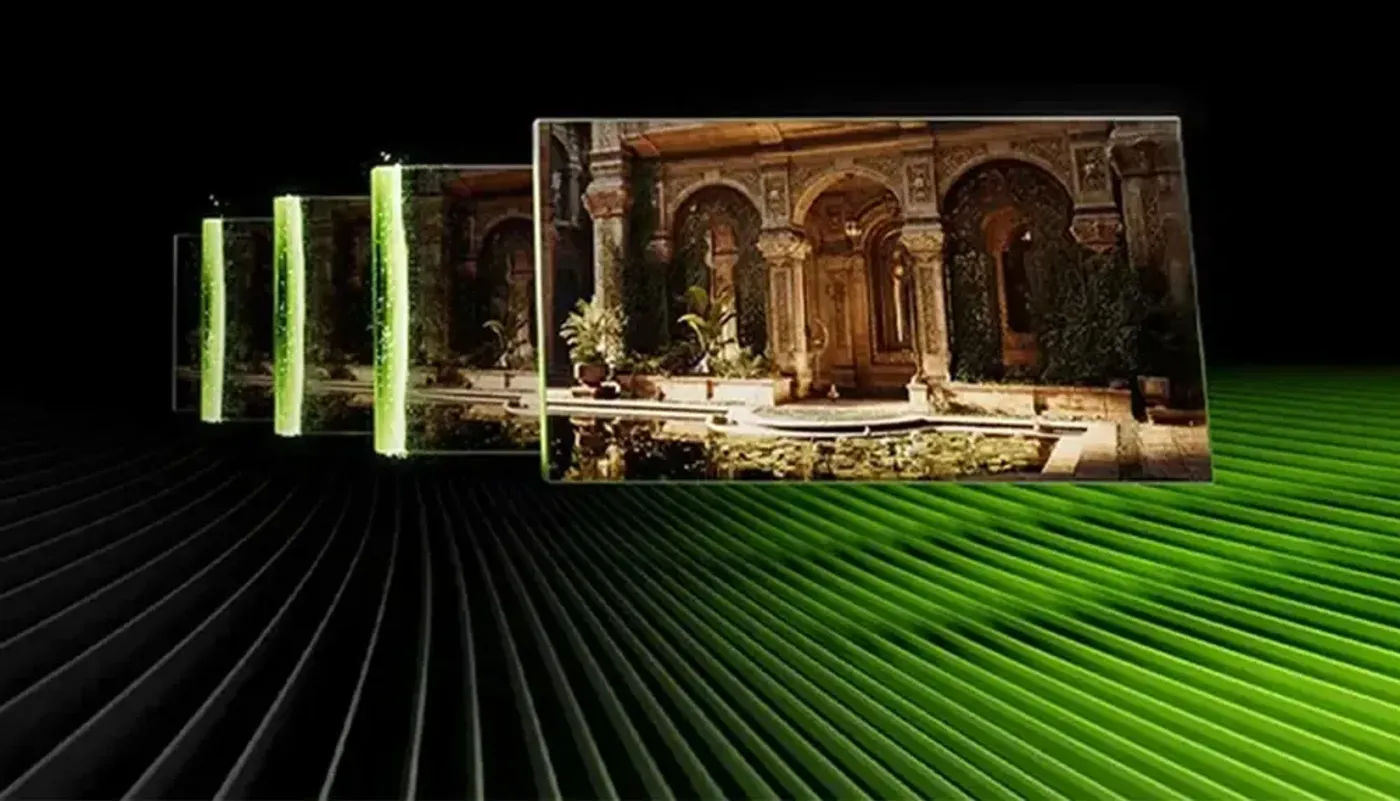
NVIDIA DLSS 4 with Multi Frame Generation raises frame rates by generating extra frames on the Tensor Cores instead of rendering each one conventionally. On an 8GB card that is the lever that matters most, because it produces the smoothness of a higher-tier GPU in supported titles without demanding the raw shader throughput brute force would need.

NVIDIA DLSS 4 with Multi Frame Generation raises frame rates by generating extra frames on the Tensor Cores instead of rendering each one conventionally. On an 8GB card that is the lever that matters most, because it produces the smoothness of a higher-tier GPU in supported titles without demanding the raw shader throughput brute force would need.

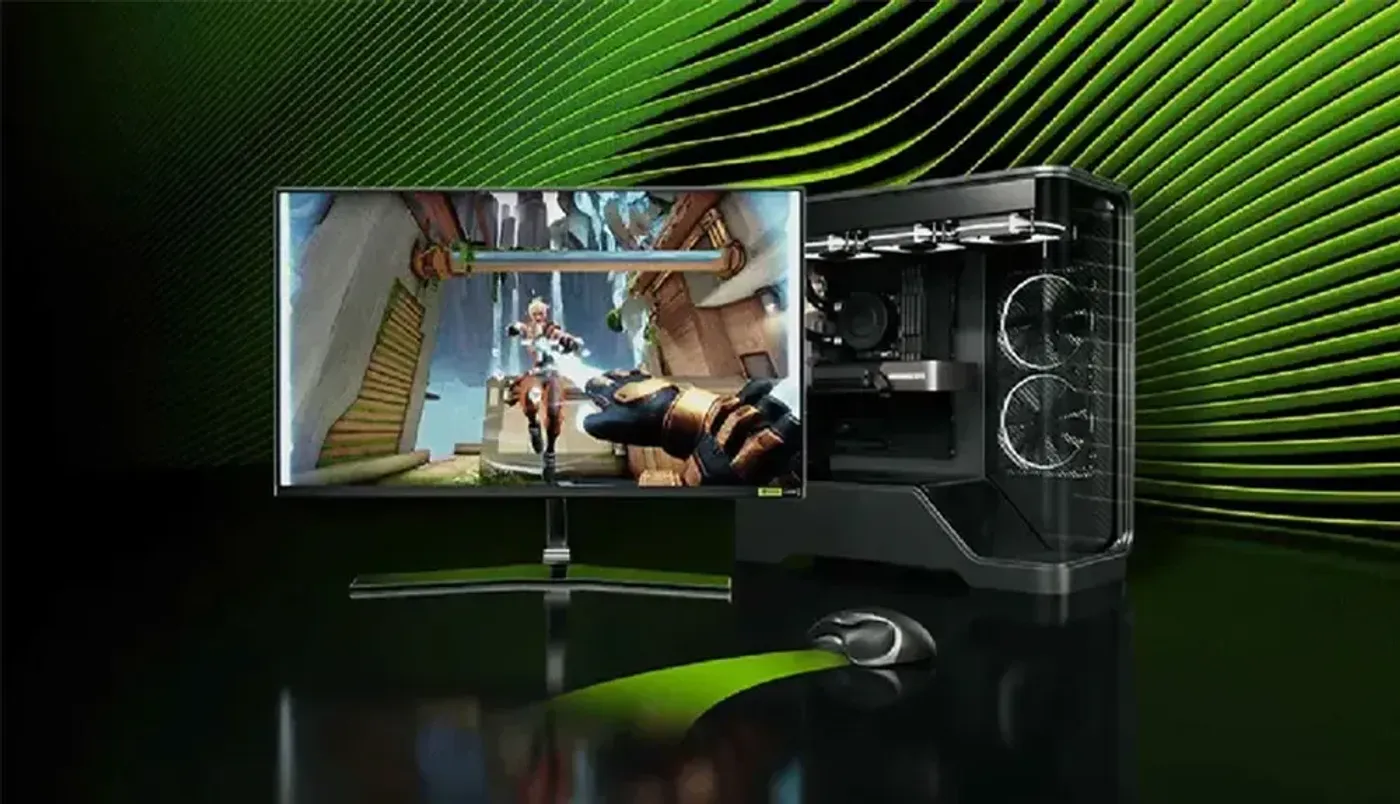
NVIDIA Reflex 2 with Frame Warp reduces input lag, closing the gap between a mouse movement and the frame that shows it. It is tuned for esports and competitive play, where frame rates are already high and the remaining advantage comes from shortening the render queue rather than adding more frames per second on top.


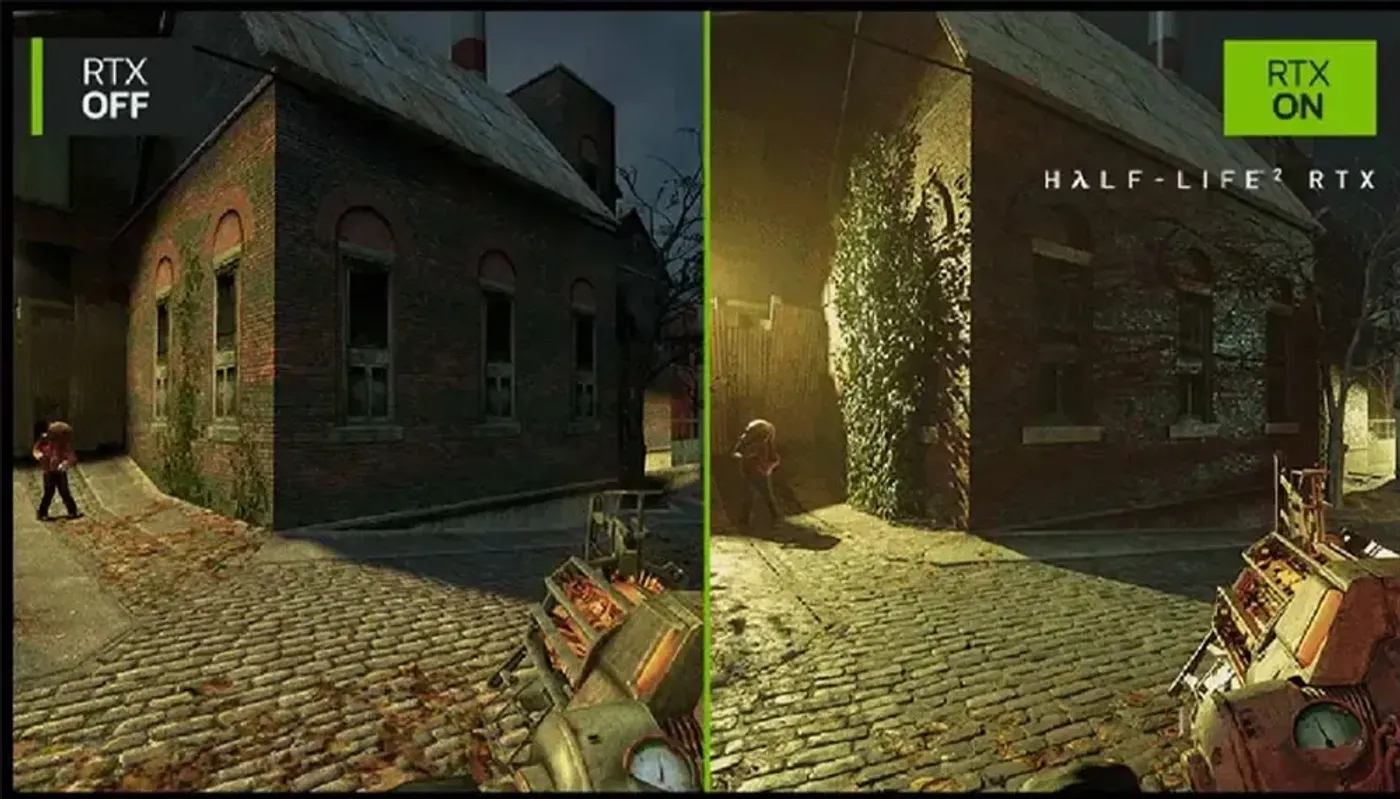
Fourth-generation ray tracing cores trace light through the scene to produce realistic lighting and shadow effects, and advanced neural rendering supplies detail the traditional pipeline cannot reach. The result shows up first on reflective and translucent surfaces and in indirect light, which is exactly where rasterised approximations have always broken down.

Fourth-generation ray tracing cores trace light through the scene to produce realistic lighting and shadow effects, and advanced neural rendering supplies detail the traditional pipeline cannot reach. The result shows up first on reflective and translucent surfaces and in indirect light, which is exactly where rasterised approximations have always broken down.

NVIDIA ACE runs AI digital humans and interactive assistance systems on the graphics card itself, driving game characters that respond conversationally and desktop assistants that answer without a server round trip. It is a Tensor Core workload, so it uses hardware the RTX 5060 already carries rather than requiring anything extra in the system.


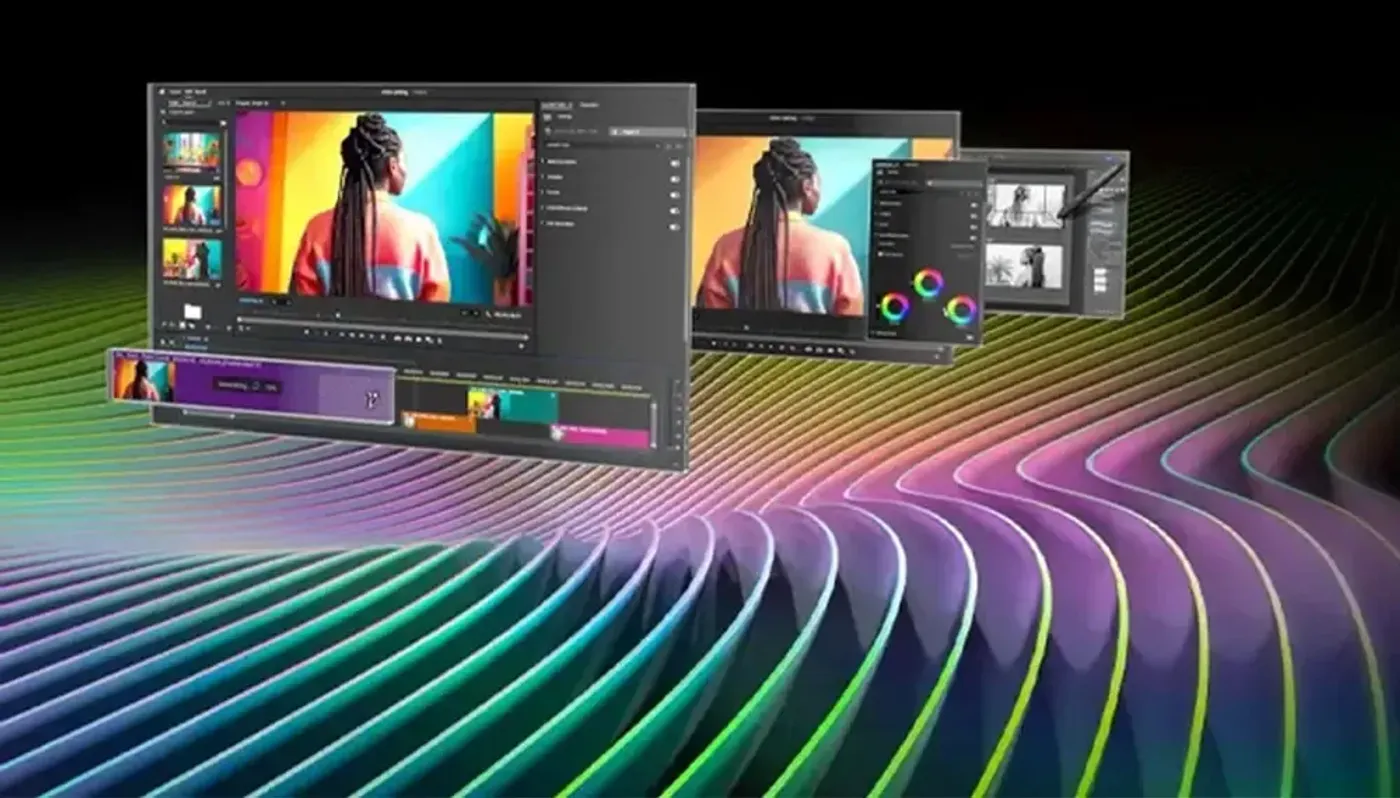
NVIDIA Studio provides optimised tools for faster video editing, 3D modeling and design workflows, moving the heavy stages of a project onto the GPU. Timeline scrubbing, effect previews and final export are where the time goes on creative work, and those are precisely the operations Studio acceleration targets on the RTX 5060.

NVIDIA Studio provides optimised tools for faster video editing, 3D modeling and design workflows, moving the heavy stages of a project onto the GPU. Timeline scrubbing, effect previews and final export are where the time goes on creative work, and those are precisely the operations Studio acceleration targets on the RTX 5060.

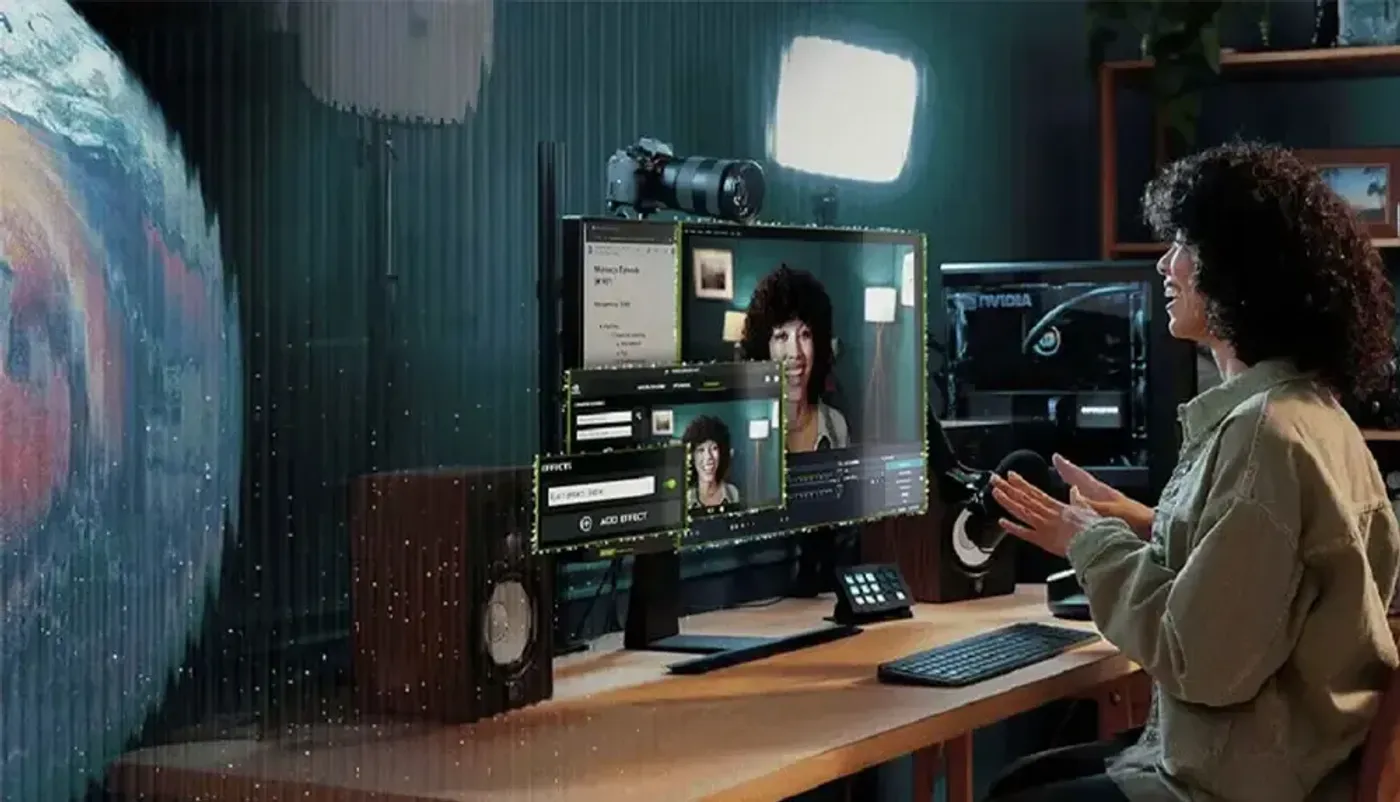
NVIDIA Broadcast applies AI features to your live stream and pairs them with the card's latest encoder technology for professional-quality output. Encoding runs on dedicated silicon rather than the CPU, which is why streaming and playing on the same machine costs far less performance here than a software encoder would take from the processor.


NVIDIA issues driver updates frequently, keeping the RTX 5060 tuned for new releases and stable across both gaming and creative work. Ongoing driver support is what determines how a card performs a year after purchase, and it is where compatibility problems with new engines get resolved instead of being left for the game developer alone.

NVIDIA issues driver updates frequently, keeping the RTX 5060 tuned for new releases and stable across both gaming and creative work. Ongoing driver support is what determines how a card performs a year after purchase, and it is where compatibility problems with new engines get resolved instead of being left for the game developer alone.

NVIDIA G-SYNC adaptive sync matches the display refresh rate to the frame rate the RTX 5060 is producing, removing tearing and the judder that appears when the two drift apart. On a variable refresh rate monitor this is the single change that makes mid-range frame rates feel smooth rather than merely fast on a benchmark chart.


GeForce RTX GPUs bring AI acceleration into Windows itself, so gaming, creative projects and general productivity all draw on the same hardware. Running AI features locally removes the wait for a remote service and keeps the data on your own machine, which matters more as everyday applications add AI functions by default.

GeForce RTX GPUs bring AI acceleration into Windows itself, so gaming, creative projects and general productivity all draw on the same hardware. Running AI features locally removes the wait for a remote service and keeps the data on your own machine, which matters more as everyday applications add AI functions by default.

Alongside the gaming branch, NVIDIA ships Studio drivers validated against professional applications, paired with RTX acceleration on the GeForce RTX 50 Series. Studio drivers change less often and are tested harder against the software professionals depend on, which is the trade you want on a machine that has to render work to a deadline.


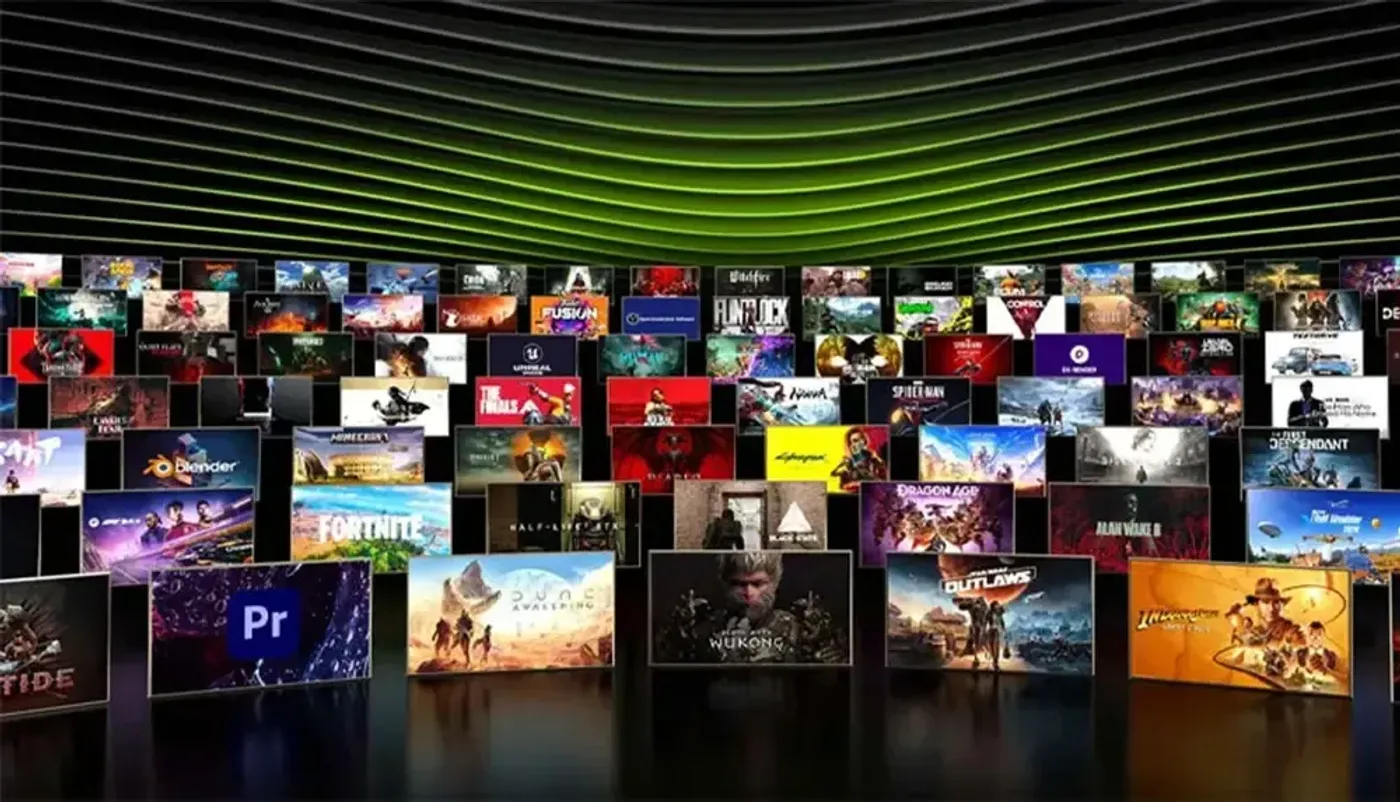
RTX ray tracing and neural rendering are supported across more than 700 RTX-enabled titles, many of them carrying DLSS Multi Frame Generation as well. Library breadth decides whether a card's headline features reach the games you actually play, which makes it a more useful number than any single benchmark result taken in isolation.

RTX ray tracing and neural rendering are supported across more than 700 RTX-enabled titles, many of them carrying DLSS Multi Frame Generation as well. Library breadth decides whether a card's headline features reach the games you actually play, which makes it a more useful number than any single benchmark result taken in isolation.

DLSS 4 Super Resolution renders internally at a lower resolution and reconstructs the image with neural rendering, boosting FPS and reducing latency while holding high-resolution detail. Ray Reconstruction cleans up ray-traced lighting in the same pass, and both run on the fifth-generation Tensor Cores rather than competing for shader time.

Everything you need to know about this product
It carries 8GB of high-speed GDDR7 memory on a 128-bit memory interface.
The card has 3840 CUDA cores for gaming and rendering workloads.
The Palit RTX 5060 Dual reaches a boost clock of 2497 MHz.
It connects via PCI Express Gen 5, matching current gaming motherboards.
Yes. Fourth-generation ray tracing cores render lifelike lighting and shadows in supported titles.
Yes. DLSS 4 with Multi Frame Generation and Ray Reconstruction raises frame rates and image quality.
A dual fan cooling system keeps temperatures in check during demanding gaming or rendering tasks.
Yes. NVIDIA Reflex 2 with Frame Warp reduces input lag for faster, more accurate targeting.
It uses NVIDIA Blackwell architecture with fifth-generation Tensor Cores and FP4 precision.
Yes. NVIDIA Studio accelerates video editing, 3D modeling and design, and NVIDIA Broadcast improves stream quality.
Yes. NVIDIA G-SYNC adaptive sync delivers tear-free gameplay on compatible displays.
The Palit part number is NE75060019P1-GB2063D.
AI-Generated Content:These FAQs are generated by an automated AI system and may contain inaccuracies or omissions. Evetech makes no warranties, express or implied, regarding their completeness or reliability. For definitive information, please refer to the manufacturer's official specifications.