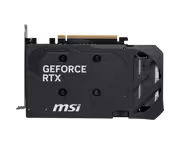
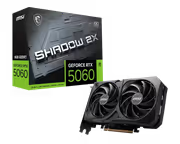
msi-geforce-rtx-5060-8gb-shadow-2x-oc
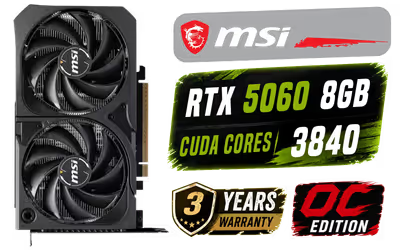
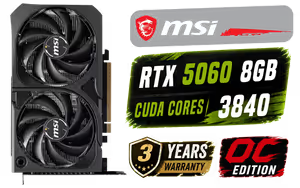
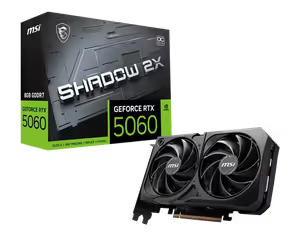
MSI GeForce RTX 5060 8GB Shadow 2X OC Graphics Card / 8GB GDDR7 / 3840 Cuda Cores / 128-bit Memory Interface / Extreme Performance: 2535 MHz / 28 Gbps Memory Speed / DisplayPort x 3 (v2.1b), HDMI x 1 / 912-V537-019 + FREE DELIVERY !
3 Years Local Warranty
Model No : MSI 912-V537-019
Price Inc. Vat
R 8,499
Save R 1,500
ListR 9,999
8499Free Delivery
Qty:
In Stock with Evetech
MSI GeForce RTX 5060 8GB Shadow 2X OC — 2535MHz GPU
RTX 5060 With 8GB GDDR7 And 3840 CUDA Cores
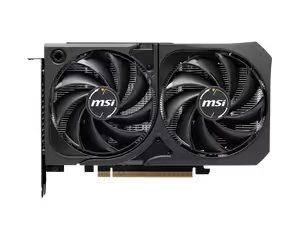
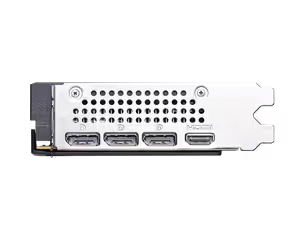
The MSI GeForce RTX 5060 8GB Shadow 2X OC pairs 3840 CUDA cores with 8GB of GDDR7 memory on a 128-bit interface running at 28 Gbps. An extreme boost clock of 2535 MHz drives high frame rates at 1080p and 1440p across AAA titles and creative software. A dual-fan Shadow 2X cooler keeps temperatures and noise down, and display output runs to three DisplayPort 2.1b connectors plus one HDMI.
RTX 5060 With 8GB GDDR7 And 3840 CUDA Cores
The MSI GeForce RTX 5060 8GB Shadow 2X OC pairs 3840 CUDA cores with 8GB of GDDR7 memory on a 128-bit interface running at 28 Gbps. An extreme boost clock of 2535 MHz drives high frame rates at 1080p and 1440p across AAA titles and creative software. A dual-fan Shadow 2X cooler keeps temperatures and noise down, and display output runs to three DisplayPort 2.1b connectors plus one HDMI.
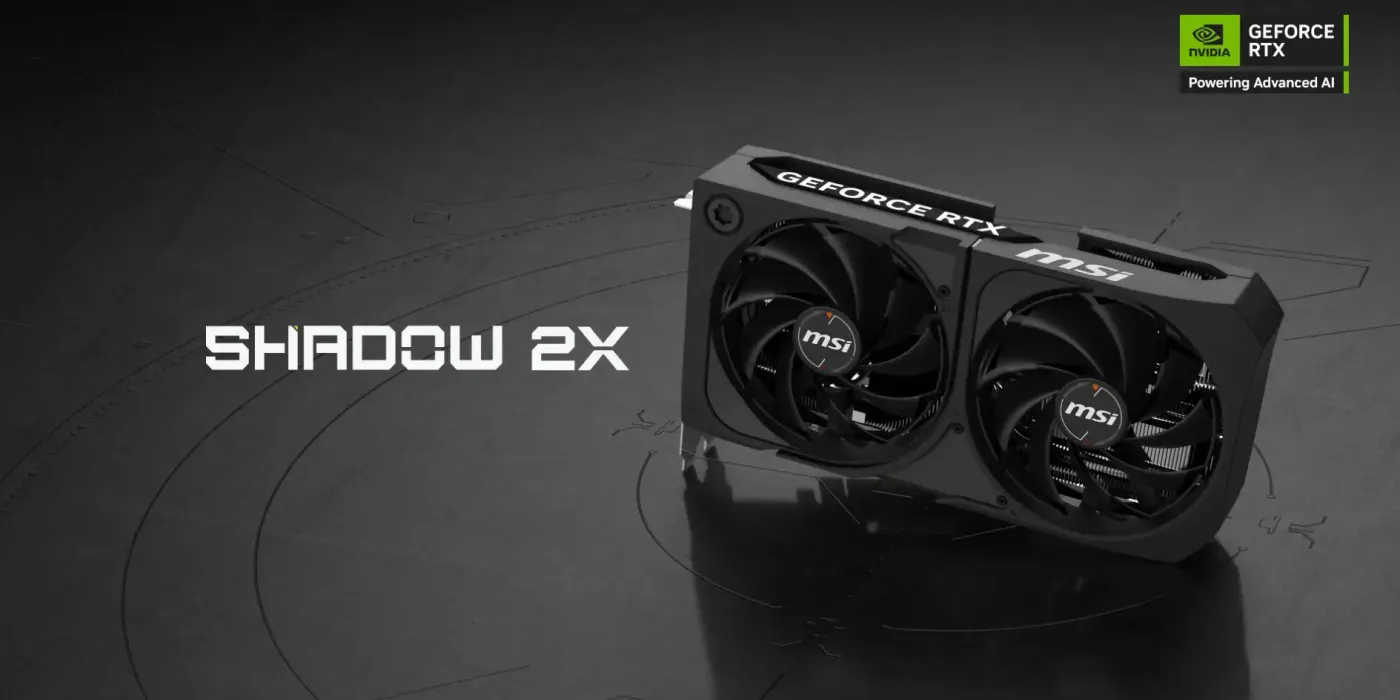
MSI SHADOW Design Focuses On Performance
MSI SHADOW is a performance-focused design line, built around delivering the gaming experience rather than a lighting showcase. That makes it a straightforward choice when upgrading an existing machine or building a new gaming rig, where the money is better spent on cooling than on decoration. The Shadow 2X is the dual-fan member of that line.
MSI SHADOW Design Focuses On Performance
MSI SHADOW is a performance-focused design line, built around delivering the gaming experience rather than a lighting showcase. That makes it a straightforward choice when upgrading an existing machine or building a new gaming rig, where the money is better spent on cooling than on decoration. The Shadow 2X is the dual-fan member of that line.
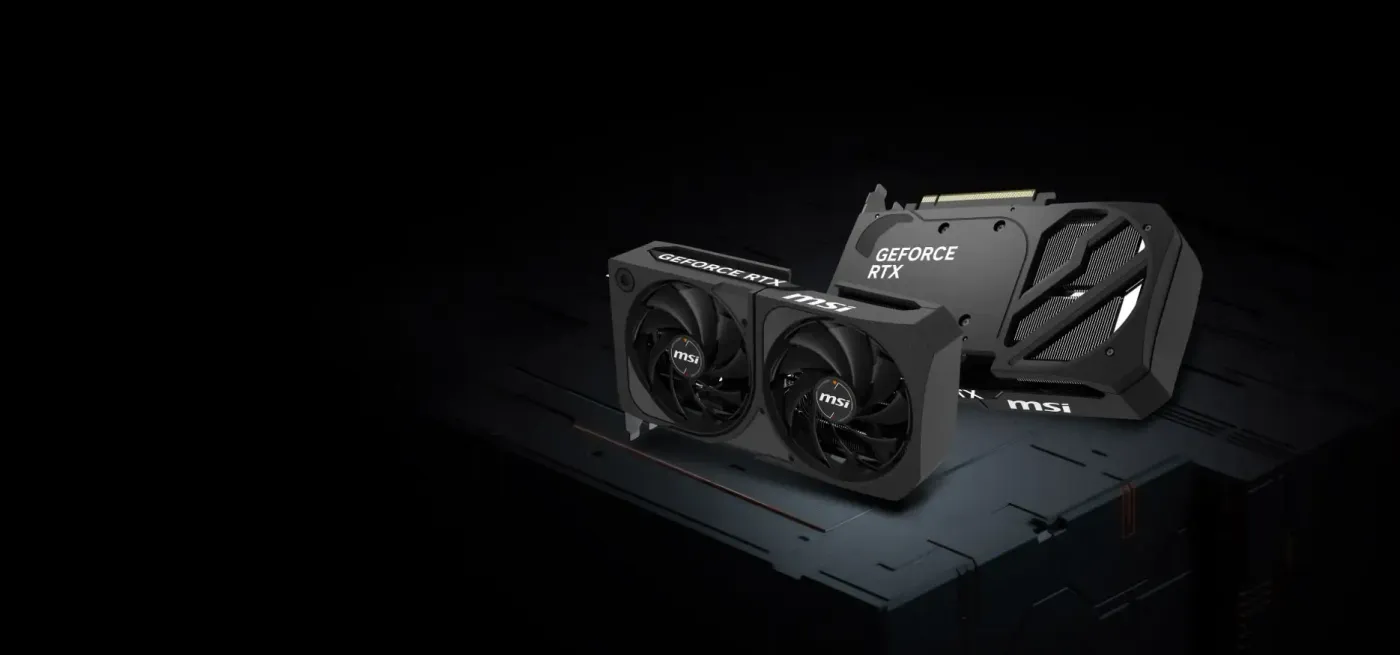
3840 CUDA Cores Handle Games And Creative Work
The card carries 3840 CUDA cores, the parallel processors that do the actual rendering and compute work. That count is what determines how the card handles the latest AAA titles as well as creative software that offloads work to the GPU. It is the headline number to compare when placing this card against others in the range.
3840 CUDA Cores Handle Games And Creative Work
The card carries 3840 CUDA cores, the parallel processors that do the actual rendering and compute work. That count is what determines how the card handles the latest AAA titles as well as creative software that offloads work to the GPU. It is the headline number to compare when placing this card against others in the range.
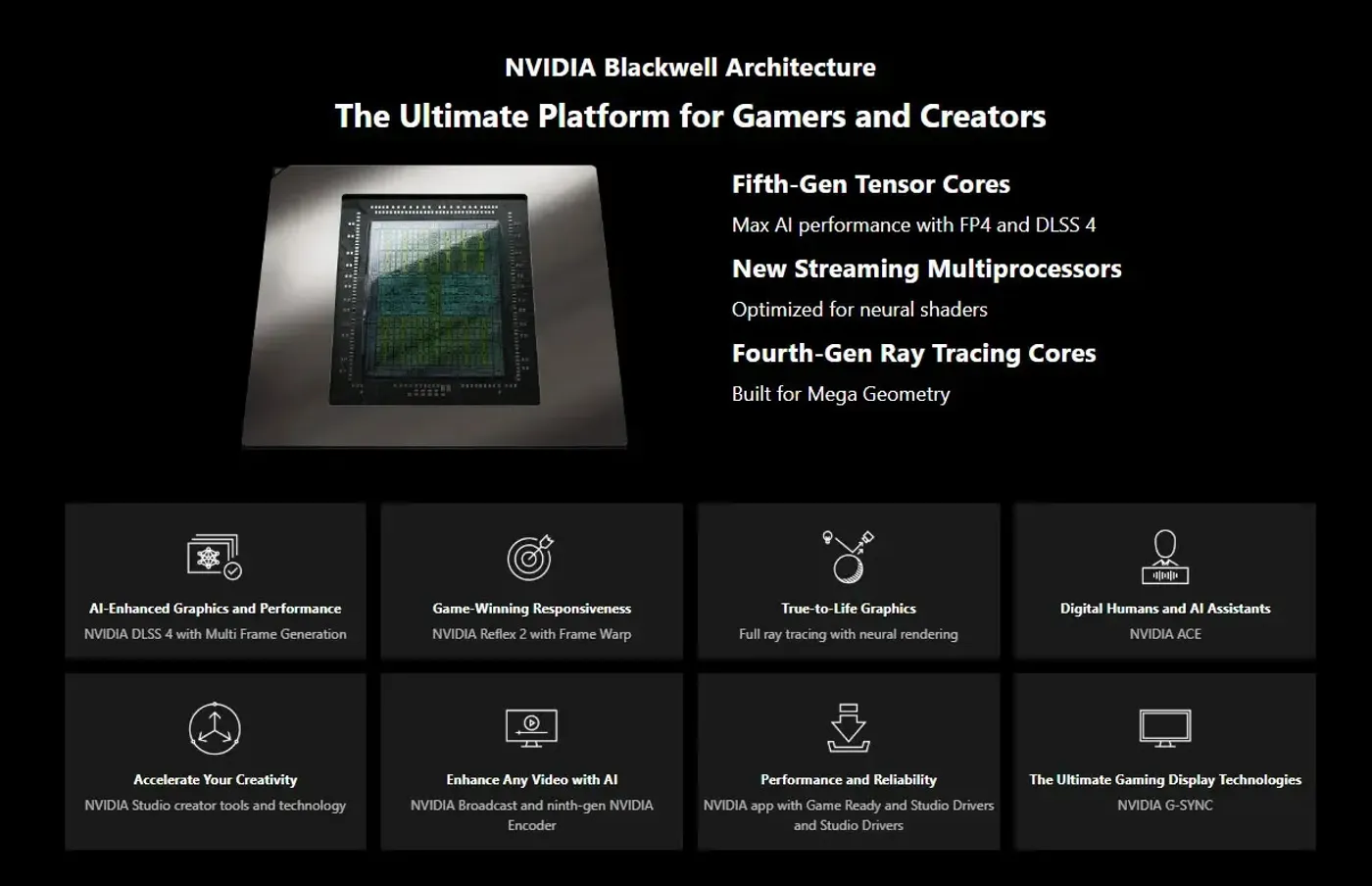
8GB Of GDDR7 Memory On Board
Eight gigabytes of GDDR7 memory hold textures, frame buffers and working data for the GPU. GDDR7 is the current generation of graphics memory, delivering more bandwidth per pin than the GDDR6 it replaces. For 1080p and 1440p gaming, 8GB covers the texture budgets most titles ask for at those resolutions.
8GB Of GDDR7 Memory On Board
Eight gigabytes of GDDR7 memory hold textures, frame buffers and working data for the GPU. GDDR7 is the current generation of graphics memory, delivering more bandwidth per pin than the GDDR6 it replaces. For 1080p and 1440p gaming, 8GB covers the texture budgets most titles ask for at those resolutions.
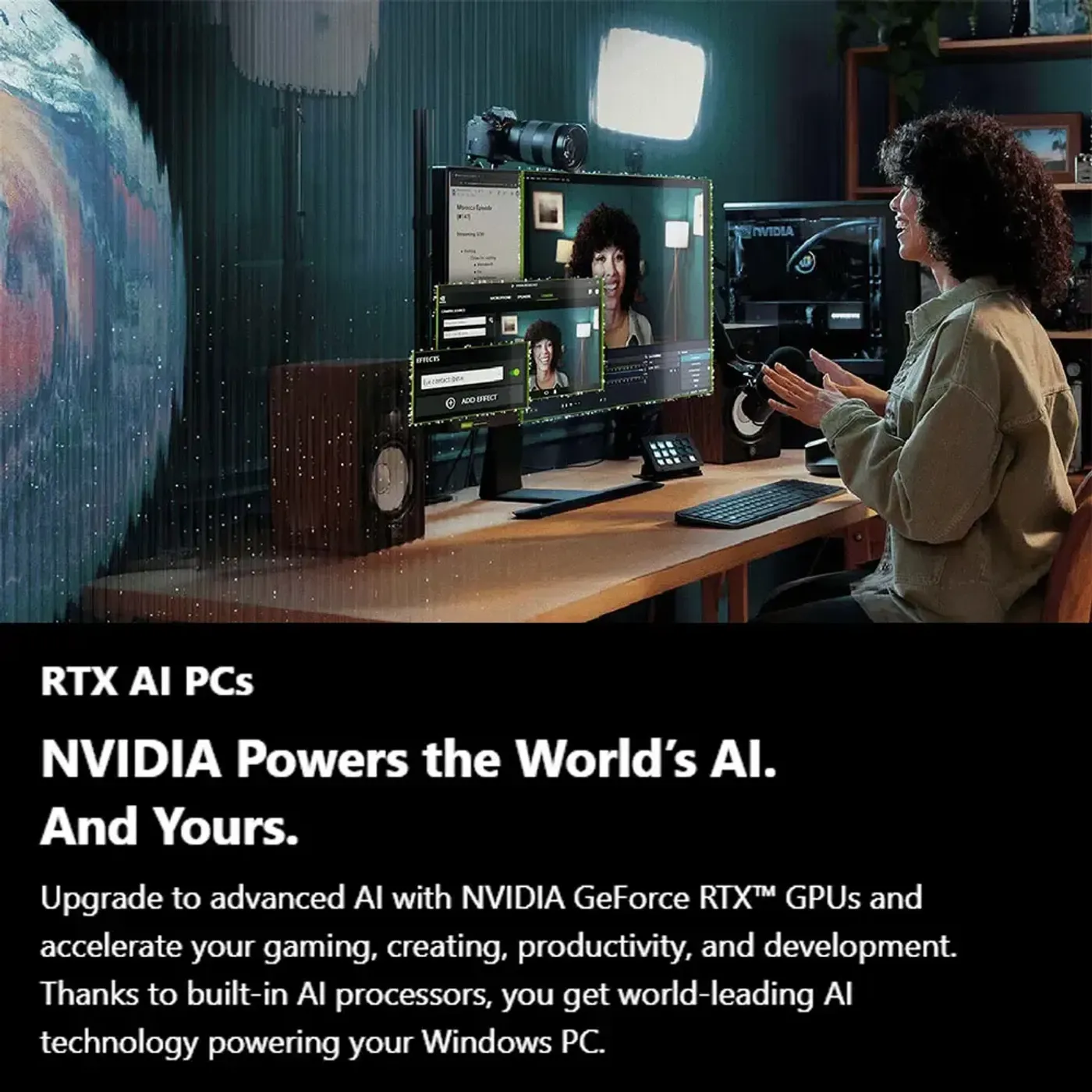
128-Bit Memory Interface Feeds The GPU
The memory connects over a 128-bit interface, which is the width of the path between the GDDR7 modules and the GPU. Interface width multiplied by memory speed is what produces total bandwidth, so both figures matter together rather than separately. On this card that pairing is tuned for sharp visuals at 1080p and 1440p.
128-Bit Memory Interface Feeds The GPU
The memory connects over a 128-bit interface, which is the width of the path between the GDDR7 modules and the GPU. Interface width multiplied by memory speed is what produces total bandwidth, so both figures matter together rather than separately. On this card that pairing is tuned for sharp visuals at 1080p and 1440p.
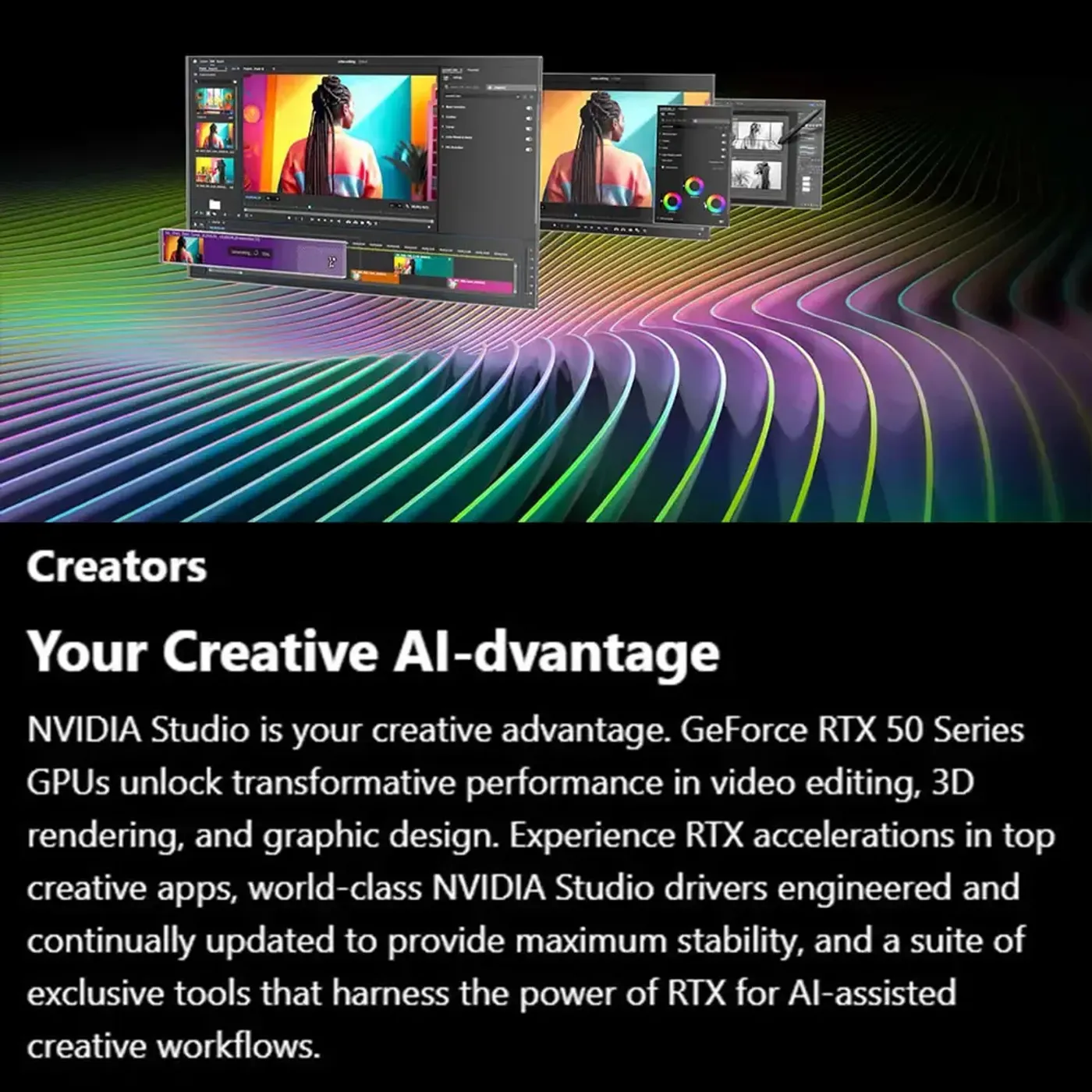
28 Gbps Memory Speed For Responsive Gameplay
Memory runs at 28 Gbps, which is the per-pin transfer rate across the GDDR7 modules. Higher memory speed keeps frame data moving when a scene changes quickly, which shows up as responsive gameplay rather than a peak benchmark number. It holds through extended gaming or editing sessions rather than dropping once the card warms up.
28 Gbps Memory Speed For Responsive Gameplay
Memory runs at 28 Gbps, which is the per-pin transfer rate across the GDDR7 modules. Higher memory speed keeps frame data moving when a scene changes quickly, which shows up as responsive gameplay rather than a peak benchmark number. It holds through extended gaming or editing sessions rather than dropping once the card warms up.

Extreme Performance Boost Clock Of 2535 MHz
MSI rates the card at an extreme performance boost clock of 2535 MHz, the factory-overclocked figure this OC model runs to. The clock is where the OC in the name is earned, since it is set above the reference specification. Sustaining that clock is the cooler's job, which is why the Shadow 2X thermal design gets so much of the specification.
Extreme Performance Boost Clock Of 2535 MHz
MSI rates the card at an extreme performance boost clock of 2535 MHz, the factory-overclocked figure this OC model runs to. The clock is where the OC in the name is earned, since it is set above the reference specification. Sustaining that clock is the cooler's job, which is why the Shadow 2X thermal design gets so much of the specification.
Built For 1080p And 1440p Gaming
MSI targets this card at top-tier 1080p and 1440p gaming, where the combination of clock speed and memory bandwidth delivers high frame rates. Those two resolutions cover the vast majority of gaming monitors in use, including high-refresh panels. It is a resolution bracket chosen deliberately rather than a compromise.
Built For 1080p And 1440p Gaming
MSI targets this card at top-tier 1080p and 1440p gaming, where the combination of clock speed and memory bandwidth delivers high frame rates. Those two resolutions cover the vast majority of gaming monitors in use, including high-refresh panels. It is a resolution bracket chosen deliberately rather than a compromise.
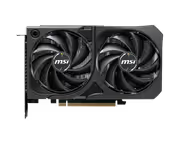
Dual Fans On A Large Heatsink Run Quieter
Two fans sit over a large heatsink, so each one moves less air for the same cooling result and therefore spins slower. Slower fans are quieter fans, which is the entire logic of a dual-fan design over a single high-speed one. It is what makes the card workable in a quiet room as well as a gaming setup.
Dual Fans On A Large Heatsink Run Quieter
Two fans sit over a large heatsink, so each one moves less air for the same cooling result and therefore spins slower. Slower fans are quieter fans, which is the entire logic of a dual-fan design over a single high-speed one. It is what makes the card workable in a quiet room as well as a gaming setup.
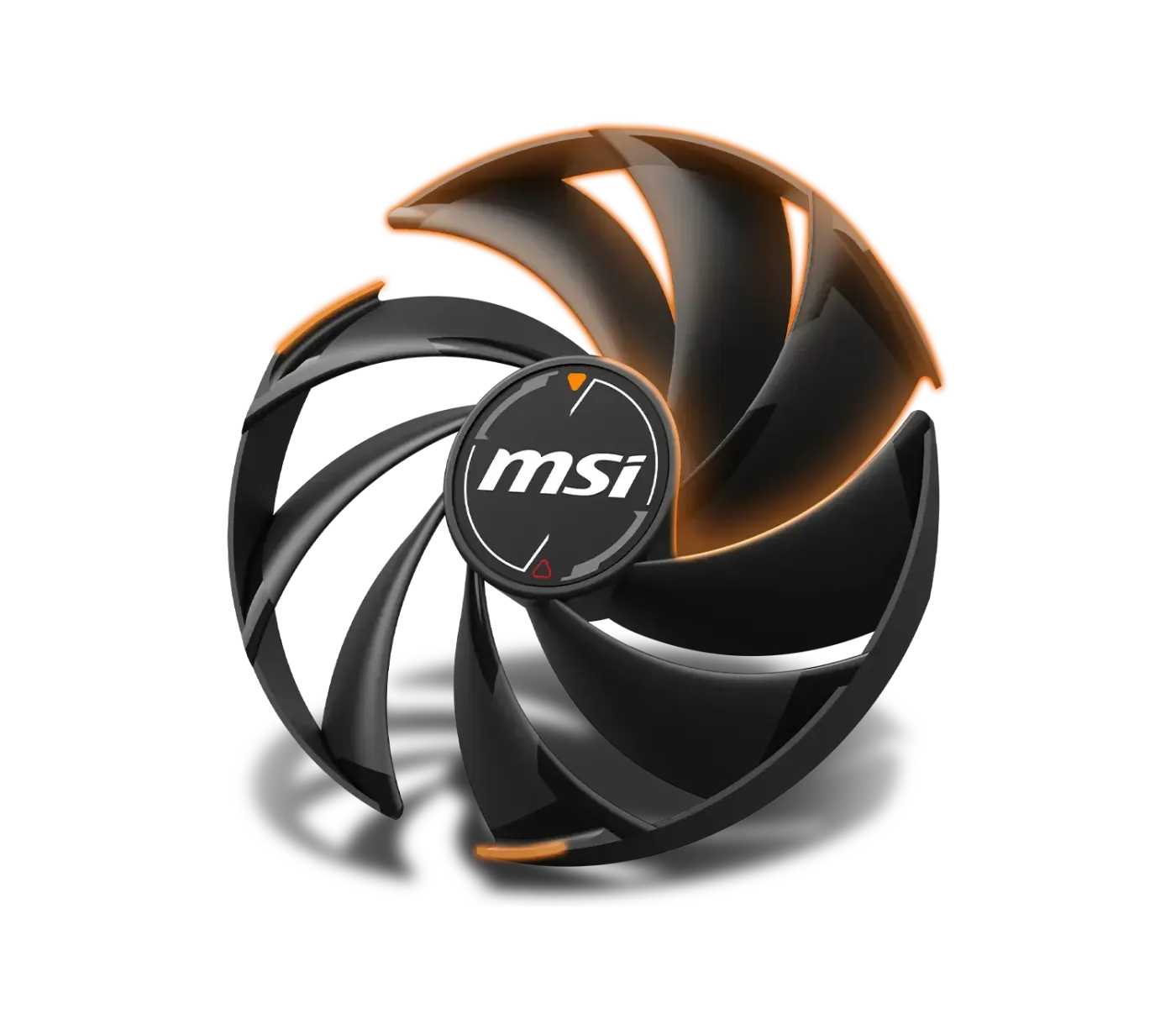
TORX Fan 5.0 Moves 23% More Air Than Axial Fans
TORX FAN 5.0 links three sets of 22-degree-tilted fan blades with ring arcs, raising airflow by 23 percent compared with a standard axial fan. The ring arcs let the blades work as a group rather than individually, which builds static pressure through a dense heatsink. More pressure is what gets air through the fins instead of around them.
TORX Fan 5.0 Moves 23% More Air Than Axial Fans
TORX FAN 5.0 links three sets of 22-degree-tilted fan blades with ring arcs, raising airflow by 23 percent compared with a standard axial fan. The ring arcs let the blades work as a group rather than individually, which builds static pressure through a dense heatsink. More pressure is what gets air through the fins instead of around them.
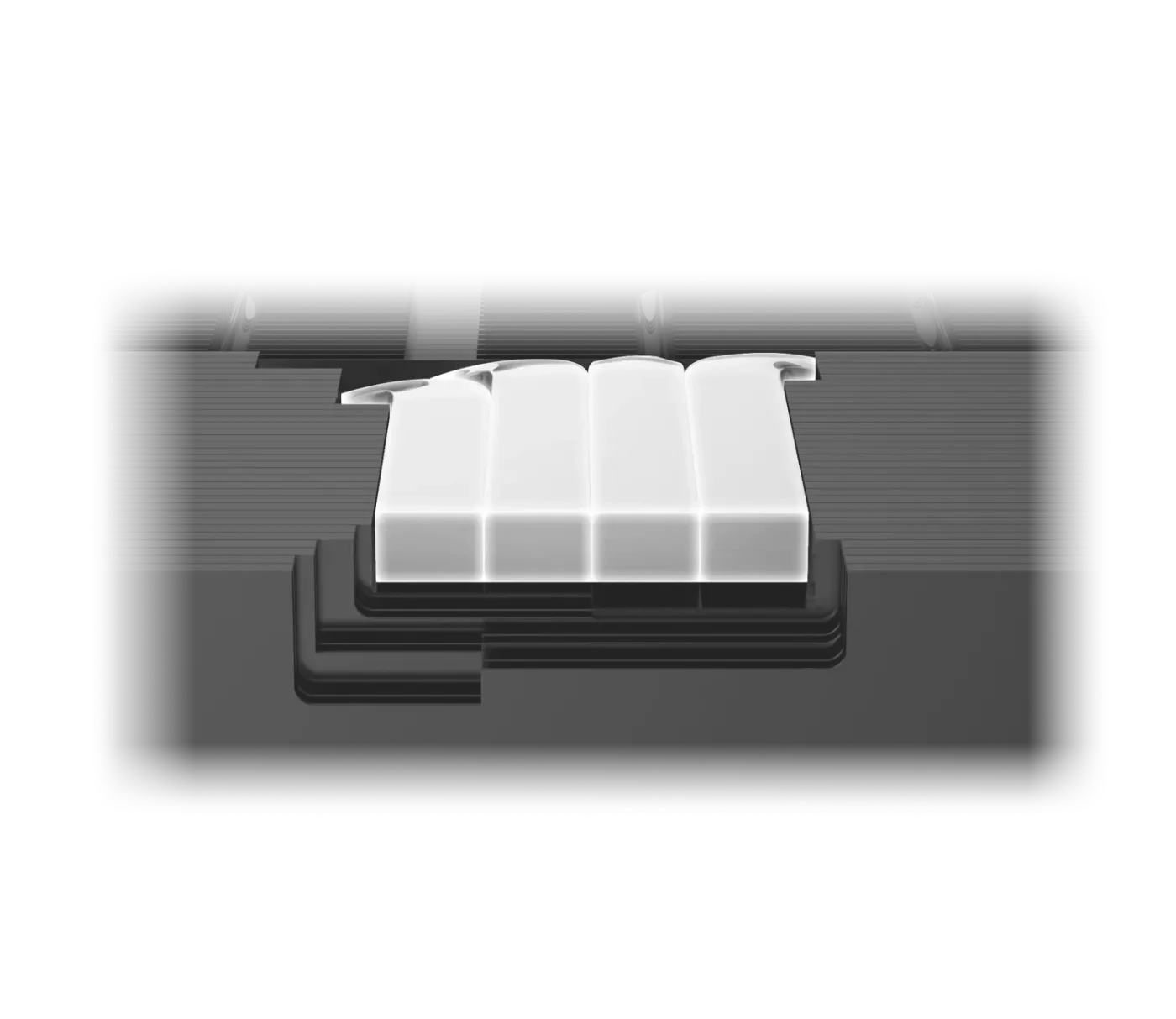
Nickel-Plated Copper Baseplate Captures GPU Heat
A solid nickel-plated copper baseplate sits against the GPU and memory modules, pulling heat away quickly and passing it into the core pipes. Copper moves heat faster than aluminium, and the nickel plating protects that surface over the life of the card. This is the first stage of the cooling path, and the one that sets how well everything after it works.
Nickel-Plated Copper Baseplate Captures GPU Heat
A solid nickel-plated copper baseplate sits against the GPU and memory modules, pulling heat away quickly and passing it into the core pipes. Copper moves heat faster than aluminium, and the nickel plating protects that surface over the life of the card. This is the first stage of the cooling path, and the one that sets how well everything after it works.
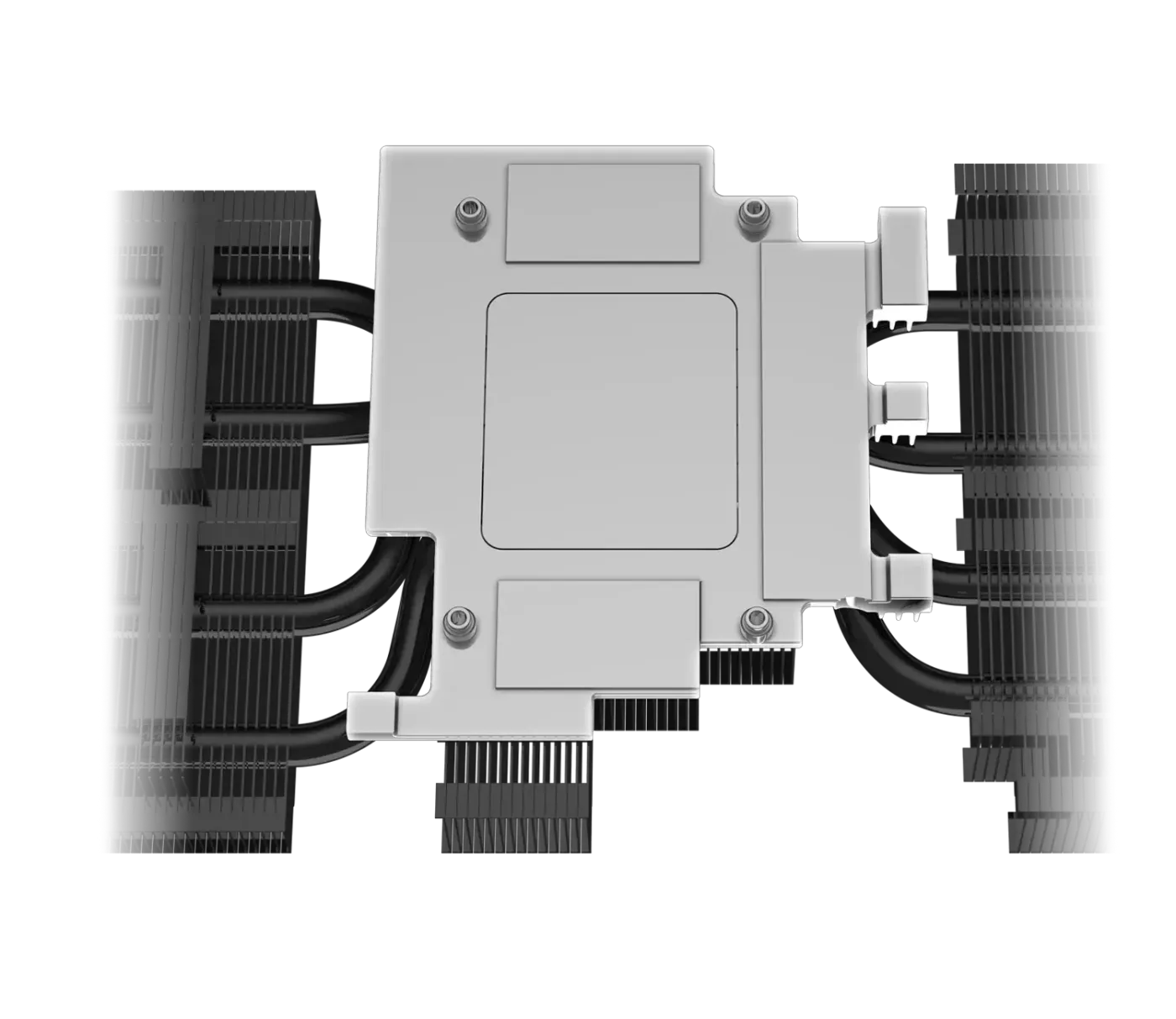
Square-Contact Core Pipes Spread Heat Across The Heatsink
MSI's Core Pipes use a square contact area where they meet the GPU baseplate, maximising the surface touching the heat source. Round pipes touch a flat plate along a line; square pipes touch it across a face. From there the heat is dispersed across the full heatsink rather than concentrating over the GPU.
Square-Contact Core Pipes Spread Heat Across The Heatsink
MSI's Core Pipes use a square contact area where they meet the GPU baseplate, maximising the surface touching the heat source. Round pipes touch a flat plate along a line; square pipes touch it across a face. From there the heat is dispersed across the full heatsink rather than concentrating over the GPU.
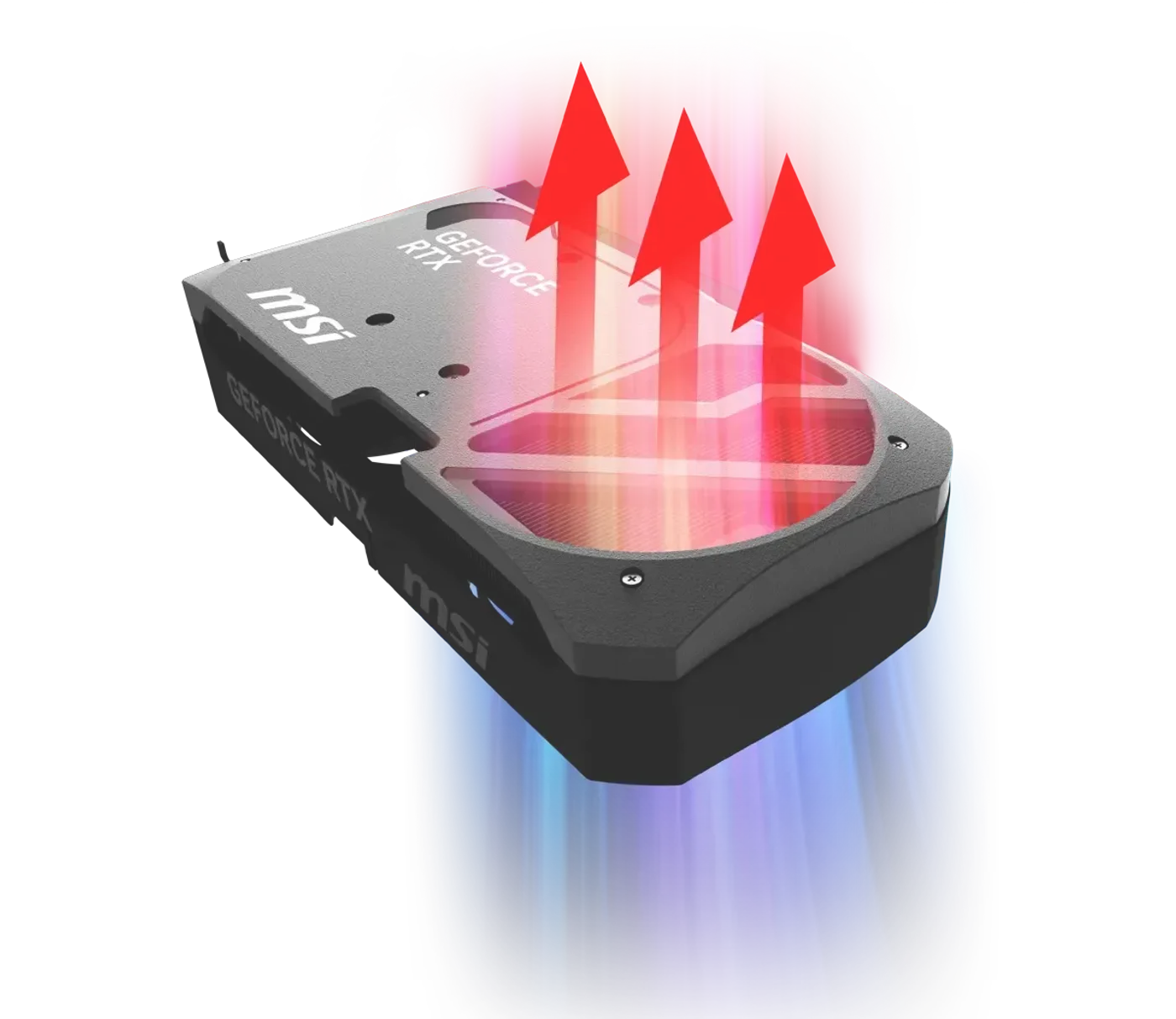
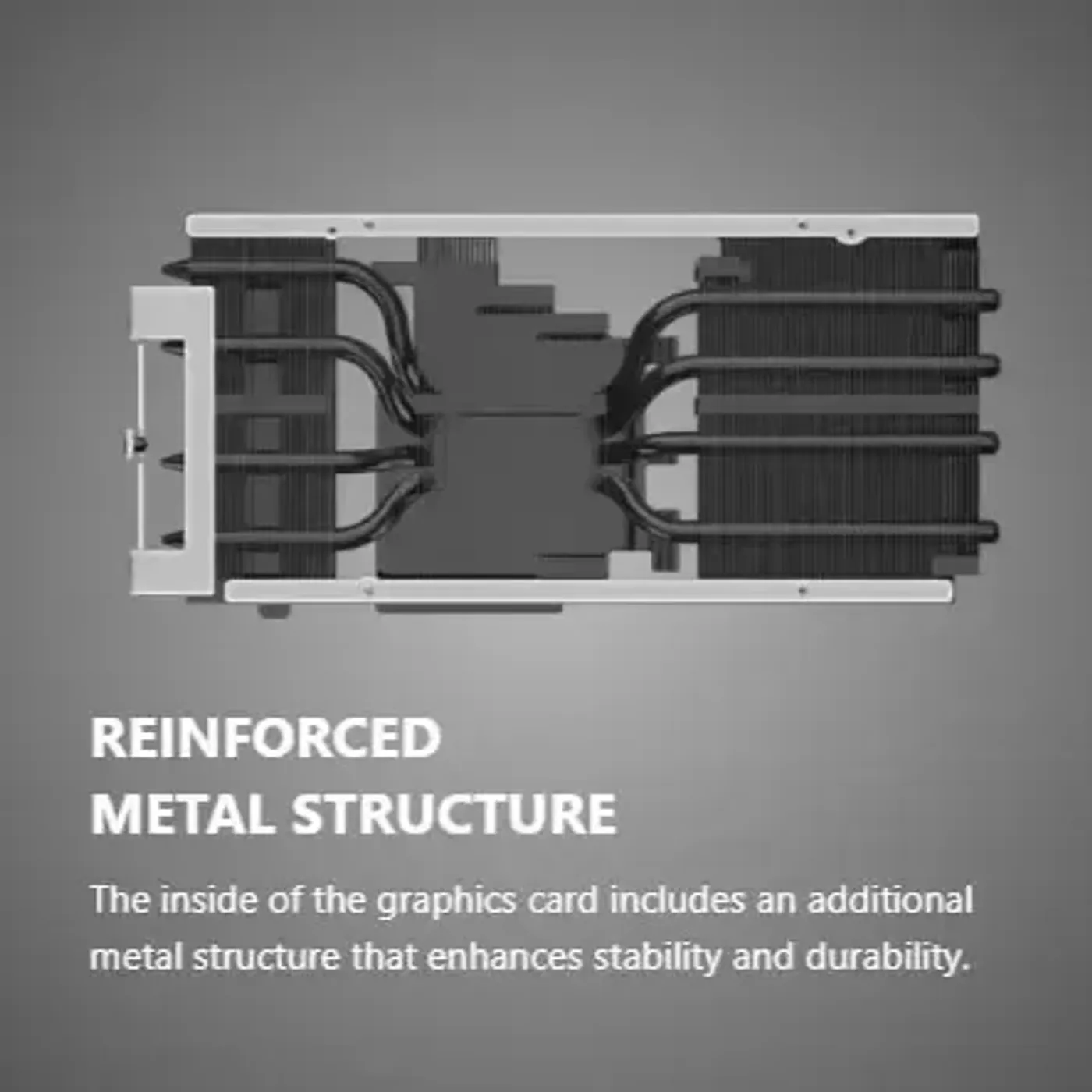
Reinforcing Backplate With An Airflow Vent
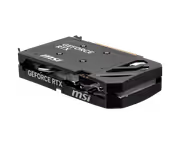
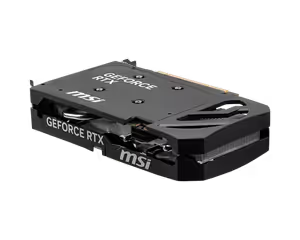
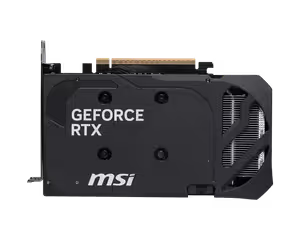
The backplate reinforces the card against flex while carrying an airflow vent that lets exhaust air pass straight through. Without that vent, a solid backplate traps heated air against the rear of the PCB. The reinforcement matters mechanically too, since a long card supported only at the bracket will sag over time.
Reinforcing Backplate With An Airflow Vent
The backplate reinforces the card against flex while carrying an airflow vent that lets exhaust air pass straight through. Without that vent, a solid backplate traps heated air against the rear of the PCB. The reinforcement matters mechanically too, since a long card supported only at the bracket will sag over time.
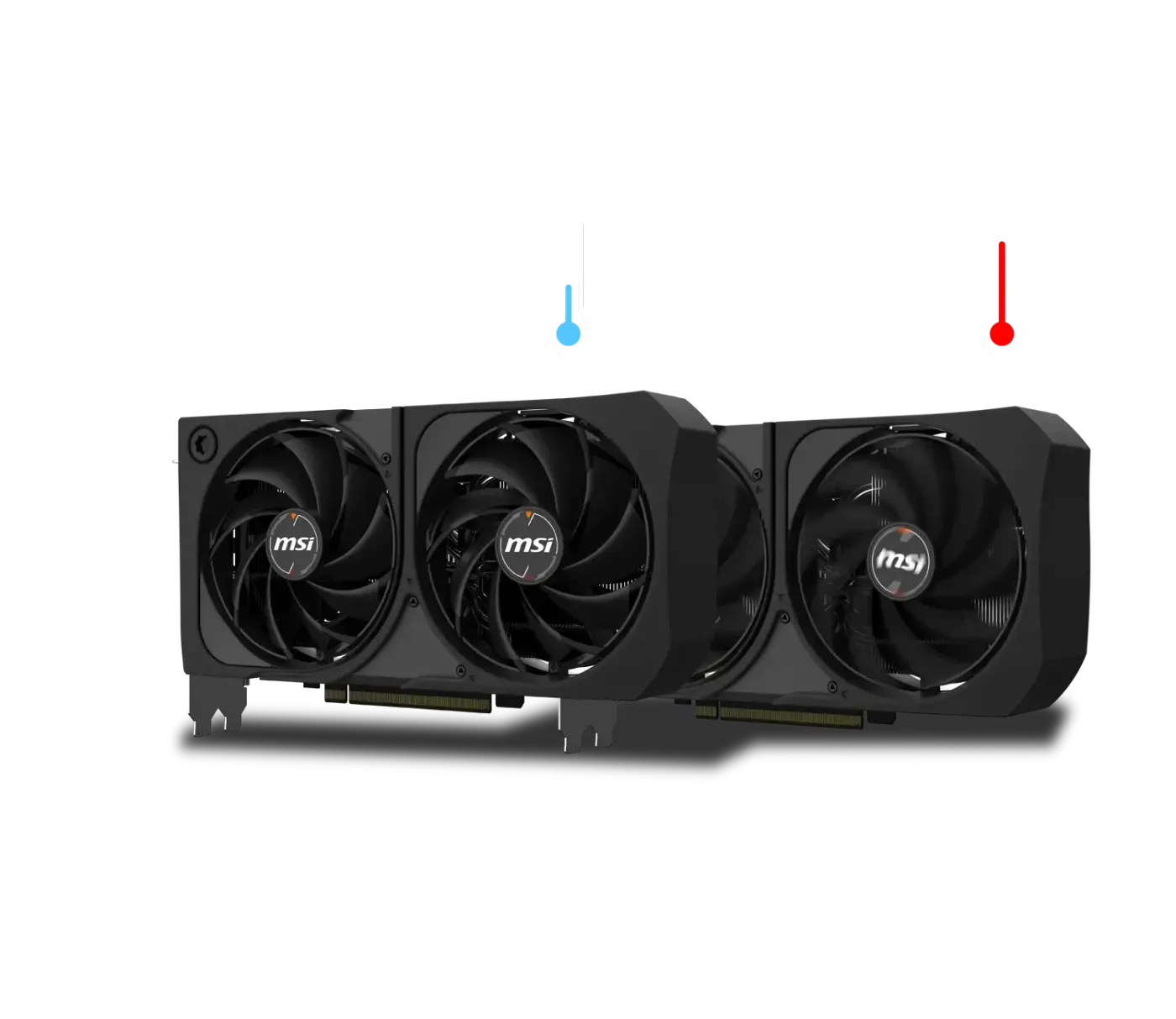
Zero Frozr Stops The Fans When Idle
Zero Frozr stops the fans completely when temperatures are low, so the card makes no noise at all while you are browsing or working. They start spinning again automatically once gaming loads the GPU. For a desktop that is on all day and gaming for part of it, that is silence for most of the machine's running hours.
Zero Frozr Stops The Fans When Idle
Zero Frozr stops the fans completely when temperatures are low, so the card makes no noise at all while you are browsing or working. They start spinning again automatically once gaming loads the GPU. For a desktop that is on all day and gaming for part of it, that is silence for most of the machine's running hours.
Suits Compact PCs And Quiet Work Environments
The dual-fan Shadow 2X cooler holds temperatures down with minimal noise, which makes the card a fit for compact PCs and quiet work environments. A two-fan card is physically shorter than a triple-fan design, so it clears cases that a larger card would not. Reliable operation without overheating is the point rather than the maximum possible cooler.
Suits Compact PCs And Quiet Work Environments
The dual-fan Shadow 2X cooler holds temperatures down with minimal noise, which makes the card a fit for compact PCs and quiet work environments. A two-fan card is physically shorter than a triple-fan design, so it clears cases that a larger card would not. Reliable operation without overheating is the point rather than the maximum possible cooler.
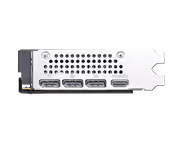
Three DisplayPort 2.1b Outputs And One HDMI
Display connectivity runs to three DisplayPort 2.1b outputs and a single HDMI port, so a multi-monitor setup connects without adapters. DisplayPort 2.1b is the current revision and carries the bandwidth for high-refresh, high-resolution panels. Four outputs in total covers a triple-monitor desk plus a television or capture device.
Three DisplayPort 2.1b Outputs And One HDMI
Display connectivity runs to three DisplayPort 2.1b outputs and a single HDMI port, so a multi-monitor setup connects without adapters. DisplayPort 2.1b is the current revision and carries the bandwidth for high-refresh, high-resolution panels. Four outputs in total covers a triple-monitor desk plus a television or capture device.
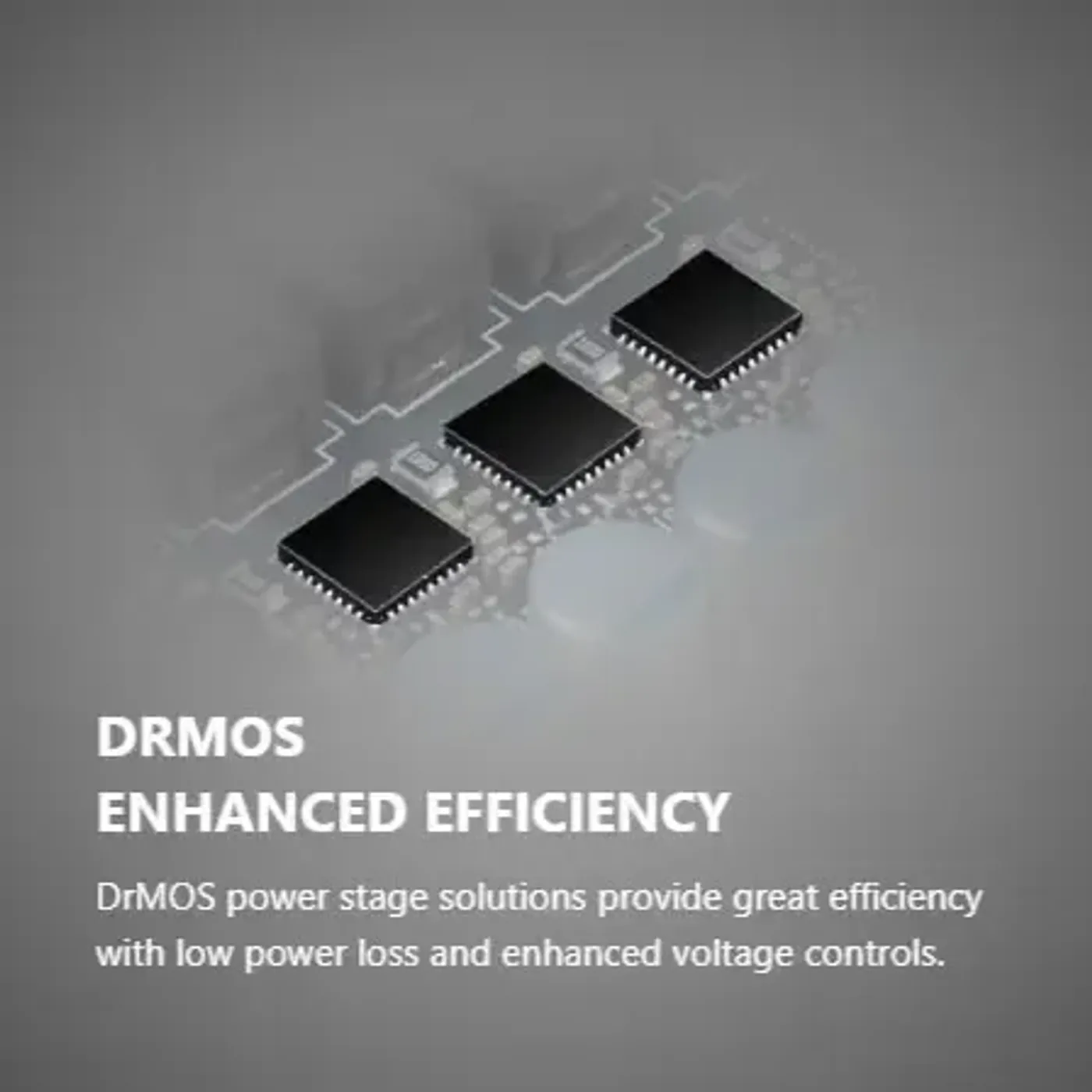
Handles Competitive Esports And Video Editing
MSI positions the card for both competitive esports and professional video editing, two workloads that stress a GPU in different ways. Esports wants sustained high frame rates at modest settings; editing wants stable throughput through long export runs. The card is specified to perform reliably in either without overheating.
Handles Competitive Esports And Video Editing
MSI positions the card for both competitive esports and professional video editing, two workloads that stress a GPU in different ways. Esports wants sustained high frame rates at modest settings; editing wants stable throughput through long export runs. The card is specified to perform reliably in either without overheating.
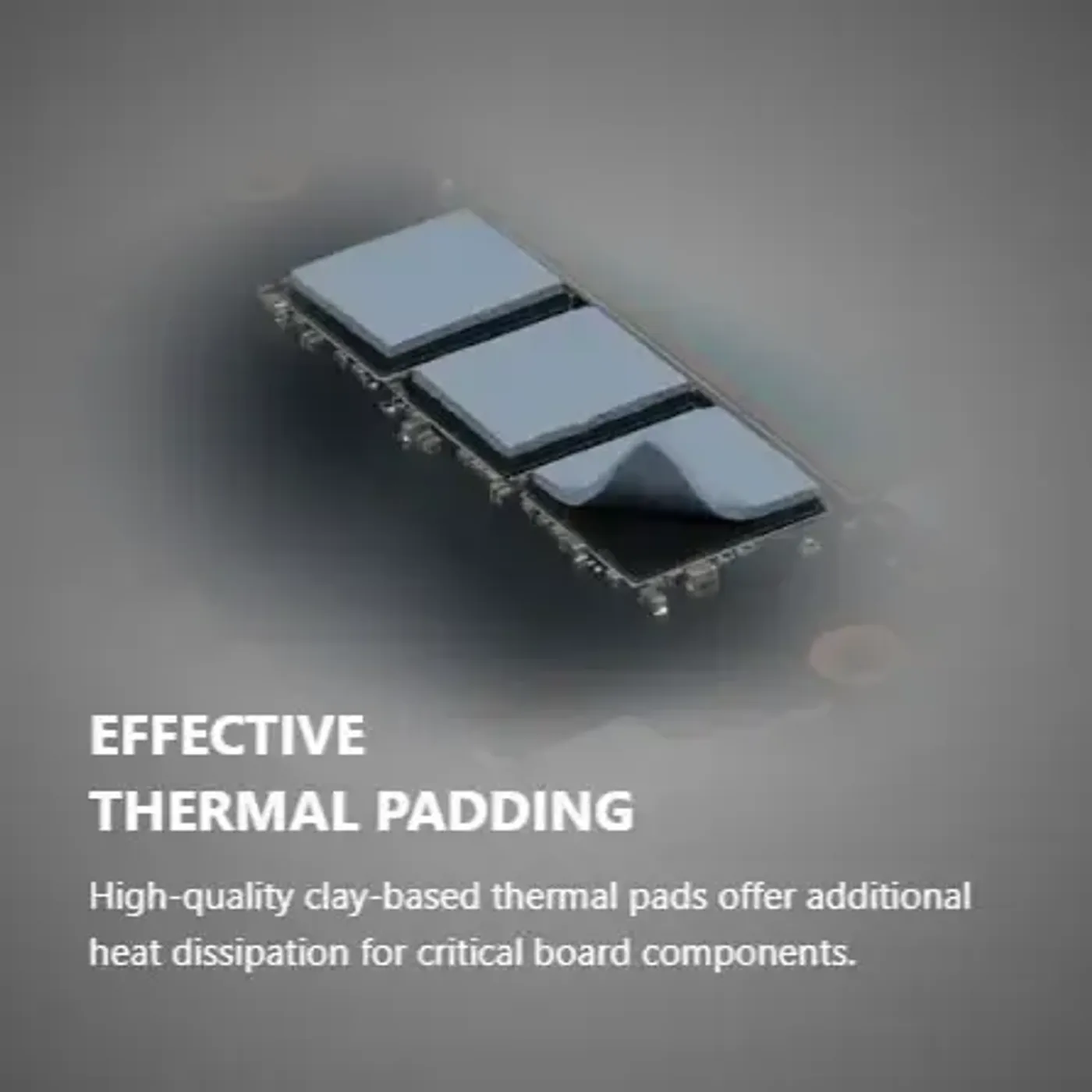
Built For Streaming And Content Creation
Alongside gaming, the card is specified for streaming and content creation, handling the latest AAA titles and creative software on the same machine. Encoding a stream while a game runs is the case where a GPU has to do two jobs at once. The 8GB GDDR7 frame buffer and 2535 MHz clock are what give it room to do that.
Built For Streaming And Content Creation
Alongside gaming, the card is specified for streaming and content creation, handling the latest AAA titles and creative software on the same machine. Encoding a stream while a game runs is the case where a GPU has to do two jobs at once. The 8GB GDDR7 frame buffer and 2535 MHz clock are what give it room to do that.
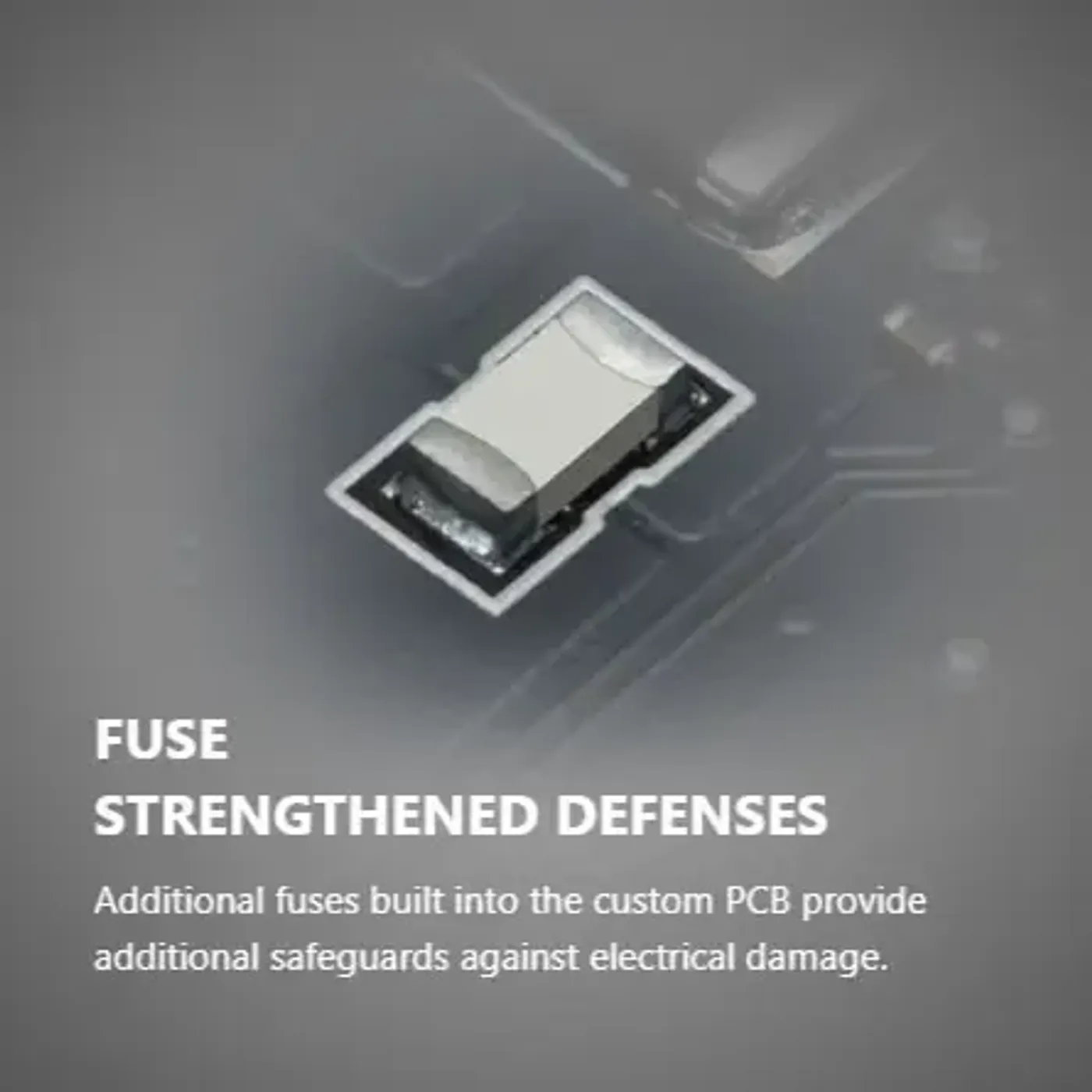
MSI Center With AI Tuning For Real-Time Control
MSI Center is the software layer for monitoring, fine-tuning and adjusting performance in real time across MSI products. Its AI Tuning feature adapts the setup to what a given game asks for rather than holding one fixed profile. Everything is handled in a few clicks instead of through the BIOS.
MSI Center With AI Tuning For Real-Time Control
MSI Center is the software layer for monitoring, fine-tuning and adjusting performance in real time across MSI products. Its AI Tuning feature adapts the setup to what a given game asks for rather than holding one fixed profile. Everything is handled in a few clicks instead of through the BIOS.

MSI Afterburner For Overclocking And Monitoring
MSI Afterburner is the company's overclocking utility, giving full control over clocks and fan curves plus real-time system monitoring. It is recognised well beyond MSI's own hardware and works with most graphics cards, not only this one. Its on-screen display is also the usual way people track frame rates and temperatures while playing.
MSI Afterburner For Overclocking And Monitoring
MSI Afterburner is the company's overclocking utility, giving full control over clocks and fan curves plus real-time system monitoring. It is recognised well beyond MSI's own hardware and works with most graphics cards, not only this one. Its on-screen display is also the usual way people track frame rates and temperatures while playing.

MSI APP Player Runs Mobile Games On Your PC
MSI APP Player is built in partnership with BlueStacks and runs mobile titles on the PC, bridging the two libraries into one setup. For anyone who plays the same game on a phone and at a desk, it removes the need to switch devices. It is supplied as part of MSI's software package alongside MSI Center and Afterburner.
MSI APP Player Runs Mobile Games On Your PC
MSI APP Player is built in partnership with BlueStacks and runs mobile titles on the PC, bridging the two libraries into one setup. For anyone who plays the same game on a phone and at a desk, it removes the need to switch devices. It is supplied as part of MSI's software package alongside MSI Center and Afterburner.

Aimed At Gamers, Students And Digital Creators
MSI positions the RTX 5060 Shadow 2X OC for gamers, students and digital creators who want current-generation features in a card that fits a normal desktop. It covers gaming, streaming and creative work from one component rather than forcing a choice between them. The dual-fan build keeps that within a size and noise level a shared room can live with.
Aimed At Gamers, Students And Digital Creators
MSI positions the RTX 5060 Shadow 2X OC for gamers, students and digital creators who want current-generation features in a card that fits a normal desktop. It covers gaming, streaming and creative work from one component rather than forcing a choice between them. The dual-fan build keeps that within a size and noise level a shared room can live with.
FAQ
Frequently Asked Questions
Everything you need to know about this product
It carries 8GB of GDDR7 memory on a 128-bit memory interface.
The MSI GeForce RTX 5060 Shadow 2X OC has 3840 CUDA cores.
MSI lists an extreme performance boost clock of 2535 MHz for this OC model.
The GDDR7 memory runs at 28 Gbps.
Three DisplayPort 2.1b outputs and one HDMI port.
MSI targets top-tier 1080p and 1440p gaming with this card.
Two TORX FAN 5.0 fans sit over a large heatsink in the Shadow 2X design.
Ring arcs link three sets of 22-degree-tilted blades, increasing airflow by 23 percent compared with axial fans.
Yes. Zero Frozr stops the fans completely at low temperatures and restarts them automatically under load.
A nickel-plated copper baseplate feeds square-contact Core Pipes, which spread heat across the heatsink.
Yes. A reinforcing backplate with an airflow vent lets exhaust air pass directly through.
MSI Center with AI Tuning, MSI Afterburner for overclocking and monitoring, and MSI APP Player built with BlueStacks.

AI-Generated Content:These FAQs are generated by an automated AI system and may contain inaccuracies or omissions. Evetech makes no warranties, express or implied, regarding their completeness or reliability. For definitive information, please refer to the manufacturer's official specifications.
Please Note: Product images are for illustrative purposes only and may differ from the actual product.
Choose your
own PC
Hand-pick every part with live stock, compatibility, and instant pricing.
Try the new builderPrice Inc. Vat
R 8,499
Save R 1,500
ListR 9,999
8499Free Delivery
Qty:
In Stock with Evetech
Choose your
own PC
Hand-pick every part with live stock, compatibility, and instant pricing.
Try the new builderMSI GeForce RTX 5060 8GB Shadow 2X OC Graphics Card