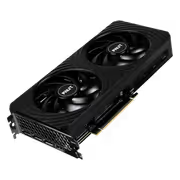
palit-geforce-rtx-5060-ti-dual-8gb-gddr7-pcie-gen-5
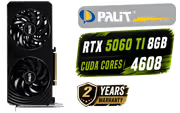
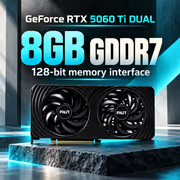
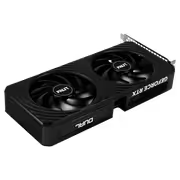
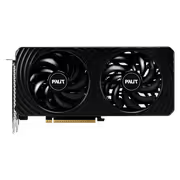
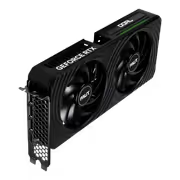
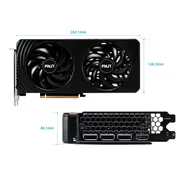
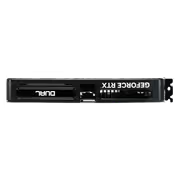
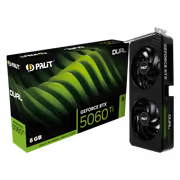
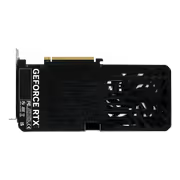
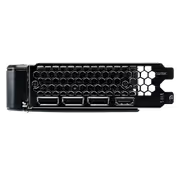
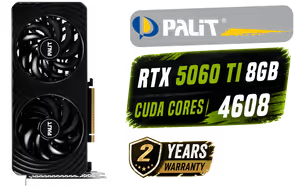
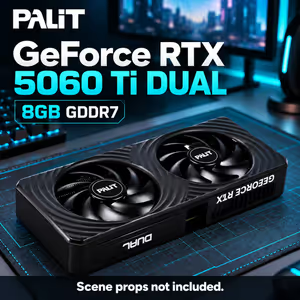
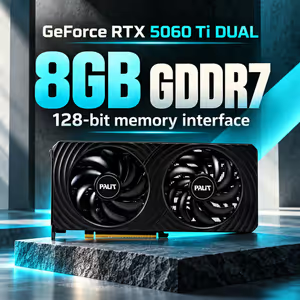
Palit GeForce RTX 5060 Ti DUAL 8GB Graphics Card / 8GB GDDR7 / 4608 Cuda Cores / 128-bit Memory Interface / Boost Clock : 2573 MHz / 28Gbps Memory Speed / PCI Express® Gen 5 / NE7506T019P1-GB2062D + FREE DELIVERY !
2 Years Local Warranty
Model No : Palit NE7506T019P1-GB2062D
Price Inc. Vat
R 10,499
Save R 1,000
ListR 11,499
10499Free Delivery
Qty:
In Stock with Evetech
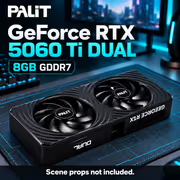
Palit GeForce RTX 5060 Ti DUAL 8GB PCIe Gen 5
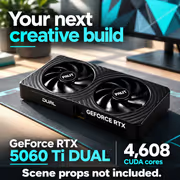
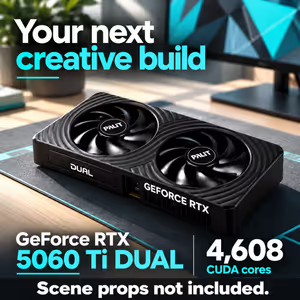
4608 CUDA Cores And 8GB GDDR7
The Palit GeForce RTX 5060 Ti DUAL 8GB combines 8GB of fast GDDR7 memory with 4608 CUDA cores, a 2573 MHz boost clock and a 128-bit memory interface running at 28Gbps. That configuration handles most current games comfortably, and the GDDR7 memory is what keeps detailed textures loading quickly instead of stalling the frame in a busy scene.
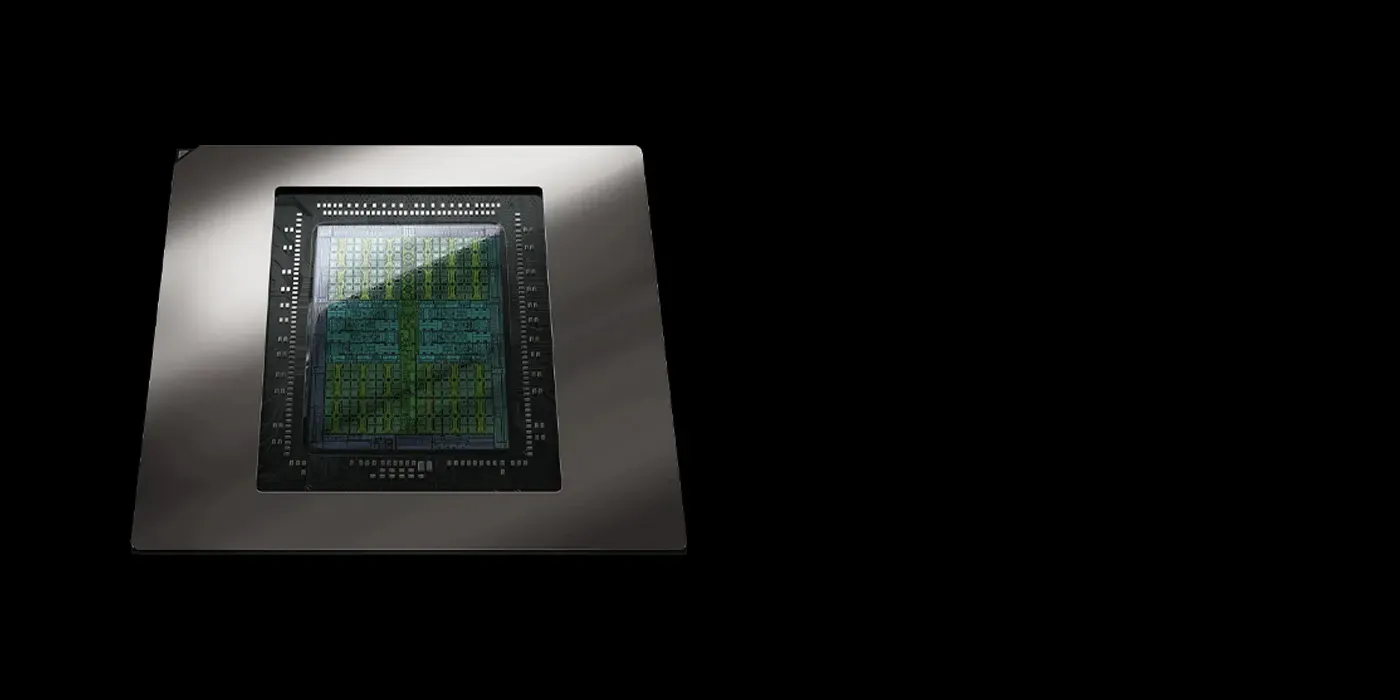
NVIDIA Blackwell Architecture With FP4 Precision
Blackwell gives the RTX 5060 Ti fifth-generation Tensor Cores at FP4 precision, streaming multiprocessors optimised for neural shading, and fourth-generation ray tracing cores that render complex Mega Geometry scenes. All three move forward together, so AI acceleration, shader efficiency and ray-traced lighting improve in the same generation rather than one being traded against another.

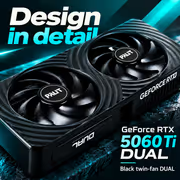
Dual Fan Cooling On PCI Express Gen 5
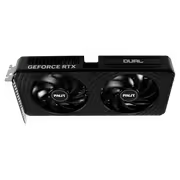
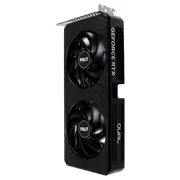
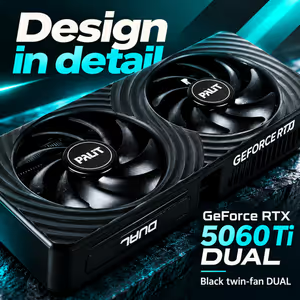
The dual fan cooling system keeps the card cool during long play sessions, which protects the boost clock instead of letting it drop away as heat builds up inside a closed chassis. The RTX 5060 Ti DUAL is built on PCI Express Gen 5, so it connects quickly to a current motherboard without the interface constraining what the GPU can be fed.

DLSS 4 With Multi Frame Generation
NVIDIA DLSS 4 with Multi Frame Generation uses AI to make games look better and run faster, generating additional frames on the Tensor Cores rather than rendering each one conventionally. That is the single largest performance lever on this card, and it applies at exactly the settings where an 8GB GPU would otherwise start to struggle.

NVIDIA Reflex 2 With Frame Warp
NVIDIA Reflex 2 with Frame Warp minimises input lag, shortening the delay between a mouse movement and the frame that reflects it. It is tailored for esports performance and quick reactions, where frame rates are already high and the remaining gain comes from trimming the render queue rather than adding more frames per second.

Ray Tracing With Neural Rendering
Ray tracing makes lighting and shadows in games look far closer to reality by following light through the scene, and advanced neural rendering technology adds detail the traditional pipeline cannot produce. The effect is most visible on reflective and translucent surfaces and in indirect light, where rasterised approximations have always fallen short.

NVIDIA ACE Digital Humans And Assistance
NVIDIA ACE technology drives digital humans and assistance systems on the graphics card itself, powering game characters that respond conversationally and desktop assistants that answer without a server round trip. It is a Tensor Core workload, so it runs on hardware the RTX 5060 Ti already has instead of needing anything extra installed.

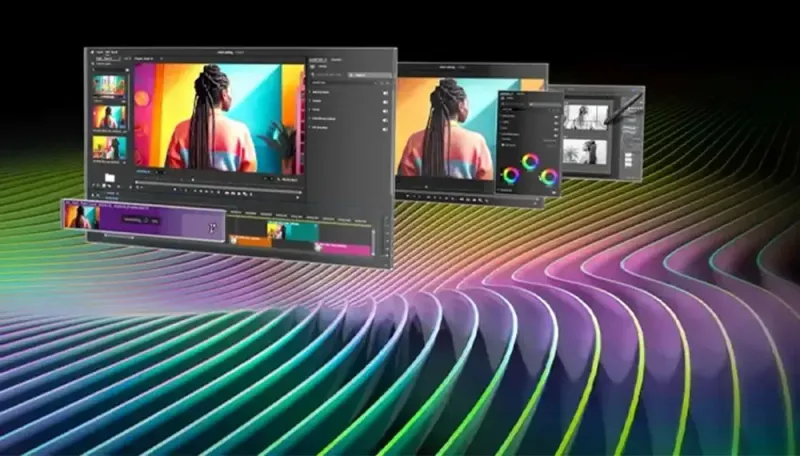
NVIDIA Studio Streamlines Editing And 3D
NVIDIA Studio provides optimised creative software acceleration to streamline video editing and 3D production workflows, shifting the demanding stages of a project onto the GPU. Timeline scrubbing, effect previews and final export are where creative time is actually spent, and those are the operations Studio acceleration is aimed at.

Ninth-Generation Encoder With NVIDIA Broadcast
NVIDIA Broadcast improves streaming clarity, and the advanced ninth-generation encoder built into the card handles compression for professional video output. Because encoding runs on dedicated silicon rather than the processor, streaming and playing on the same machine costs far less game performance than a software encoder would take from the CPU.
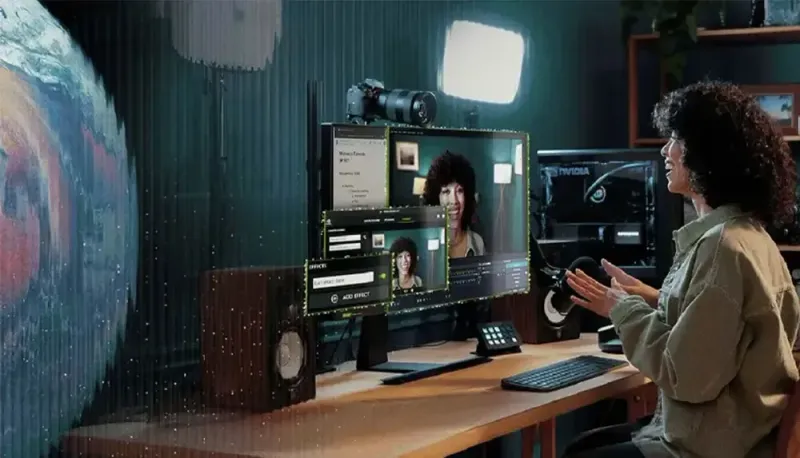
Frequent Game Ready And Studio Drivers
NVIDIA releases Game Ready and Studio driver updates frequently, keeping the RTX 5060 Ti stable and tuned across gaming and creative work alike. Ongoing driver support determines how well a card performs a year after it goes into a system, and it is where compatibility issues with new engines are resolved.
G-SYNC Adaptive Sync For Tear-Free Play
NVIDIA G-SYNC adaptive sync technology synchronises the display to the frame rate the card is producing, giving lag-free gameplay with no tearing. It matters most in the frame rate range this card occupies, where output shifts scene to scene and a fixed-refresh panel turns that variation into visible judder on screen.
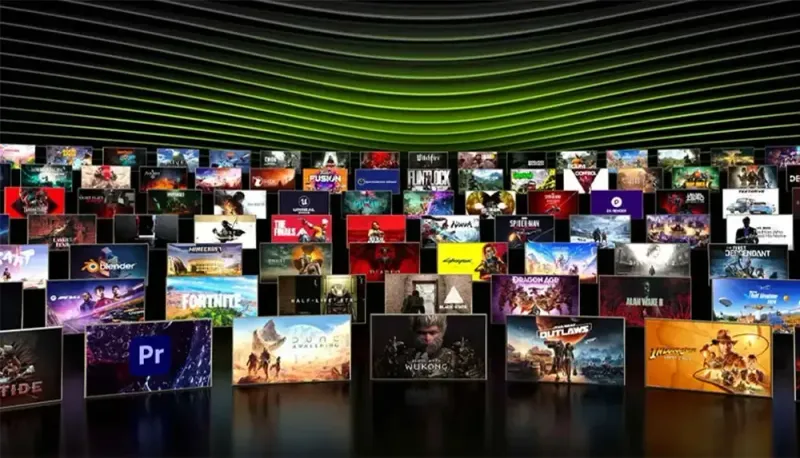
RTX AI Acceleration With Windows Integration
GeForce RTX GPUs bring state-of-the-art AI acceleration with Windows PC integration, so gaming, creative workloads and productivity all draw on the same hardware. Local AI processing removes the wait for a remote service and keeps your data on the machine, which matters more as everyday applications add AI features by default.
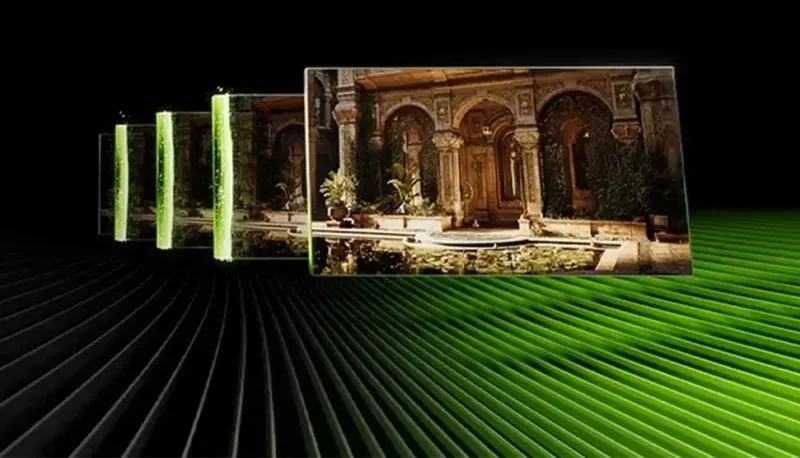
Studio Drivers For Creative Professionals
NVIDIA Studio accelerates video editing, 3D rendering and design on GeForce RTX 50 Series GPUs, with RTX acceleration and reliable Studio drivers behind it. The Studio branch changes less often than the gaming drivers and is validated harder against professional applications, which is the trade you want on a machine used for paid work.
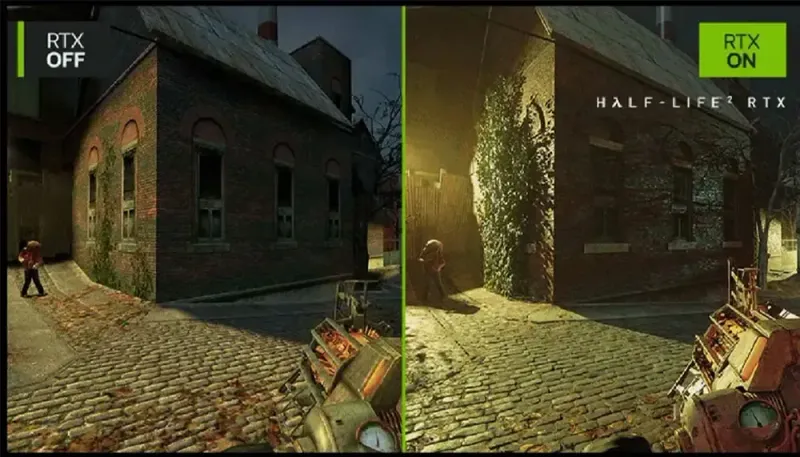
Over 700 RTX-Enabled Titles Supported
RTX ray tracing and neural rendering reach more than 700 RTX-enabled titles, a large share of them with DLSS Multi Frame Generation available as well. Library breadth is what converts a feature list into practical benefit, because it decides whether the card's headline capabilities appear in the games already sitting in your library.
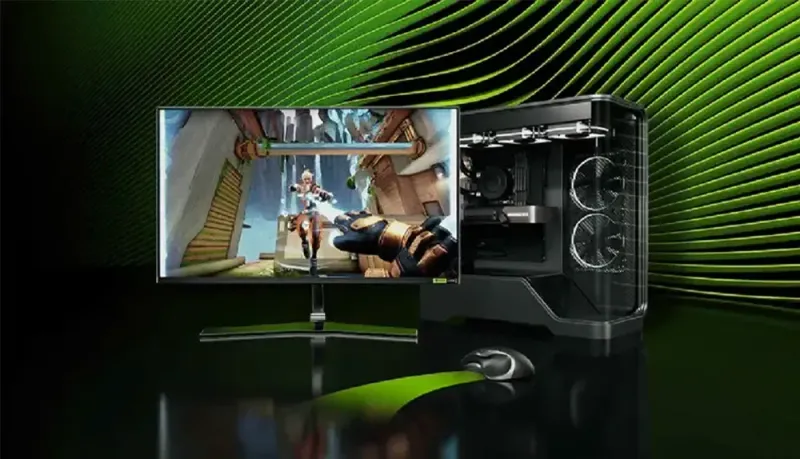
DLSS 4 Super Resolution And Ray Reconstruction
DLSS 4 uses advanced neural rendering to increase FPS, lower latency and deliver high-resolution visuals through Multi Frame Generation and Ray Reconstruction. Both run on the GeForce RTX 50 Series fifth-generation Tensor Cores, so the reconstruction work happens alongside rendering rather than competing with the shader cores for the same frame time.
FAQ
Frequently Asked Questions
Everything you need to know about this product
It carries 8GB of GDDR7 memory on a 128-bit memory interface.
The RTX 5060 Ti DUAL 8GB has 4608 CUDA cores.
The card boosts to 2573 MHz under load.
Memory speed is rated at 28Gbps across the 128-bit interface.
It is built on PCI Express Gen 5 for fast connectivity with the motherboard.
A dual fan cooling system keeps the GPU cool during long play sessions.
Yes. DLSS 4 with Multi Frame Generation and Ray Reconstruction increases FPS and lowers latency.
Yes. Fourth-generation ray tracing cores render Mega Geometry scenes with lifelike lighting and shadows.
It uses NVIDIA Blackwell architecture with fifth-generation Tensor Cores and FP4 precision.
Yes. NVIDIA Reflex 2 with Frame Warp reduces system lag for better target acquisition and aiming accuracy.
Yes. NVIDIA Broadcast with the ninth-generation encoder handles streaming, and NVIDIA Studio accelerates video editing and 3D production.
More than 700 RTX-enabled titles support ray tracing and neural rendering with DLSS Multi Frame Generation.

AI-Generated Content: These FAQs are generated by an automated AI system and may contain inaccuracies or omissions. Evetech makes no warranties, express or implied, regarding their completeness or reliability. For definitive information, please refer to the manufacturer's official specifications.


Please Note: Product images are for illustrative purposes only and may differ from the actual product.
Choose your
own PC
Hand-pick every part with live stock, compatibility, and instant pricing.
Try the new builderPrice Inc. Vat
R 10,499
Save R 1,000
ListR 11,499
10499Free Delivery
Qty:
In Stock with Evetech
Choose your
own PC
Hand-pick every part with live stock, compatibility, and instant pricing.
Try the new builderPalit GeForce RTX 5060 Ti DUAL 8GB Graphics Card