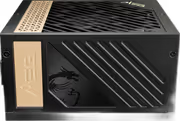
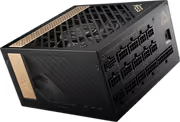
msi-meg-ai1300p-pcie-5-gaming-power-supply-1300w
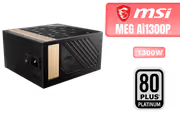
MSI MEG Ai1300P PCIE 5 Gaming Power Supply - 1300W / ATX 3.1 and PCIe 5.1 Ready / Full Modular / 80 Plus Platinum Certified / 306-7ZP4A25-CE0 / 306-7ZP4A25-CE0 + FREE DELIVERY !
7 Years Local Warranty
Model No : MSI 306-7ZP4A25-CE0
Price Inc. Vat
R 6,999
Save R 1,000
ListR 7,999
6999Free Delivery
Qty:
In Stock with Evetech
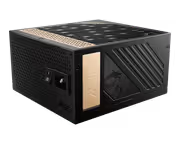
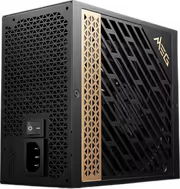
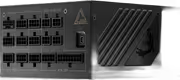
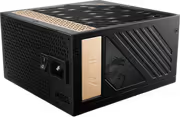
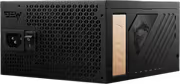
MSI MEG Ai1300P 1300W ATX 3.1 PCIe 5.1 Gaming PSU
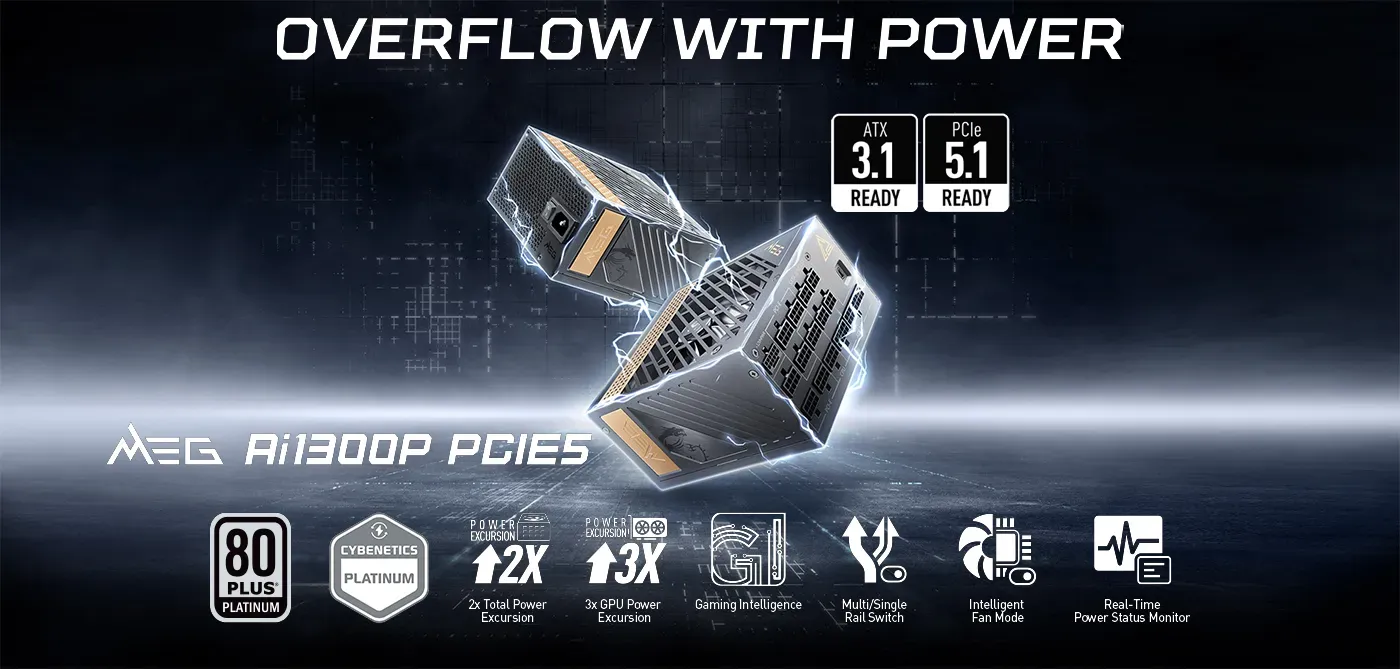
1300W ATX 3.1 Power Supply, Fully Modular
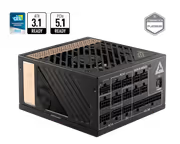
The MSI MEG Ai1300P is a 1300W fully modular power supply built to the ATX 3.1 standard with PCIe 5.1 readiness, so it handles the power excursions modern graphics cards produce. That capacity covers a flagship GPU, a multi-core CPU and several drives at once. An 80 Plus Platinum design keeps efficiency high, which cuts waste heat inside the case.
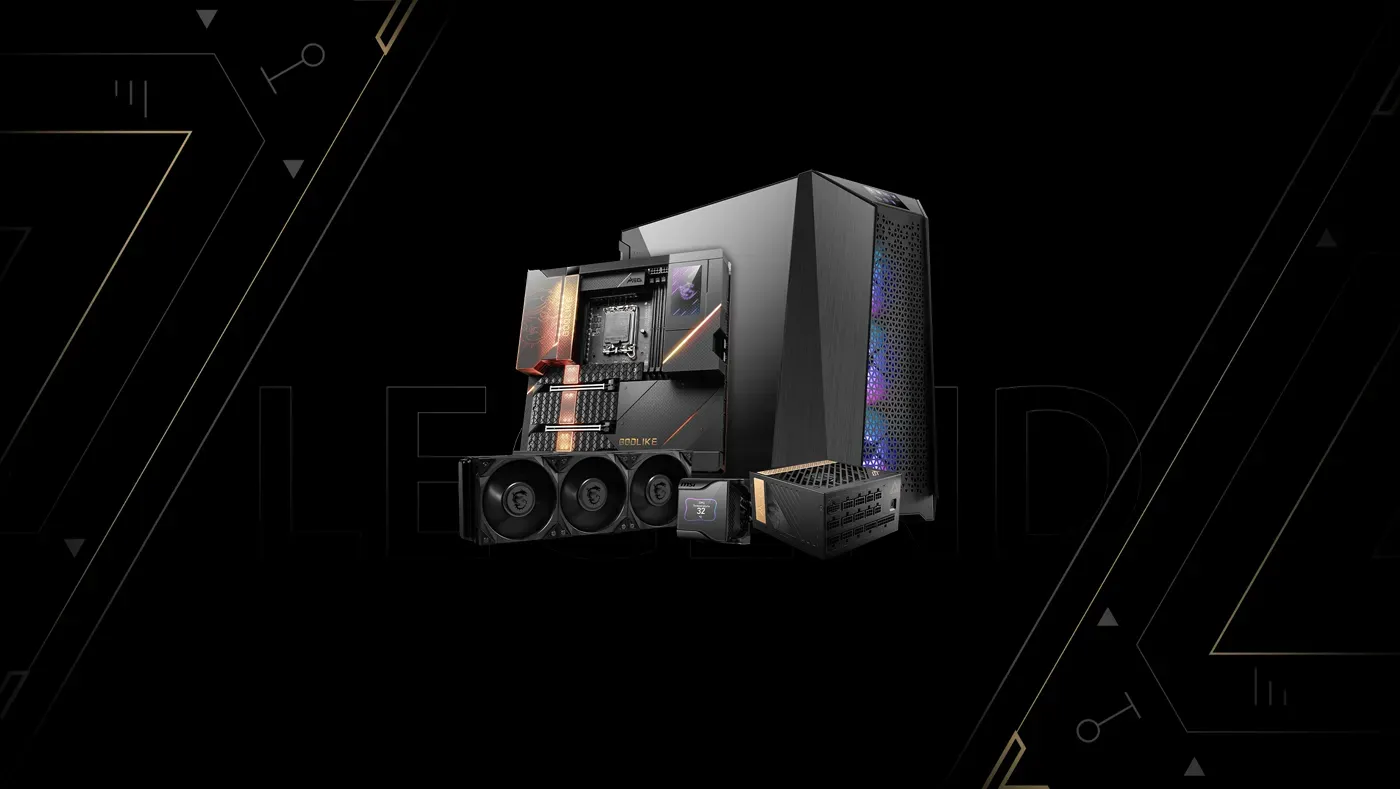
MEG Is MSI's Flagship Component Line
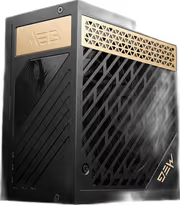
MEG is where MSI puts its premium materials and its more involved engineering, aimed at top-tier gaming systems and professional workflows. The Ai1300P inherits that positioning, which is why the design attention extends past the electrical specification to the chassis, the cables and the finish.
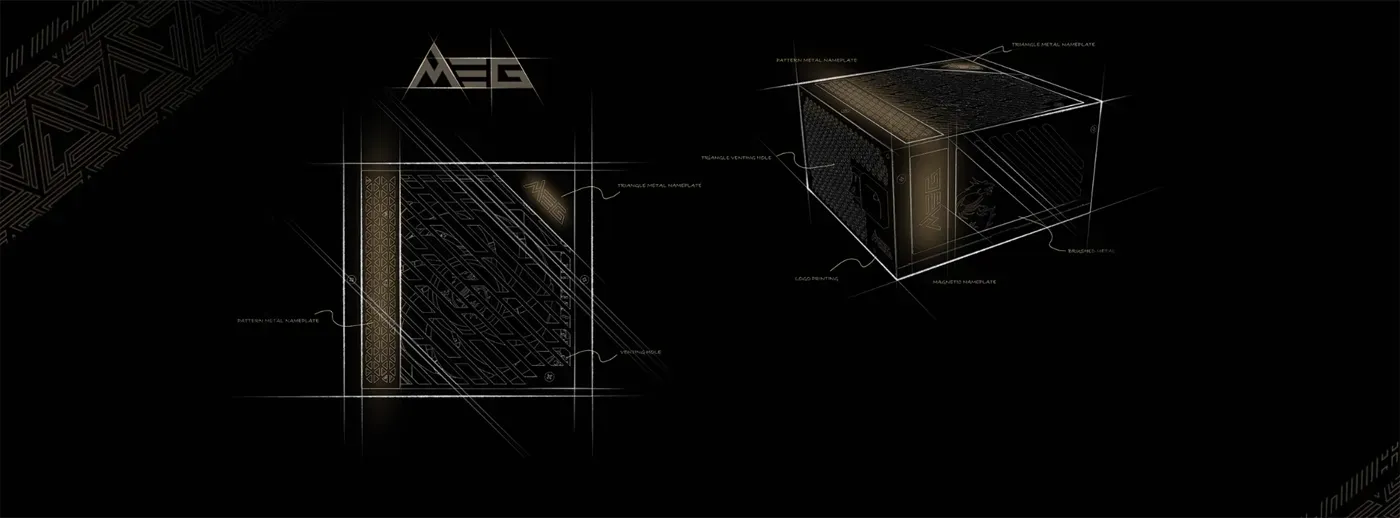
The MEG Triangle And Its Three Pillars
The MEG triangle stands for focused power and precision, and its three sides map to the series' pillars: legendary quality, loyal performance and luxurious design. It is the mark MSI applies to the products at the top of each of its ranges rather than a decorative badge.
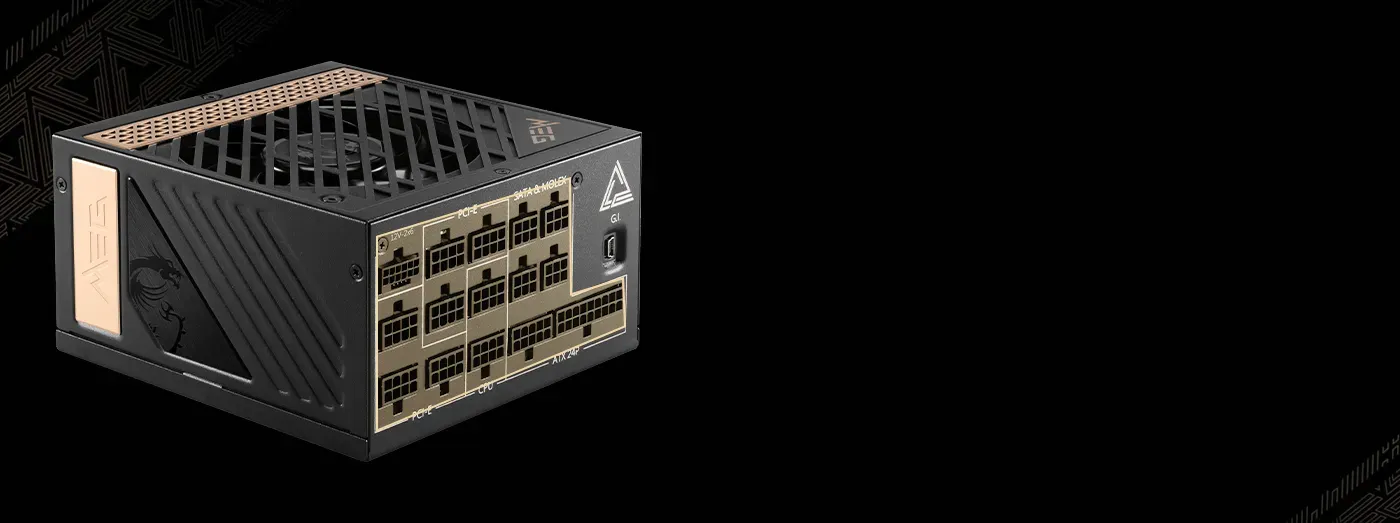
Meets Intel PSDG ATX 3.1 With Native 16-Pin
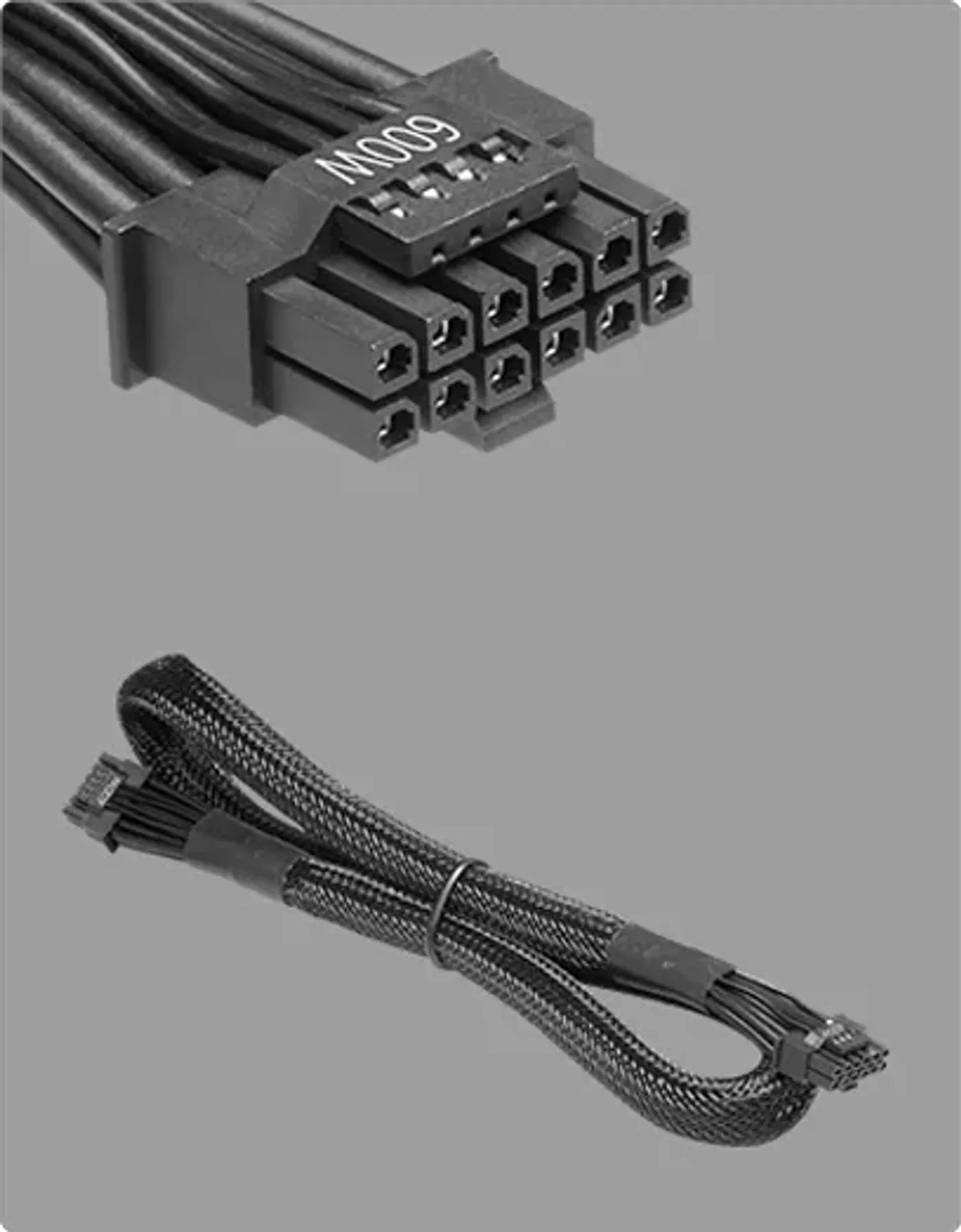
The Ai1300P is engineered to meet the Intel PSDG ATX 3.1 specification, which is the standard that defines how a supply must ride out modern power excursions. It delivers stable current to next-generation GPUs through native 16-pin connections rather than through an adapter stacked on legacy cables.
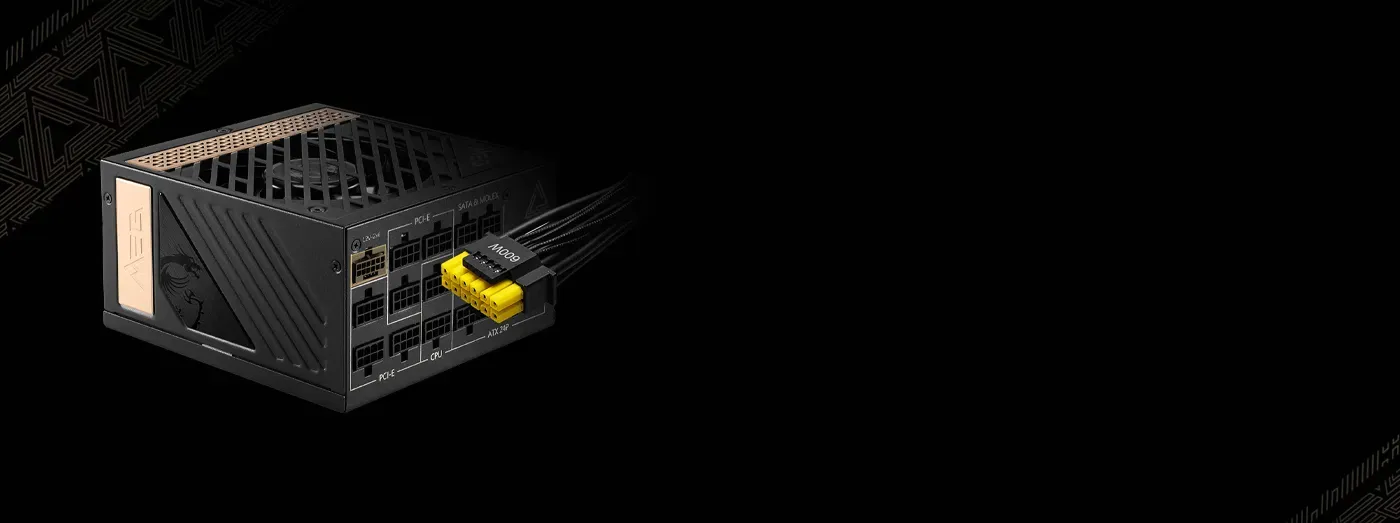
600W To A PCIe 5.1 Graphics Card
The native 16-pin connector delivers up to 600W directly to a PCIe 5.1 graphics card, which covers the NVIDIA GeForce RTX 40 Series and the cards that follow it. Running that power down one purpose-built cable is what removes the multi-connector adapter from the equation.
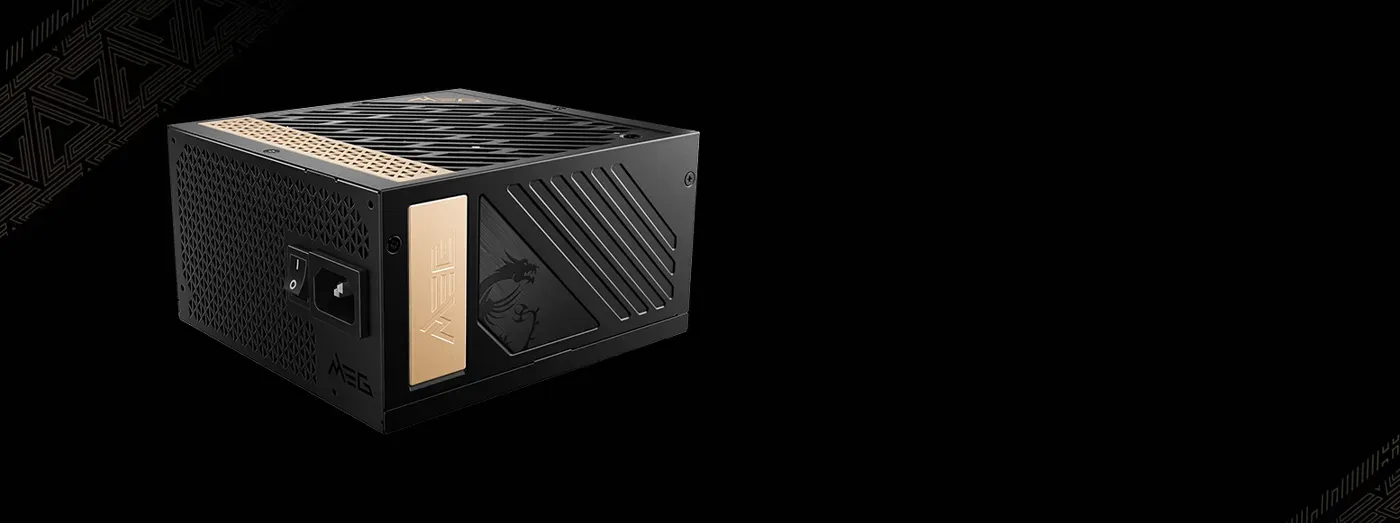
80 Plus Platinum And Cybenetics Rated
The Ai1300P carries high 80 Plus Platinum and Cybenetics ratings, both of which measure how much of the power drawn from the wall reaches your components. Higher efficiency means less waste heat inside the case and lower total draw, and it keeps acoustics under control because there is less heat for the fan to clear.
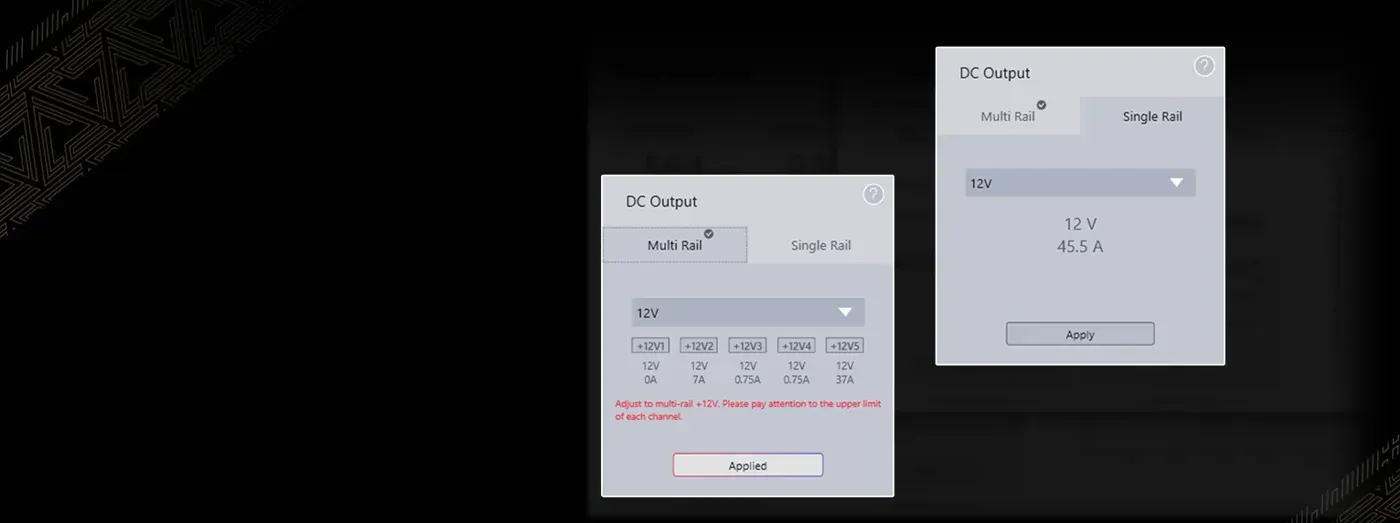
MSI Gaming Intelligence Handles Setup And Status
MSI Gaming Intelligence supplies the controls and status readouts for the Ai1300P, covering setup, monitoring and day-to-day use. A power supply that reports on itself is unusual, and it turns the PSU from a sealed box into a component you can actually observe.
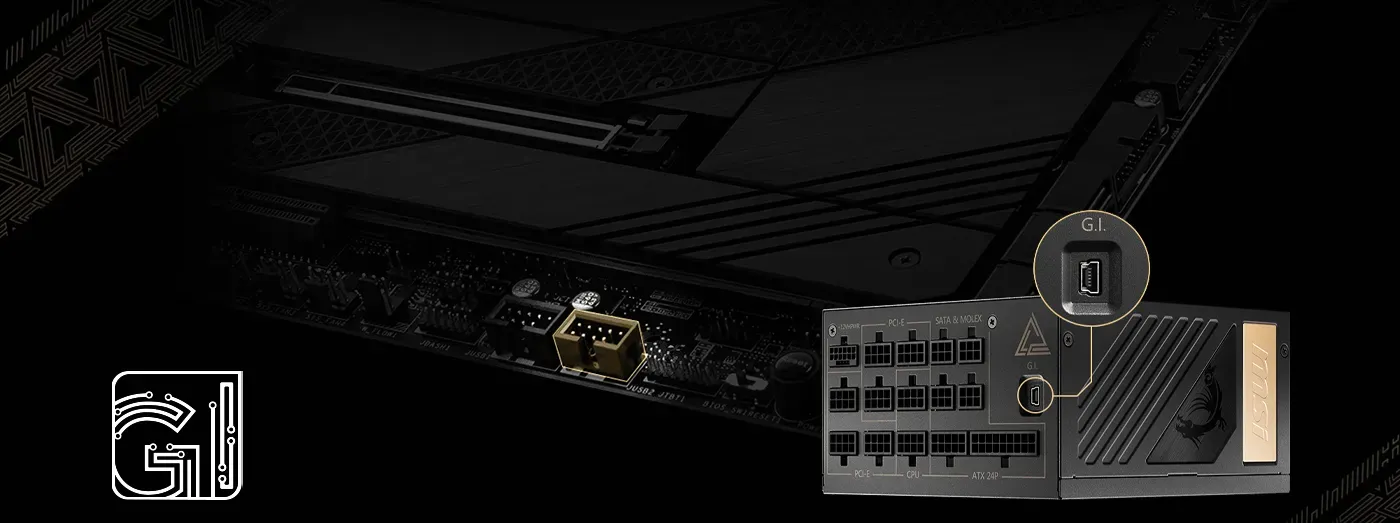
Mini-USB Header Connects To MSI Center
A mini-USB header links the power supply to MSI Center, which is where its settings are adjusted and its real-time information appears. That single cable is what makes the rest of the software features possible, so it is worth connecting during the build rather than after.
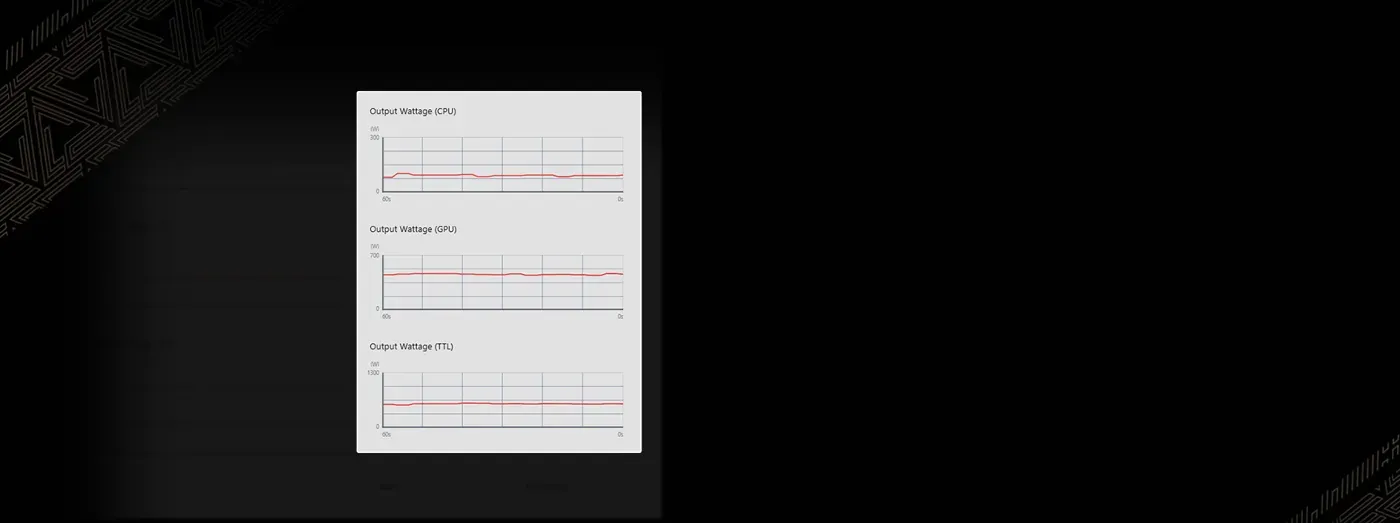
Track GPU, CPU And Total System Wattage
MSI Center reports GPU power usage, CPU power usage and total system wattage from the Ai1300P in real time. Those three figures are what let you diagnose an instability quickly and tune settings against measured draw instead of guesswork.
Track GPU, CPU And Total System Wattage
MSI Center reports GPU power usage, CPU power usage and total system wattage from the Ai1300P in real time. Those three figures are what let you diagnose an instability quickly and tune settings against measured draw instead of guesswork.
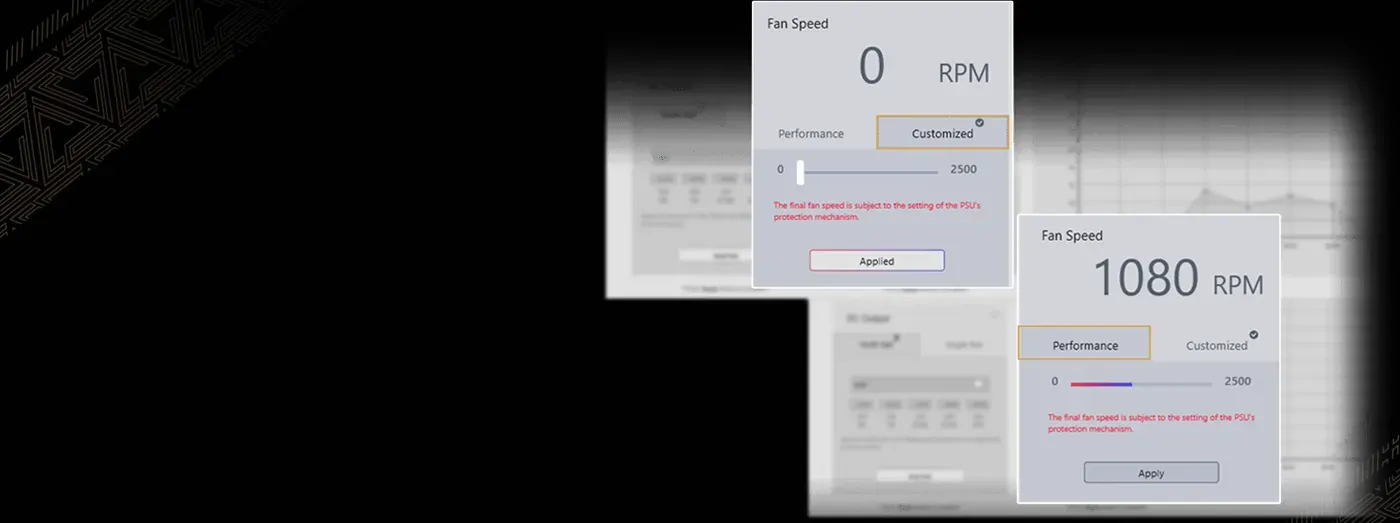
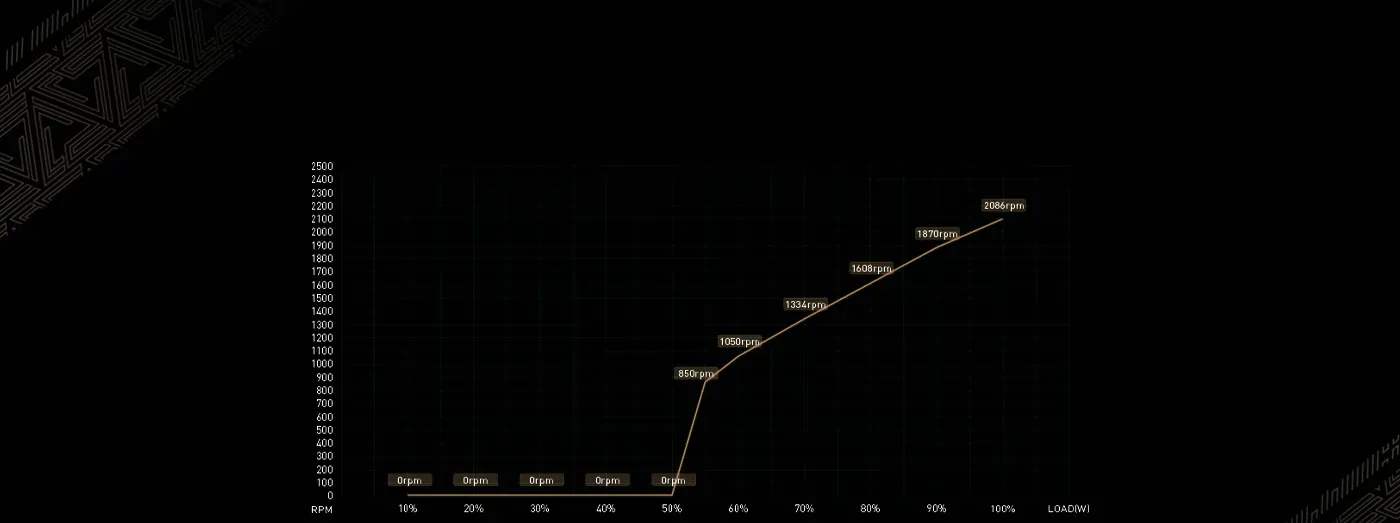
Fan Stops Below 55% Load Or 70°C
Intelligent Fan Mode adjusts the fan to load and temperature, and below roughly 55% load or 70°C it stops altogether for silent operation. When cooling is needed the fan ramps back up smoothly rather than snapping to speed, so the transition is not something you hear.
Performance Mode For Heavy Gaming And Rendering
Performance Mode swaps in a more aggressive cooling curve for sustained heavy gaming or rendering sessions. Keeping component temperatures lower under that kind of continuous load is what holds clocks stable rather than letting them drift down as the session runs on.
Smart Cooling Control Balances Noise And Heat
Automatic fan control sits between the two modes, cutting noise during light workloads and responding quickly when the supply comes under stress. It means the default state does not require you to pick a mode: the Ai1300P reads the load and manages the trade-off itself.
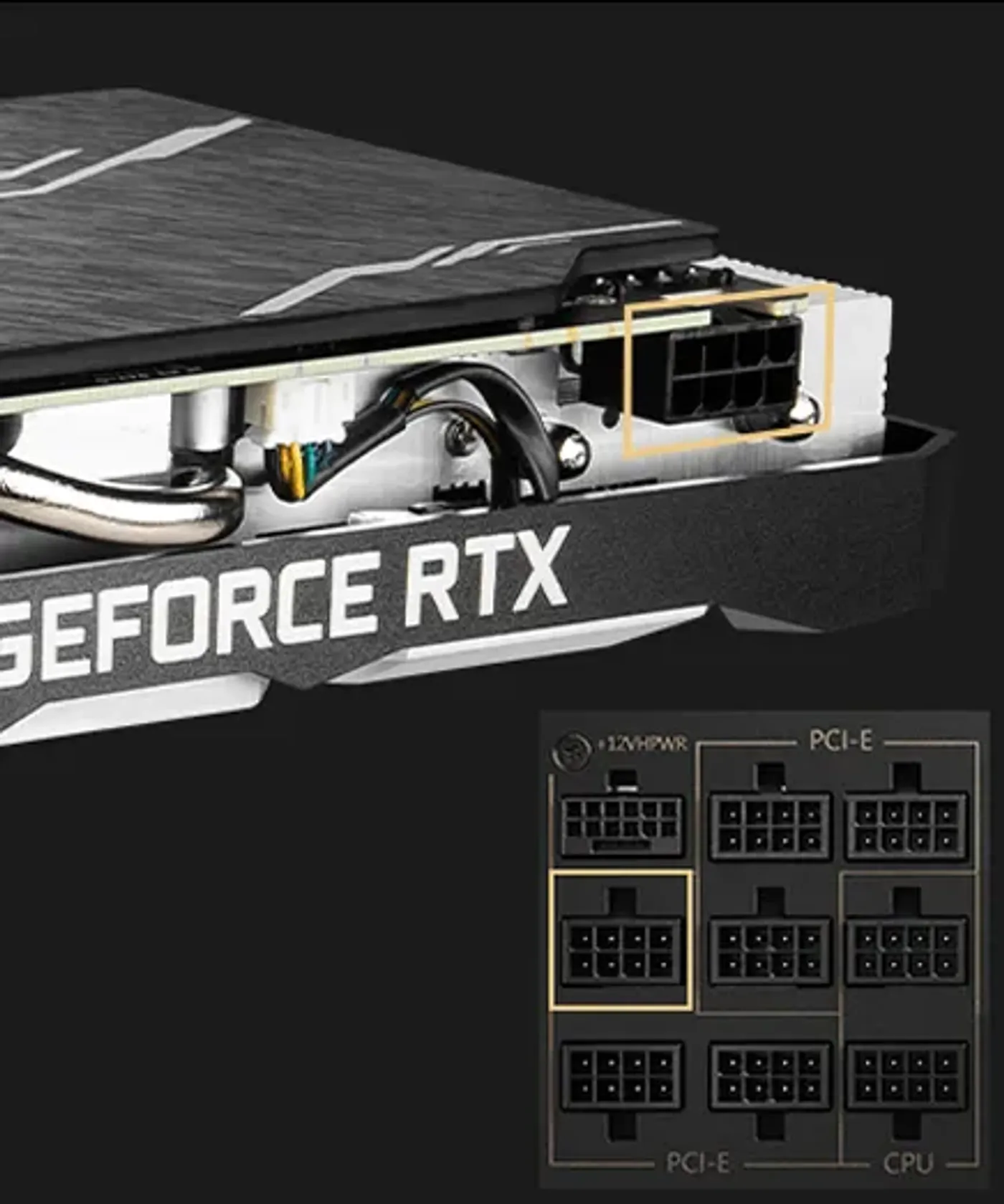
Compatible With Both NVIDIA And AMD GPUs
The Ai1300P works with NVIDIA and AMD graphics cards alike, and the modular I/O lets you pick the connectors that suit the card you are fitting. Different card layouts want different power arrangements, and choosing only the cables you need keeps the delivery path tidy.

One, Two Or Three VGA Power Connectors
Graphics cards are supplied with one, two or three VGA power connectors, or with the 16-pin VGA power connector, depending on what the card asks for. The Ai1300P is designed for dependable operation across all of those loads, protecting critical components whichever configuration you build.
Copper-Alloy Terminals Beat Phosphor Bronze
The connector terminals are copper alloy rather than phosphor bronze, a change that improves surge tolerance at the contact point. On ATX 3.x systems, where transient spikes pass through those terminals regularly, that tolerance is what keeps the connection safe over the long term.
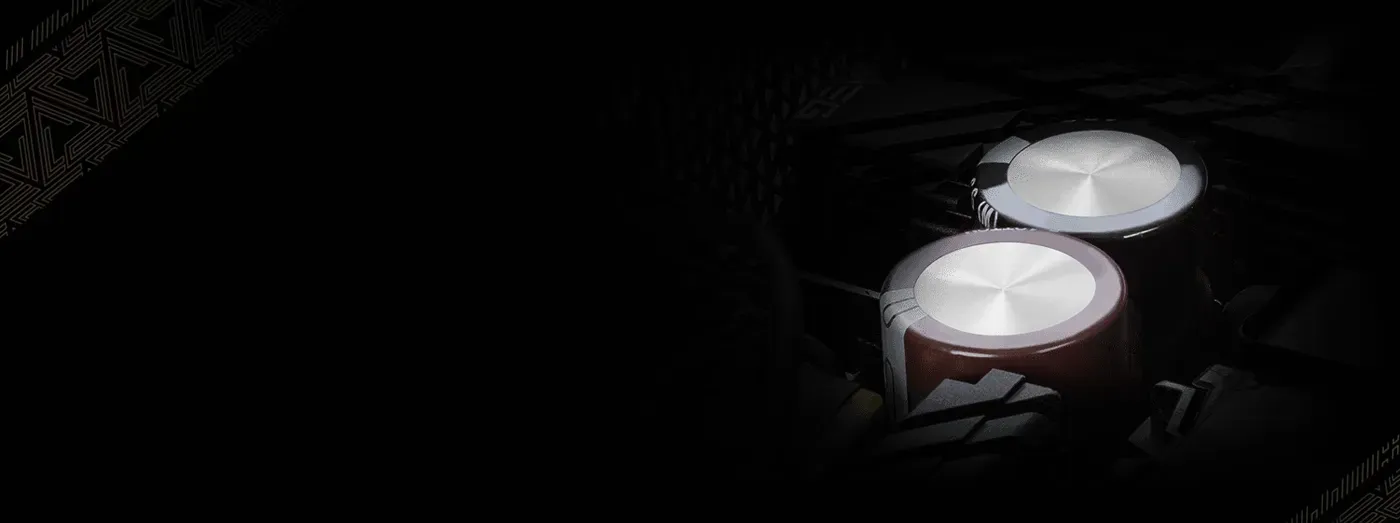
105°C Japanese Electrolytic And Solid Capacitors
The Ai1300P is built with premium Japanese electrolytic capacitors rated to 105°C alongside solid capacitors. That combination delivers tight voltage regulation and low ripple, which is what a graphics card actually experiences as clean power, and the temperature rating is what gives the parts their longevity.
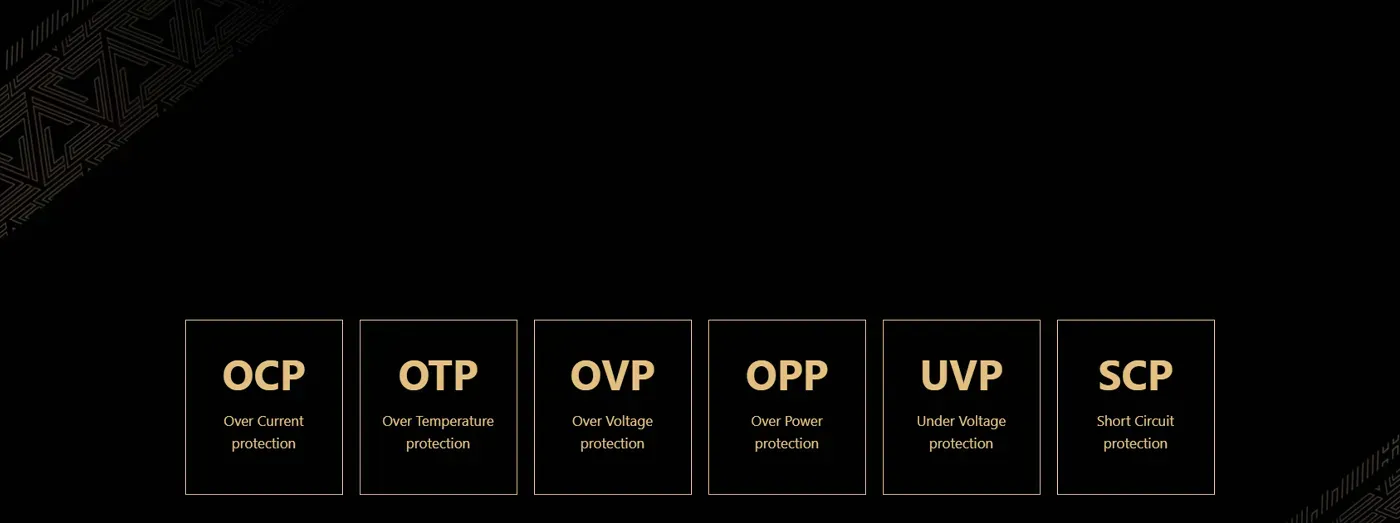
Six Protection Circuits: OCP, OVP, OPP, OTP, SCP, UVP
Six safeguards are built in: over current, over voltage, over power, over temperature, short circuit and under voltage protection. Together they cover the failure modes a supply can actually encounter, shutting the rail down before a fault reaches the components connected to it.
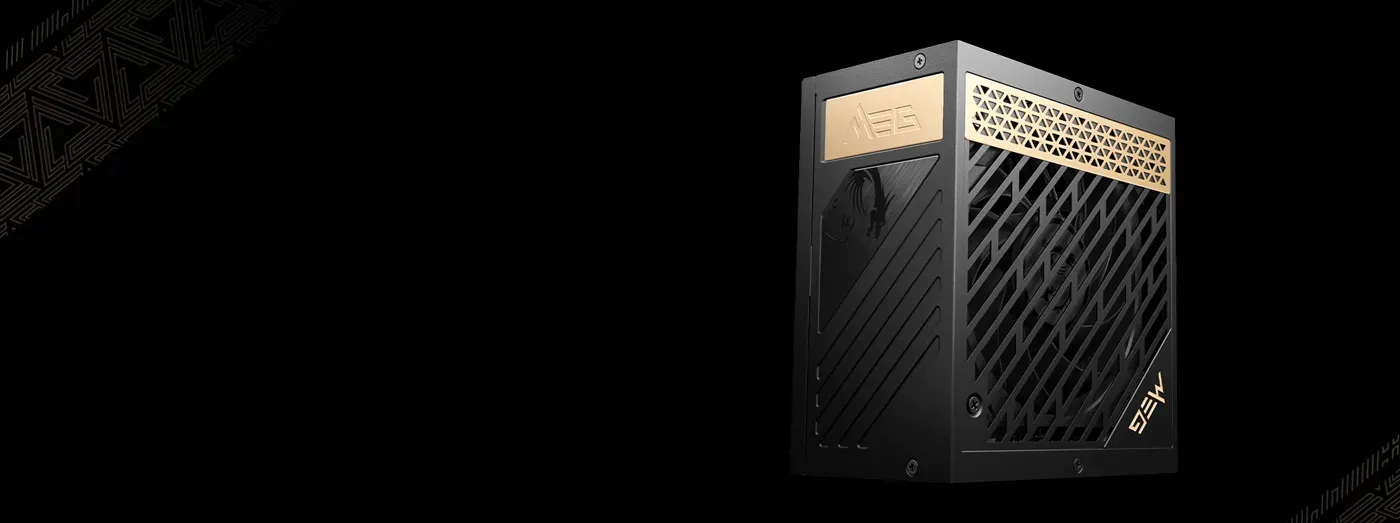
1300W Covers A Flagship GPU And Multi-Core CPU
A 1300W capacity is sized to run a flagship graphics card, a multi-core processor and multiple drives at the same time without sitting at the top of its range. Headroom above your actual draw is what keeps a supply in its efficient band and leaves room for the next upgrade.
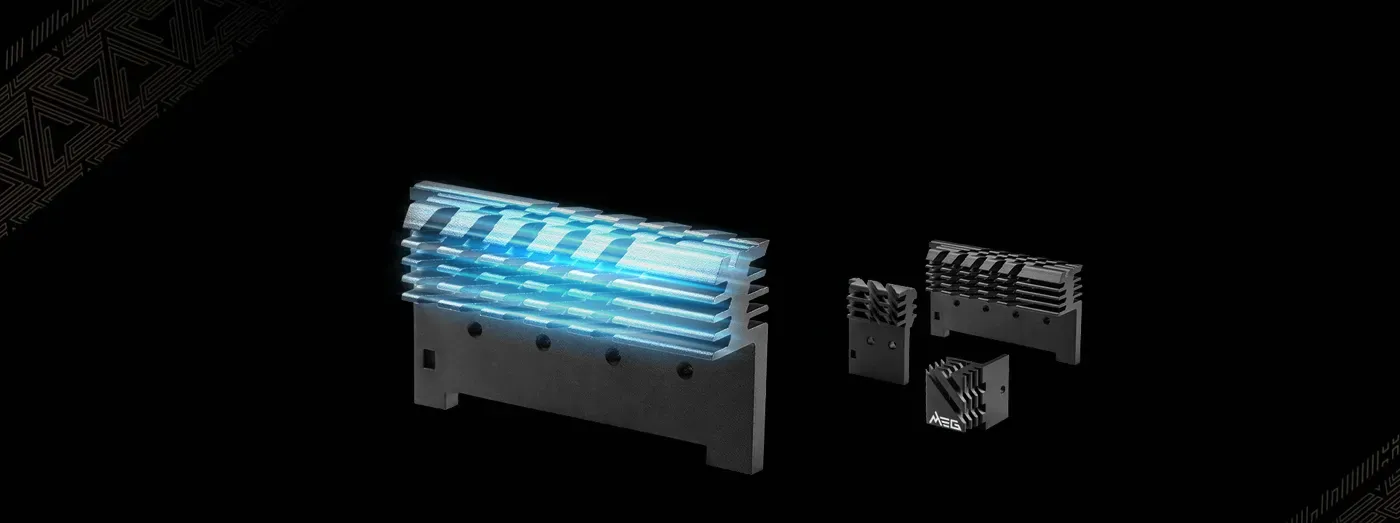
Enlarged Heatsinks Cover Key Components
Enlarged heatsinks sit over the components that generate the most heat, improving dissipation inside the compact chassis. Pulling heat away from the capacitors specifically is what extends their working life, since electrolytic capacitors age fastest when they run hot.
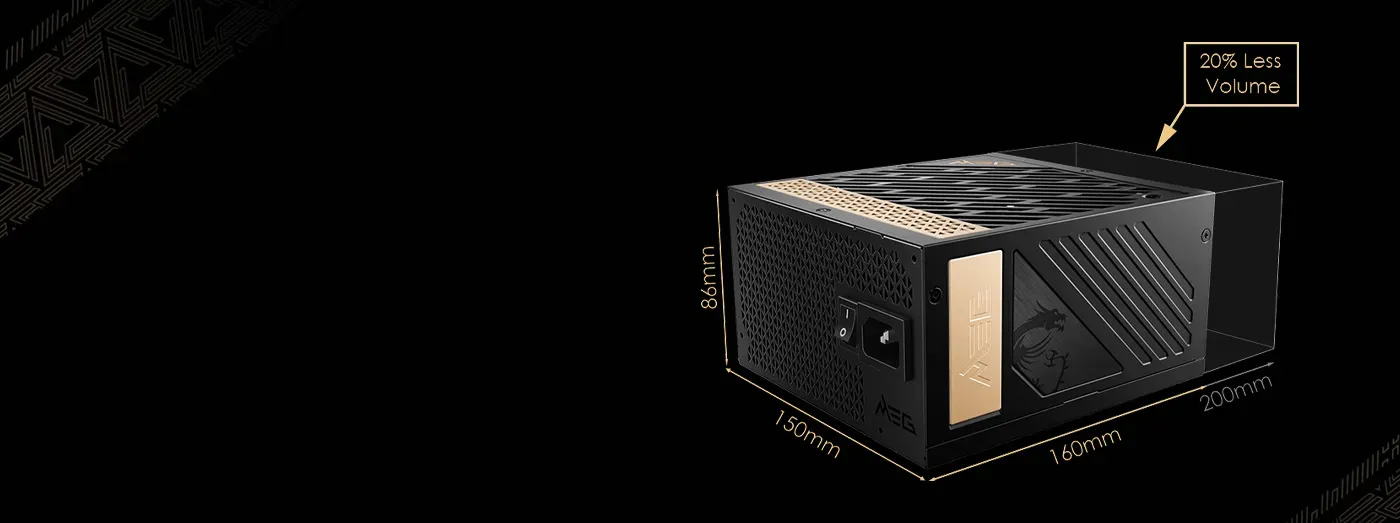
160mm Long By 150mm Wide Chassis
The Ai1300P measures 160mm long by 150mm wide, which fits most cases despite its 1300W rating. A shorter body leaves more room in the PSU compartment for cable runs, and that space is what keeps airflow moving through the bottom of the chassis.
160mm Long By 150mm Wide Chassis
The Ai1300P measures 160mm long by 150mm wide, which fits most cases despite its 1300W rating. A shorter body leaves more room in the PSU compartment for cable runs, and that space is what keeps airflow moving through the bottom of the chassis.
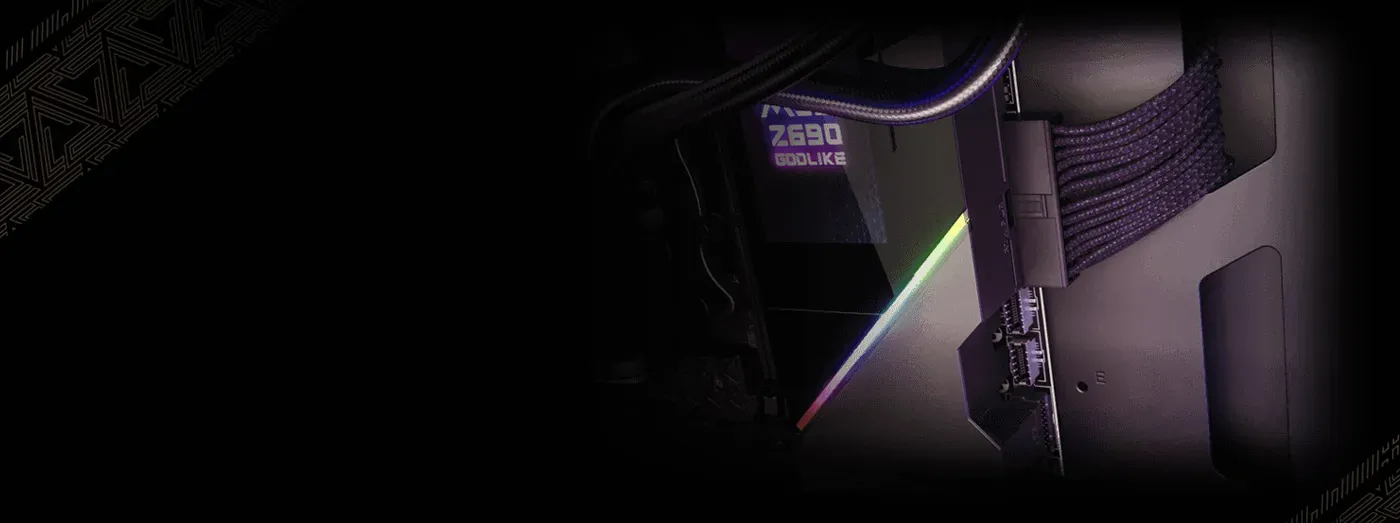
Triple-Layer Sleeved Cables Route Easily
The cables use a flexible triple-layer sleeving that bends into position without fighting you and resists wear where it passes case edges. Flexibility matters most behind the motherboard tray, where a stiff cable is what stops a side panel closing cleanly.
Triple-Layer Sleeved Cables Route Easily
The cables use a flexible triple-layer sleeving that bends into position without fighting you and resists wear where it passes case edges. Flexibility matters most behind the motherboard tray, where a stiff cable is what stops a side panel closing cleanly.
Compact Dimensions Make The Build Straightforward
Between the compact chassis and the modular cabling, installing the Ai1300P is straightforward across a wide range of PC cases. The two work together: a shorter supply gives you the room to route, and modular cabling means there is less to route in the first place.
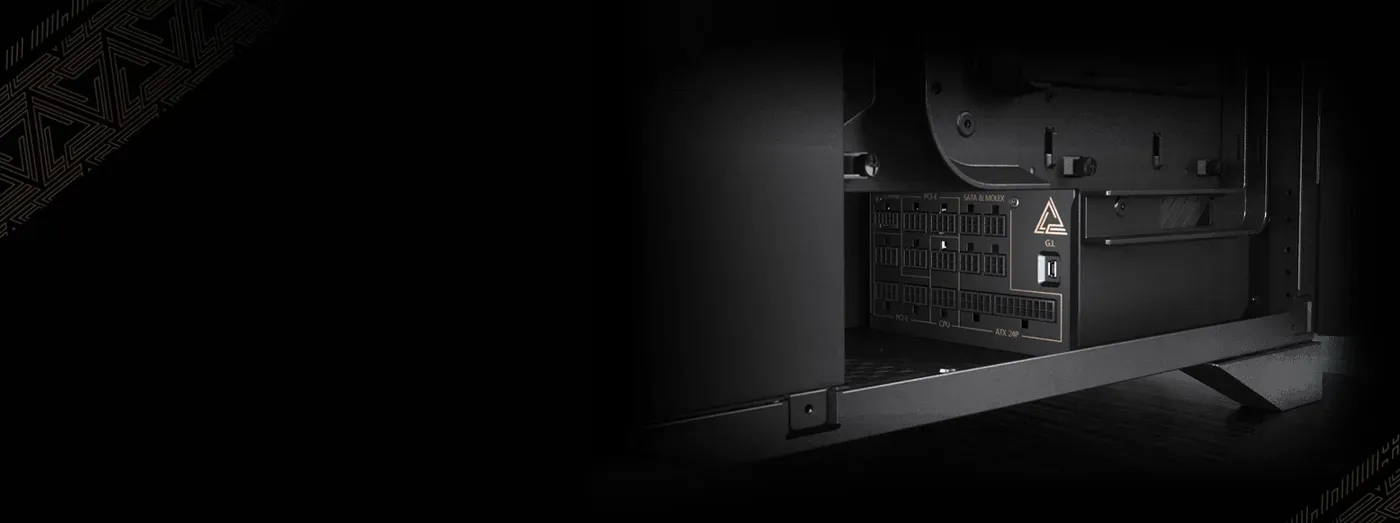
Connect Only The Cables Your Build Needs
The fully modular layout means every cable is optional until you fit it, so unused connectors never enter the case. Less clutter behind the motherboard tray improves airflow and cuts build time, and it makes a later component swap a matter of adding one cable rather than untangling a loom.
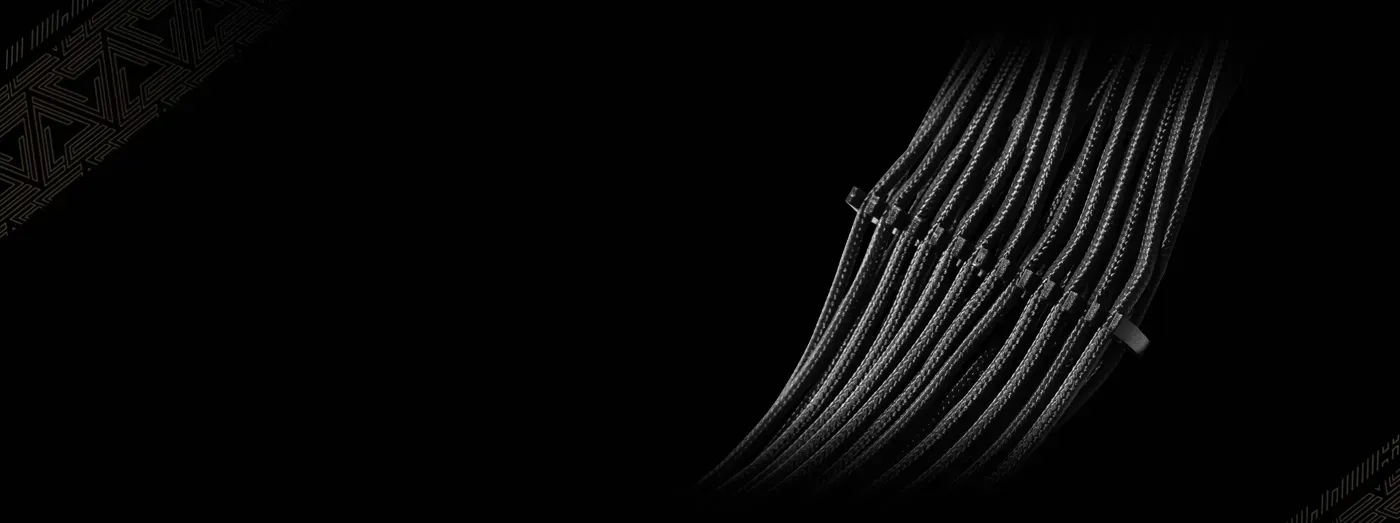
24-Pin And 8-Pin Cable Managers Included
MSI supplies 24-pin and 8-pin cable managers in the box to hold those runs in line. Those two cables are the thickest in any build and the hardest to keep tidy, so combing them is what makes the difference between a neat interior and a bundled one.
24-Pin And 8-Pin Cable Managers Included
MSI supplies 24-pin and 8-pin cable managers in the box to hold those runs in line. Those two cables are the thickest in any build and the hardest to keep tidy, so combing them is what makes the difference between a neat interior and a bundled one.
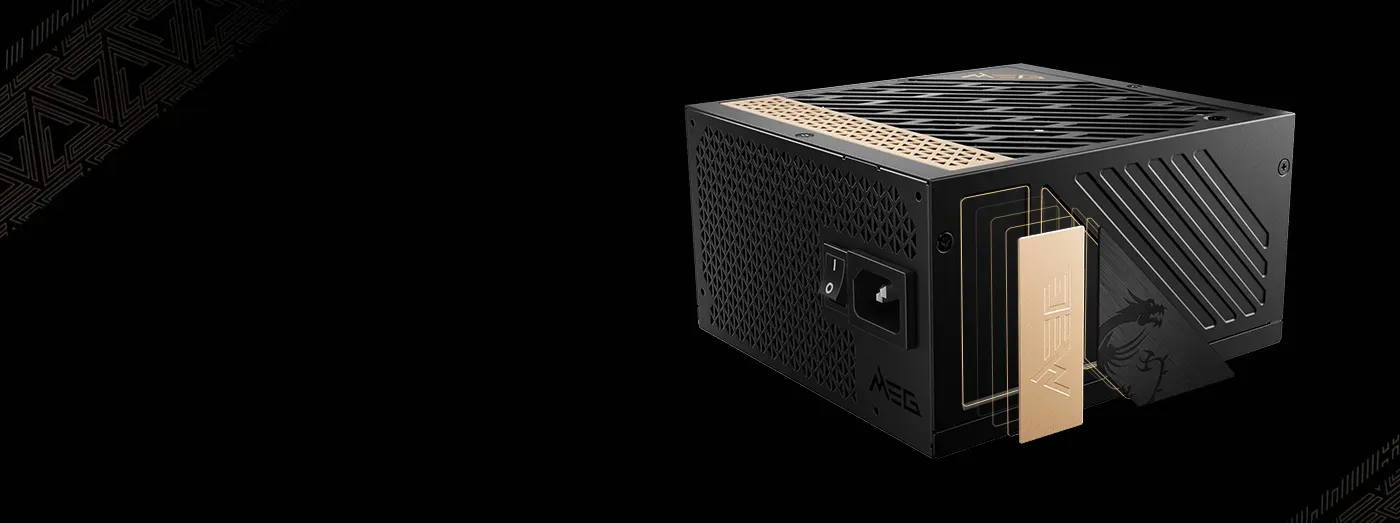
Magnetic Mark Plates Match Any Orientation
Adjustable magnetic plates on the chassis align with different PSU orientations, so the marking sits the right way up whether the supply is fitted fan-up or fan-down. It is a finishing detail for builds where the power supply is visible through a glass panel or a shroud cutout.
Purpose-Built Fan And Housing
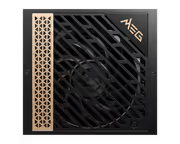
The fan and its housing were designed together for this supply rather than taken off a shelf, improving airflow, static pressure and acoustics under heavy load. Matching the blade to the enclosure is what lets a single fan cool 1300W of hardware without becoming the loudest part of the machine.
Liquid Crystal Polymer Fan Blades
The blades are moulded from Liquid Crystal Polymer, which reduces vibration at high RPM and resists thermal expansion. A blade that keeps its shape as it heats holds its clearance to the housing, so efficiency and noise stay where they were on day one.
Liquid Crystal Polymer Fan Blades
The blades are moulded from Liquid Crystal Polymer, which reduces vibration at high RPM and resists thermal expansion. A blade that keeps its shape as it heats holds its clearance to the housing, so efficiency and noise stay where they were on day one.
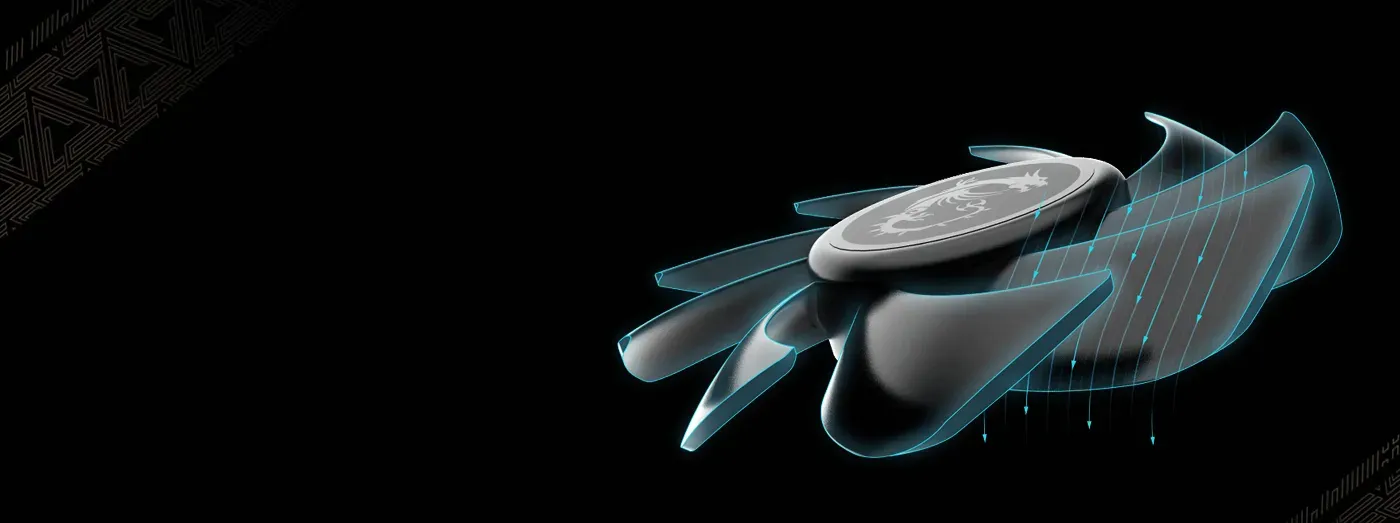
32-Degree Blades Retain Up To 58% Airflow
The blade geometry is set at a 32-degree angle, a figure MSI tuned to retain up to 58% airflow through the supply. Concentrating the air where the heatsinks sit matters more than raw volume, because a PSU is a restricted enclosure rather than an open path.
32-Degree Blades Retain Up To 58% Airflow
The blade geometry is set at a 32-degree angle, a figure MSI tuned to retain up to 58% airflow through the supply. Concentrating the air where the heatsinks sit matters more than raw volume, because a PSU is a restricted enclosure rather than an open path.
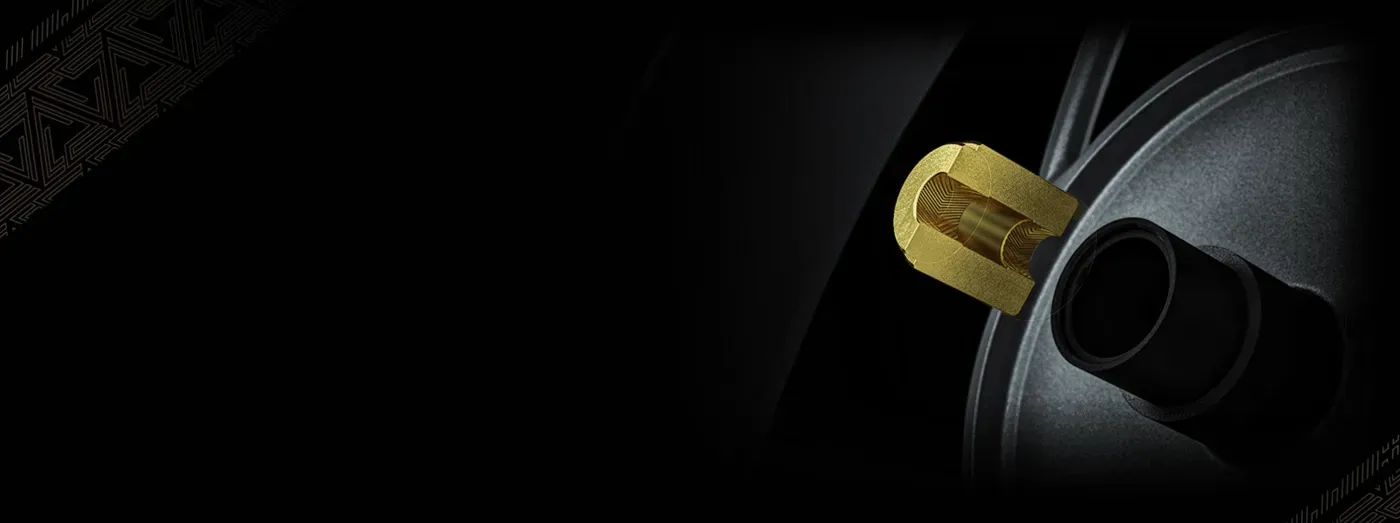
Hydro-Dynamic Bearing Lowers Friction And Noise
The fan turns on a hydro-dynamic bearing, which reduces friction and the noise that comes with it while extending the fan's working life. Bearing choice is what determines whether a fan is still quiet several years into service, long after the blade design has stopped mattering.
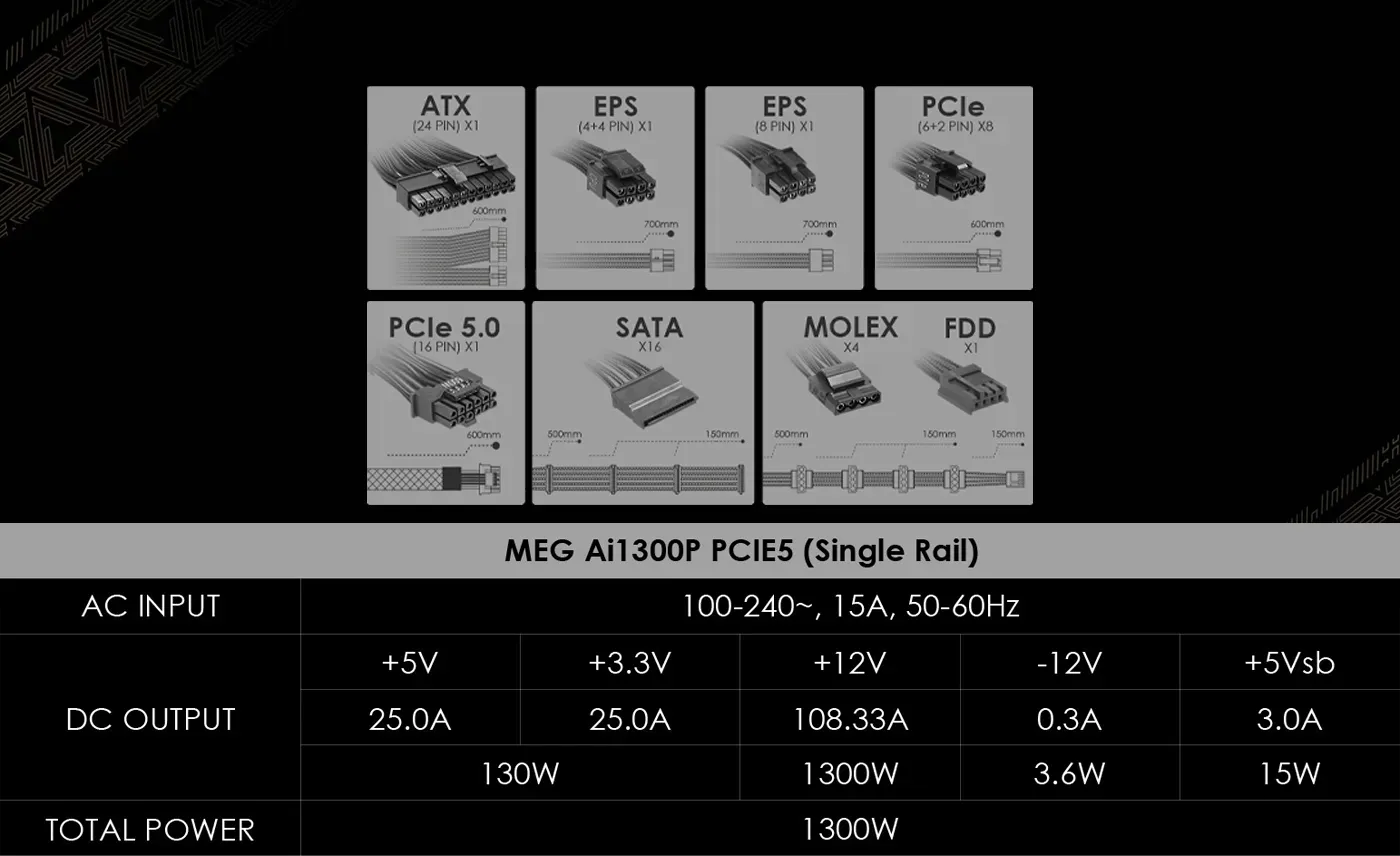
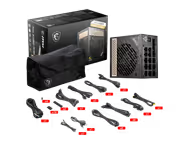
The Full Modular Connector Assortment
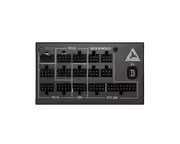
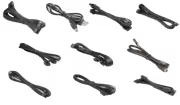
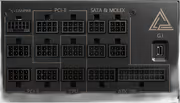
The Ai1300P's modular panel carries the full set of connectors, from the 24-pin motherboard cable through CPU power to the VGA and native 16-pin GPU cables. Laying them out before you start is the quickest way to work out which ones this particular build needs and which stay in the box.
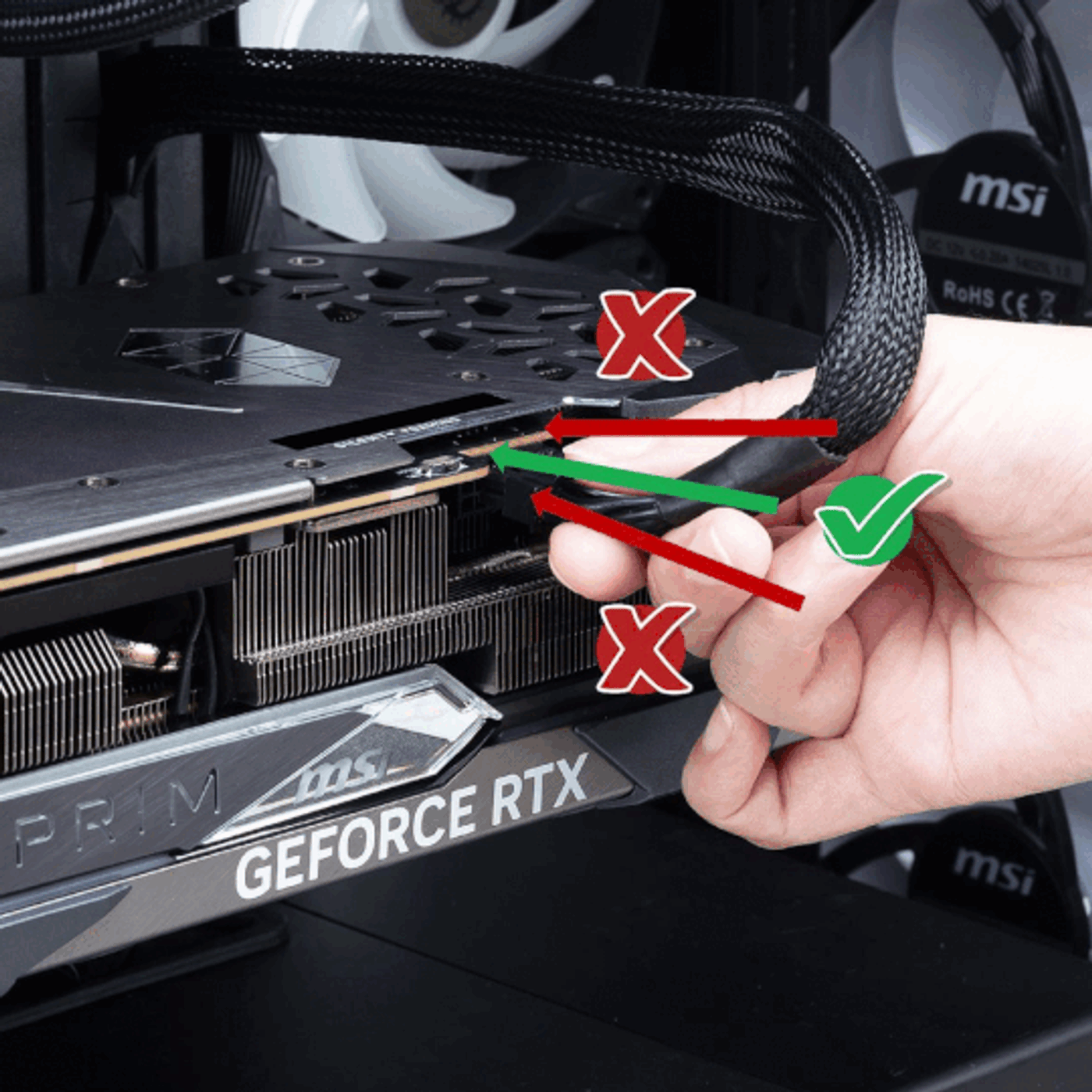
Step One: Insert The 16-Pin Cable Parallel
The 16-pin cable must go in parallel to the socket, straight along its axis rather than entering at an angle. Getting the approach right is the first of three steps MSI specifies, and it is the one that determines whether the remaining two are even possible.
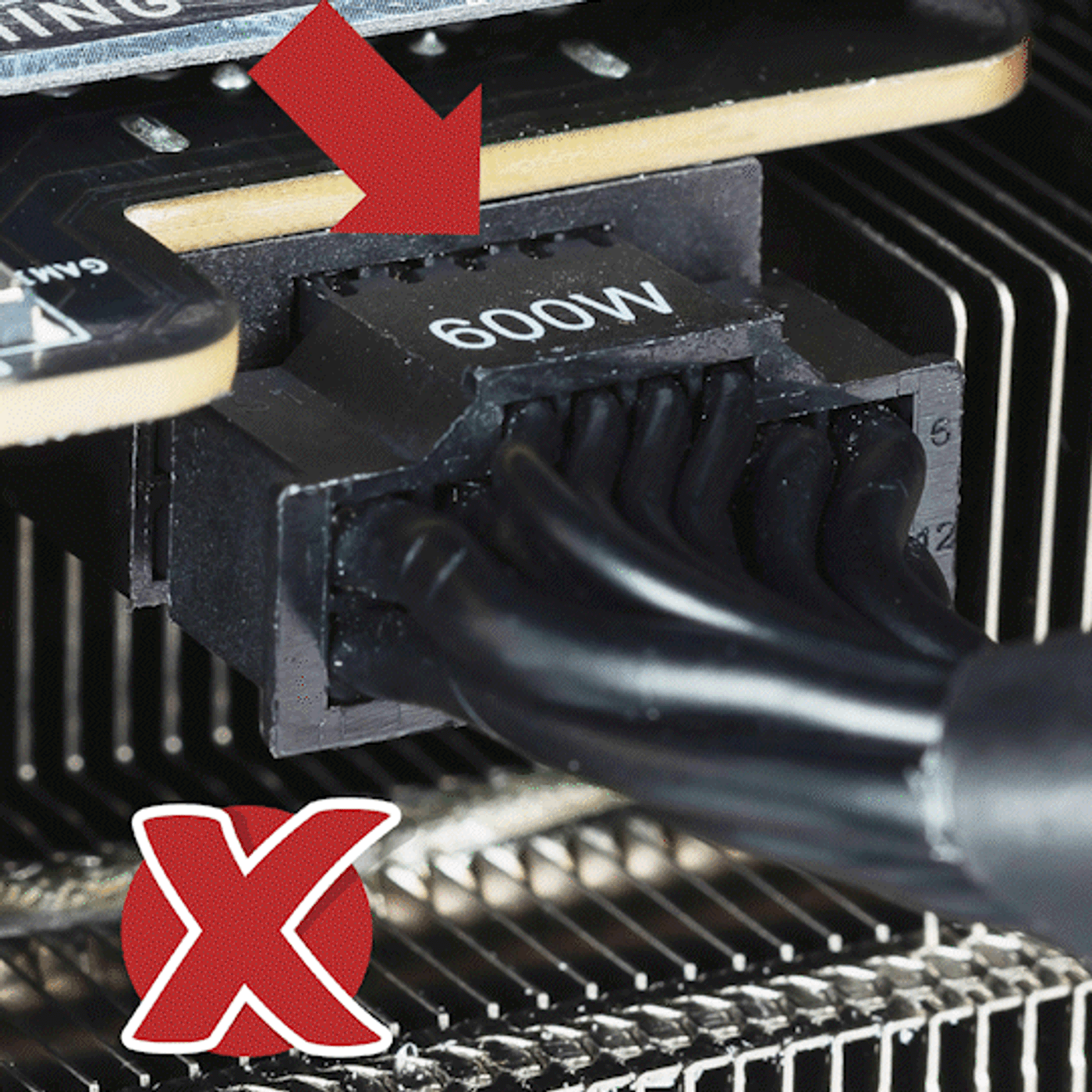
Step Two: Seat It Fully At The GPU End
At the graphics card end the connector must be firmly seated with no gaps and no bending of the cable where it leaves the socket. A partially seated 16-pin connector is the failure mode this instruction exists to prevent, so check it visually before closing the case.
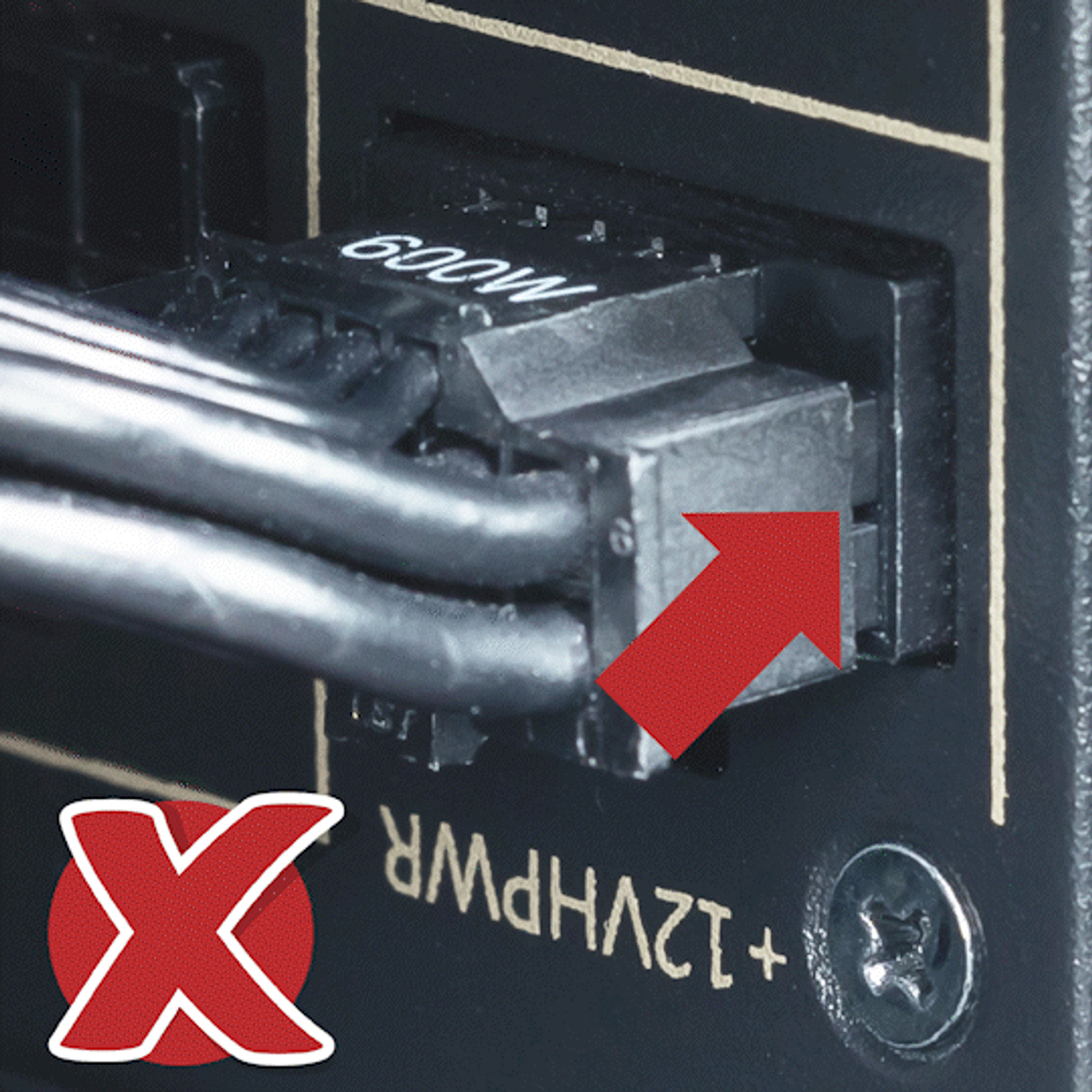
Step Three: Seat It Fully At The PSU End
The same rule applies at the power supply end: the connector goes in firmly with no gap left at the socket. Both ends carry the full 600W the cable is rated for, so neither one can be treated as the less important connection.
Step Three: Seat It Fully At The PSU End
The same rule applies at the power supply end: the connector goes in firmly with no gap left at the socket. Both ends carry the full 600W the cable is rated for, so neither one can be treated as the less important connection.
FAQ
Frequently Asked Questions
Everything you need to know about this product
It is a 1300W power supply, enough for a flagship GPU, a multi-core CPU and multiple drives.
It is engineered to meet the Intel PSDG ATX 3.1 standard and is PCIe 5.1 ready.
The native 16-pin connector delivers up to 600W directly to a PCIe 5.1 graphics card.
It is 80 Plus Platinum certified and also carries a high Cybenetics rating.
Intelligent Fan Mode stops the fan below roughly 55% load or 70°C for silent operation.
Yes. Connect the mini-USB header and MSI Center reports GPU power, CPU power and total system wattage in real time.
It includes OCP, OVP, OPP, OTP, SCP and UVP safeguards.
It uses premium 105°C Japanese electrolytic capacitors alongside solid capacitors for low ripple and tight regulation.
The chassis measures 160 mm long by 150 mm wide, which fits most cases.
Yes. Every cable is detachable, so you connect only the ones your build needs.
Yes. It is compatible with both NVIDIA and AMD GPUs, with modular I/O for different connector layouts.
Insert it parallel to the socket, then check it is firmly seated with no gaps or bending at both the GPU and PSU ends.

AI-Generated Content: These FAQs are generated by an automated AI system and may contain inaccuracies or omissions. Evetech makes no warranties, express or implied, regarding their completeness or reliability. For definitive information, please refer to the manufacturer's official specifications.


Please Note: Product images are for illustrative purposes only and may differ from the actual product.
Choose your
own PC
Hand-pick every part with live stock, compatibility, and instant pricing.
Try the new builderPrice Inc. Vat
R 6,999
Save R 1,000
ListR 7,999
6999Free Delivery
Qty:
In Stock with Evetech
Choose your
own PC
Hand-pick every part with live stock, compatibility, and instant pricing.
Try the new builderMSI MEG Ai1300P PCIE 5 Gaming Power Supply