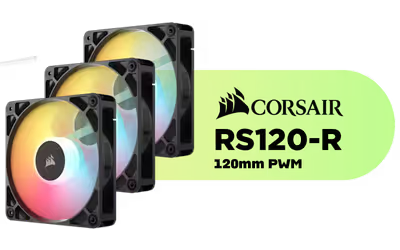
corsair-rs120-r-argb-120mm-pwm-reverse-fans-triple-pack
Corsair RS120-R ARGB 120mm PWM Reverse Fans - Triple Pack / Reverse Rotor Keeps Intake Lighting Visible / 8 ARGB LEDs Per Fan / 420-2100 RPM / 65.82 CFM / Magnetic Dome Bearing / Daisy-Chainable PWM and 5V ARGB / CO-9050196-WW
1 Year Local Warranty
Model No : CORSAIR CO-9050196-WW
Price Inc. Vat
R 799
Save R 100.00
ListR 899
799Change Quantity:
In Stock with Evetech
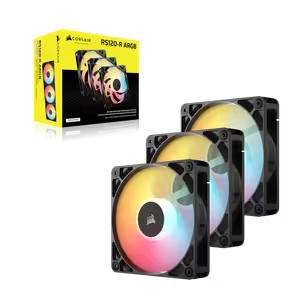
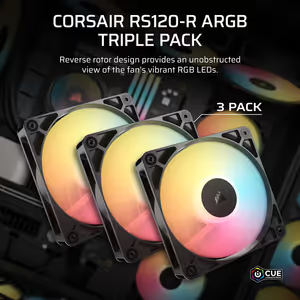
Corsair RS120-R ARGB 120mm Reverse Fans - 3 Pack
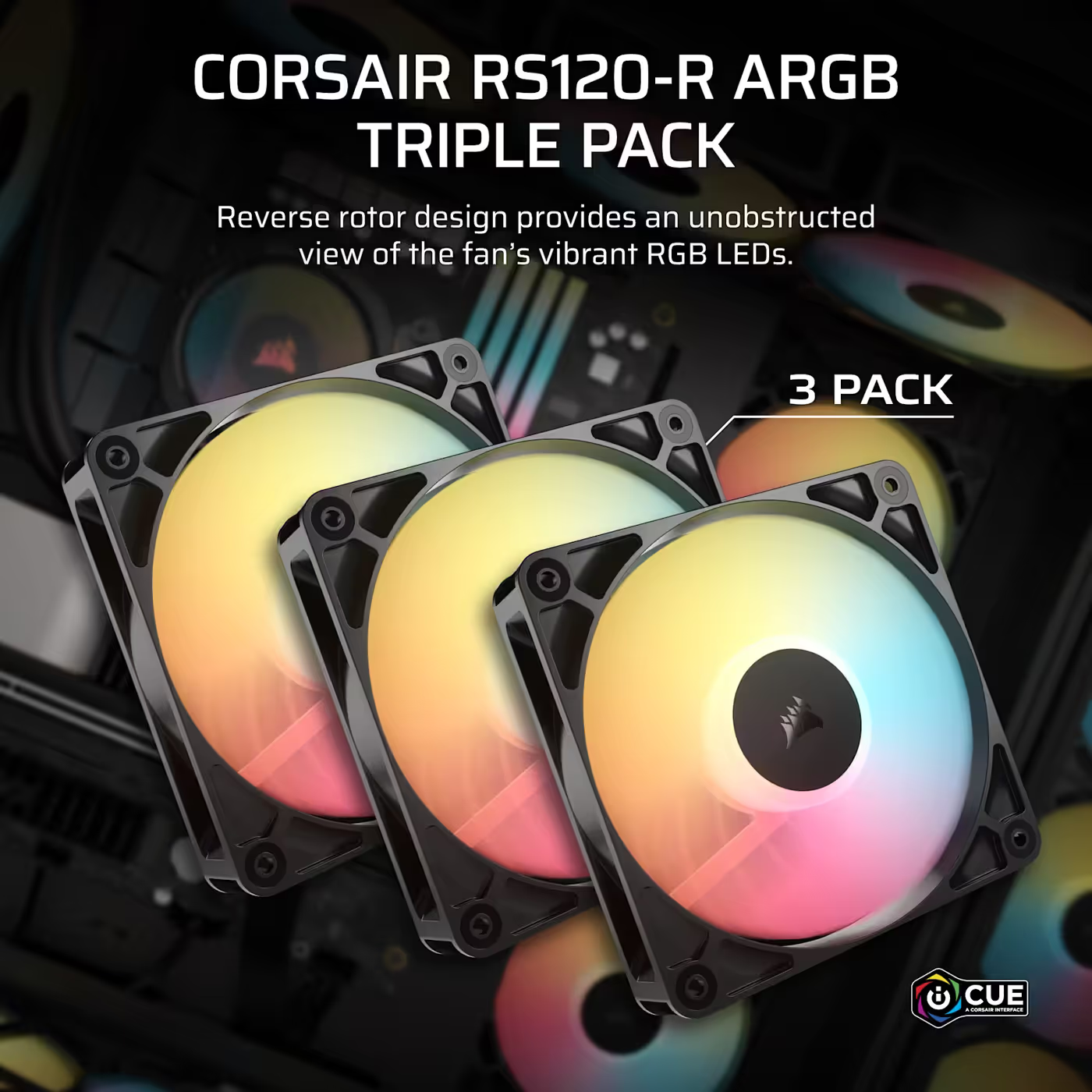
Three Reverse-Rotor ARGB Fans In One Pack
The CORSAIR RS120-R ARGB triple pack supplies three 120mm PWM fans built with reverse rotors, so the lighting stays visible when they are mounted as intake. Each fan carries eight addressable RGB LEDs, spins up to 2,100 RPM, runs on a magnetic dome bearing and daisy-chains to the next fan in the row.
Three Reverse-Rotor ARGB Fans In One Pack
The CORSAIR RS120-R ARGB triple pack supplies three 120mm PWM fans built with reverse rotors, so the lighting stays visible when they are mounted as intake. Each fan carries eight addressable RGB LEDs, spins up to 2,100 RPM, runs on a magnetic dome bearing and daisy-chains to the next fan in the row.
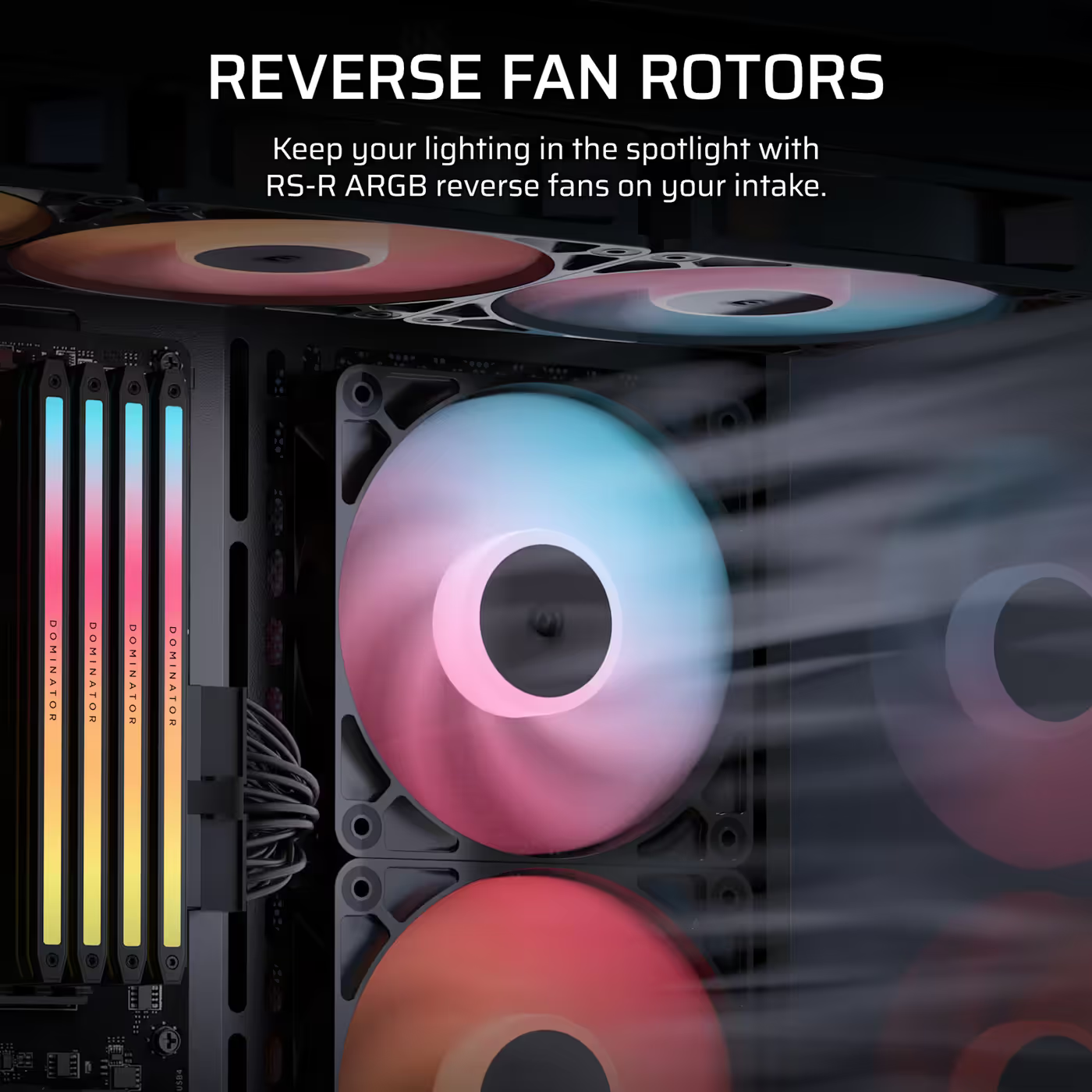
Reverse Rotors Keep The Lighting Visible
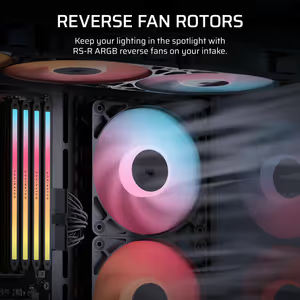
On a normal fan mounted as intake you look at the back of the motor hub and the frame struts. The reverse rotor turns that around so the blade face points outward into the case, which means the lighting and the blades are what shows through the side panel instead of the mounting hardware.
Reverse Rotors Keep The Lighting Visible
On a normal fan mounted as intake you look at the back of the motor hub and the frame struts. The reverse rotor turns that around so the blade face points outward into the case, which means the lighting and the blades are what shows through the side panel instead of the mounting hardware.
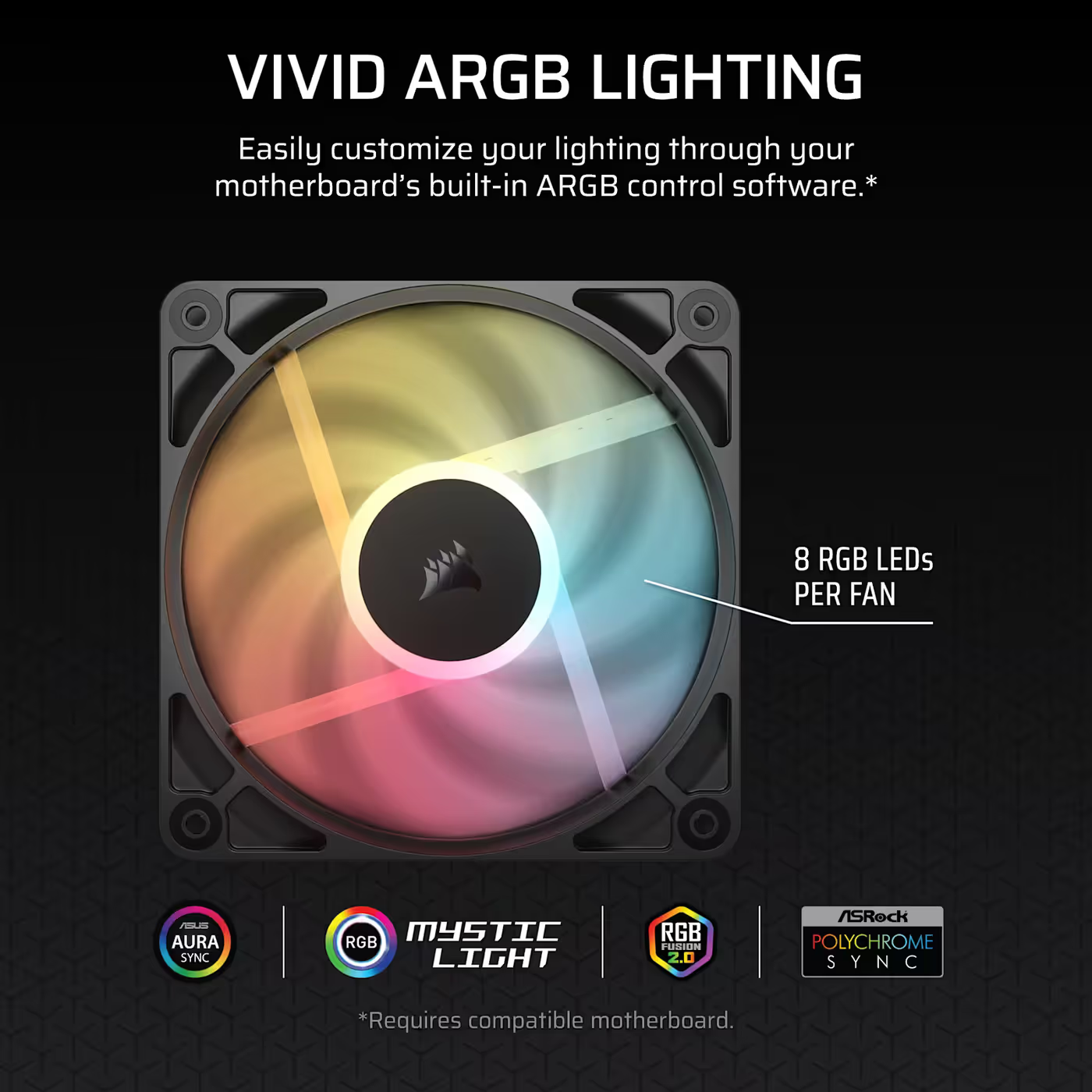
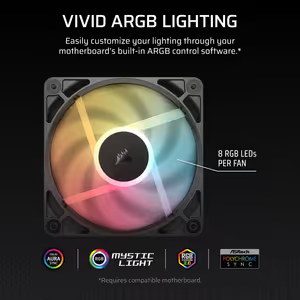
Eight Addressable RGB LEDs Per Fan
Each fan holds eight individually addressable RGB LEDs driven from a standard +5V ARGB header, so the lighting syncs with ASUS Aura Sync, MSI Mystic Light, GIGABYTE RGB Fusion and ASRock Polychrome. No CORSAIR controller or lighting hub is needed to run them from the motherboard.
Eight Addressable RGB LEDs Per Fan
Each fan holds eight individually addressable RGB LEDs driven from a standard +5V ARGB header, so the lighting syncs with ASUS Aura Sync, MSI Mystic Light, GIGABYTE RGB Fusion and ASRock Polychrome. No CORSAIR controller or lighting hub is needed to run them from the motherboard.

Daisy-Chained From One PWM And One ARGB Header
The fans chain directly to one another, so three of them run from a single 4-pin PWM connector and a single +5V ARGB connector on the motherboard. That removes the fan hub and the bundle of cables it normally brings, which keeps the area behind the motherboard tray far easier to route.
Daisy-Chained From One PWM And One ARGB Header
The fans chain directly to one another, so three of them run from a single 4-pin PWM connector and a single +5V ARGB connector on the motherboard. That removes the fan hub and the bundle of cables it normally brings, which keeps the area behind the motherboard tray far easier to route.
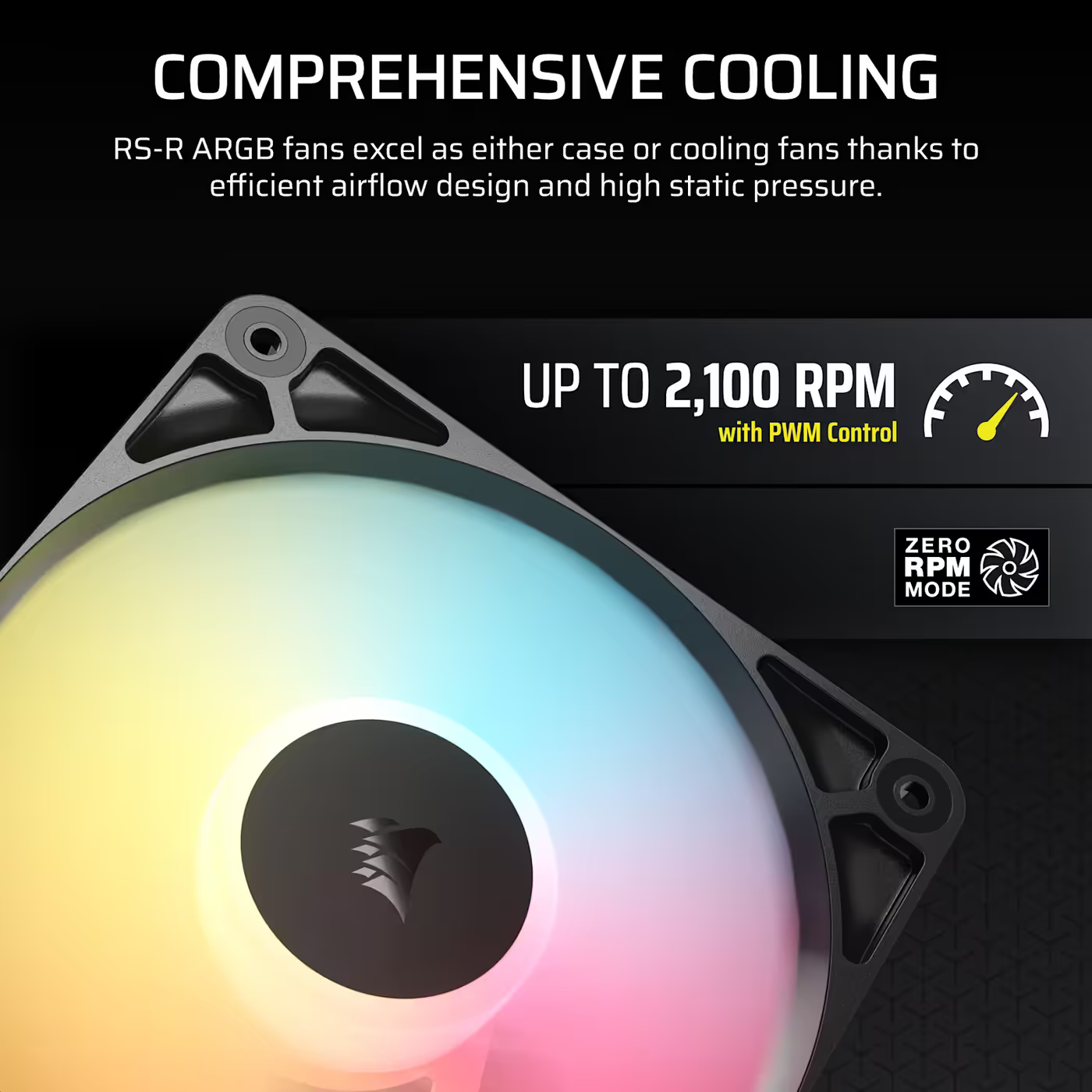
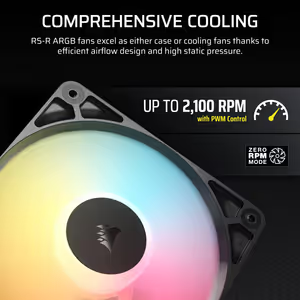
Up To 2,100 RPM With PWM Control
PWM control varies the speed up to 2,100 RPM according to system load rather than running flat out, moving up to 65.82 CFM of air at a rated 34.6 dBA. Because the speed is governed by the motherboard curve, the fans stay quiet at idle and only ramp when the temperature actually calls for it.
Up To 2,100 RPM With PWM Control
PWM control varies the speed up to 2,100 RPM according to system load rather than running flat out, moving up to 65.82 CFM of air at a rated 34.6 dBA. Because the speed is governed by the motherboard curve, the fans stay quiet at idle and only ramp when the temperature actually calls for it.
Zero RPM Mode Stops Them Completely
At low load the fans can stop turning altogether rather than idling at a low speed, which takes their noise contribution to nothing during light desktop work or while browsing. They start again as soon as the curve calls for airflow, so the cooling is there when the load arrives.
Zero RPM Mode Stops Them Completely
At low load the fans can stop turning altogether rather than idling at a low speed, which takes their noise contribution to nothing during light desktop work or while browsing. They start again as soon as the curve calls for airflow, so the cooling is there when the load arrives.
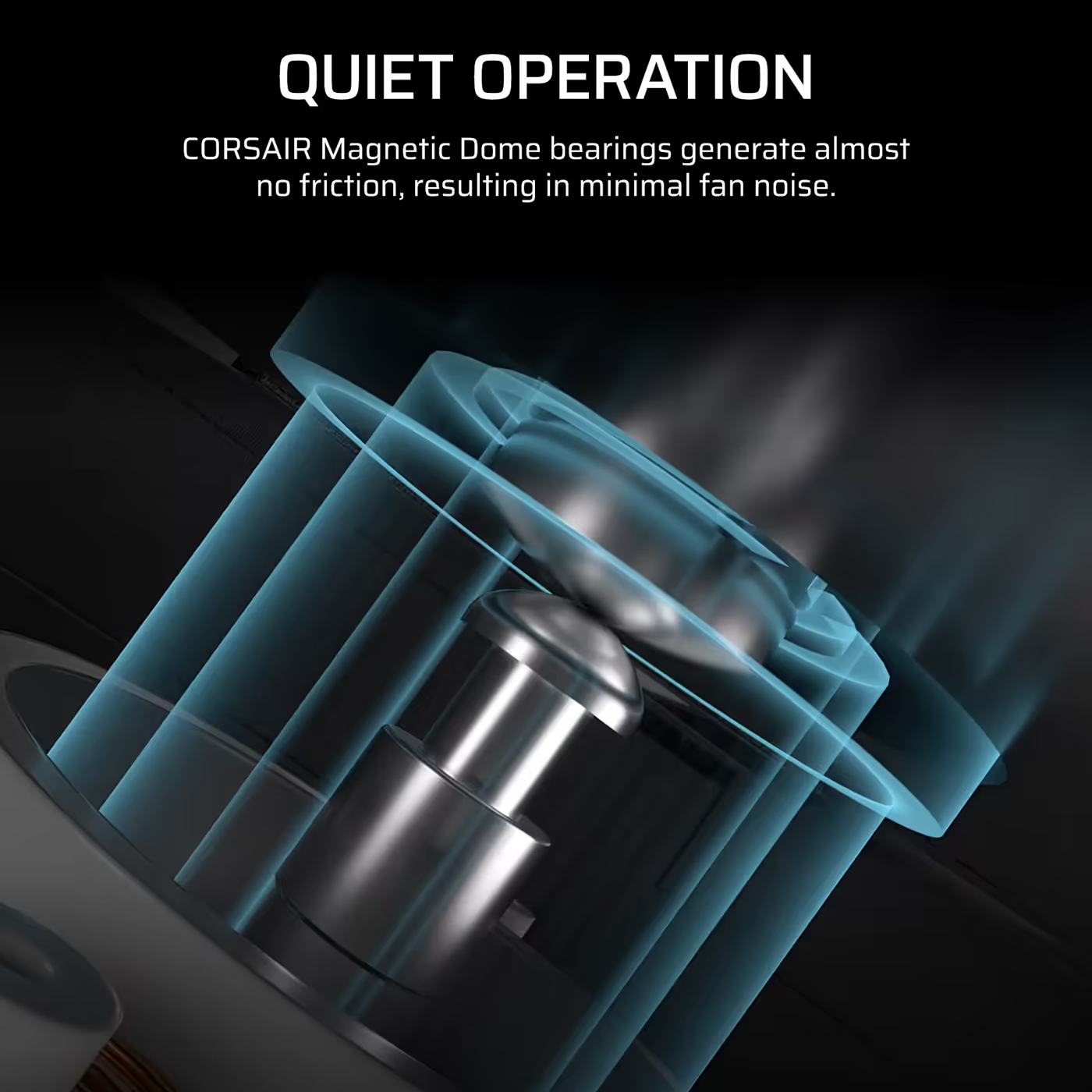
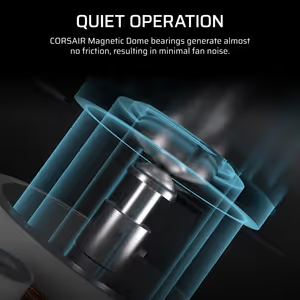
A Magnetic Dome Bearing For Low Noise
The magnetic dome bearing reduces the friction between the moving parts, which cuts the mechanical noise a fan makes independently of the air it moves and extends how long it runs before the bearing becomes audible. It is the reason the fan holds a low acoustic figure while still pushing meaningful airflow.
A Magnetic Dome Bearing For Low Noise
The magnetic dome bearing reduces the friction between the moving parts, which cuts the mechanical noise a fan makes independently of the air it moves and extends how long it runs before the bearing becomes audible. It is the reason the fan holds a low acoustic figure while still pushing meaningful airflow.
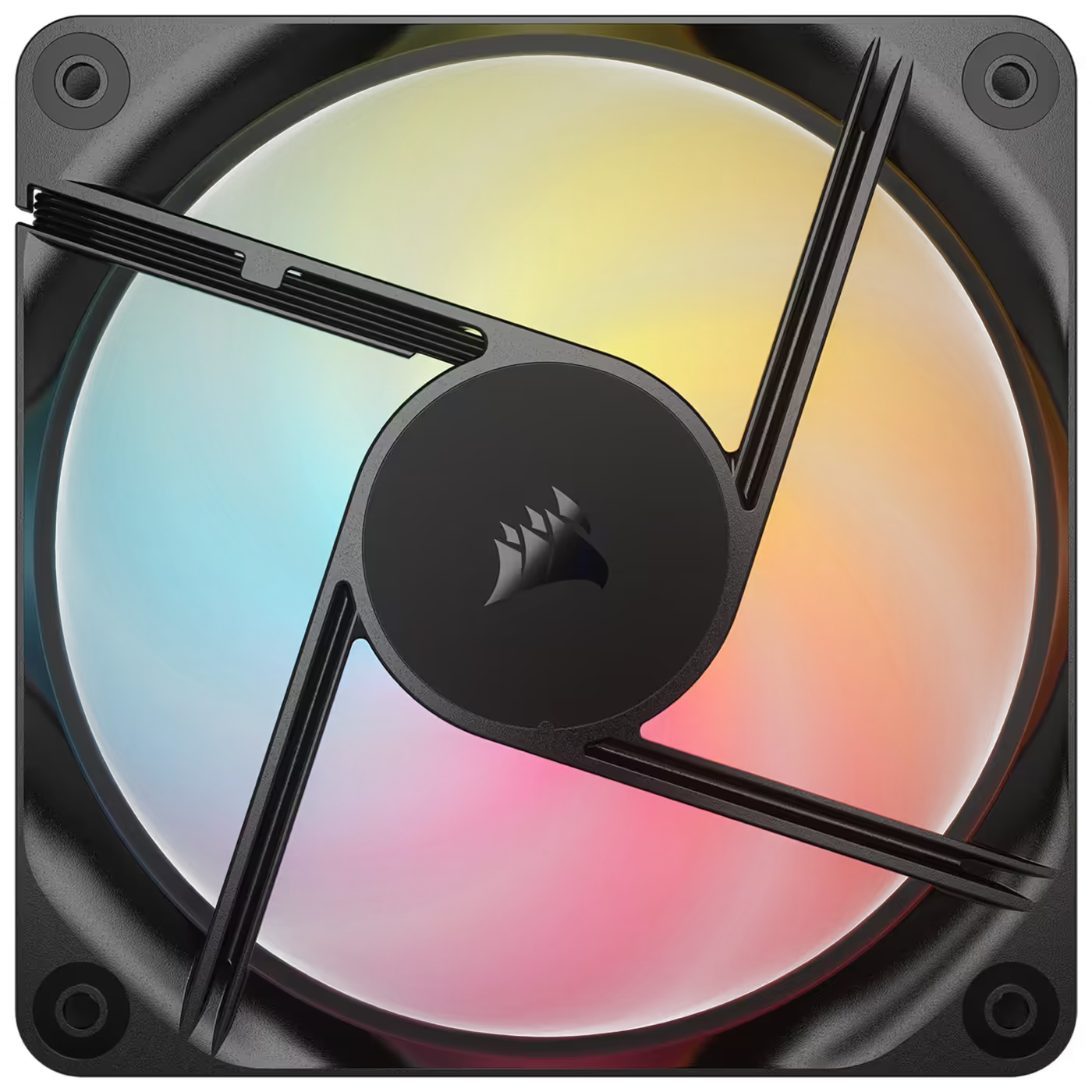
Shaped For Airflow And Static Pressure
The blade angle of attack, airfoil profile and edge curvature are tuned to serve both open case airflow and the static pressure a radiator needs, and the housing carries the largest blade radius that fits a 120mm frame. That lets the same fan work as a case intake or on a radiator.
Shaped For Airflow And Static Pressure
The blade angle of attack, airfoil profile and edge curvature are tuned to serve both open case airflow and the static pressure a radiator needs, and the housing carries the largest blade radius that fits a 120mm frame. That lets the same fan work as a case intake or on a radiator.
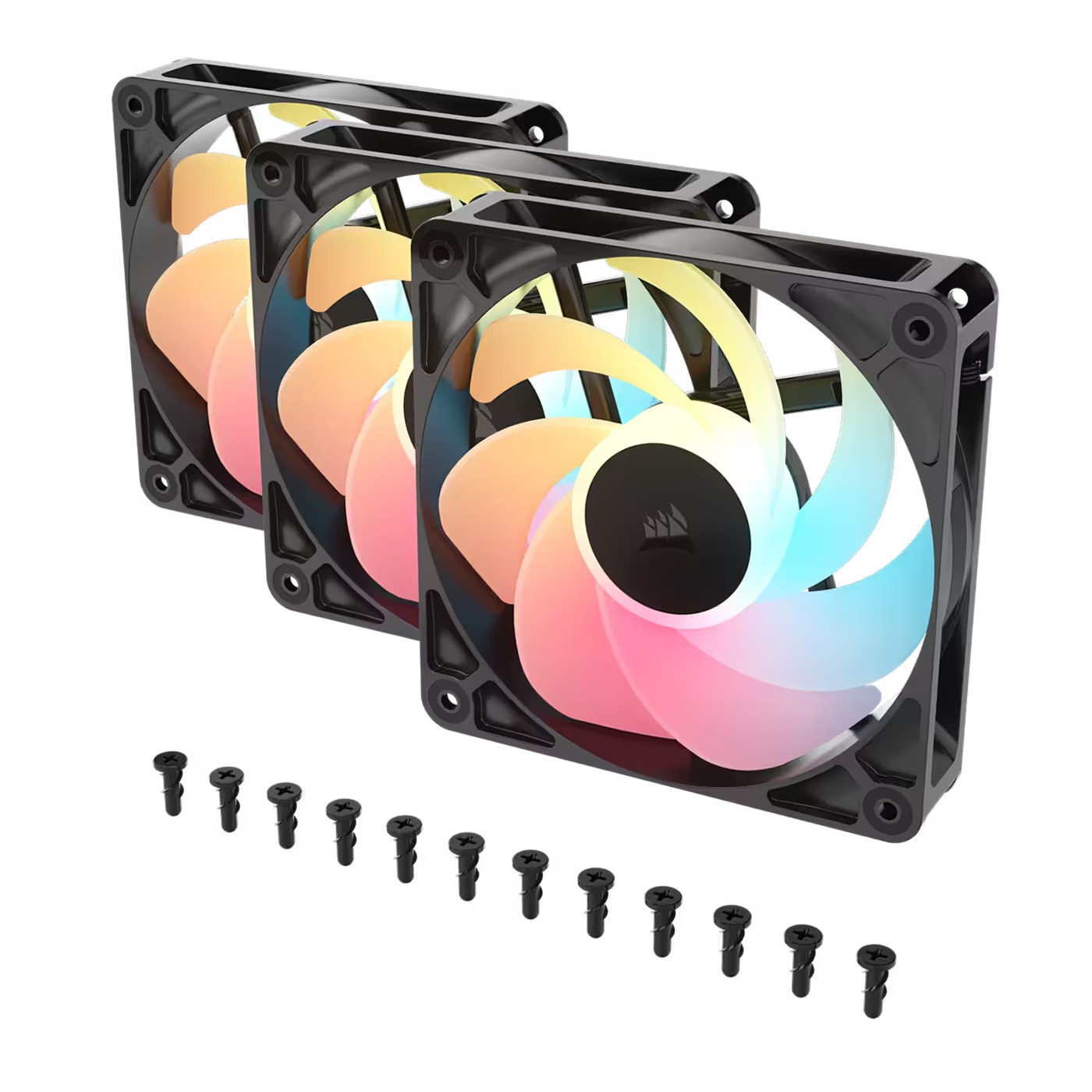
What Comes In The Pack
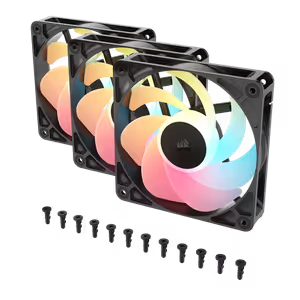
The pack contains three RS120-R ARGB fans in the standard 120mm by 25mm size along with the mounting screws. Three fans is the count a front intake or a 360mm radiator takes, so the pack populates a full row without needing a second purchase to finish the job.
What Comes In The Pack
The pack contains three RS120-R ARGB fans in the standard 120mm by 25mm size along with the mounting screws. Three fans is the count a front intake or a 360mm radiator takes, so the pack populates a full row without needing a second purchase to finish the job.
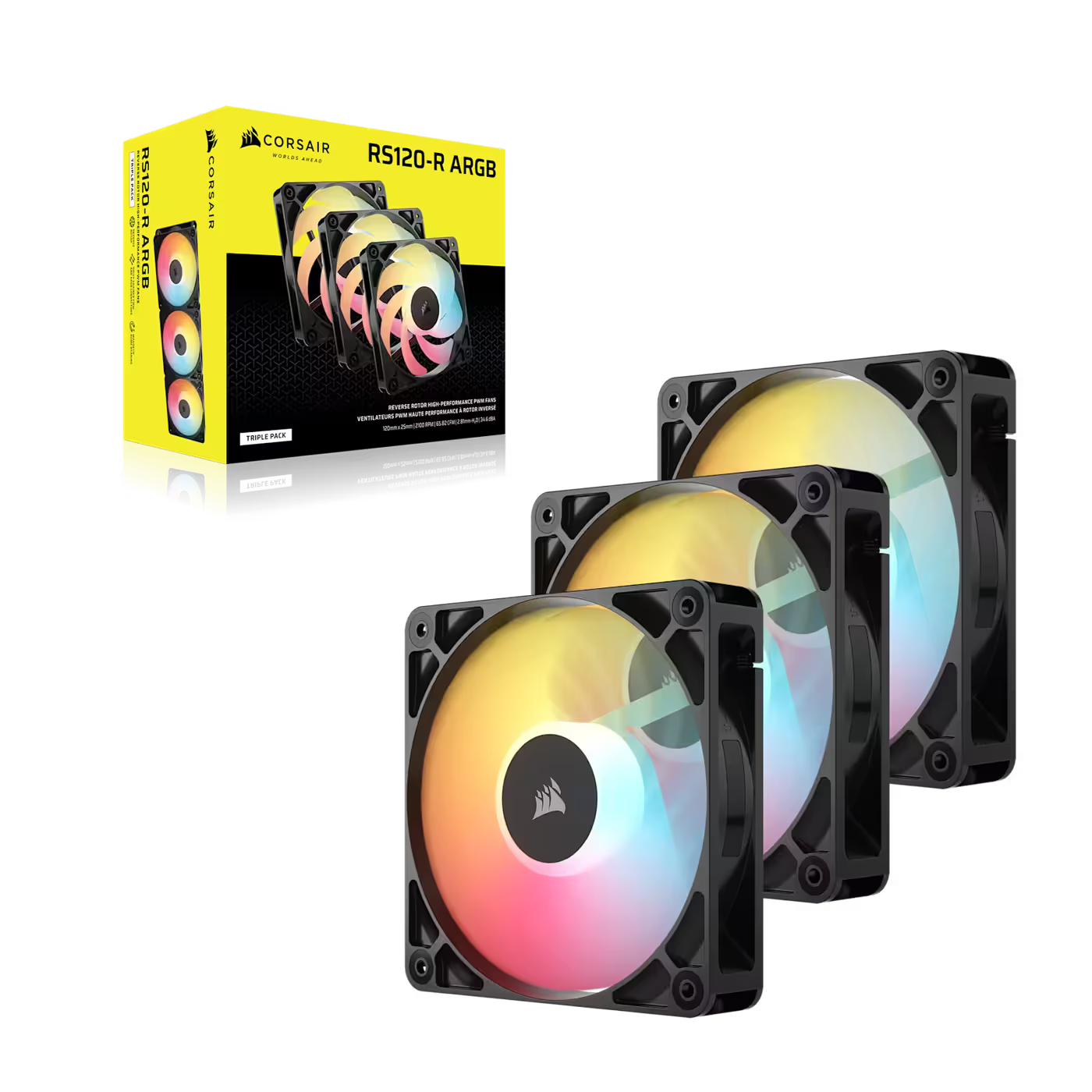
The Retail Triple Pack
This is the three-fan retail pack rather than a single fan, supplied in one box with the daisy-chain cabling already fitted to each unit. Additional RS-R ARGB fans can be chained onto the same run if the case has room for more than three positions in a line.
The Retail Triple Pack
This is the three-fan retail pack rather than a single fan, supplied in one box with the daisy-chain cabling already fitted to each unit. Additional RS-R ARGB fans can be chained onto the same run if the case has room for more than three positions in a line.
FAQ
Frequently Asked Questions
Everything you need to know about this product
The pack contains three RS120-R ARGB fans along with the mounting screws needed to fit them.
The blade face points outward instead of inward, so the lighting and blades stay visible when mounted as intake.
Each fan carries eight individually addressable RGB LEDs controlled from a +5V ARGB header.
They sync with ASUS Aura Sync, MSI Mystic Light, GIGABYTE RGB Fusion and ASRock Polychrome.
No, the fans daisy-chain and run from one 4-pin PWM header and one +5V ARGB header on the motherboard.
The fans reach up to 2,100 RPM under PWM control, moving up to 65.82 CFM at a rated 34.6 dBA.
Yes, zero RPM mode allows them to stop turning at low load and restart when the fan curve calls for airflow.
They use a magnetic dome bearing, which reduces friction and mechanical noise and extends the fan life.
They are standard 120mm fans with a 25mm thickness, fitting any conventional 120mm mounting point.
Yes, the blade and housing design targets both airflow and static pressure, so they suit radiators as well as case mounts.

AI-Generated Content:These FAQs are generated by an automated AI system and may contain inaccuracies or omissions. Evetech makes no warranties, express or implied, regarding their completeness or reliability. For definitive information, please refer to the manufacturer's official specifications.
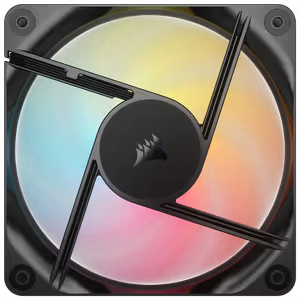
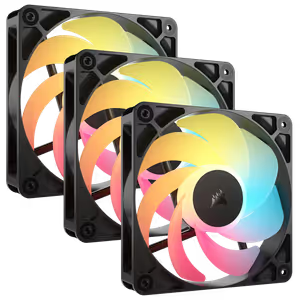

Please Note: Product images are for illustrative purposes only and may differ from the actual product.
Choose your
own PC
Hand-pick every part with live stock, compatibility, and instant pricing.
Try the new builderPrice Inc. Vat
R 799
Save R 100.00
ListR 899
799Change Quantity:
In Stock with Evetech
Choose your
own PC
Hand-pick every part with live stock, compatibility, and instant pricing.
Try the new builderCorsair RS120-R ARGB 120mm PWM Reverse Fans