msi-mag-pano-m100r-pz-gaming-case-white
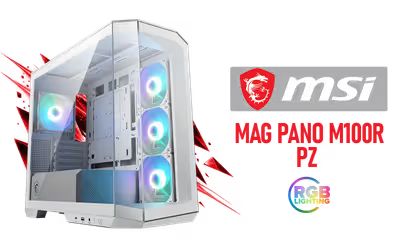
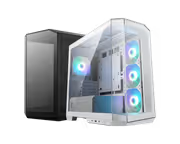
MSI MAG PANO M100R PZ Gaming Case - White / Micro-ATX Tower Case Form Factor / M-ATX (Back-connect supported), ITX / Pre-installed 3x 120mm (Reverse-blade), 1x 120mm ARGB Fans / Tempered Glass / 306-7G24W28-HH9 / 306-7G24W28-HH9
2 Years Local Warranty
Model No : MSI 306-7G24W28-HH9
Price Inc. Vat
R 1,999
Save R 500
ListR 2,499
1999Change Quantity:
In Stock with Evetech
MSI MAG PANO M100R PZ White M-ATX Gaming Case
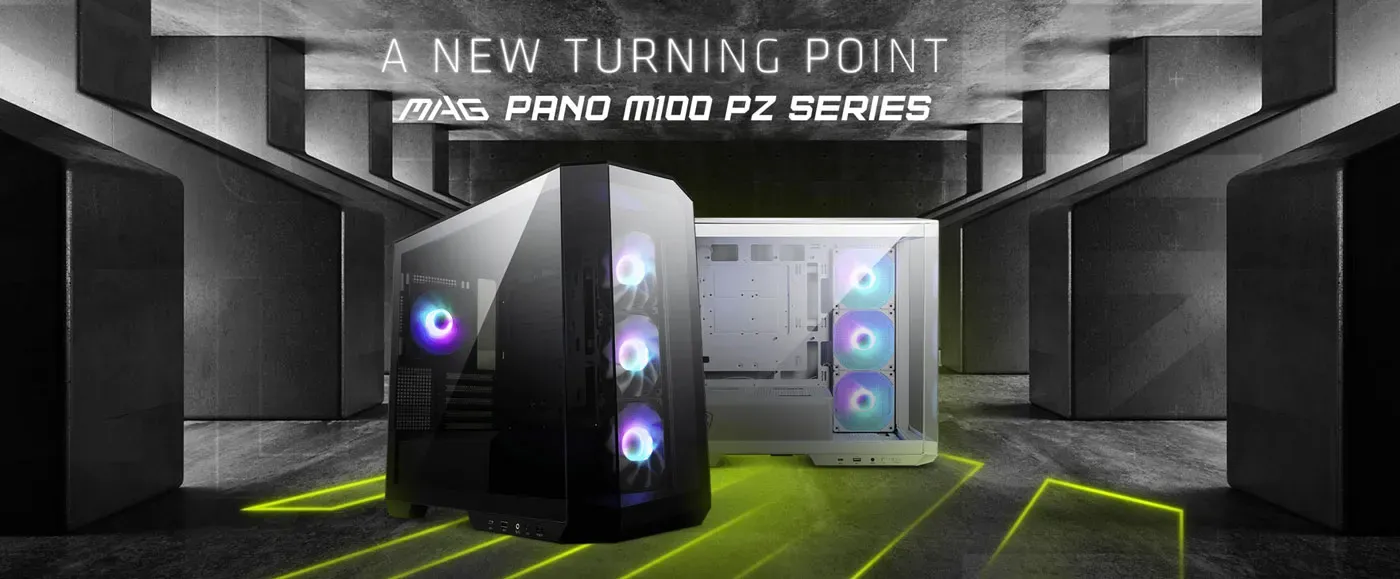
Micro-ATX And ITX Chassis With Back-Connect Support
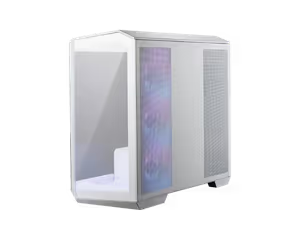
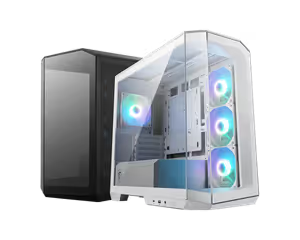
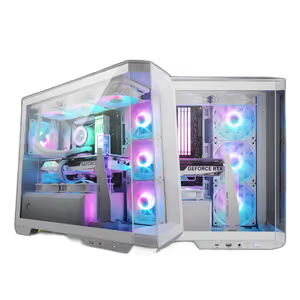
The MSI MAG PANO M100R PZ White Edition is a small PC case that fits Micro-ATX and ITX motherboards, including the newer back-connect boards. Tempered glass on the front and the side lets you see the parts and lighting clearly from two angles at once. The white finish keeps the look clean and modern, and the compact body is still built to hold powerful components.
Micro-ATX And ITX Chassis With Back-Connect Support
The MSI MAG PANO M100R PZ White Edition is a small PC case that fits Micro-ATX and ITX motherboards, including the newer back-connect boards. Tempered glass on the front and the side lets you see the parts and lighting clearly from two angles at once. The white finish keeps the look clean and modern, and the compact body is still built to hold powerful components.
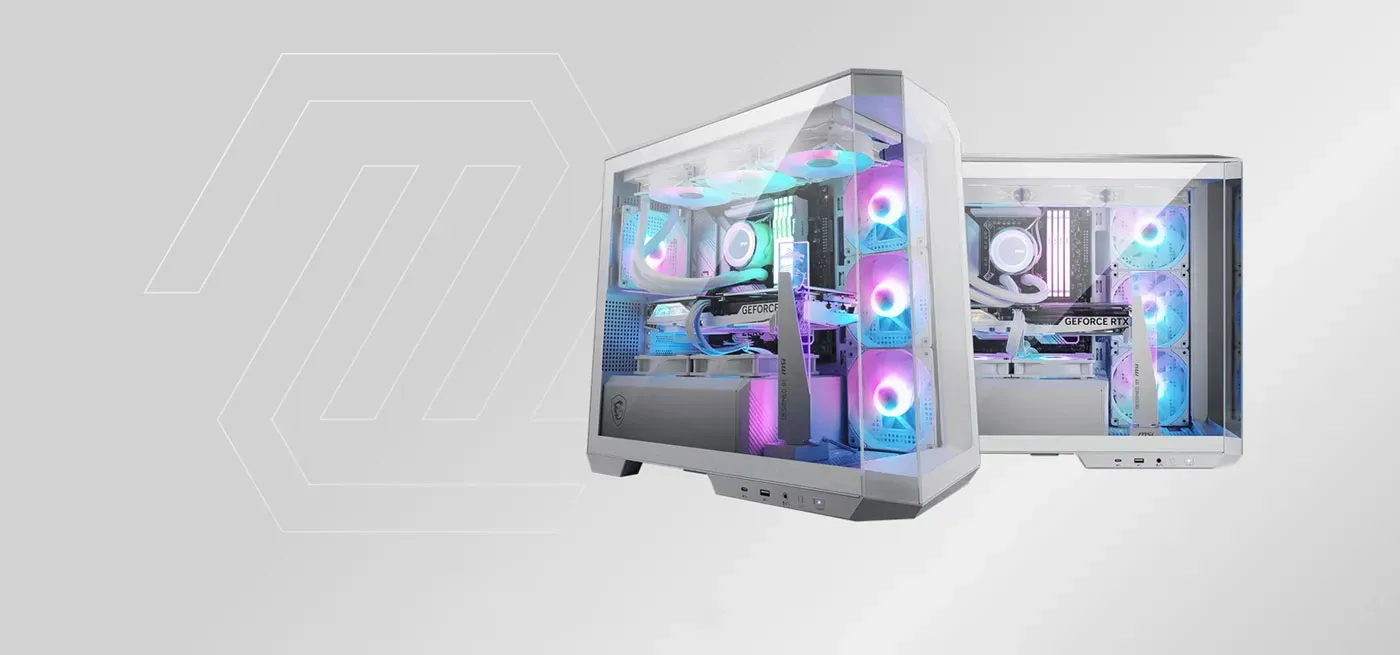
Built As An ARGB Build Showcase
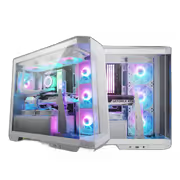
The MAG PANO M100R Series is designed around showing an ARGB build, using a 270-degree panoramic tempered glass display that improves the look while keeping the interior clean. It supports back-connect motherboards and mounts a reverse-blade fan on the side so the finished face of the fan points at the glass. A 1-to-4 ARGB-PWM control board handles cable organisation behind it.
Built As An ARGB Build Showcase
The MAG PANO M100R Series is designed around showing an ARGB build, using a 270-degree panoramic tempered glass display that improves the look while keeping the interior clean. It supports back-connect motherboards and mounts a reverse-blade fan on the side so the finished face of the fan points at the glass. A 1-to-4 ARGB-PWM control board handles cable organisation behind it.
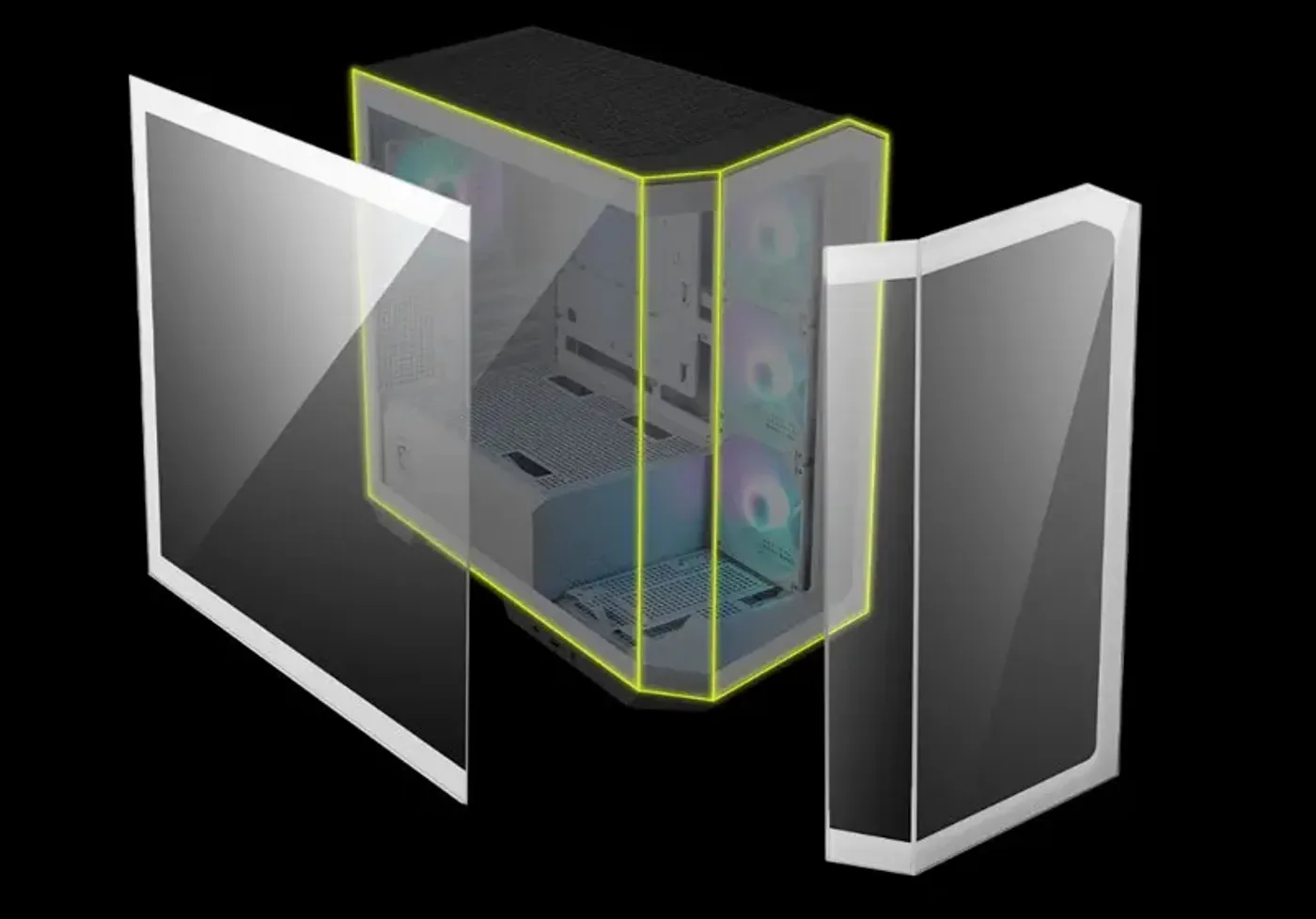
Unobstructed View Of Your Components
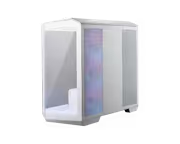
The 270-degree tempered glass panel gives an unobstructed view of everything inside, so ARGB lighting effects and internal hardware are both on display rather than half hidden behind steel. It turns the build itself into the feature of the case, which is the reason to spend time on cable routing and component placement in the first place.
Unobstructed View Of Your Components
The 270-degree tempered glass panel gives an unobstructed view of everything inside, so ARGB lighting effects and internal hardware are both on display rather than half hidden behind steel. It turns the build itself into the feature of the case, which is the reason to spend time on cable routing and component placement in the first place.
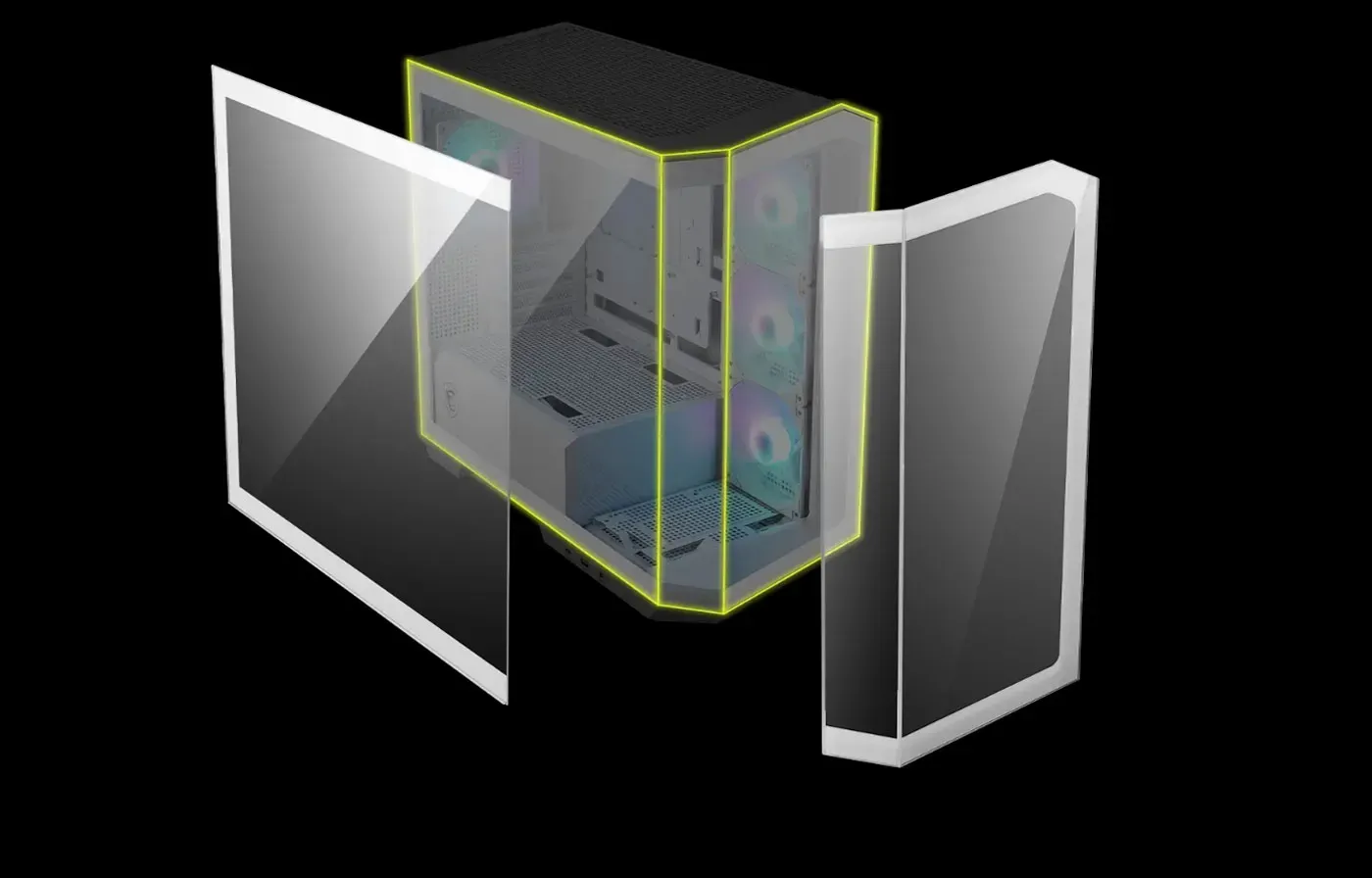
No Metal Obstruction At The Corners
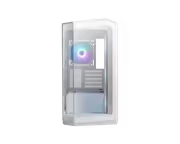
What makes the panoramic panel work is the absence of metal at the corner where the front and side glass meet. Most cases run a steel pillar there, which cuts the view in half exactly where a graphics card and its lighting sit. Removing it is the structural change behind the seamless showcase this chassis is built for.
No Metal Obstruction At The Corners
What makes the panoramic panel work is the absence of metal at the corner where the front and side glass meet. Most cases run a steel pillar there, which cuts the view in half exactly where a graphics card and its lighting sit. Removing it is the structural change behind the seamless showcase this chassis is built for.
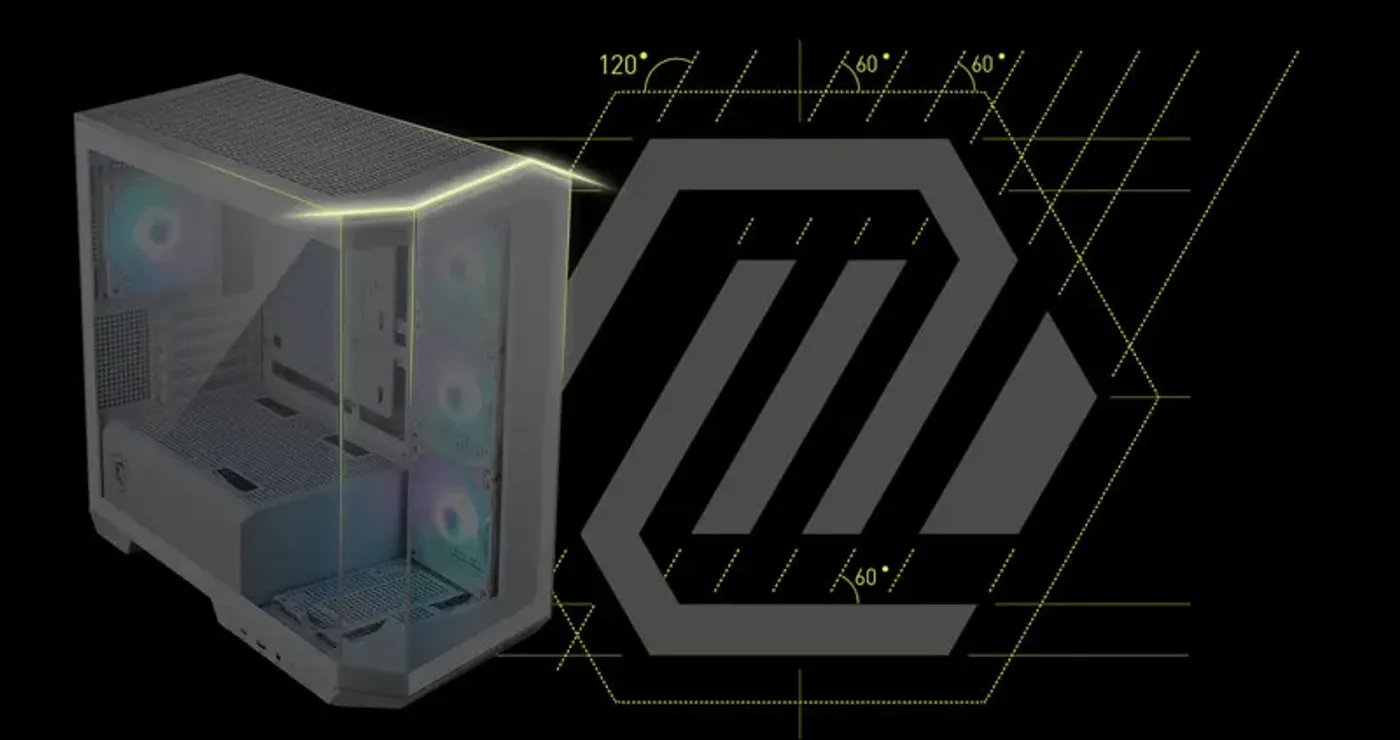
Chassis Design Inspired By The MSI MAG Logo
The chassis design draws on the MSI MAG logo, giving the M100R PZ a distinctive shape that embodies the MAG series rather than following the generic box that most compact cases settle for. It is the visual link between this chassis and the rest of the MSI MAG range on a desk.
Chassis Design Inspired By The MSI MAG Logo
The chassis design draws on the MSI MAG logo, giving the M100R PZ a distinctive shape that embodies the MAG series rather than following the generic box that most compact cases settle for. It is the visual link between this chassis and the rest of the MSI MAG range on a desk.
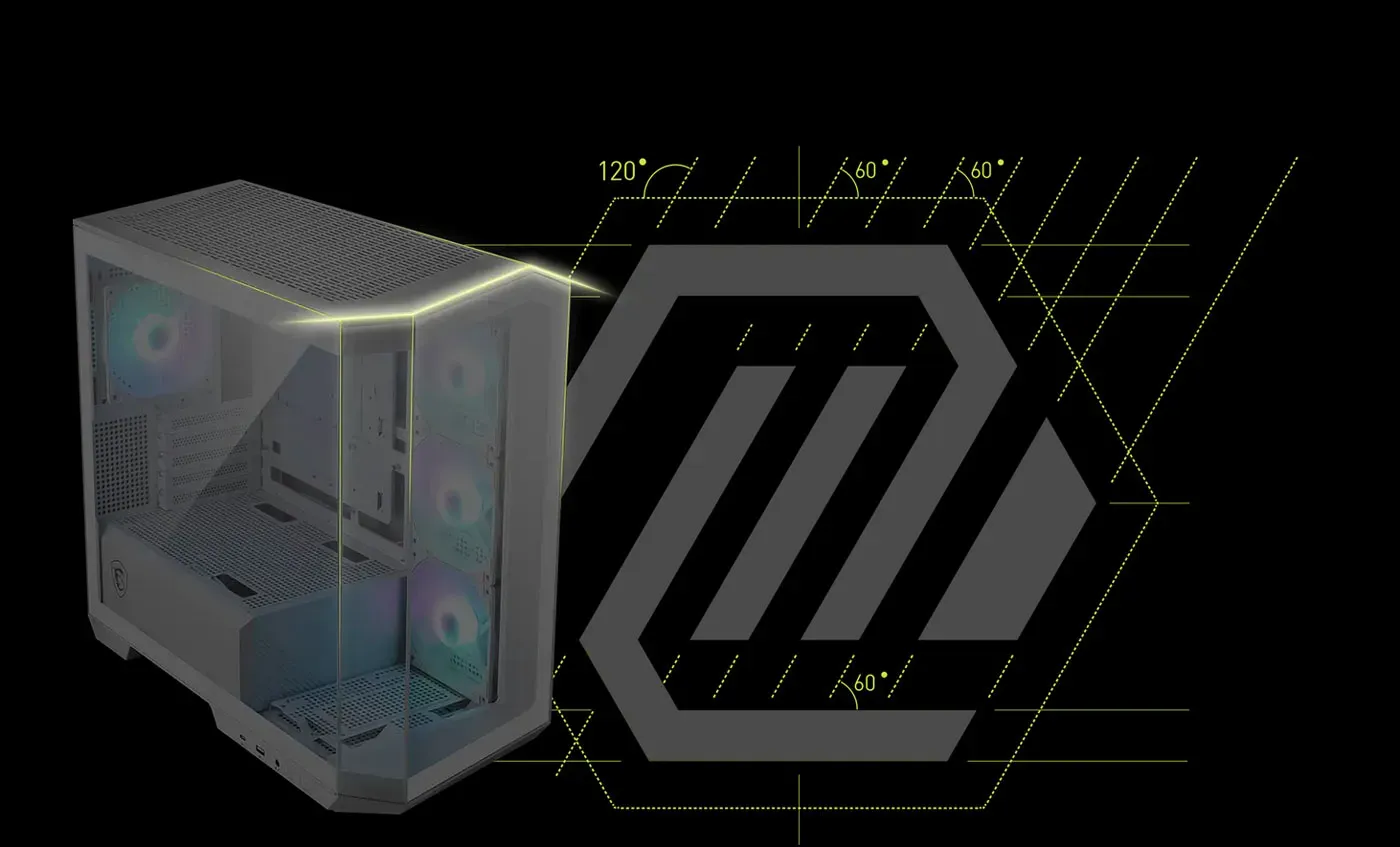
MAG Brand Symbol Lines Across The Exterior
MAG brand symbol lines run through the visual appearance of the case, creating a unique and recognisable look aimed at gaming and high-performance builds. Those lines are what let the M100R PZ be identified across a room, and they line up with MSI MAG motherboards and coolers for anyone building a matched system.
MAG Brand Symbol Lines Across The Exterior
MAG brand symbol lines run through the visual appearance of the case, creating a unique and recognisable look aimed at gaming and high-performance builds. Those lines are what let the M100R PZ be identified across a room, and they line up with MSI MAG motherboards and coolers for anyone building a matched system.
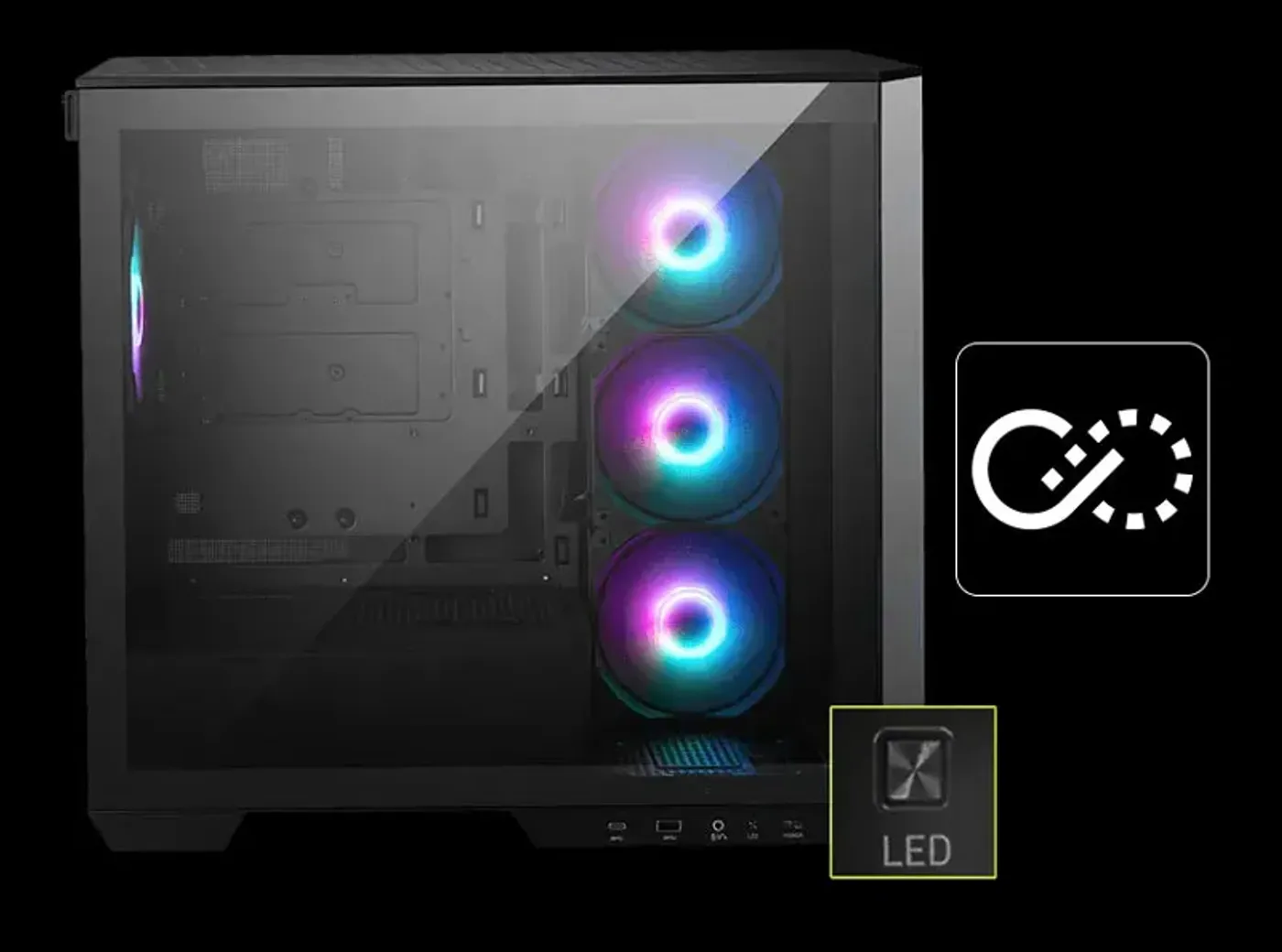
Insta-Light Loop Button Controls Lighting And Fans
An Insta-Light Loop control button on the case manages both lighting effects and fan speeds, so neither needs software open to change. Having the control on the chassis is what makes it usable mid-session: the fans can be quietened or the lighting dimmed without alt-tabbing out of whatever is running.
Insta-Light Loop Button Controls Lighting And Fans
An Insta-Light Loop control button on the case manages both lighting effects and fan speeds, so neither needs software open to change. Having the control on the chassis is what makes it usable mid-session: the fans can be quietened or the lighting dimmed without alt-tabbing out of whatever is running.
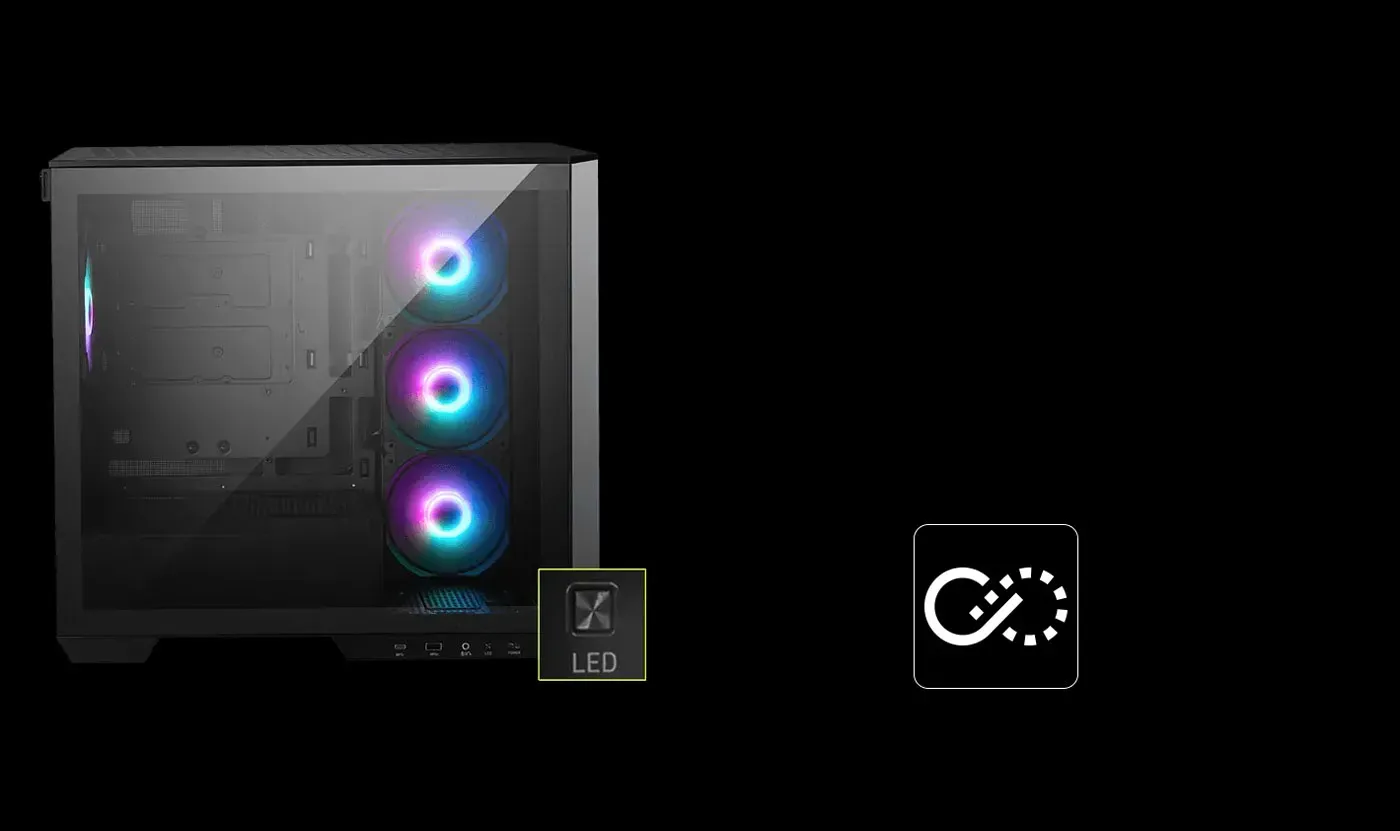
Switch RGB Profiles With A Single Press
Lighting profiles switch effortlessly through the same button, so a set of RGB looks can be compared one after another with the build in front of you. Choosing an effect while watching it run on the actual hardware gives a better result than picking from a list of names in a settings panel.
Switch RGB Profiles With A Single Press
Lighting profiles switch effortlessly through the same button, so a set of RGB looks can be compared one after another with the build in front of you. Choosing an effect while watching it run on the actual hardware gives a better result than picking from a list of names in a settings panel.
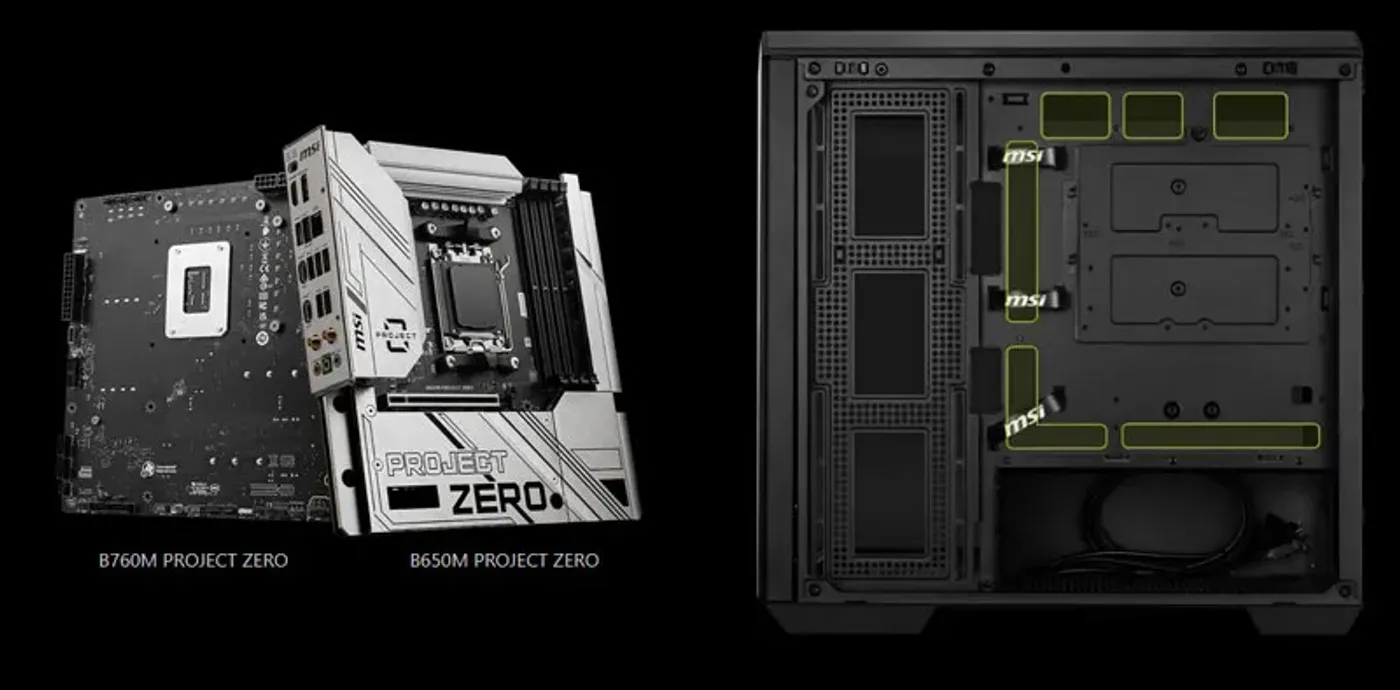
Micro-ATX Back-Connect Motherboards Simplify Installation
Support for Micro-ATX back-connect motherboards moves the connectors to the rear of the board, which simplifies installation in a chassis this size. Plugging the front panel header and fan leads in behind the tray, where there is room to work, removes the most awkward part of assembling a compact system.
Micro-ATX Back-Connect Motherboards Simplify Installation
Support for Micro-ATX back-connect motherboards moves the connectors to the rear of the board, which simplifies installation in a chassis this size. Plugging the front panel header and fan leads in behind the tray, where there is room to work, removes the most awkward part of assembling a compact system.
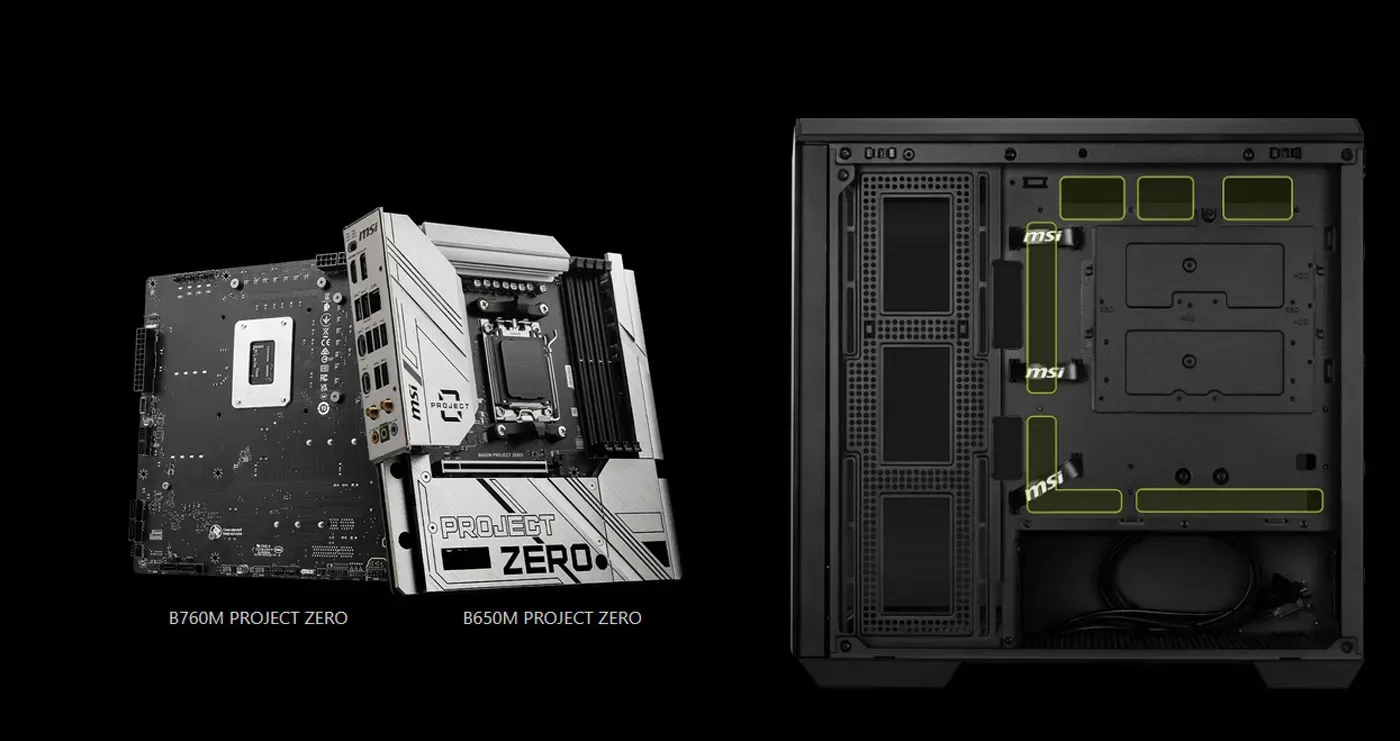
Minimalist Build With Cables Out Of Sight
With the connectors moved behind the board, cable management becomes a question of routing rather than hiding, and the panoramic glass shows components instead of wiring. The result is the clean and manageable build this minimalist case design is aiming at, where the view through the glass stays uncluttered from any angle.
Minimalist Build With Cables Out Of Sight
With the connectors moved behind the board, cable management becomes a question of routing rather than hiding, and the panoramic glass shows components instead of wiring. The result is the clean and manageable build this minimalist case design is aiming at, where the view through the glass stays uncluttered from any angle.
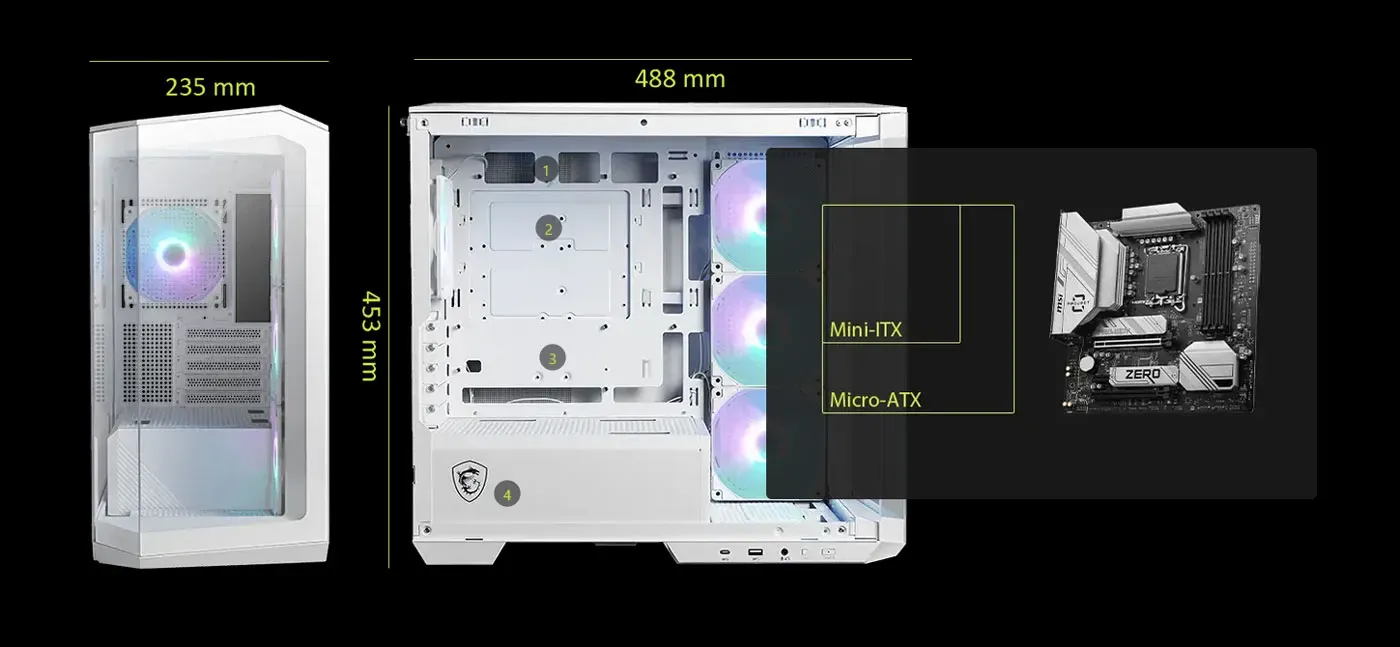
Three Reverse-Blade Fans Plus One ARGB Fan
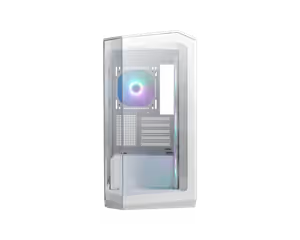
Four fans come pre-installed: three 120mm reverse-blade fans and one ARGB fan. The reverse-blade design pushes air in the right direction for its mounting position and turns the finished face of the fan toward the glass. Because they are fitted from the factory, the case cools and lights up as soon as the build is finished, with no separate fans needed.
Three Reverse-Blade Fans Plus One ARGB Fan
Four fans come pre-installed: three 120mm reverse-blade fans and one ARGB fan. The reverse-blade design pushes air in the right direction for its mounting position and turns the finished face of the fan toward the glass. Because they are fitted from the factory, the case cools and lights up as soon as the build is finished, with no separate fans needed.
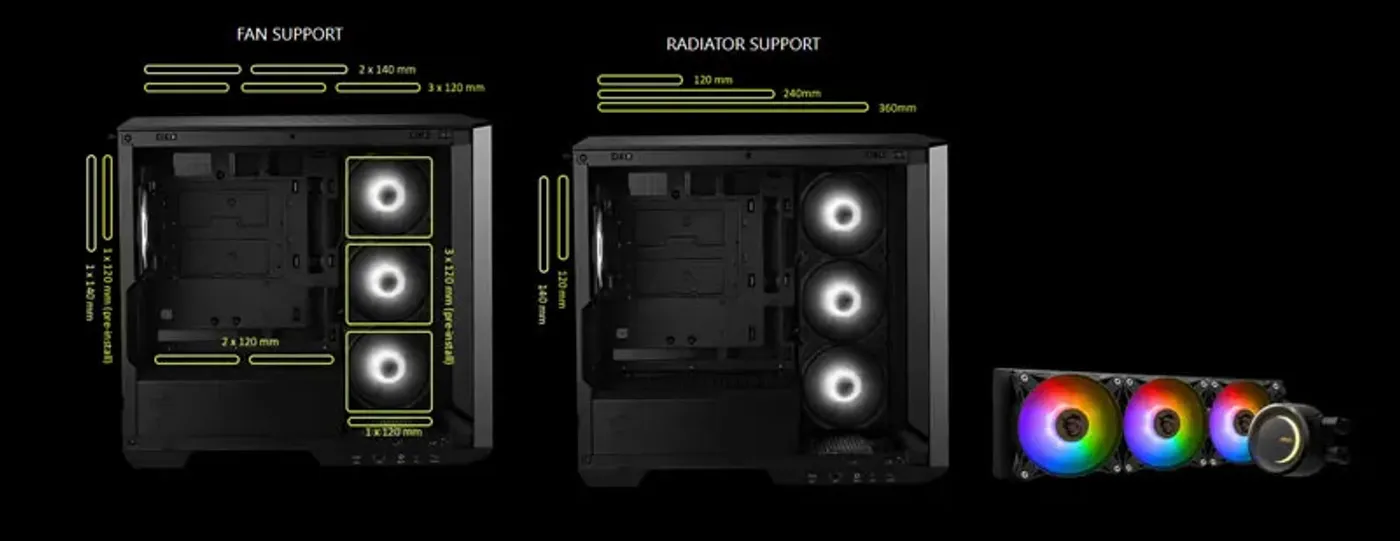
Micro-ATX Or ITX Boards In A Small Footprint
Component support starts with the motherboard: Micro-ATX or ITX, including back-connect versions, all inside a footprint small enough to sit on a desk rather than under one. That is the compromise this chassis is built to avoid, since the smaller board standard does not have to mean smaller parts everywhere else in the system.
Micro-ATX Or ITX Boards In A Small Footprint
Component support starts with the motherboard: Micro-ATX or ITX, including back-connect versions, all inside a footprint small enough to sit on a desk rather than under one. That is the compromise this chassis is built to avoid, since the smaller board standard does not have to mean smaller parts everywhere else in the system.
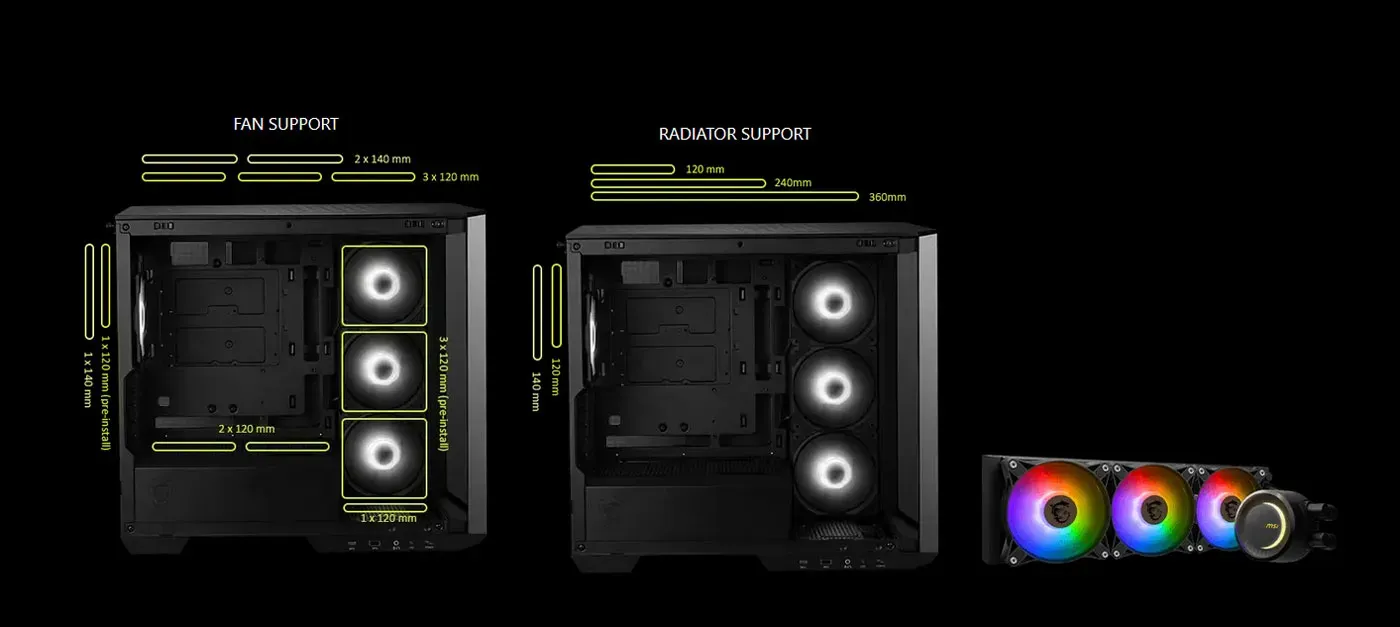
A Small Case Made For Powerful Parts
The M100R PZ is small, but it is made to fit powerful parts alongside its four pre-installed fans and ARGB control board. For anyone building a gaming PC that stands out without taking over the desk, that combination of compact chassis and full-power hardware is the reason to choose it over a larger tower.
A Small Case Made For Powerful Parts
The M100R PZ is small, but it is made to fit powerful parts alongside its four pre-installed fans and ARGB control board. For anyone building a gaming PC that stands out without taking over the desk, that combination of compact chassis and full-power hardware is the reason to choose it over a larger tower.
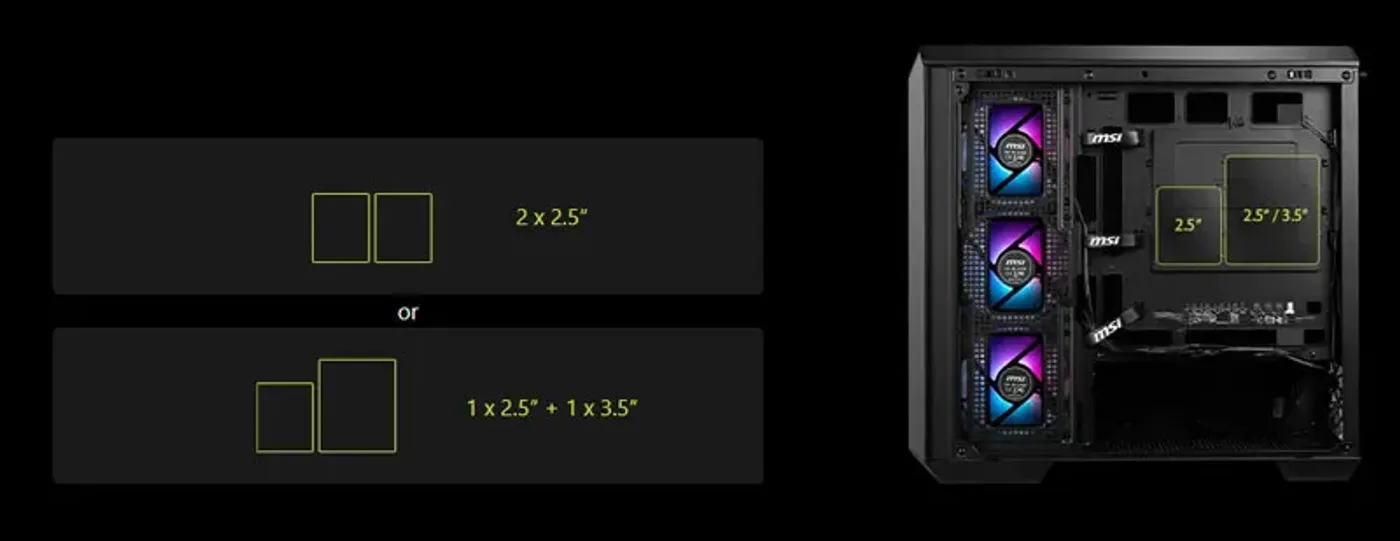
One 2.5-Inch SSD Plus A Combo Drive Bay
Storage support covers 1 x 2.5-inch SSD and 1 x 2.5-inch or 3.5-inch combo drive, so a fast boot drive and a larger second drive both have a home. The combo bay is the useful part, since it takes either a second SSD or a mechanical drive depending on whether capacity or speed matters more to the build.
One 2.5-Inch SSD Plus A Combo Drive Bay
Storage support covers 1 x 2.5-inch SSD and 1 x 2.5-inch or 3.5-inch combo drive, so a fast boot drive and a larger second drive both have a home. The combo bay is the useful part, since it takes either a second SSD or a mechanical drive depending on whether capacity or speed matters more to the build.
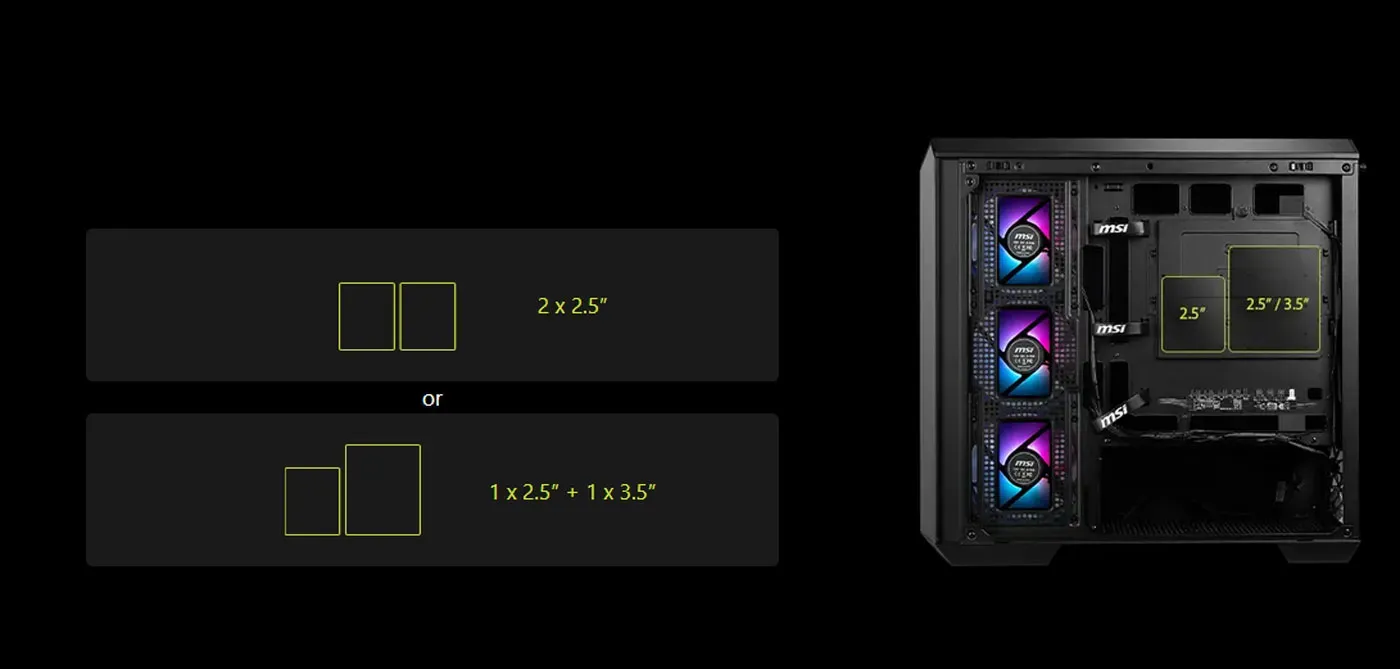
Customise The Storage Layout To The Build
The two mounting positions let you customise the storage setup rather than accepting a fixed cage, which matters in a compact case where every bracket competes with airflow. Fitting only the drives a build actually uses keeps the interior open in front of the fans and leaves the view through the glass clear.
Customise The Storage Layout To The Build
The two mounting positions let you customise the storage setup rather than accepting a fixed cage, which matters in a compact case where every bracket competes with airflow. Fitting only the drives a build actually uses keeps the interior open in front of the fans and leaves the view through the glass clear.
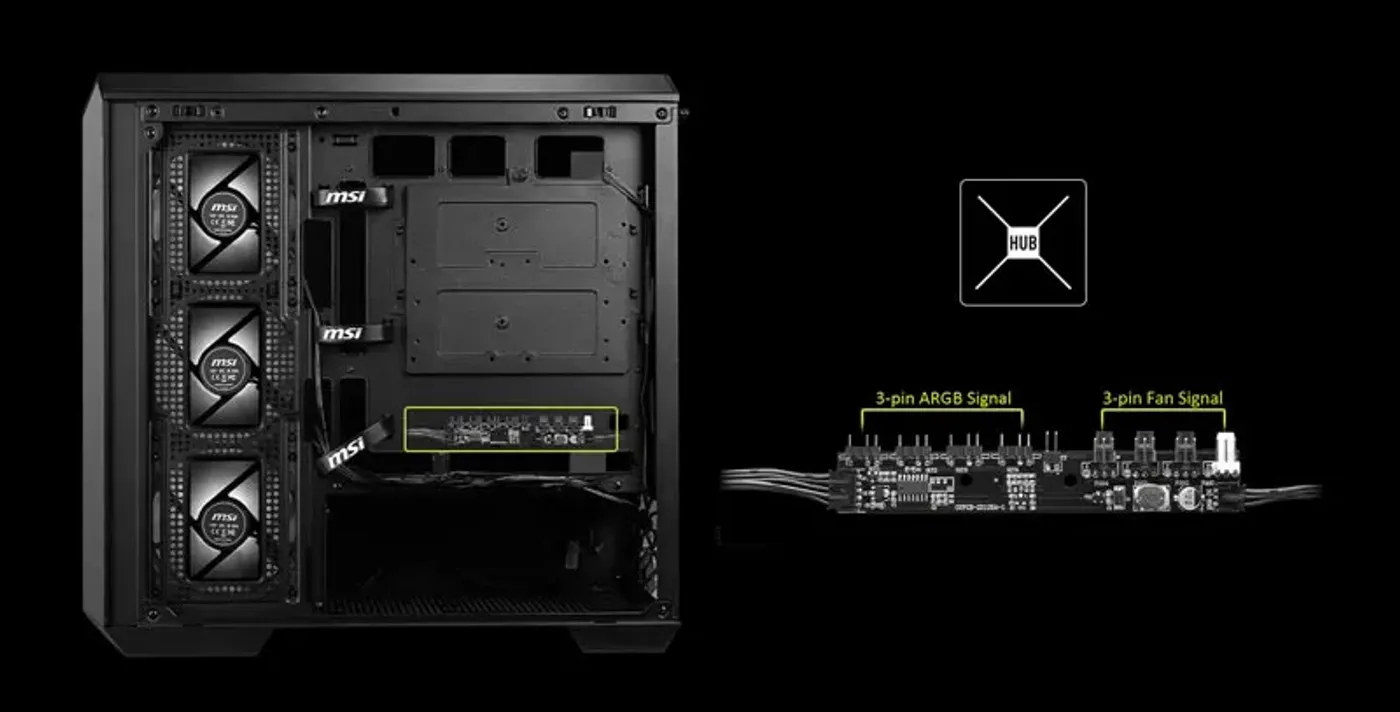
Integrated 1-To-4 ARGB Fan Control Board
An integrated control board manages ARGB lighting effects and fan speeds together, so cooling and lighting are customised from one place at the push of a button. It removes the usual scramble for enough ARGB and PWM headers on a Micro-ATX motherboard, which rarely has as many as a build like this needs.
Integrated 1-To-4 ARGB Fan Control Board
An integrated control board manages ARGB lighting effects and fan speeds together, so cooling and lighting are customised from one place at the push of a button. It removes the usual scramble for enough ARGB and PWM headers on a Micro-ATX motherboard, which rarely has as many as a build like this needs.
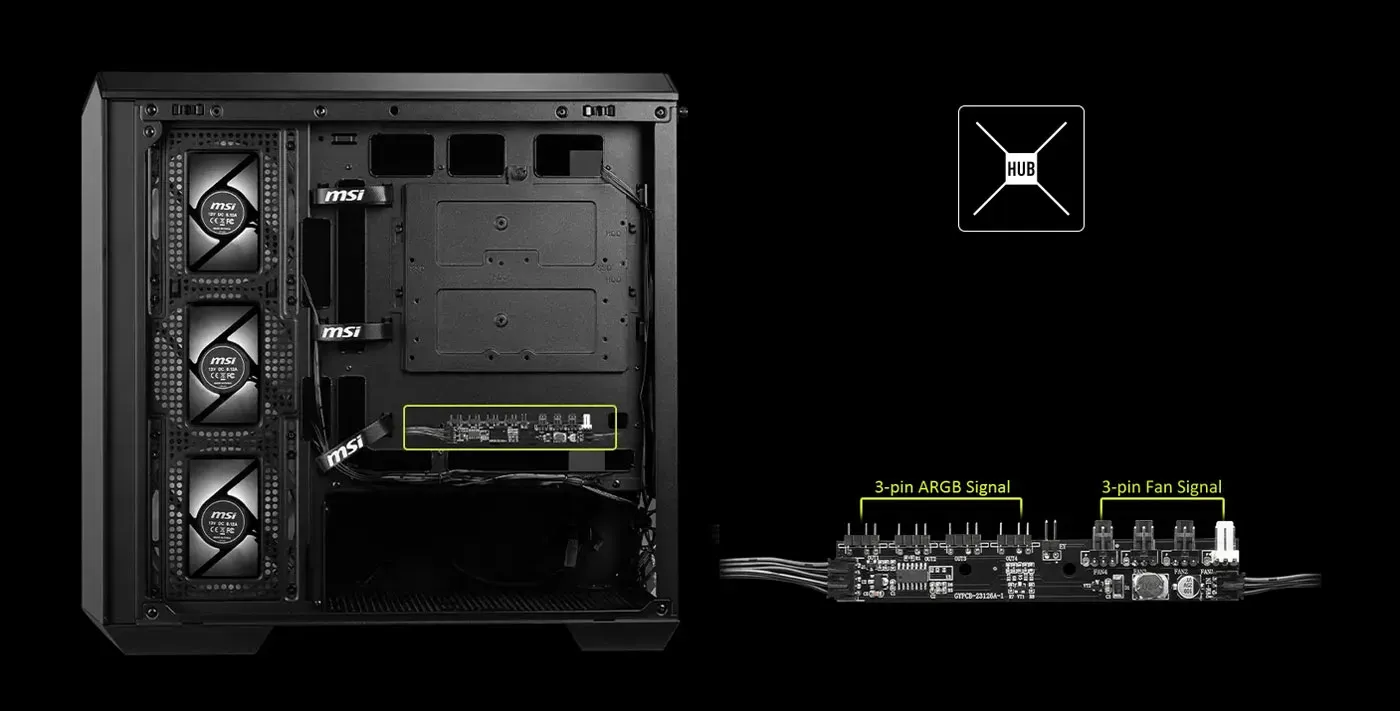
Four ARGB Devices From One Connection
The 1-to-4 arrangement is what the name describes: four ARGB devices run from a single control point instead of four separate leads reaching the motherboard. Fewer cables crossing the interior means less to route and less to hide, which suits a chassis whose main feature is how much of the inside you can see.
Four ARGB Devices From One Connection
The 1-to-4 arrangement is what the name describes: four ARGB devices run from a single control point instead of four separate leads reaching the motherboard. Fewer cables crossing the interior means less to route and less to hide, which suits a chassis whose main feature is how much of the inside you can see.
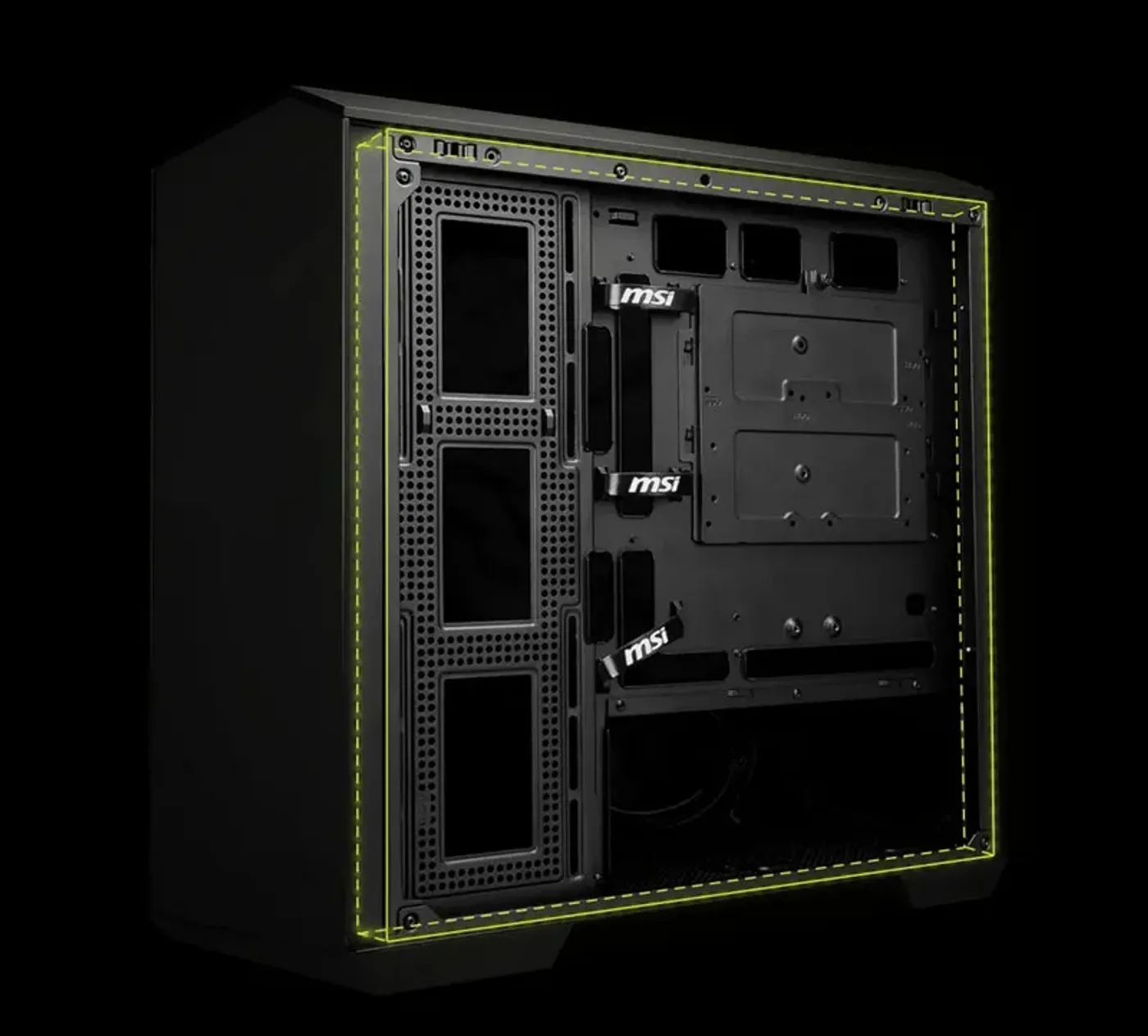
33mm Of Cable Routing Space
There is 33mm of cable routing space behind the motherboard tray, which is the figure that decides whether a side panel closes easily or has to be forced. That depth lets a 24-pin cable and a bundle of fan leads lie flat rather than stacking, and it is generous for a case in this size class.
33mm Of Cable Routing Space
There is 33mm of cable routing space behind the motherboard tray, which is the figure that decides whether a side panel closes easily or has to be forced. That depth lets a 24-pin cable and a bundle of fan leads lie flat rather than stacking, and it is generous for a case in this size class.
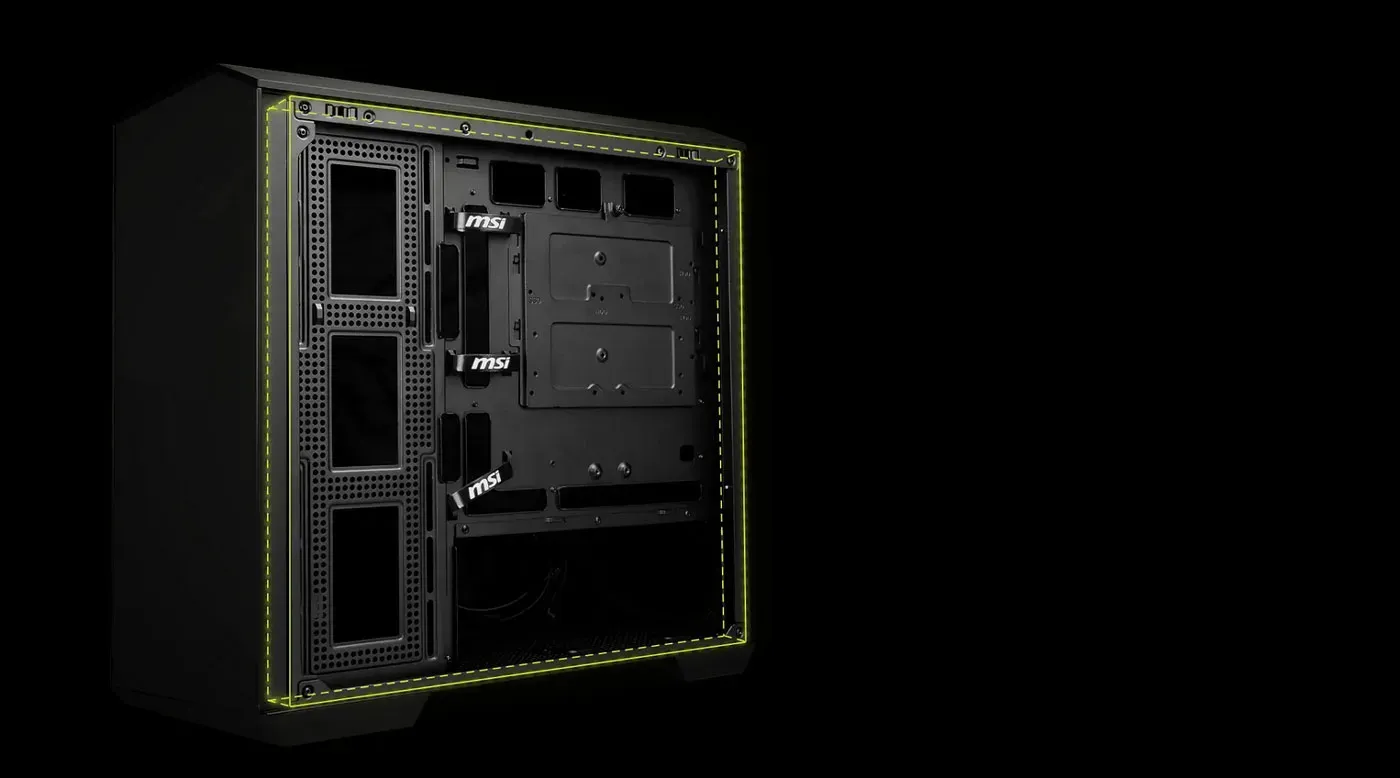
Cable Velcro Strips Fitted From The Factory
Cable Velcro strips come pre-installed along the routing channel, so bundles get strapped down as they are laid rather than needing ties bought separately and threaded in afterwards. It is a small inclusion that makes the difference between a tidy, efficient build and one where the cables shift every time the panel comes off.
Cable Velcro Strips Fitted From The Factory
Cable Velcro strips come pre-installed along the routing channel, so bundles get strapped down as they are laid rather than needing ties bought separately and threaded in afterwards. It is a small inclusion that makes the difference between a tidy, efficient build and one where the cables shift every time the panel comes off.
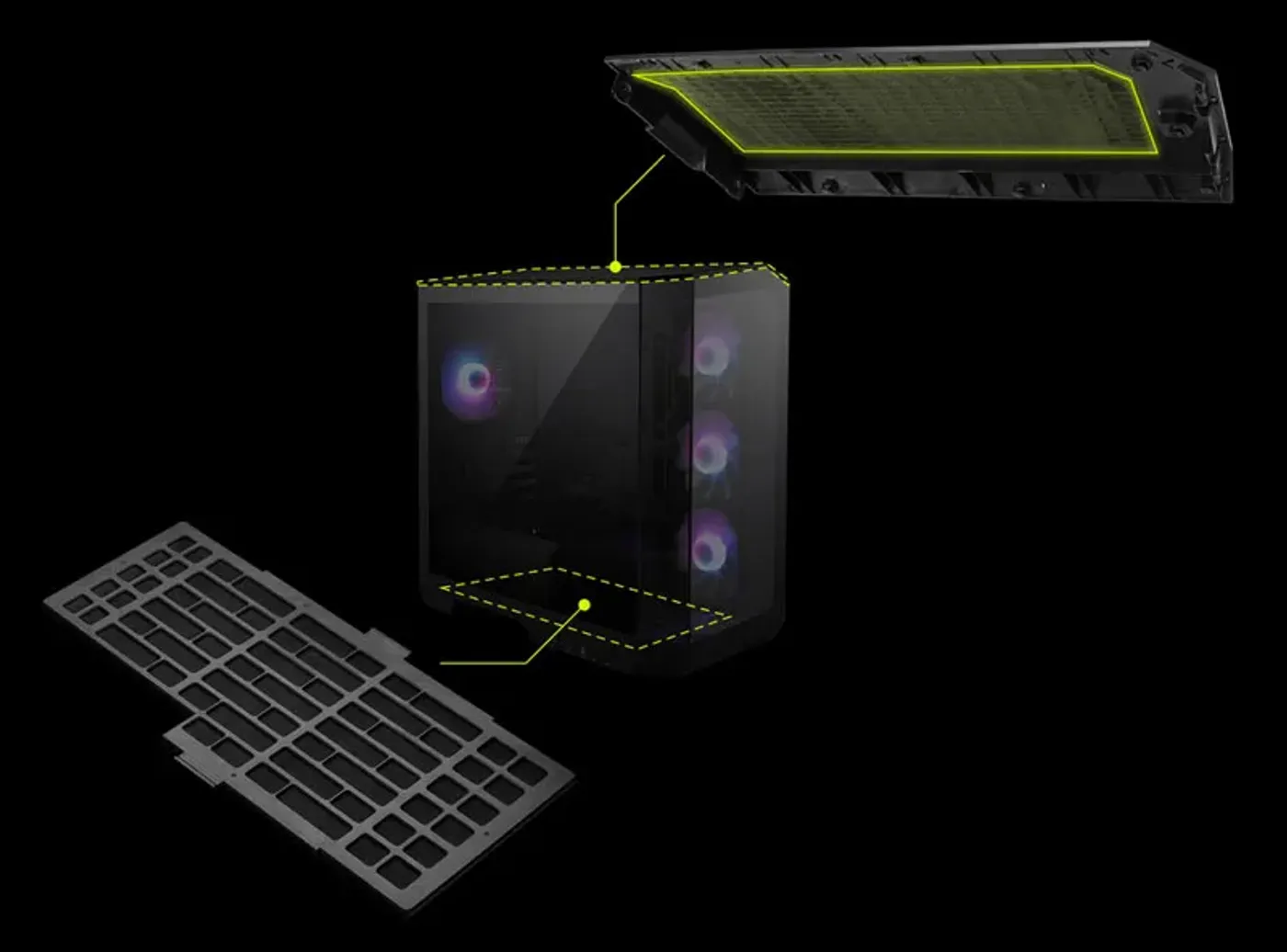
Dust Filters On The Top And Bottom
Removable dust filters are fitted at the top and bottom of the case to prevent dust entering through the main openings. Those two faces are where a compact chassis pulls and pushes most of its air, so filtering them is what keeps the interior, the fans and the glass presentable over months of use.
Dust Filters On The Top And Bottom
Removable dust filters are fitted at the top and bottom of the case to prevent dust entering through the main openings. Those two faces are where a compact chassis pulls and pushes most of its air, so filtering them is what keeps the interior, the fans and the glass presentable over months of use.
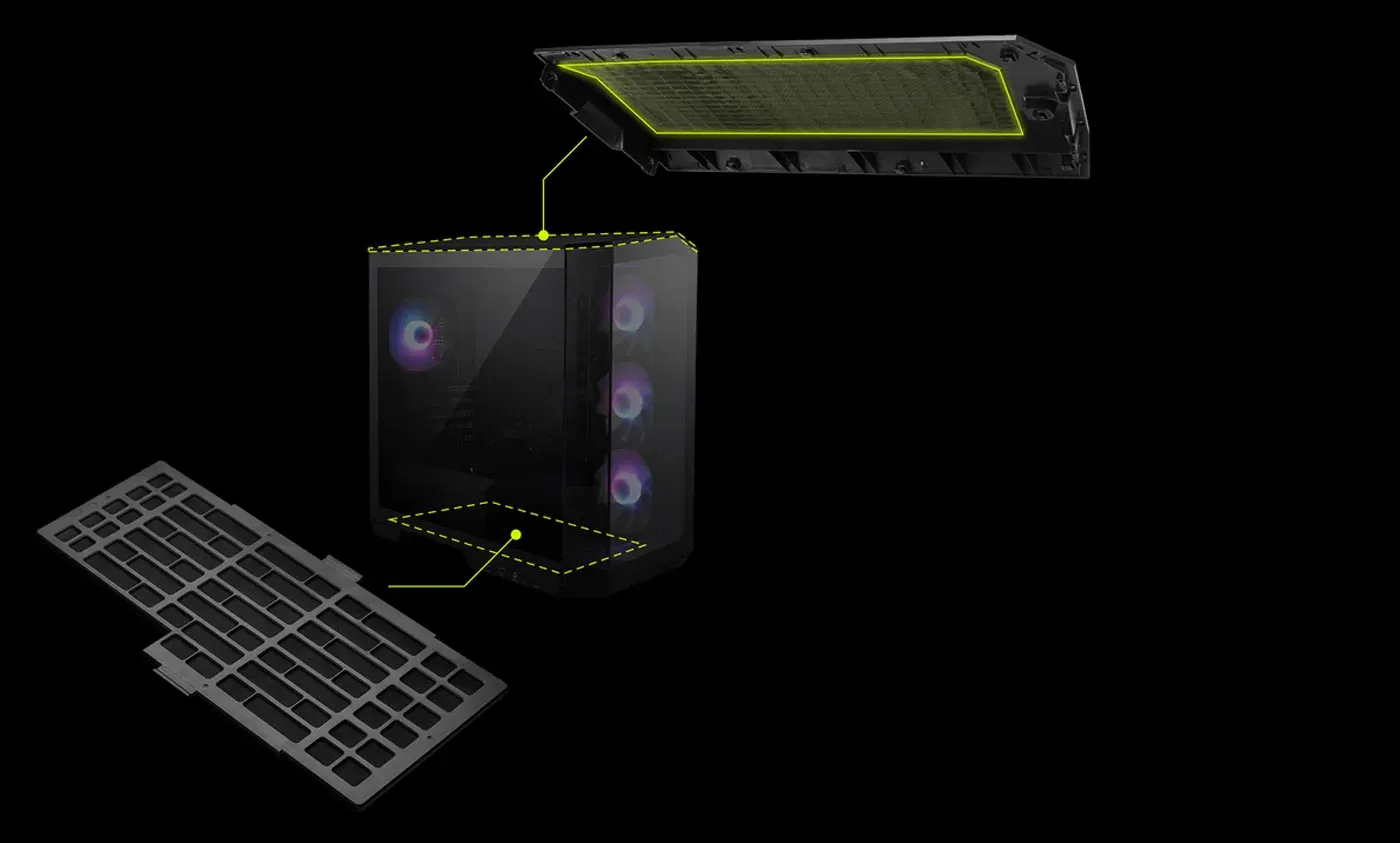
Filters Come Out Easily For Cleaning
Both filters are easy to remove for cleaning, which is the part that determines whether they actually get cleaned. A filter that needs the system stripped down gets ignored until airflow drops; one that slides out in seconds gets rinsed regularly, and that keeps the PC dust-free rather than just filtered on paper.
Filters Come Out Easily For Cleaning
Both filters are easy to remove for cleaning, which is the part that determines whether they actually get cleaned. A filter that needs the system stripped down gets ignored until airflow drops; one that slides out in seconds gets rinsed regularly, and that keeps the PC dust-free rather than just filtered on paper.
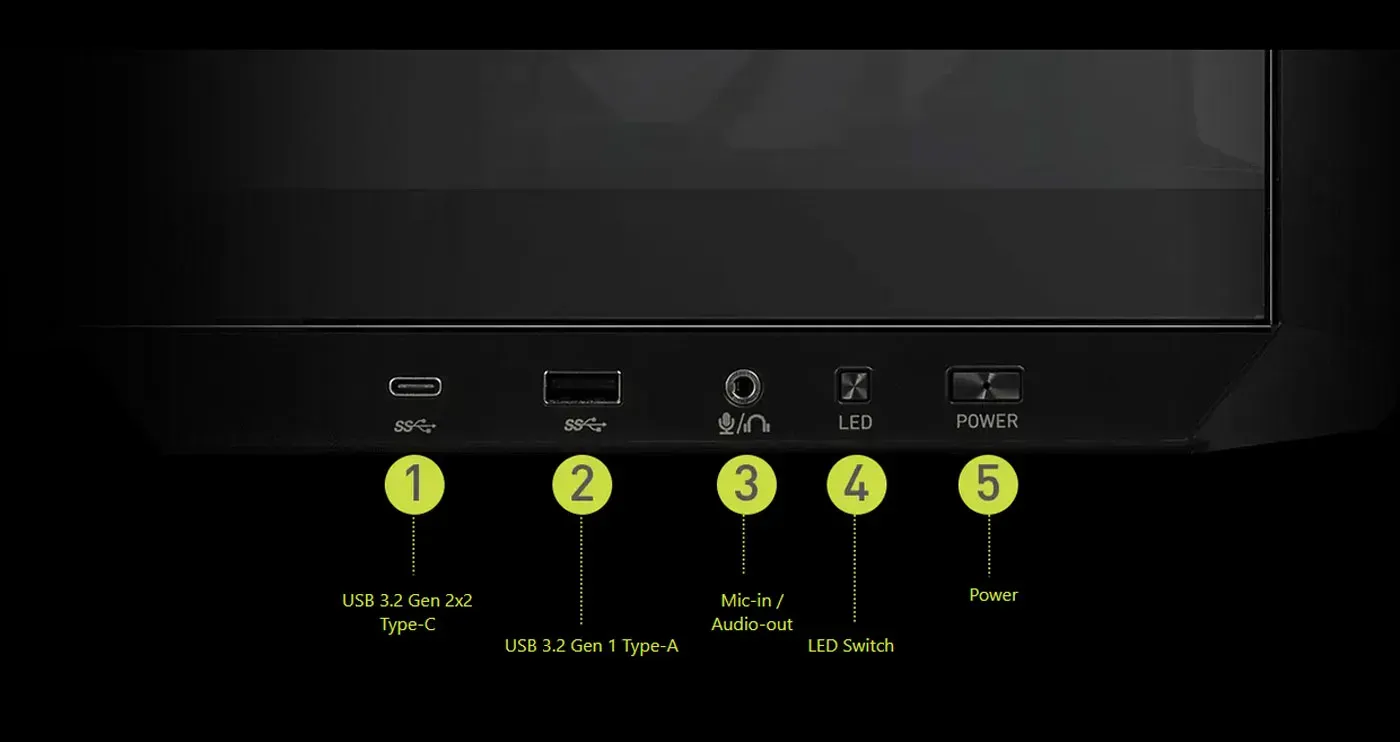
User-Friendly Front I/O Within Reach
The front I/O is placed where it can be reached without moving the case or feeling around the back panel. On a Micro-ATX build that usually sits on the desk next to a monitor, that placement follows the same practical thinking as the Insta-Light Loop button and the removable dust filters elsewhere on the chassis.
User-Friendly Front I/O Within Reach
The front I/O is placed where it can be reached without moving the case or feeling around the back panel. On a Micro-ATX build that usually sits on the desk next to a monitor, that placement follows the same practical thinking as the Insta-Light Loop button and the removable dust filters elsewhere on the chassis.
FAQ
Frequently Asked Questions
Everything you need to know about this product
It fits Micro-ATX and ITX motherboards, including newer back-connect boards.
Four: three 120mm reverse-blade fans and one 120mm ARGB fan.
No. The fans come already installed, so the PC stays cooler and lit from the first build.
Tempered glass runs across the front and side with no metal obstruction at the corners, showing components and ARGB lighting.
The case supports 1 x 2.5-inch SSD and 1 x 2.5-inch or 3.5-inch combo drive.
There is 33mm of cable routing space, with cable Velcro strips pre-installed.
Yes. Removable dust filters on the top and bottom lift out for cleaning.
A 1-to-4 ARGB-PWM control board runs lighting and fan speeds, with an Insta-Light Loop button for switching profiles.
Yes. Micro-ATX back-connect boards are supported, which simplifies installation and cable management.
This is the White Edition of the MAG PANO M100R PZ, listed under part number 306-7G24W28-HH9.
Its back-connect support, pre-installed fans and built-in ARGB control board cut down the number of steps involved in assembly.
Tempered glass sits on the front and the side, giving a 270-degree panoramic view of the interior.

AI-Generated Content: These FAQs are generated by an automated AI system and may contain inaccuracies or omissions. Evetech makes no warranties, express or implied, regarding their completeness or reliability. For definitive information, please refer to the manufacturer's official specifications.
Please Note: Product images are for illustrative purposes only and may differ from the actual product.
Choose your
own PC
Hand-pick every part with live stock, compatibility, and instant pricing.
Try the new builderPrice Inc. Vat
R 1,999
Save R 500
ListR 2,499
1999Change Quantity:
In Stock with Evetech
Choose your
own PC
Hand-pick every part with live stock, compatibility, and instant pricing.
Try the new builderMSI MAG PANO M100R PZ Gaming Case