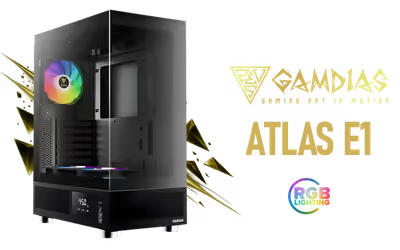
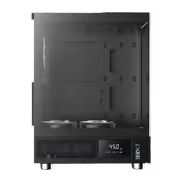
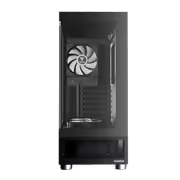
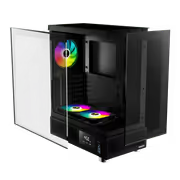
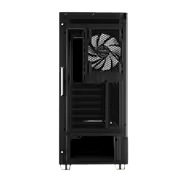
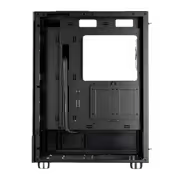
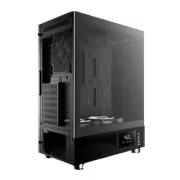
Gamdias ATLAS E1 Gaming Case Black
GAMDIAS ATLAS E1 ATX Mid Tower PC Case, Real-time Monitor, Pre-install 3 x 120 mm ARGB Fans, Seamless Tempered Glass, Supports Motherboards up to ATX, High Airflow Side Vents, Black / ATLAS-E1 + FREE DELIVERY !
1 Year Local Warranty
Model No : GAMDIAS ATLAS-E1
Price Inc. Vat
R 1,299
Save R 400
ListR 1,699
1299Free Delivery
Qty:
In Stock with Evetech
GAMDIAS ATLAS E1 ATX Mid Tower PC Case with ARGB Fans
ATX Mid Tower With A Real-Time System Monitor
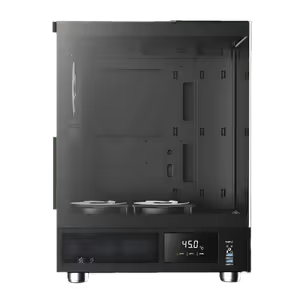
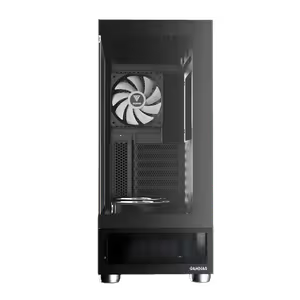
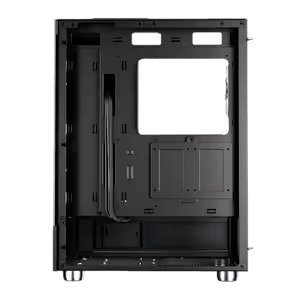
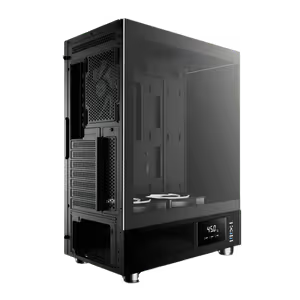
The GAMDIAS ATLAS E1 is a black ATX mid-tower case fitted with three pre-installed 120mm ARGB fans and high-airflow side vents. A seamless tempered glass panel puts the build on show, and an integrated real-time monitor reports system status from the front of the chassis rather than from software on a second screen. It is built for PC builders who want cooling, lighting and telemetry in one case.
ATX Mid Tower With A Real-Time System Monitor
The GAMDIAS ATLAS E1 is a black ATX mid-tower case fitted with three pre-installed 120mm ARGB fans and high-airflow side vents. A seamless tempered glass panel puts the build on show, and an integrated real-time monitor reports system status from the front of the chassis rather than from software on a second screen. It is built for PC builders who want cooling, lighting and telemetry in one case.
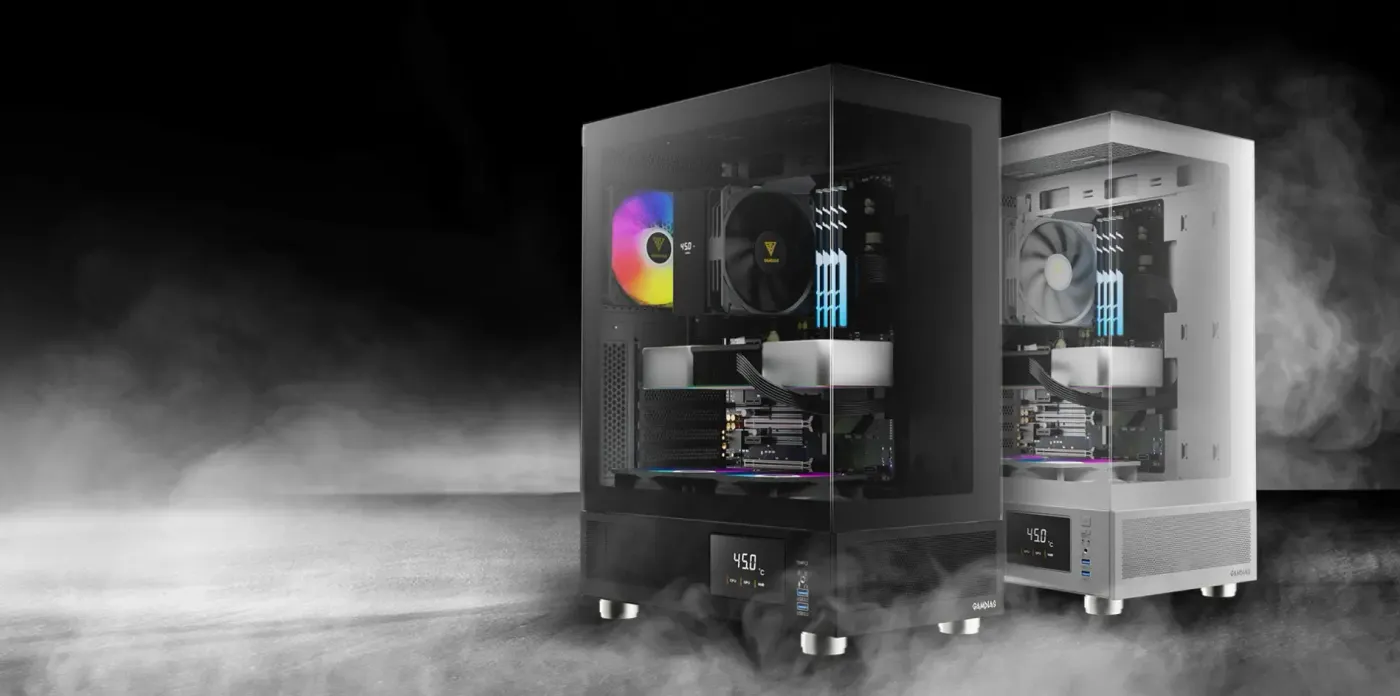
Perforated Vents, Three ARGB Fans, Glass Panels
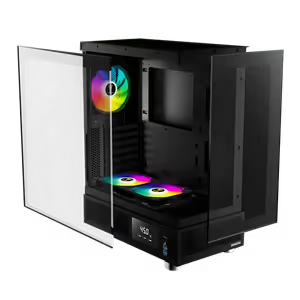
The ATLAS E1 series comes in black and white finishes, and this is the black version. Perforated air vents run across the body and three ARGB fans are built in from the factory, so airflow is handled before any extras are added. Seamless tempered glass panels show the interior, while a customisable monitor puts live system information on the outside of the case.
Perforated Vents, Three ARGB Fans, Glass Panels
The ATLAS E1 series comes in black and white finishes, and this is the black version. Perforated air vents run across the body and three ARGB fans are built in from the factory, so airflow is handled before any extras are added. Seamless tempered glass panels show the interior, while a customisable monitor puts live system information on the outside of the case.
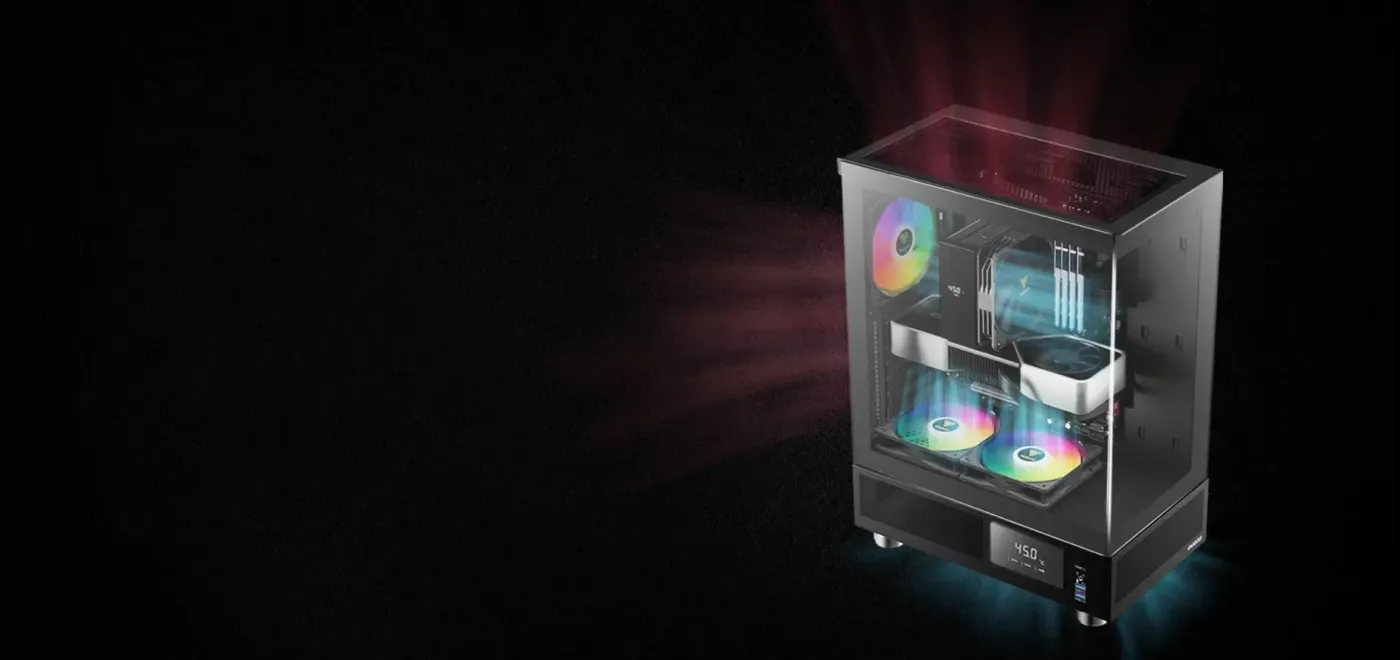
Ventilation Through Top Panel, PSU Chamber And Rear
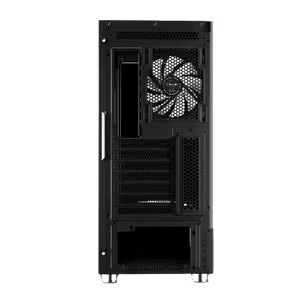
Perforated ventilation is not limited to one face of the ATLAS E1. The top panel, the power supply chamber and the rear exhaust are all vented, which opens up several intake and exhaust configurations rather than forcing a single airflow path. A vented PSU chamber in particular keeps the power supply drawing its own cool air instead of recycling heat from the main compartment.
Ventilation Through Top Panel, PSU Chamber And Rear
Perforated ventilation is not limited to one face of the ATLAS E1. The top panel, the power supply chamber and the rear exhaust are all vented, which opens up several intake and exhaust configurations rather than forcing a single airflow path. A vented PSU chamber in particular keeps the power supply drawing its own cool air instead of recycling heat from the main compartment.
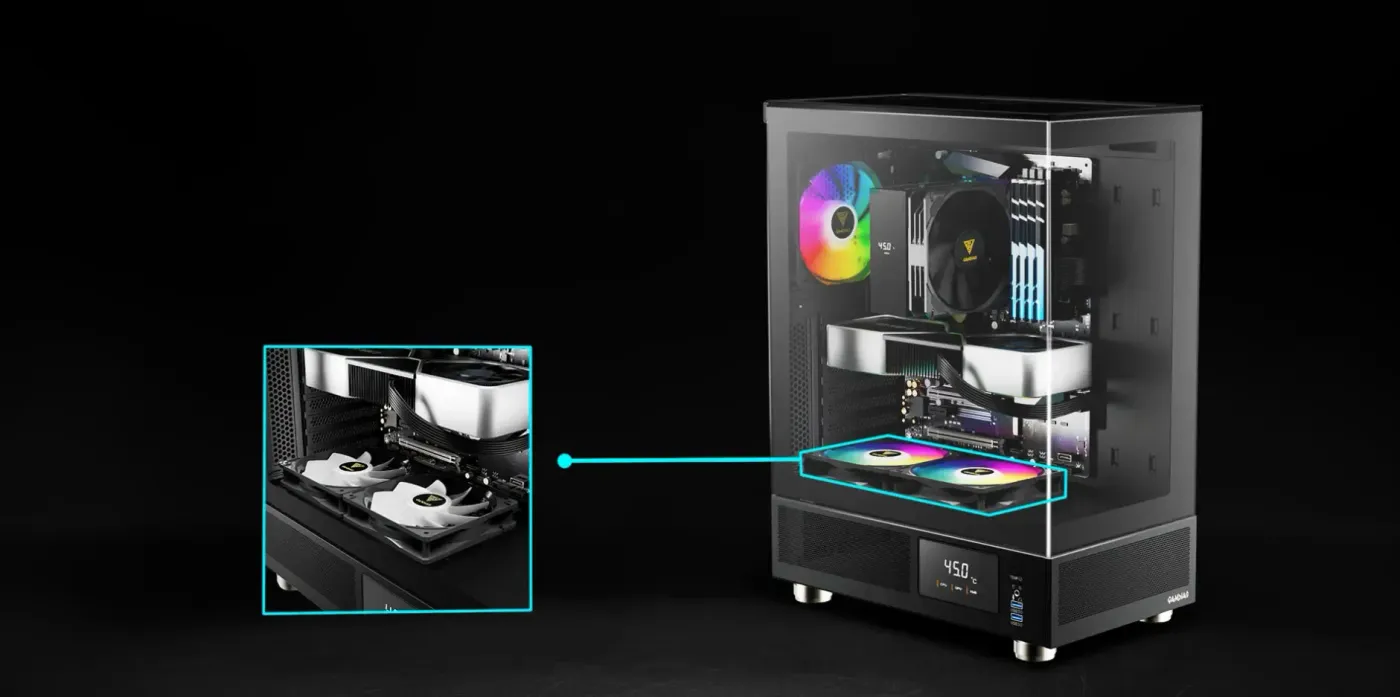
Two Reverse Intake Fans Plus A Rear Exhaust
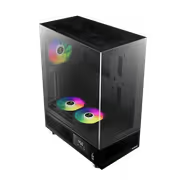
Three ARGB fans ship with the case: two 120mm reverse intake fans mounted at the bottom and one 120mm exhaust fan at the rear. The reverse-blade design means the visible face of the bottom fans is the clean side, so the lighting reads properly through the glass. Colour is controlled either from the motherboard header or the case LED control.
Two Reverse Intake Fans Plus A Rear Exhaust
Three ARGB fans ship with the case: two 120mm reverse intake fans mounted at the bottom and one 120mm exhaust fan at the rear. The reverse-blade design means the visible face of the bottom fans is the clean side, so the lighting reads properly through the glass. Colour is controlled either from the motherboard header or the case LED control.
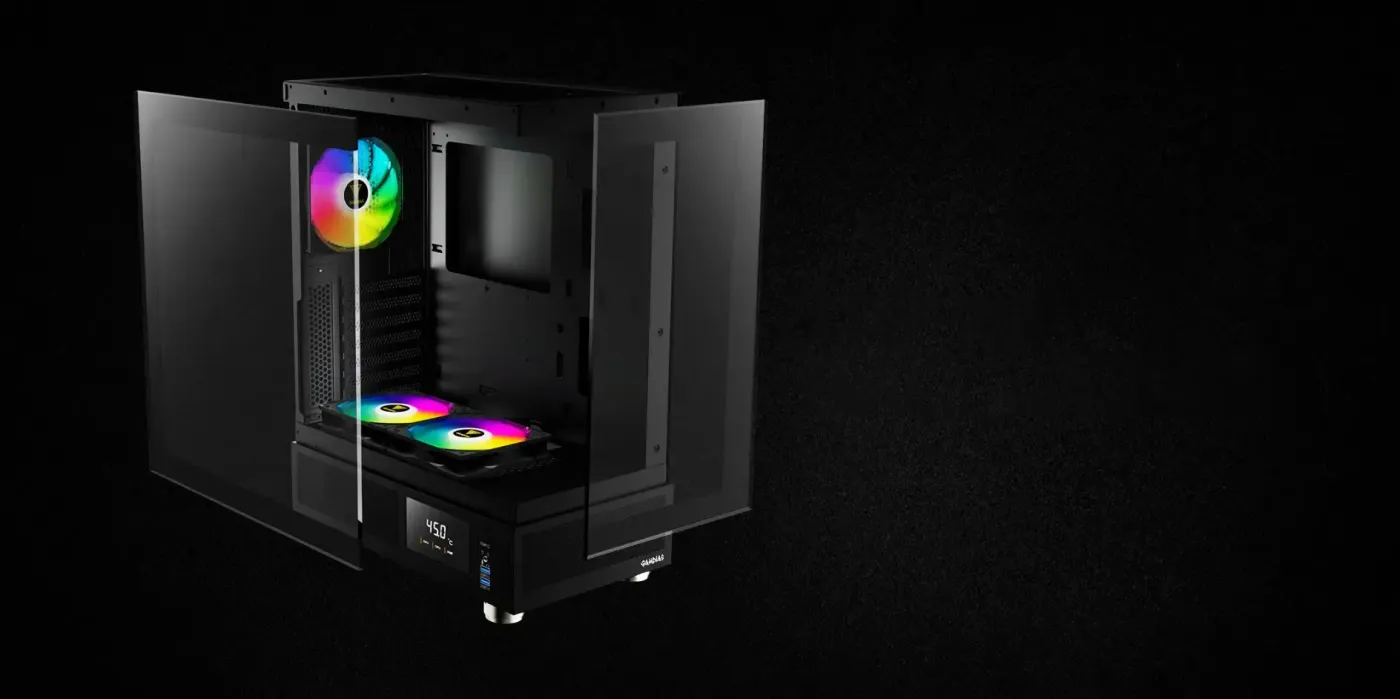
Clasp Mechanism Releases The Glass Panels
The seamless glass panels are held by a clasp mechanism rather than corner thumbscrews, so they come off in one movement when you need to get inside. That speeds up cable work, fan swaps and any modding on the build, and it removes the risk of dropping loose screws into the chassis while a panel is half-supported.
Clasp Mechanism Releases The Glass Panels
The seamless glass panels are held by a clasp mechanism rather than corner thumbscrews, so they come off in one movement when you need to get inside. That speeds up cable work, fan swaps and any modding on the build, and it removes the risk of dropping loose screws into the chassis while a panel is half-supported.
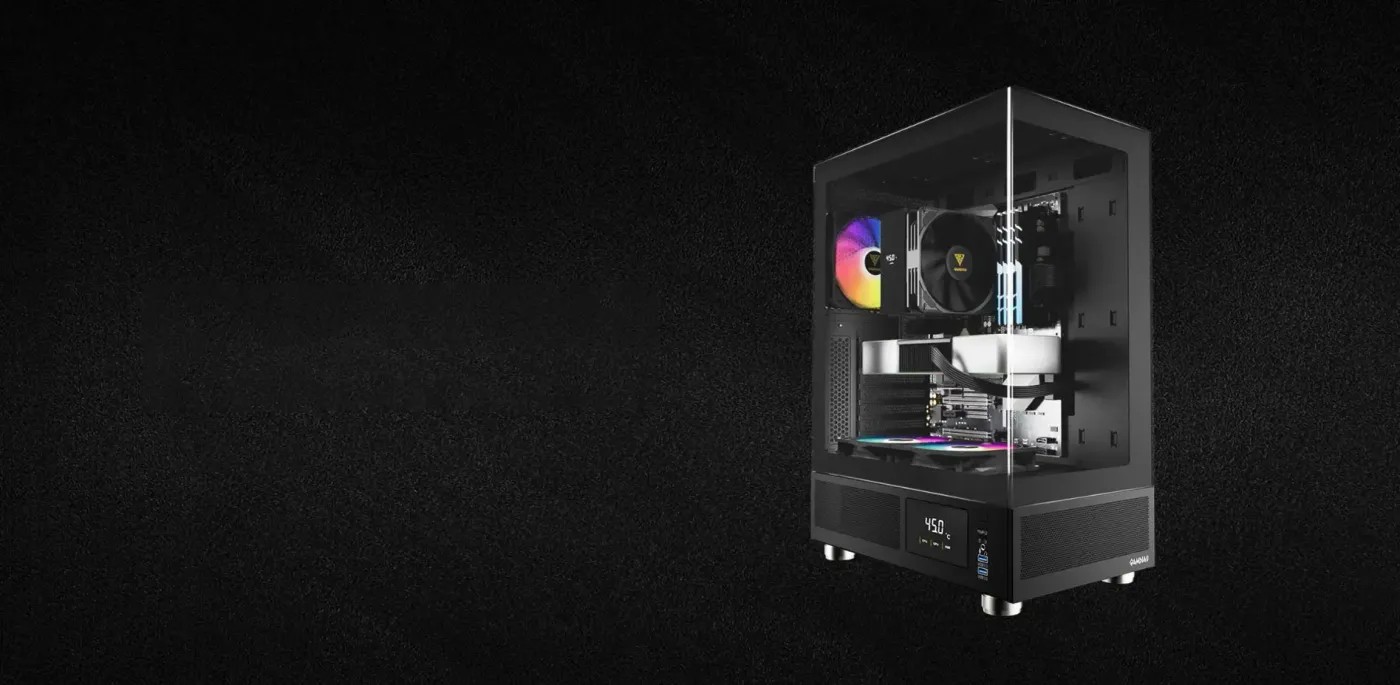
Slim ATX Mid Tower Profile For Tight Desks
The ATLAS E1 keeps a slim profile for an ATX mid-tower, so it sits on a desk or underneath one without dominating the space. Its interior limits, including graphics cards up to 340mm and power supplies up to 160mm, are what keep the exterior footprint down while still covering the parts most builds actually use.
Slim ATX Mid Tower Profile For Tight Desks
The ATLAS E1 keeps a slim profile for an ATX mid-tower, so it sits on a desk or underneath one without dominating the space. Its interior limits, including graphics cards up to 340mm and power supplies up to 160mm, are what keep the exterior footprint down while still covering the parts most builds actually use.
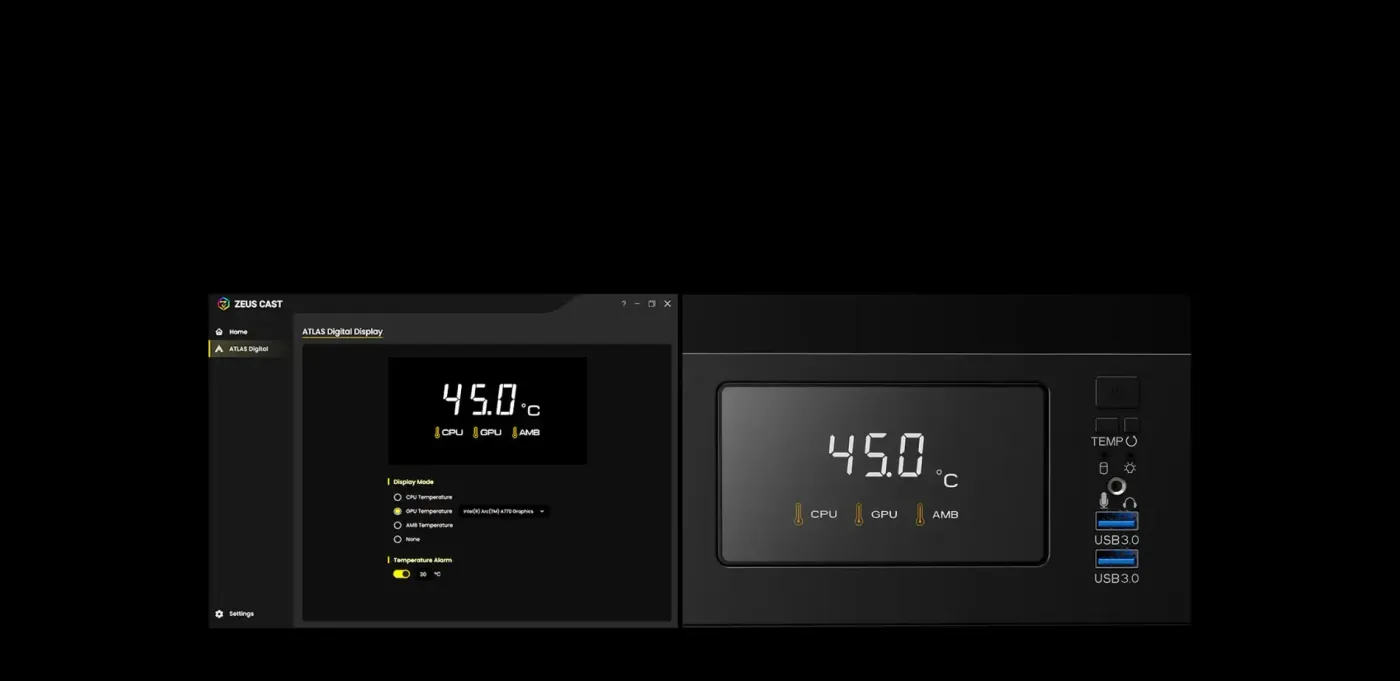
Monitor Shows CPU, GPU And Ambient Temperatures
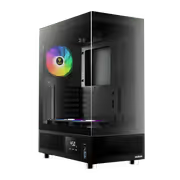
An integrated display on the case reports live CPU, GPU and ambient temperatures, configured through GAMDIAS ZEUS CAST software. From the I/O panel you can cycle between CPU, GPU, AMB and OFF modes without opening anything on the desktop, which is useful for keeping an eye on thermals while a game is running full screen.
Monitor Shows CPU, GPU And Ambient Temperatures
An integrated display on the case reports live CPU, GPU and ambient temperatures, configured through GAMDIAS ZEUS CAST software. From the I/O panel you can cycle between CPU, GPU, AMB and OFF modes without opening anything on the desktop, which is useful for keeping an eye on thermals while a game is running full screen.
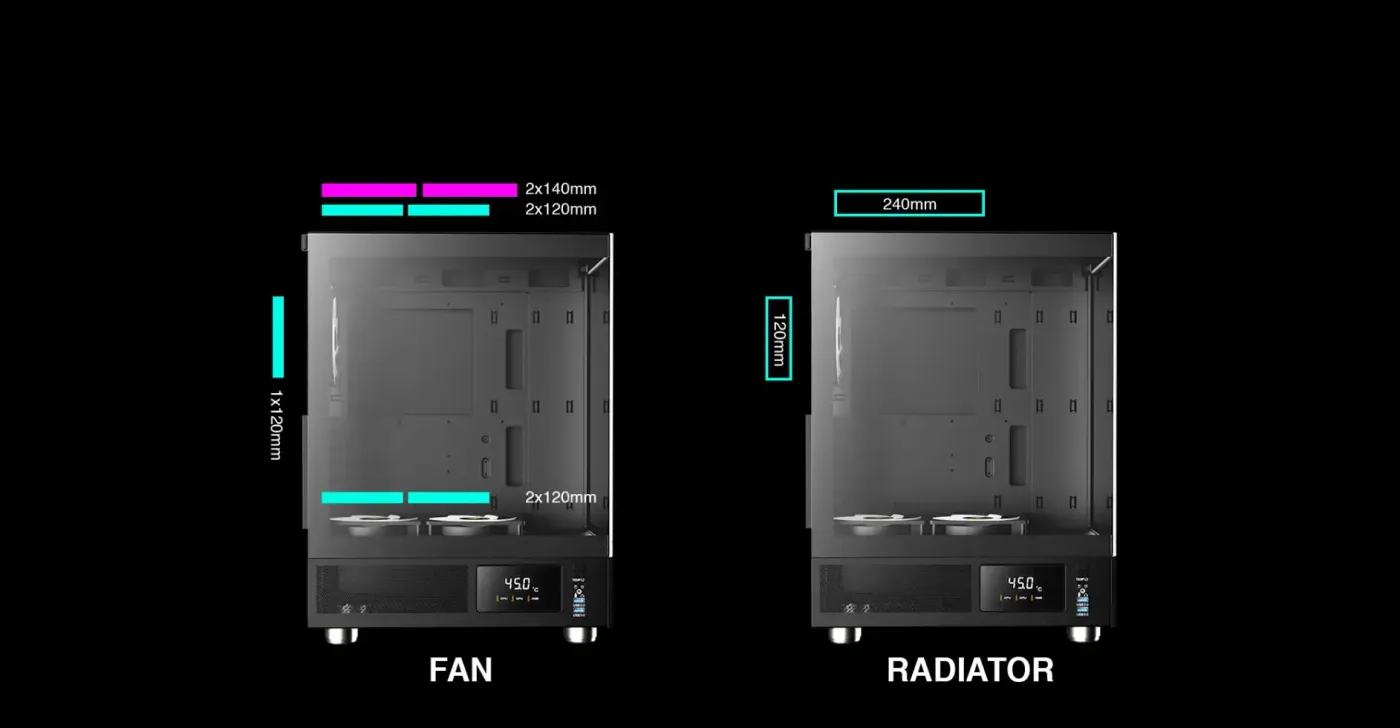
Takes Up To Five Fans And Radiators
The chassis holds up to five fans in total, so the three supplied ARGB units can be joined by two more where a build needs extra intake or exhaust. Radiator mounting is available at the top and the rear, which lets an all-in-one liquid cooler go in without giving up the bottom intake positions.
Takes Up To Five Fans And Radiators
The chassis holds up to five fans in total, so the three supplied ARGB units can be joined by two more where a build needs extra intake or exhaust. Radiator mounting is available at the top and the rear, which lets an all-in-one liquid cooler go in without giving up the bottom intake positions.
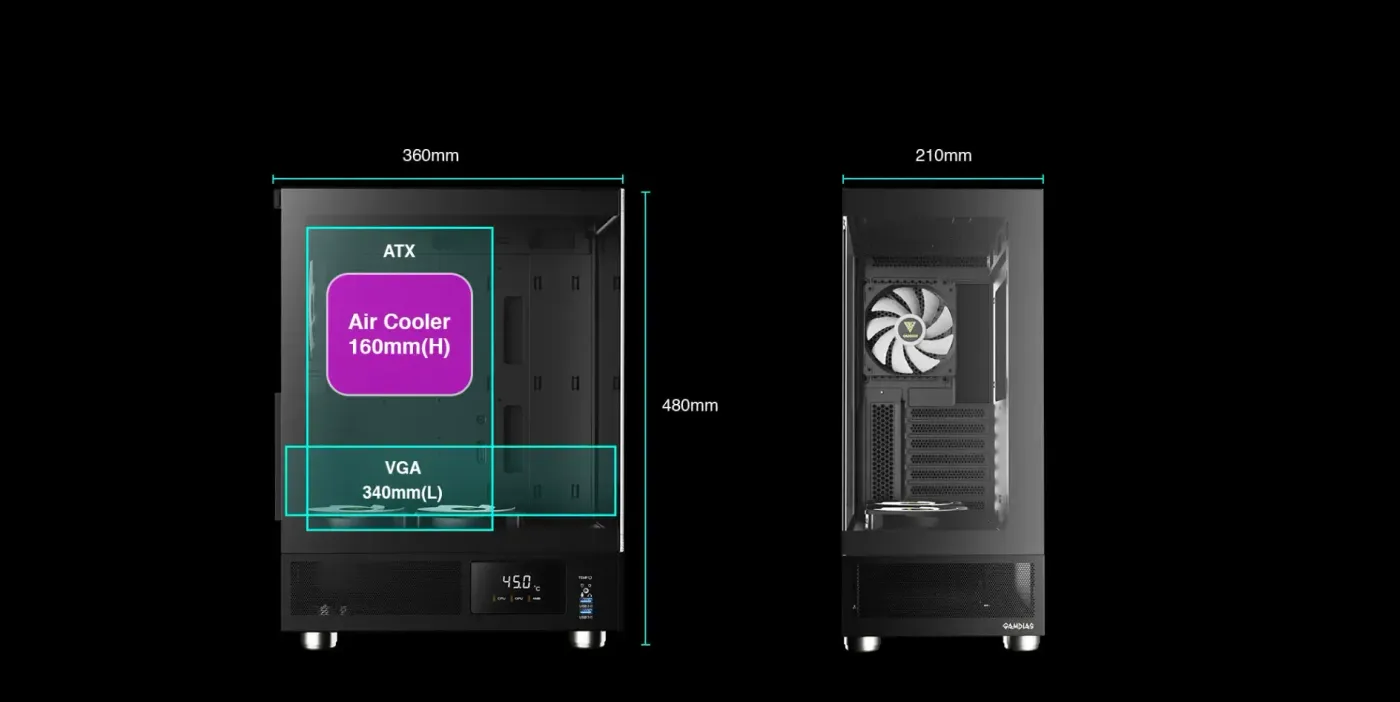
Fits ATX Boards And 340mm Graphics Cards
Motherboard support runs up to ATX, covering the standard sizes most gaming builds are based on. Graphics cards up to 340mm long fit inside, and air coolers are accommodated with 160mm of clearance, so a tower cooler and full-height memory can share the same build without fouling the side panel.
Fits ATX Boards And 340mm Graphics Cards
Motherboard support runs up to ATX, covering the standard sizes most gaming builds are based on. Graphics cards up to 340mm long fit inside, and air coolers are accommodated with 160mm of clearance, so a tower cooler and full-height memory can share the same build without fouling the side panel.
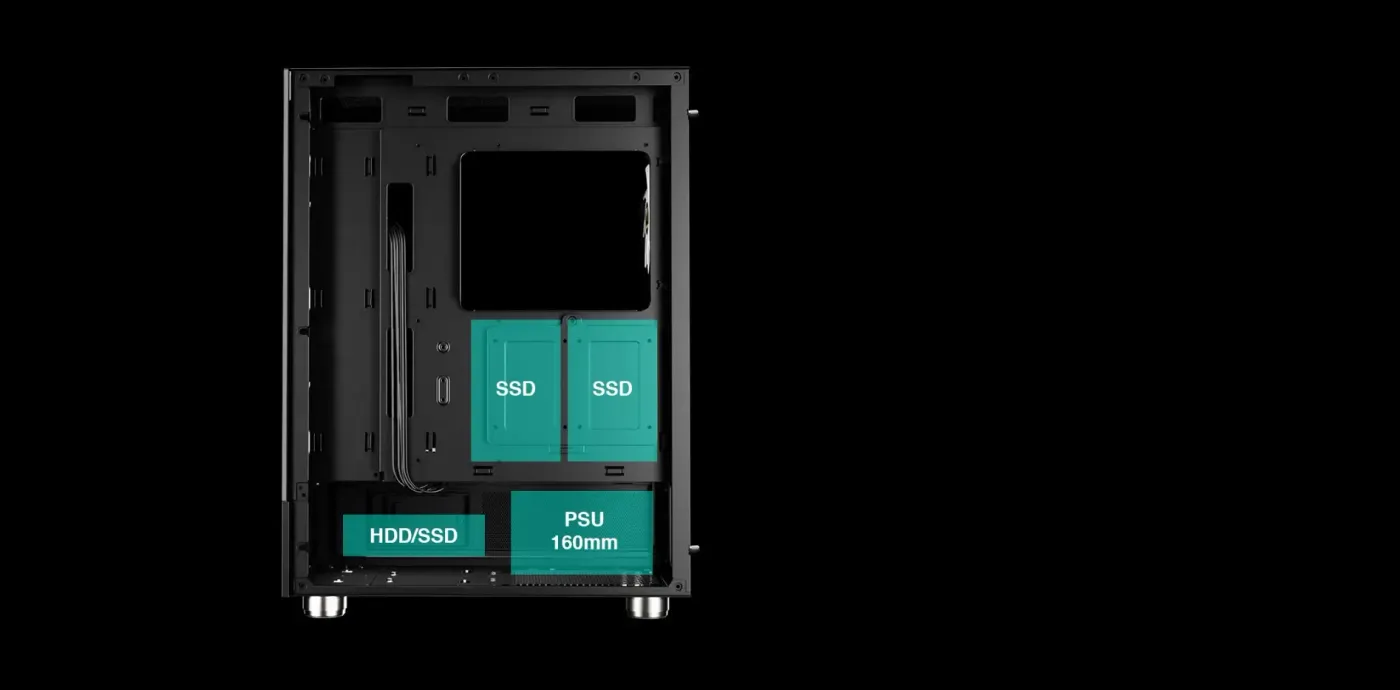
Room For Two 2.5-Inch And One 3.5-Inch Drive
Storage mounting covers up to two 2.5-inch drives and one 3.5-inch drive, which is enough for a pair of SSDs alongside a mechanical drive for bulk files. Power supplies up to 160mm long are supported, so standard ATX units drop straight into the shrouded chamber at the base of the case.
Room For Two 2.5-Inch And One 3.5-Inch Drive
Storage mounting covers up to two 2.5-inch drives and one 3.5-inch drive, which is enough for a pair of SSDs alongside a mechanical drive for bulk files. Power supplies up to 160mm long are supported, so standard ATX units drop straight into the shrouded chamber at the base of the case.
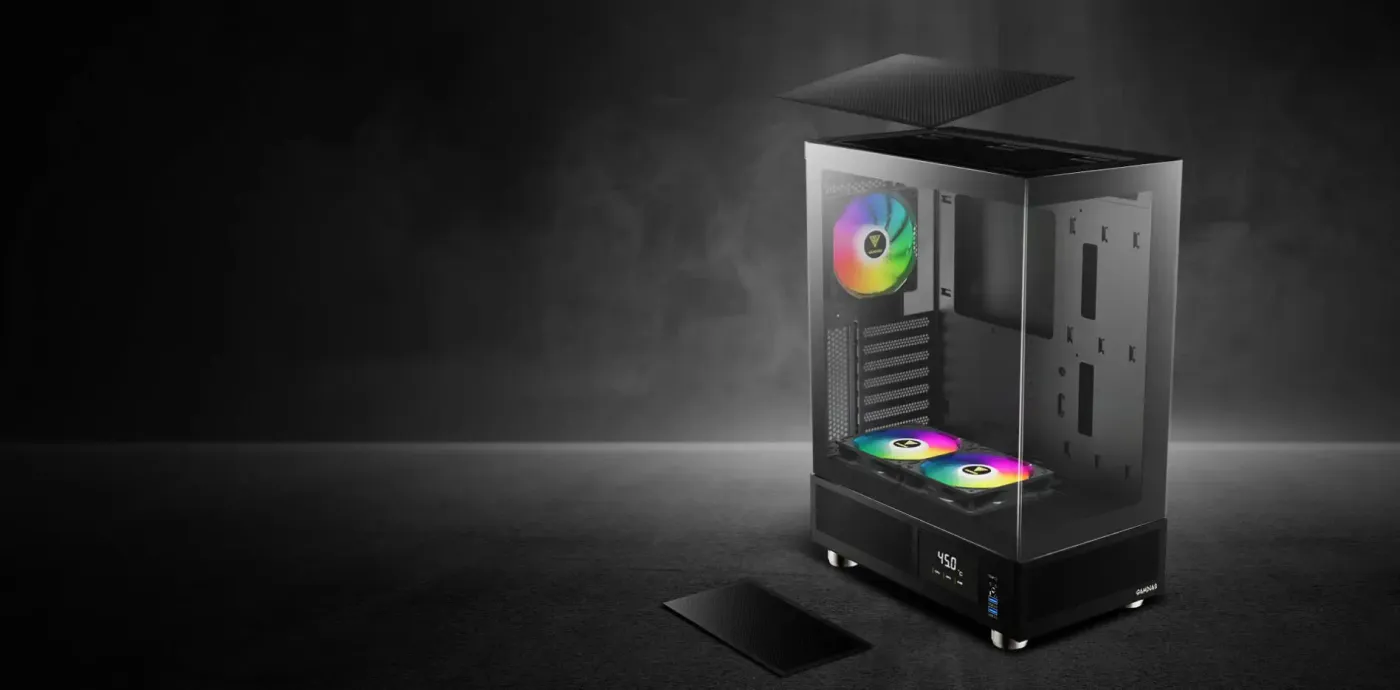
Dust Filters Fitted Top And Bottom
Dust filters cover the top and bottom openings of the ATLAS E1, catching debris before it reaches the fans and heatsinks. The bottom filter matters most here because the two reverse intake fans pull air in from underneath the case, which is where carpet and floor dust would otherwise be drawn straight into the build.
Dust Filters Fitted Top And Bottom
Dust filters cover the top and bottom openings of the ATLAS E1, catching debris before it reaches the fans and heatsinks. The bottom filter matters most here because the two reverse intake fans pull air in from underneath the case, which is where carpet and floor dust would otherwise be drawn straight into the build.
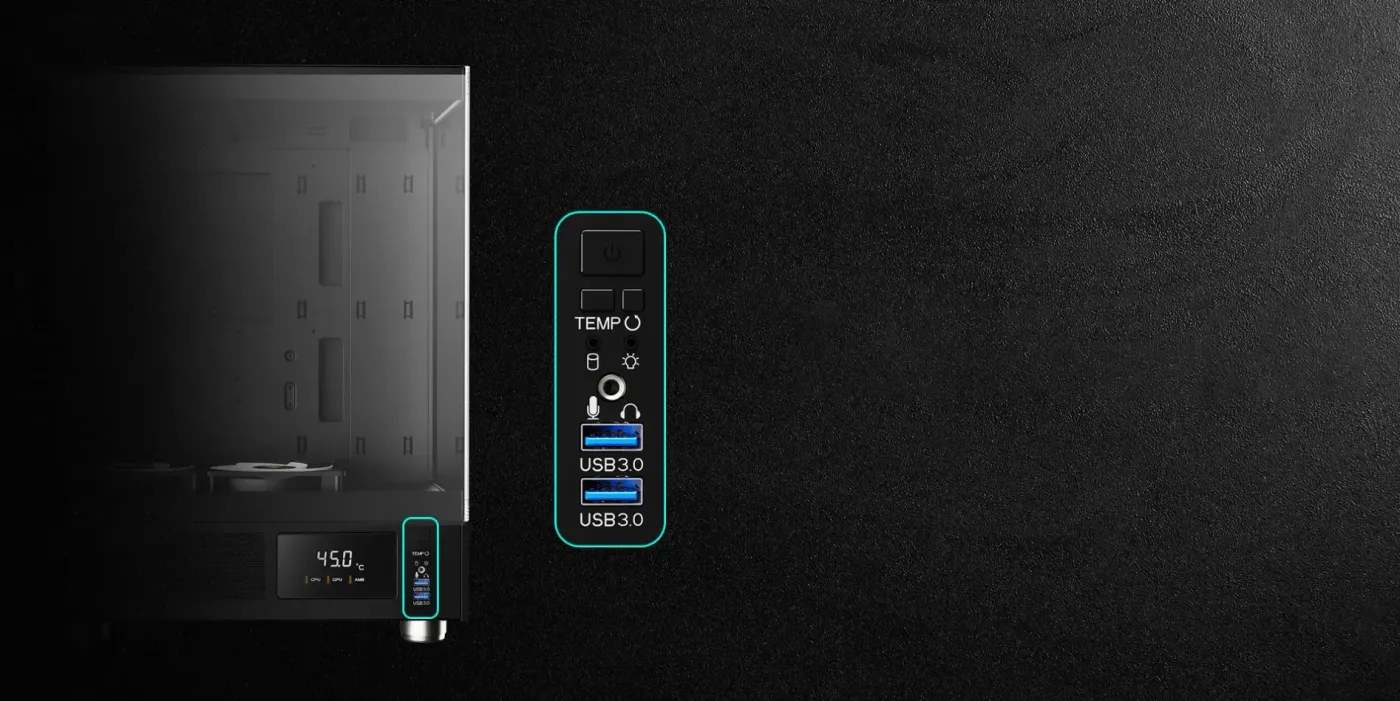
Front I/O With Dual USB 3.0 And Audio
The I/O panel carries two USB 3.0 ports for fast data transfer, an LED control for the fan lighting, a switch for the monitor display modes and a built-in audio jack. Putting the lighting and monitor controls on the same panel means both can be changed by hand, without loading software, once the system is running.
Front I/O With Dual USB 3.0 And Audio
The I/O panel carries two USB 3.0 ports for fast data transfer, an LED control for the fan lighting, a switch for the monitor display modes and a built-in audio jack. Putting the lighting and monitor controls on the same panel means both can be changed by hand, without loading software, once the system is running.
FAQ
Frequently Asked Questions
Everything you need to know about this product
The case houses motherboards up to ATX, along with the smaller form factors below it.
Three 120mm ARGB fans are pre-installed: two reverse intake fans at the bottom and one rear exhaust fan.
It shows live CPU, GPU and ambient temperatures, and you can switch between CPU, GPU, AMB and OFF modes.
The display is adjusted through GAMDIAS ZEUS CAST software.
It supports graphics cards measuring up to 340mm in length.
The case supports the installation of up to five fans.
Radiators can be installed at the top and at the rear of the chassis.
It takes up to two 2.5-inch drives and one 3.5-inch drive.
The ATLAS E1 supports power supply units up to 160mm long.
The seamless tempered glass panels use a clasp mechanism that makes removal quick for cable work and modding.
The I/O panel has two USB 3.0 ports, an audio jack, a fan LED control and a monitor mode switch.
Yes, dust filters are fitted on the top and bottom to limit dust build-up while preserving airflow.

AI-Generated Content: These FAQs are generated by an automated AI system and may contain inaccuracies or omissions. Evetech makes no warranties, express or implied, regarding their completeness or reliability. For definitive information, please refer to the manufacturer's official specifications.
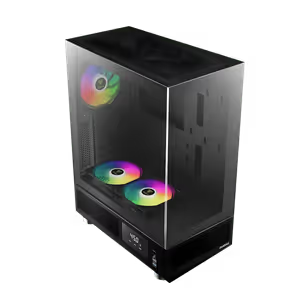
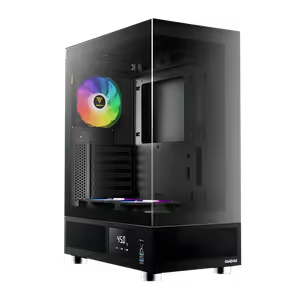
Please Note: Product images are for illustrative purposes only and may differ from the actual product.
Choose your
own PC
Hand-pick every part with live stock, compatibility, and instant pricing.
Try the new builderPrice Inc. Vat
R 1,299
Save R 400
ListR 1,699
1299Free Delivery
Qty:
In Stock with Evetech
Choose your
own PC
Hand-pick every part with live stock, compatibility, and instant pricing.
Try the new builderGamdias ATLAS E1 Gaming Case Black